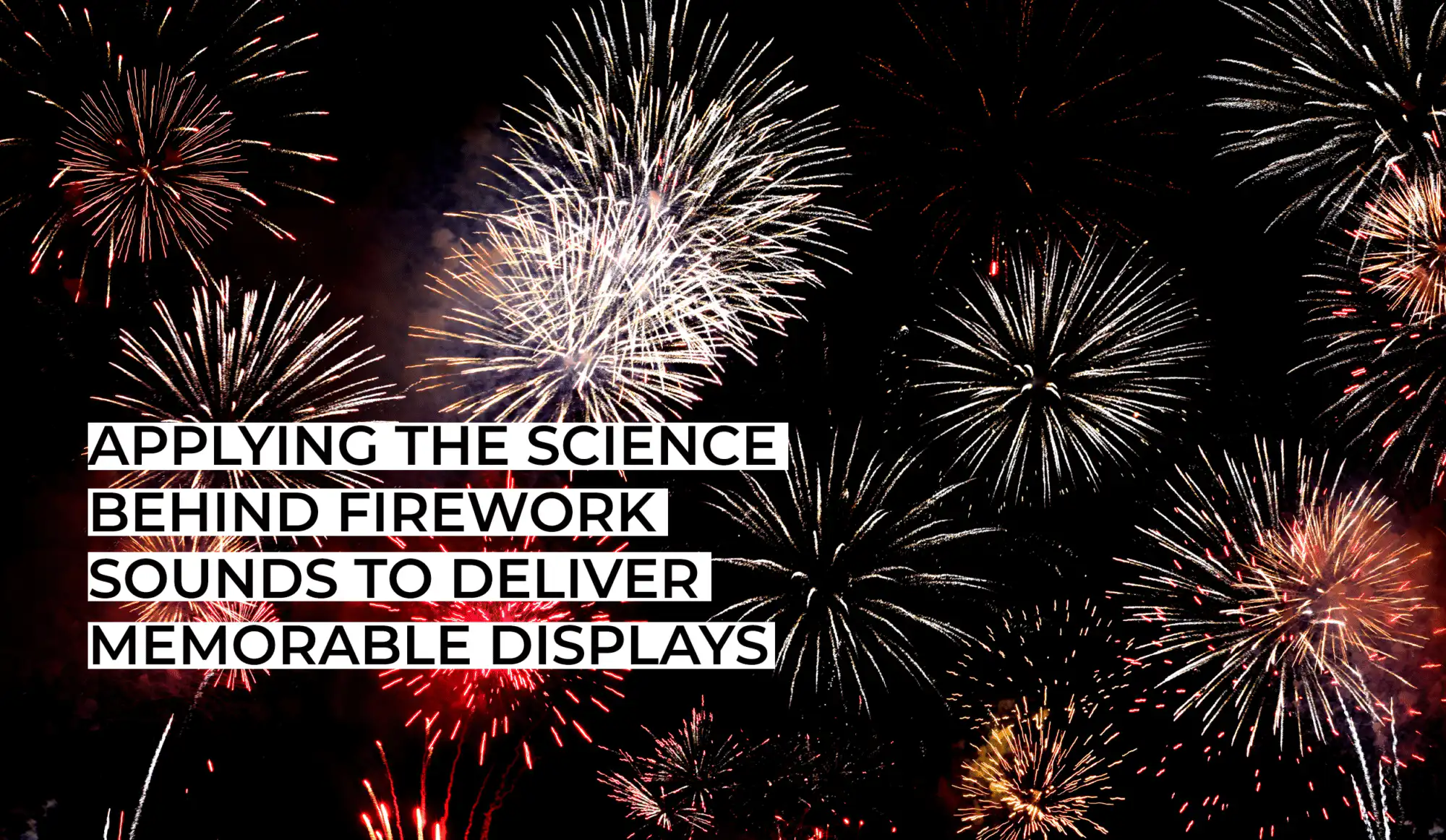
Applying the Science Behind Firework Sounds to Deliver Memorable Displays
Fireworks have enchanted audiences for centuries, transforming the night sky into a canvas of colour, light, and sound. The visual spectacle is often the most celebrated aspect, but the auditory component is just as crucial in creating a truly memorable experience. Understanding the science behind firework sounds can enhance both the planning and execution of greater displays, leading to an event that resonates in the minds of spectators long after the final explosion.
The sounds associated with fireworks are not merely random explosions but are the result of meticulous engineering and chemistry. When a firework is ignited, the rapid combustion of its powder creates gas that is released under immense pressure. This results in a shock wave, which we perceive as sound. Different firework shells produce varying sound profiles due to the materials used, the shape of the shell, and the way in which they are designed to explode. For example, a simple crackling sound may accompany a glittering firework, while a deep rumble is characteristic of larger shells.
By exploring the intricate relationship between sound and fireworks, planners can craft displays that not only dazzle the eyes but also engage the ears. Different sounds evoke different emotions, leading to varied audience responses. With this understanding, firework designers can manipulate elements to ensure every display tells a story.
Understanding the Phenomenon of Sound in Fireworks
The Chemistry of Sound Production
Fireworks produce sounds through a combination of chemical reactions and physical processes. Different compositions lead to various types of sounds, such as:
- Crackles and pops: Often a result of small explosives with quicker reactions.
- Booms and bangs: Larger shells that build pressure rapidly before releasing it.
- Whistles: Caused by specific arrangements of powder that create a narrow tube, forcing air through and producing a high-pitched sound.
Incorporating a variety of these sounds into a display can create a multi-layered audio experience, enhancing the emotional impact on the audience.
The Role of Design in Sound
The physical design of a firework shell also significantly influences the sound produced. The size, shape, and materials of each firework are critical considerations:
- Size: Larger shells often produce lower-frequency sounds, which can resonate through the ground, giving an earth-shaking effect.
- Shape: Round shells might create a more even distribution of sound, while irregular shapes can lead to unexpected audio nuances.
Designers can manipulate these variables to fashion a firework that not only looks stunning but sounds equally as impressive. For instance, a finale sequence may combine various types of sounds—deep booms interspersed with sharp crackles—creating a rich tapestry of audio that captivates the audience.

Crafting a Memorable Firework Display
Syncing Sound and Visual Elements
The interplay between sound and visual elements is where true artistry lies. Imagine a display where sounds and lights are perfectly in sync; the anticipation builds as a loud bang accompanies a burst of colour, leaving spectators with an adrenaline-fueled delight. This requires careful choreography, often achieved by using computerised systems that can time pyrotechnics to music.
Events such as New Year’s Eve fireworks or national celebrations benefit tremendously from this synchronization. It creates a cohesive experience that makes the event feel like a well-crafted performance rather than a series of disjointed explosions.
Audience Engagement Through Interactive Soundscapes
Engaging an audience goes beyond simply providing a visual feast. Firework displays can become increasingly interactive, allowing the crowd to experience sound in ways that challenge traditional expectations. With emerging technologies, for instance, sounds can be amplified within certain sections of a viewing area, creating a surround-sound effect that pulls the audience deeper into the experience.
This type of innovation is a field of ongoing research and can significantly elevate the excitement surrounding any display. Companies such as Anfield Fireworks are exploring these frontiers, applying insights from the science behind firework sounds to develop more immersive experiences. Such ventures lead to displays that resonate not just visually, but also emotionally with the viewers, leaving lasting memories.
The Future of Fireworks and Sound
As technology advances, the potential for new sound experiences in fireworks expands. Innovations in digital effects and use of sound manipulation techniques can be integrated into displays, adding layers of complexity that were previously impossible.
In addition, sustainability considerations are becoming increasingly important. There’s a growing desire for eco-friendly fireworks, which means focusing on reducing noise pollution while still maintaining the grandeur of displays. This balance poses both challenges and opportunities for pyrotechnic designers.
Conclusion
The interplay between firework displays and sound is a rich field of exploration that offers both artists and audiences profound experiences. By delving into the science of how sound is created, how it impacts emotion, and how it can be synchronised with the visual elements of a show, we can unlock the full potential of fireworks as a medium for storytelling and celebration. As we continue to innovate and challenge the norms of traditional displays, the memories created from these shows will echo in the hearts and minds of spectators for years to come.
Fireworks are much more than just visual spectacles; they are a synthesis of art and science, and the future is bright for those willing to explore the deeper auditory dimensions of this captivating form of entertainment.



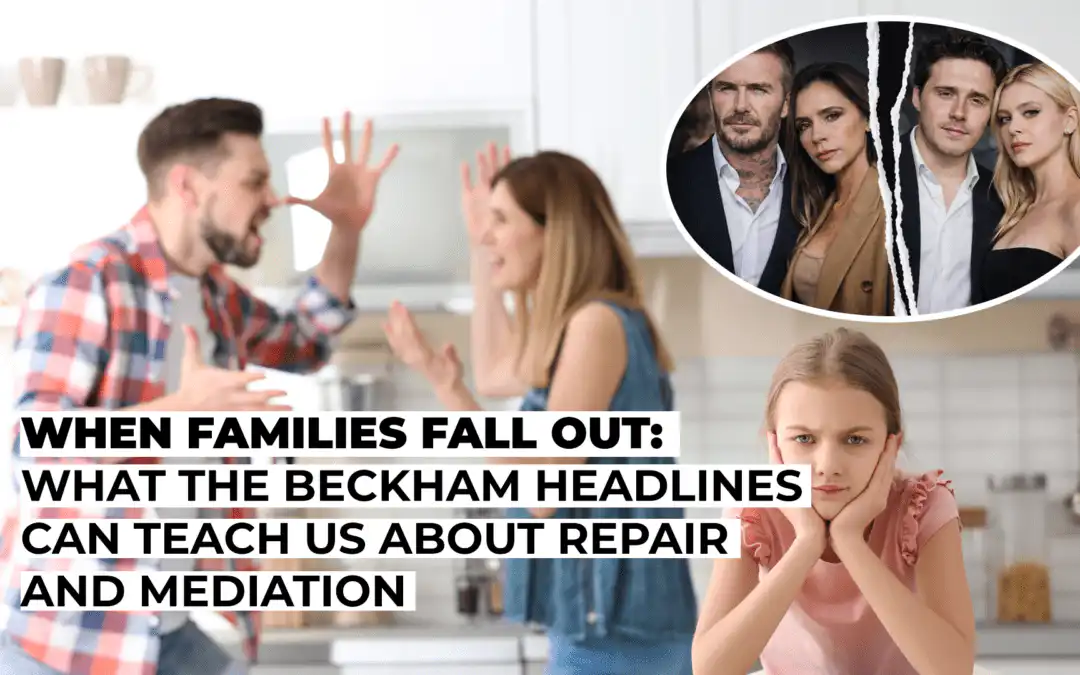
When Families Fall Out: What the Beckham Headlines Can Teach Us About Repair and Mediation
When Families Fall Out explores what the recent Beckham headlines can teach us about family rupture, repair and the role mediation can play when relationships feel strained. With insight from JMW Solicitors’ family law team and child anxiety therapist Saskia Joss, it looks at why disconnection happens, how to name it, and what practical support can help families move forward with more understanding and kindness.

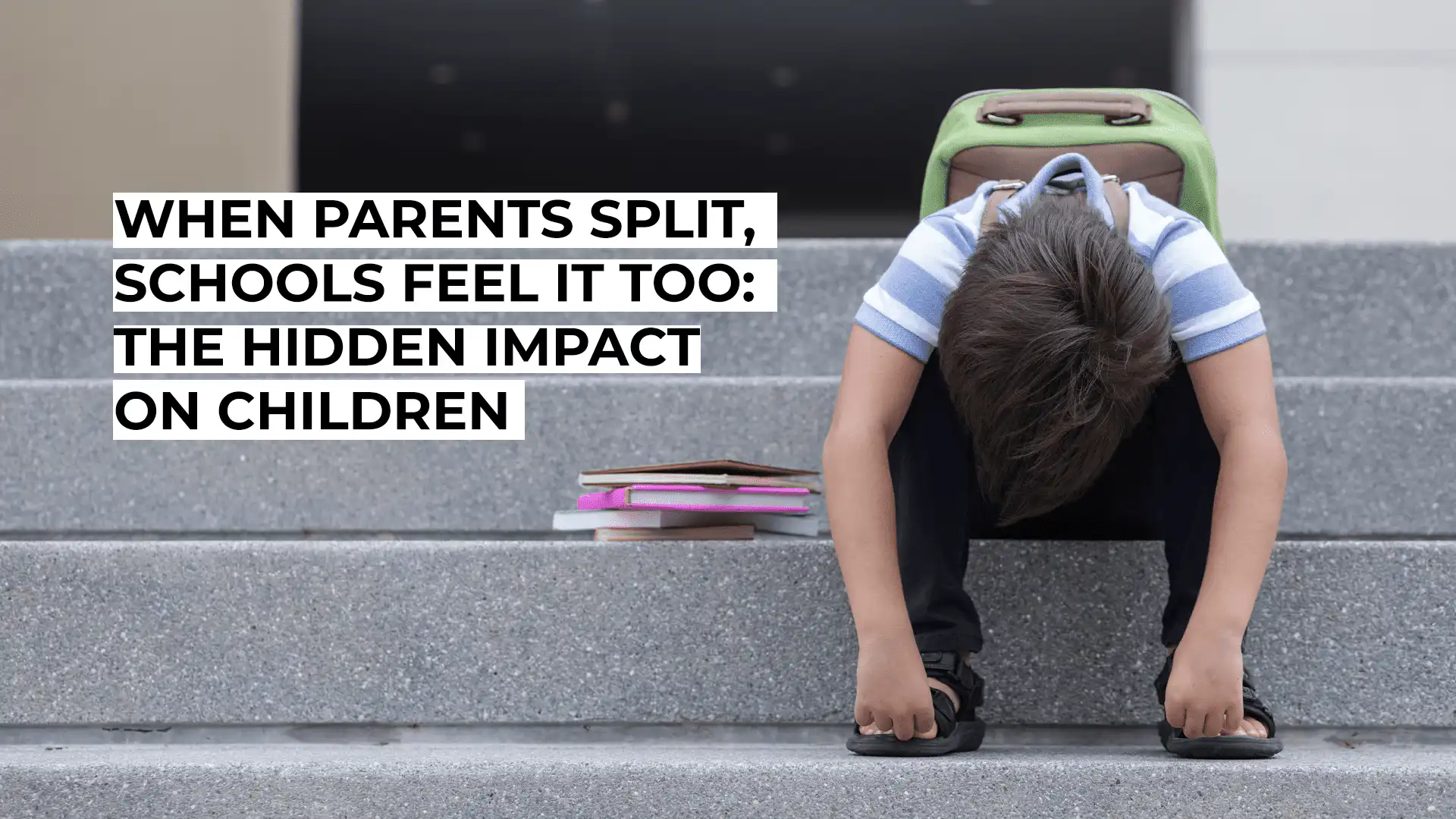
When Parents Split, Schools Feel It Too: The Hidden Impact on Children
Relationship expert Sally Land highlights the hidden toll that high-conflict separations can take on children — and how often schools end up caught in the crossfire. Citing research from The Parents Promise, she notes that teachers are regularly seeing the fallout in real time: slipping grades, increased absence, withdrawal, behavioural issues and worsening mental health.
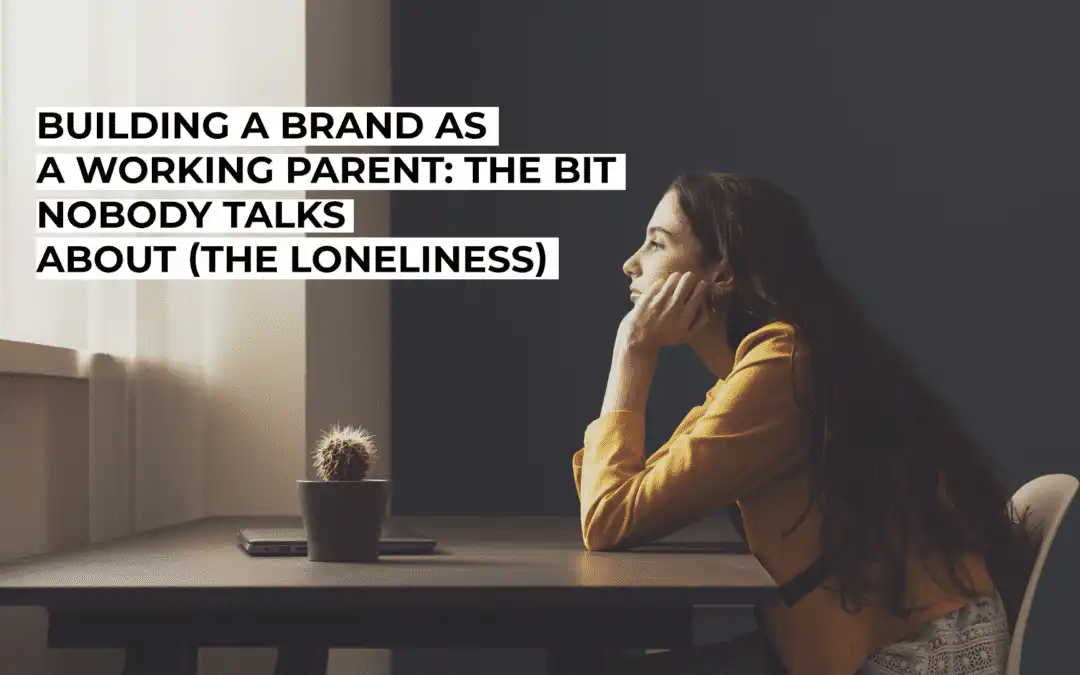
Building a Brand as a Working Parent: The Bit Nobody Talks About (The Loneliness)
Building a brand as a working parent looks great on paper — flexible hours, doing something you love, creating a life that fits around family. But the reality is often messier. You’re juggling school runs and deadlines, client work and packed lunches, confidence wobbles and cash flow worries… and somehow you’re expected to show up online like you’ve got it all under control.
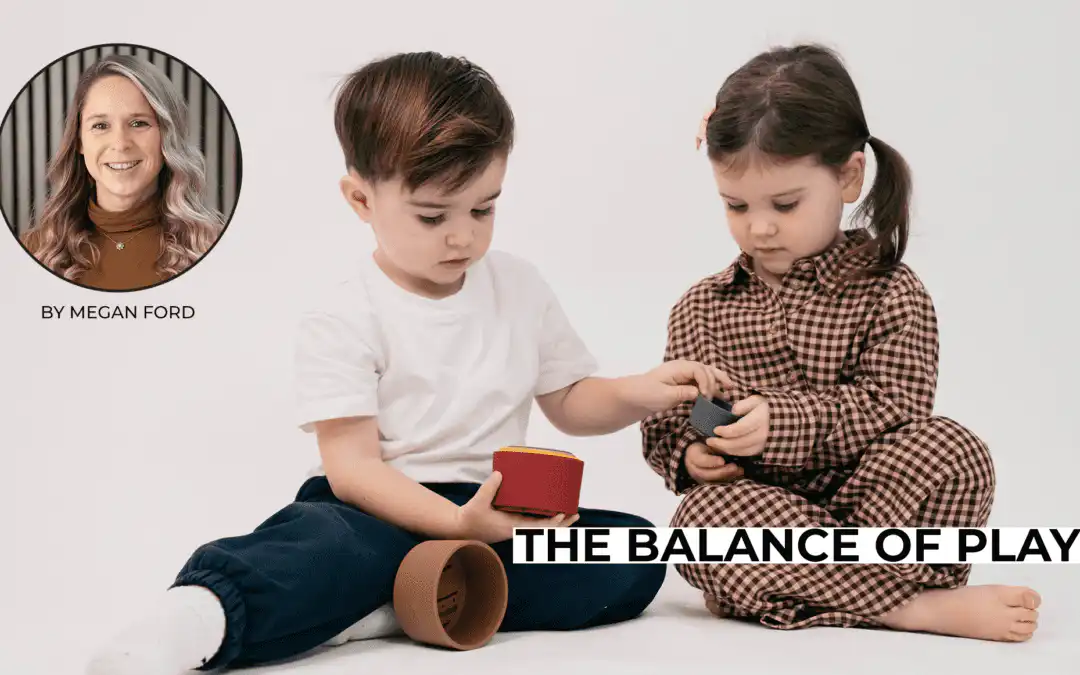
The Balance of Play
I hate admitting that because I value play so deeply, especially in those precious early years. It’s how our children learn, explore, imagine and build confidence. But as a mum trying to keep a household running and a business growing, it’s not always easy to appreciate those moments.

Part Time Working Mummy Interview: Rachaele Hambleton & Josh Marshall
Rachaele Hambleton, aka Part Time Working Mummy, is an inspirational mum of six. The incredible 43-year-old is a Sunday Times Bestselling Author—four times over—founder of The Patchwork House, a support and guidance service for vulnerable individuals and families, and she’s also a successful entrepreneur, which includes her own clothing brand REBL.

Introducing Amanda Marks
We’re thrilled to welcome our new columnist Amanda Marks. Amanda is a Renowned Breastfeeding, Food & Sleep Consultant
With over 40 years of experience supporting families, Amanda Marks is a highly respected breastfeeding, food, and sleep consultant. Based in prestigious locations including 10 Harley Street, London, and Alderley Edge, Cheshire, Amanda has worked with families from diverse backgrounds, including media personalities and royalty, maintaining the highest standards of confidentiality.

An Interview with English Professional Boxer Chris Billam-Smith
At BROOD, we’re always drawn to stories that celebrate not just professional triumphs, but the heart and humanity behind them. Someone who embodies this spirit perfectly is Chris Billam-Smith—a world-class athlete
whose grit in the ring is matched only by his devotion to his family.
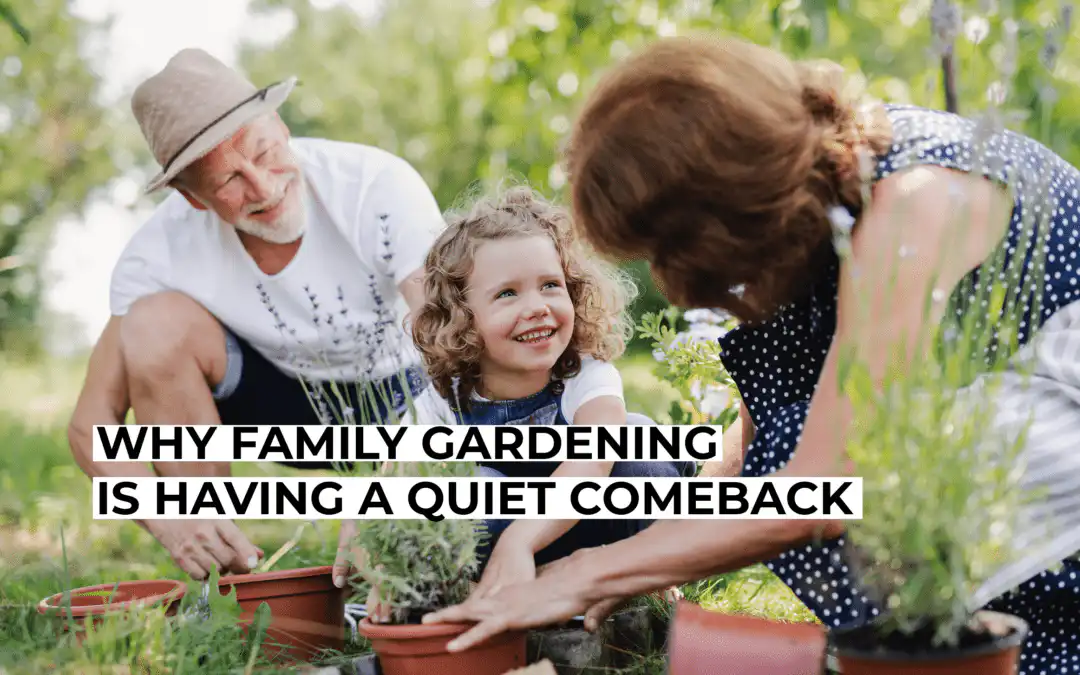
Why Family Gardening Is Having a Quiet Comeback
There’s a noticeable shift happening in how families spend their time. It isn’t loud or trend-led, and it’s rarely documented with before-and-after shots. Instead, it’s quieter and slower, rooted in small routines and shared moments. Family gardening is part of that change.

From Parliament to the Premier League: Campaigning for survivors of domestic abuse during this #16DaysOfActivism
Our Head of Social Causes and Sub-Editor Teresa Parker was joined by BROOD Editor-in Chief Lolo Stubbs at an event in Parliament on the 2nd December 2025 to mark ten years of coercive control legislation. Teresa organised the event through her consultancy Teresa Parker Media, in partnership with Hawkins, Laxton & Co, which is run by her former colleagues Clare and Sian.

WHY PARENTS NEED A WILL (Even If You Don’t Think You Do)
A lot of people still think wills are only for the wealthy or the elderly. I hear this all the time. In reality, wills are about far more than dividing up money.