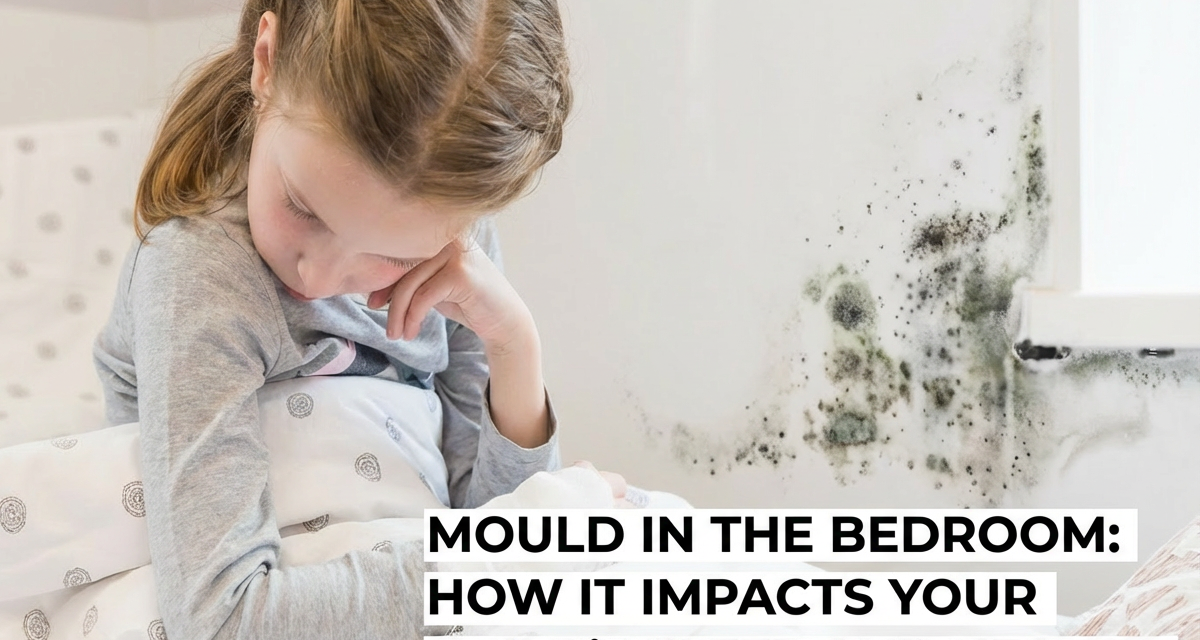
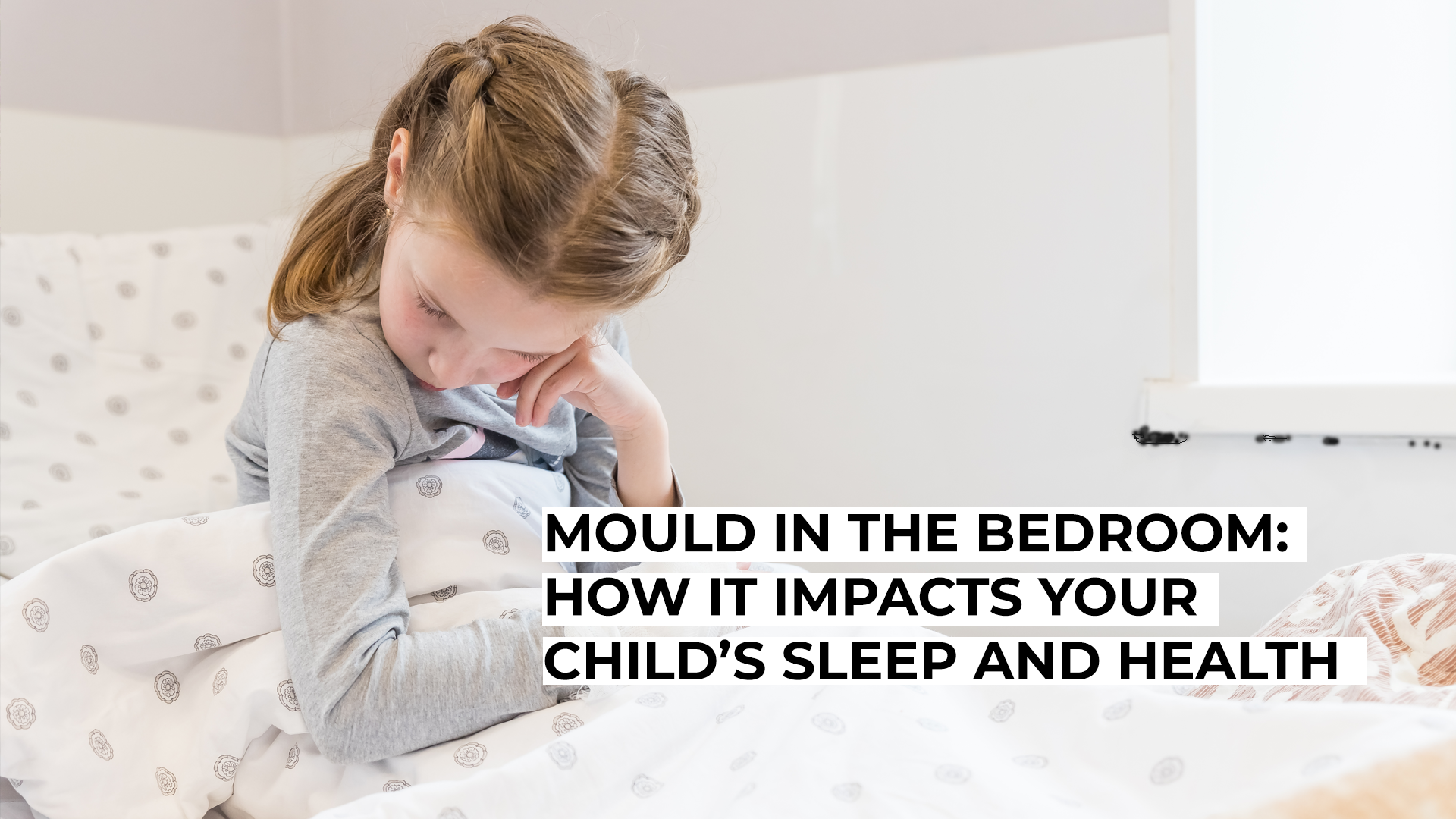
Mould in the Bedroom: How It Impacts Your Child’s Sleep and Health
Finding a patch of damp or dark spots on a bedroom wall is a common worry for many parents. Because children spend a significant portion of their day sleeping, the air quality in their bedroom is vital for their development. When mould begins to grow, it’s a biological hazard that can disrupt their rest and long-term wellbeing.
The presence of mould often indicates underlying issues with ventilation or insulation. If you’ve spotted fuzzy growth on the back of a wardrobe or near a window frame, you shouldn’t ignore it. Understanding the specific risks involved can help you take the right steps to protect your family. Read on to discover how this household fungus affects your little ones and what you can do about it.
The Connection Between Mould and Sleep Quality
Mould releases microscopic spores and volatile organic compounds into the air, which can be easily inhaled during the night. For a child, this exposure often leads to nasal congestion, sneezing, and a persistent cough. When a child’s airways are irritated, they’ll likely struggle to fall asleep or may wake up frequently throughout the night.
If your child’s sleep is constantly interrupted by respiratory discomfort, it’s worth investigating the corners of their room. Specialist teams like ICE Cleaning offer comprehensive surveys to identify the root cause of these issues. Addressing the problem early ensures that the environment remains conducive to deep, restorative rest.
How Mould Impacts a Child
Restless Nights and Daytime Fatigue
A child who doesn’t sleep well because of poor air quality will most likely still be tired after a night’s rest. They might also become irritable or struggle to concentrate at school. You may notice they’re more lethargic than usual or seem to have a permanent cold that never quite clears up.
These symptoms are often the body’s reaction to the allergens produced by indoor fungi.

How Mould Affects Respiratory Health
Children have smaller airways and developing immune systems, making them far more vulnerable to damp environments than adults. Prolonged exposure can lead to the development of chronic conditions. Experts have often linked living in damp, mouldy homes to a higher risk of childhood asthma and allergic rhinitis.
- Wheezing and Coughing: Persistent irritation of the lungs can cause audible wheezing.
- Skin Irritations: In some cases, spores can trigger eczema flare-ups or itchy skin rashes.
- Eye Irritation: Red, watery, or itchy eyes are common signs of an allergic reaction to spores.
- Weakened Immunity: Constant exposure means the immune system is always on guard, potentially making children more susceptible to other infections.
Creating a Healthier Sleeping Environment
A quick wipe with a cloth is not enough to stop mould. To keep the bedroom safe, crucially, you must control the moisture levels. In the UK, condensation is a major culprit, especially during the colder months when we keep windows closed and the heating on.
- Improve Ventilation: Open windows for at least ten minutes every morning to let fresh air circulate.
- Monitor Humidity: Keep indoor humidity levels between 30% and 50% using a hygrometer.
- Clear Space: Don’t push furniture directly against external walls; leave a gap so air can flow behind wardrobes and beds.
- Dry Clothes Outside: Avoid drying laundry on radiators inside the bedroom, as this releases significant moisture into the air.
The Bottom Line
It’s clear that a damp bedroom is not just a minor inconvenience. Because mould impacts everything from physical lung health to the quality of a child’s sleep, it’s something every parent needs to take seriously. Taking proactive steps to dry out your home and improve airflow will make a world of difference to your child’s daily energy and long-term health.
If you’ve discovered a significant growth, don’t try to scrub it away yourself, as this can often spread the spores further. Seeking professional mould removal assistance ensures the fungus is eradicated safely and won’t return to haunt your child’s dreams.



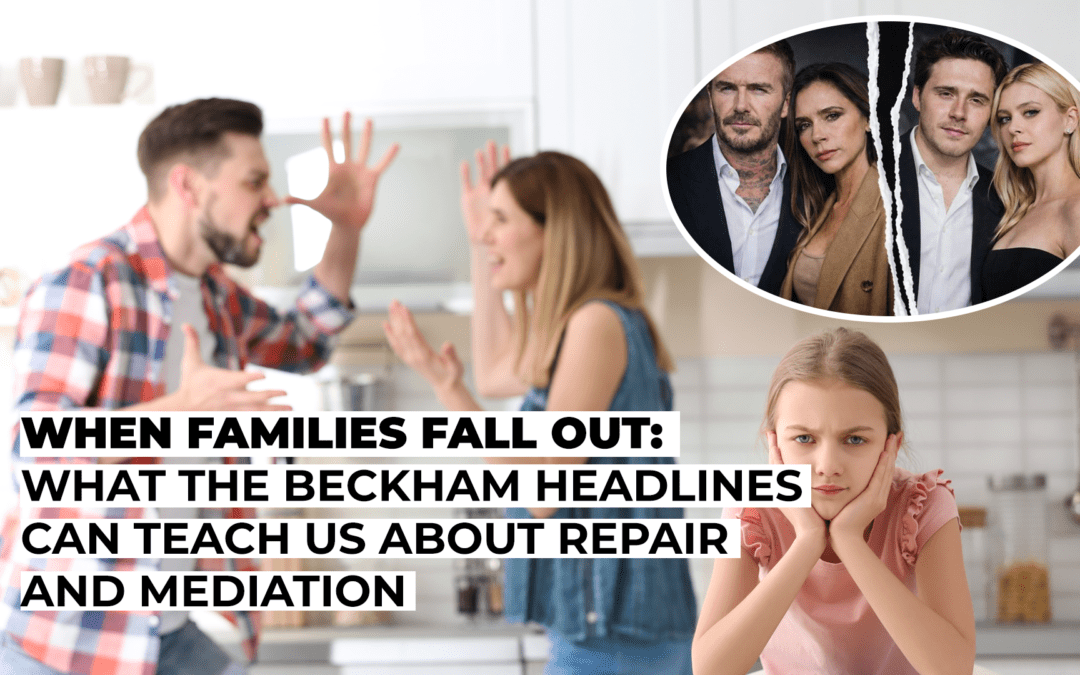
When Families Fall Out: What the Beckham Headlines Can Teach Us About Repair and Mediation
When Families Fall Out explores what the recent Beckham headlines can teach us about family rupture, repair and the role mediation can play when relationships feel strained. With insight from JMW Solicitors’ family law team and child anxiety therapist Saskia Joss, it looks at why disconnection happens, how to name it, and what practical support can help families move forward with more understanding and kindness.
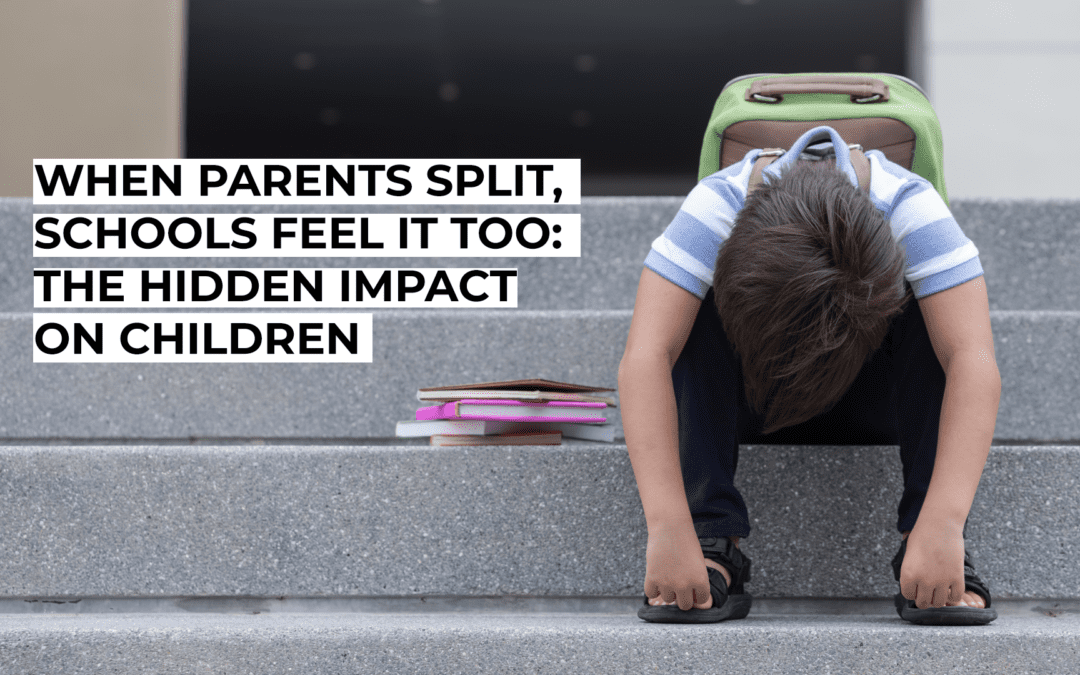
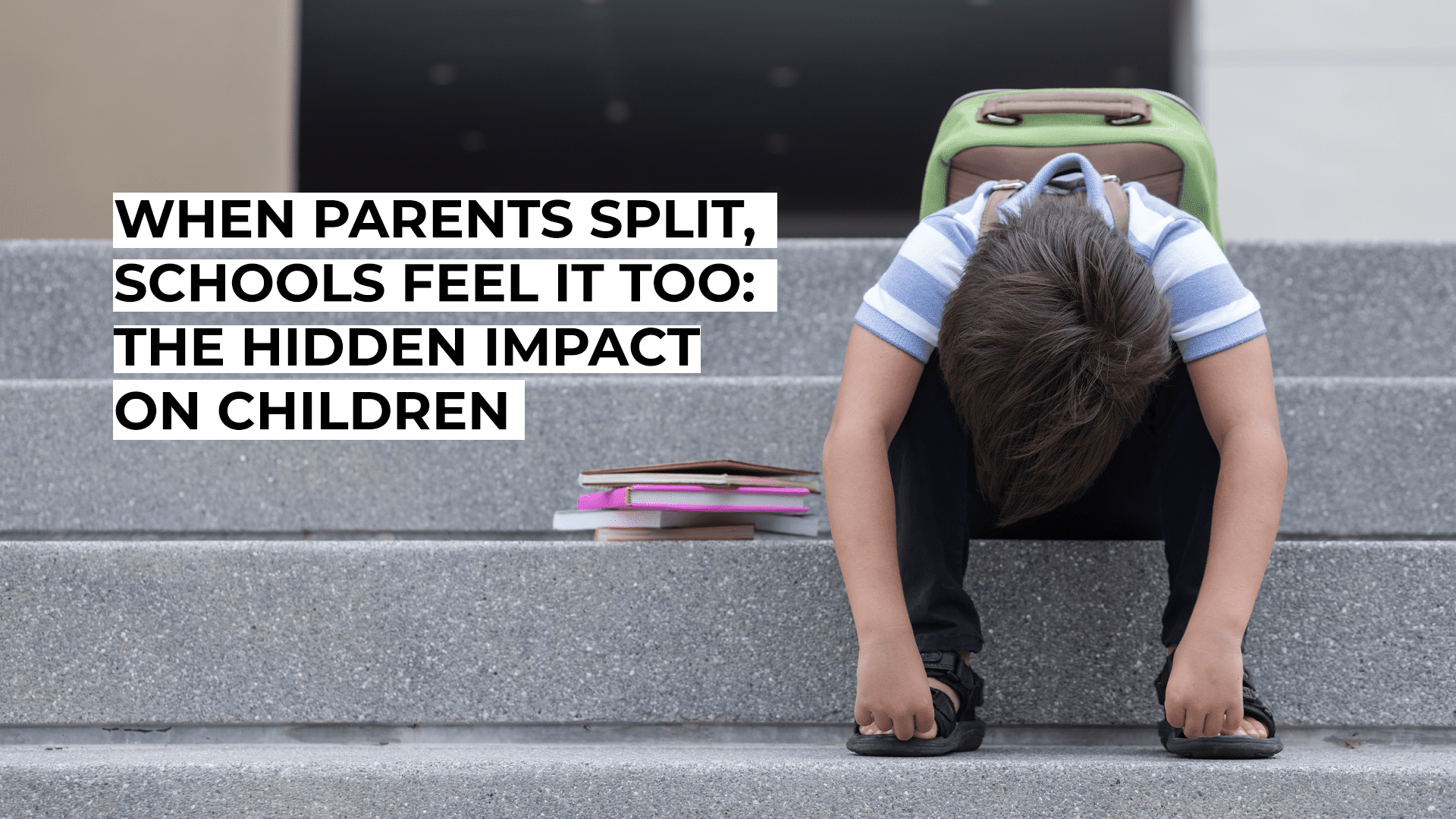
When Parents Split, Schools Feel It Too: The Hidden Impact on Children
Relationship expert Sally Land highlights the hidden toll that high-conflict separations can take on children — and how often schools end up caught in the crossfire. Citing research from The Parents Promise, she notes that teachers are regularly seeing the fallout in real time: slipping grades, increased absence, withdrawal, behavioural issues and worsening mental health.
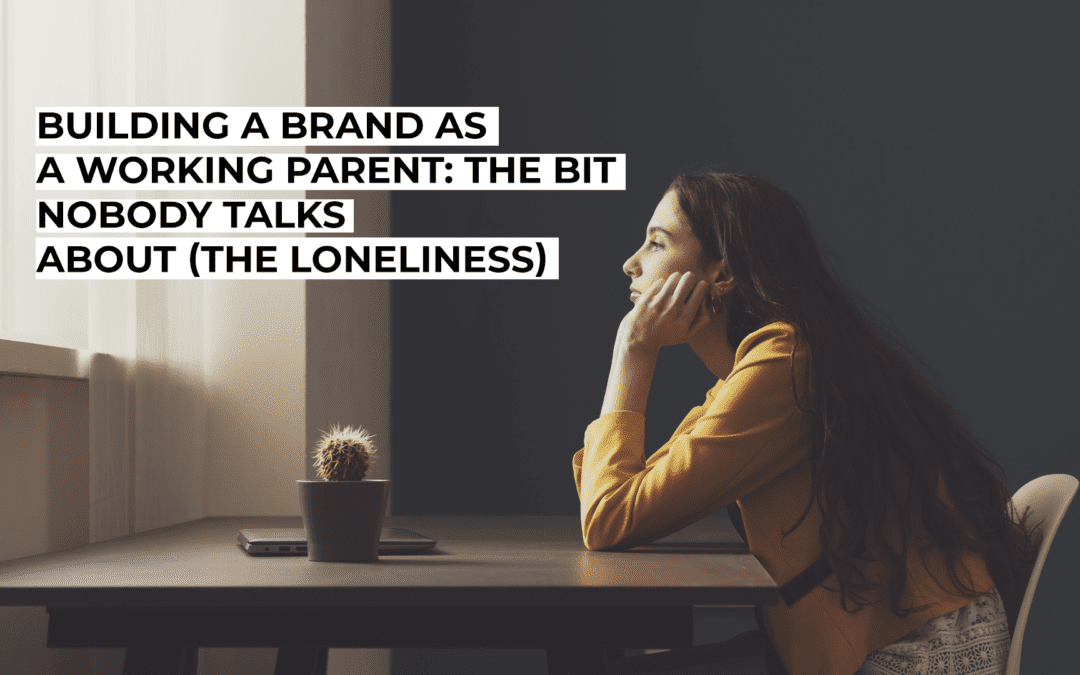
Building a Brand as a Working Parent: The Bit Nobody Talks About (The Loneliness)
Building a brand as a working parent looks great on paper — flexible hours, doing something you love, creating a life that fits around family. But the reality is often messier. You’re juggling school runs and deadlines, client work and packed lunches, confidence wobbles and cash flow worries… and somehow you’re expected to show up online like you’ve got it all under control.
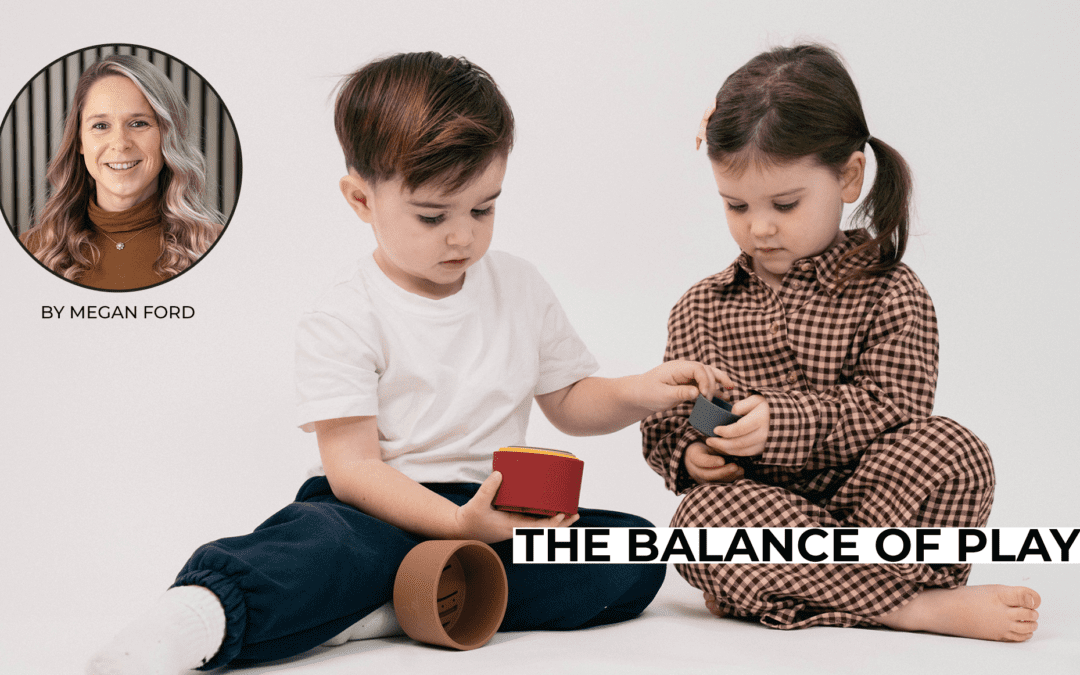
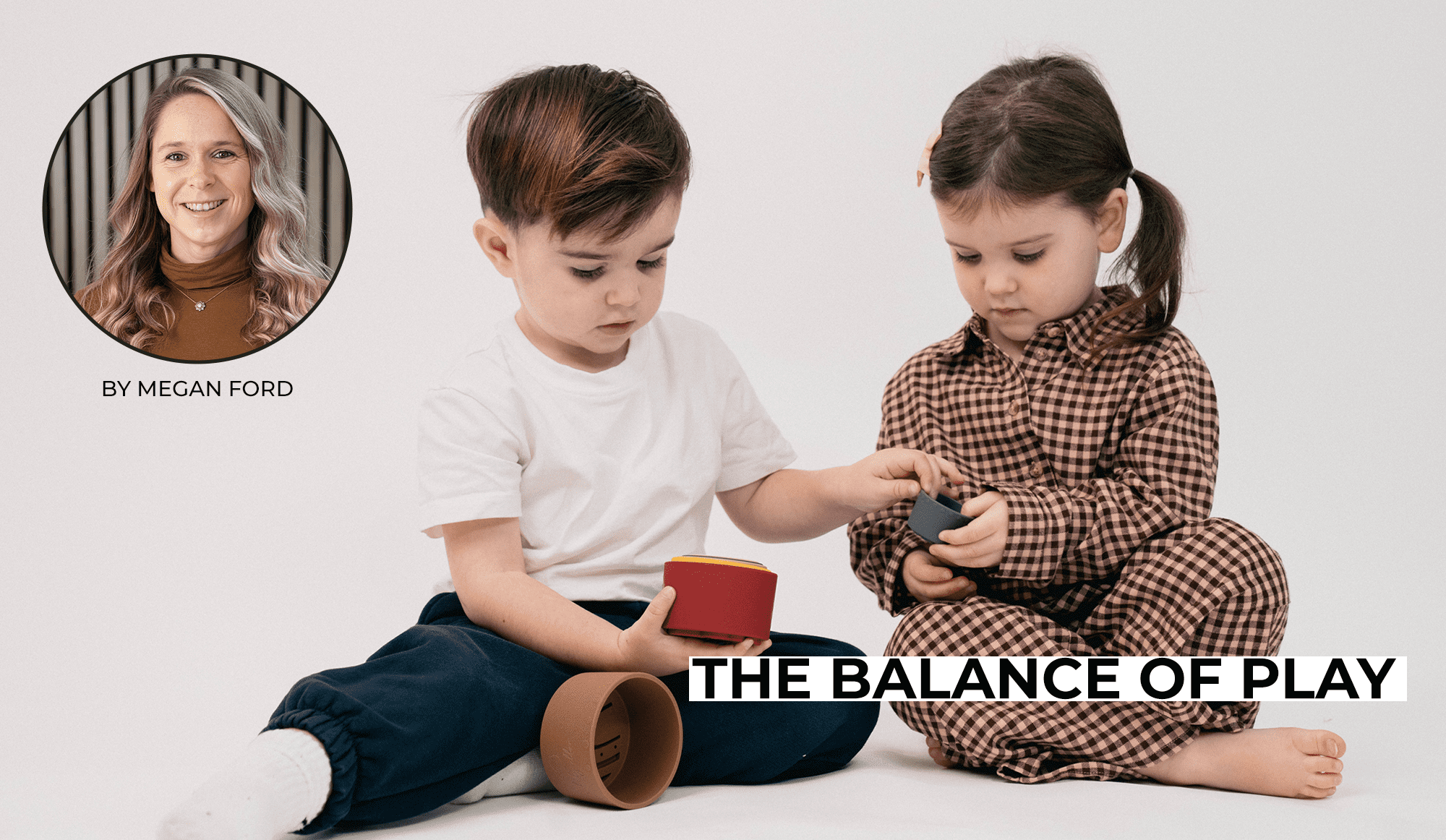
The Balance of Play
I hate admitting that because I value play so deeply, especially in those precious early years. It’s how our children learn, explore, imagine and build confidence. But as a mum trying to keep a household running and a business growing, it’s not always easy to appreciate those moments.

Part Time Working Mummy Interview: Rachaele Hambleton & Josh Marshall
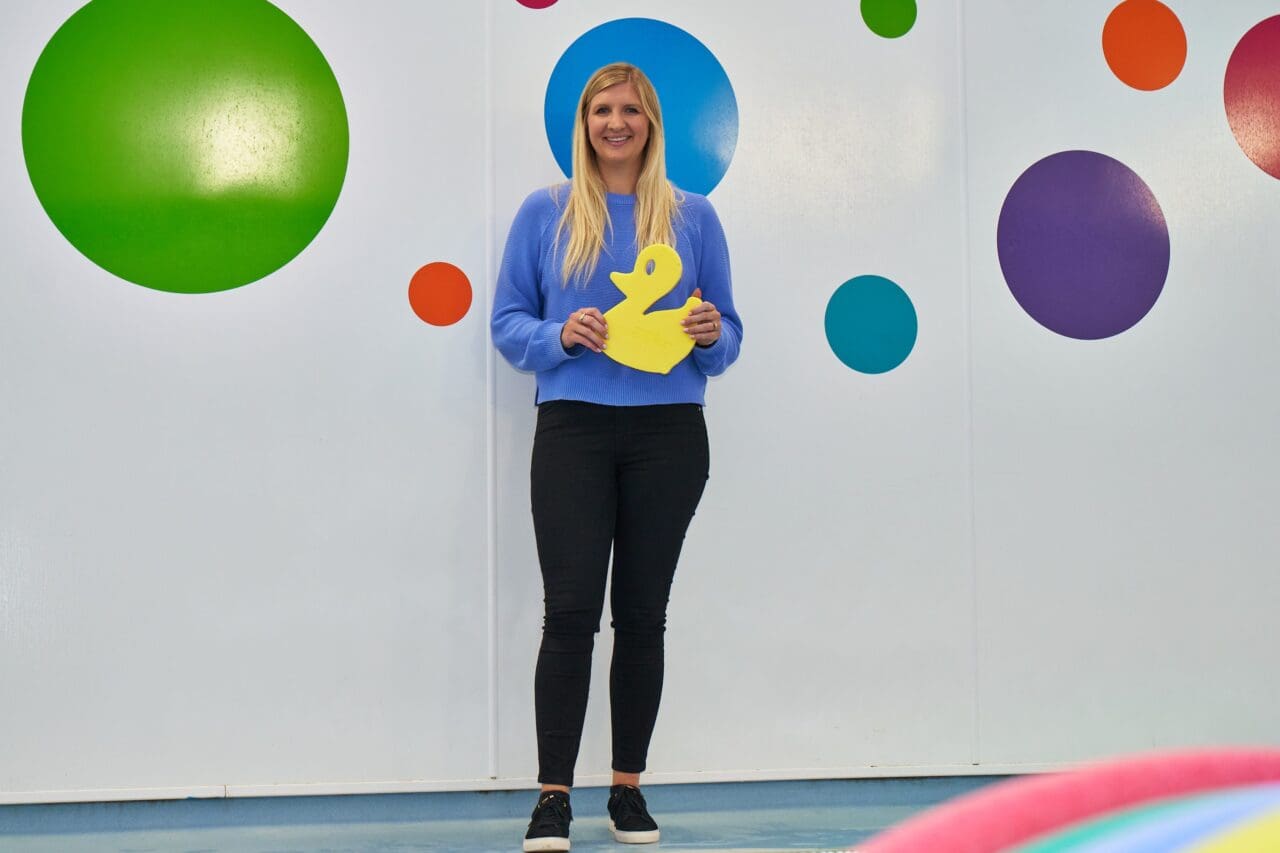
Rachaele Hambleton, aka Part Time Working Mummy, is an inspirational mum of six. The incredible 43-year-old is a Sunday Times Bestselling Author—four times over—founder of The Patchwork House, a support and guidance service for vulnerable individuals and families, and she’s also a successful entrepreneur, which includes her own clothing brand REBL.

Introducing Amanda Marks
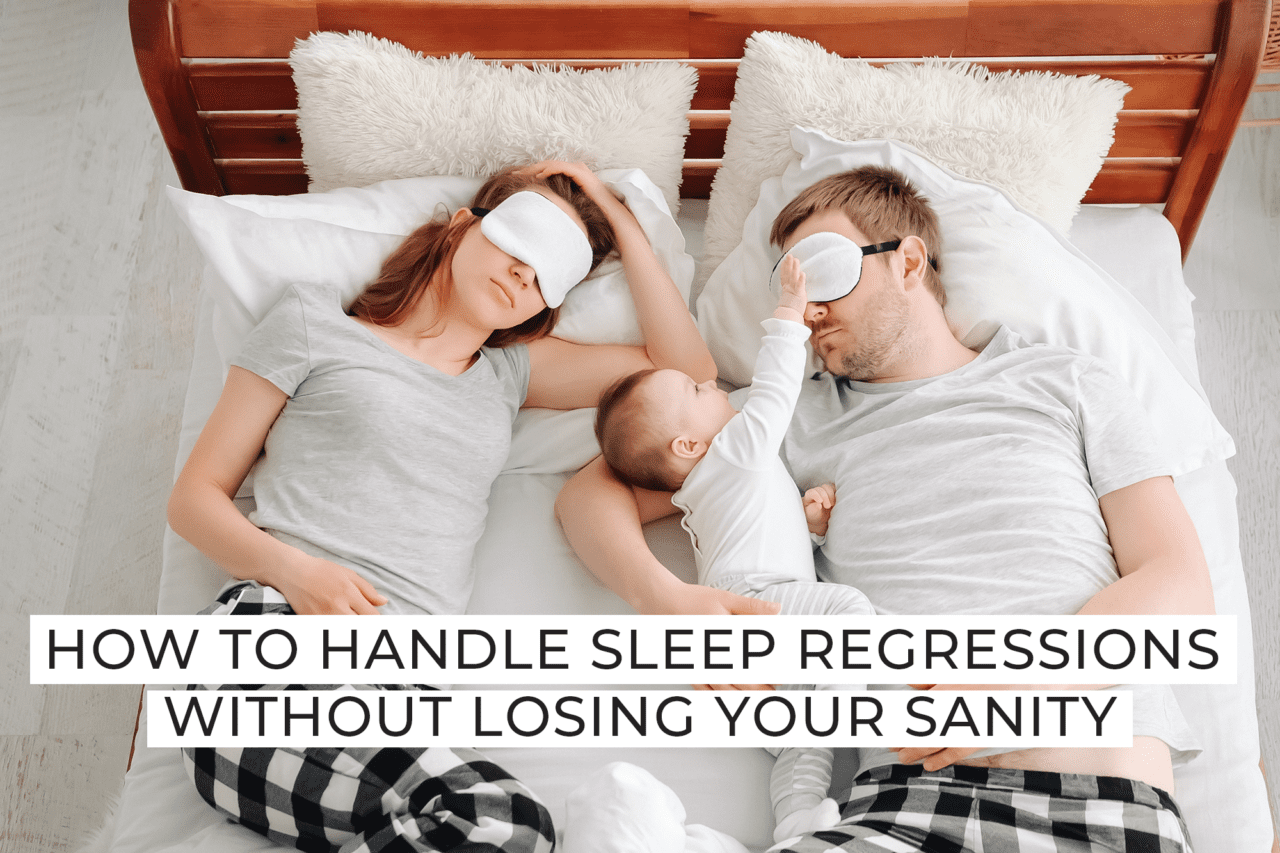
We’re thrilled to welcome our new columnist Amanda Marks. Amanda is a Renowned Breastfeeding, Food & Sleep Consultant
With over 40 years of experience supporting families, Amanda Marks is a highly respected breastfeeding, food, and sleep consultant. Based in prestigious locations including 10 Harley Street, London, and Alderley Edge, Cheshire, Amanda has worked with families from diverse backgrounds, including media personalities and royalty, maintaining the highest standards of confidentiality.

An Interview with English Professional Boxer Chris Billam-Smith
At BROOD, we’re always drawn to stories that celebrate not just professional triumphs, but the heart and humanity behind them. Someone who embodies this spirit perfectly is Chris Billam-Smith—a world-class athlete
whose grit in the ring is matched only by his devotion to his family.
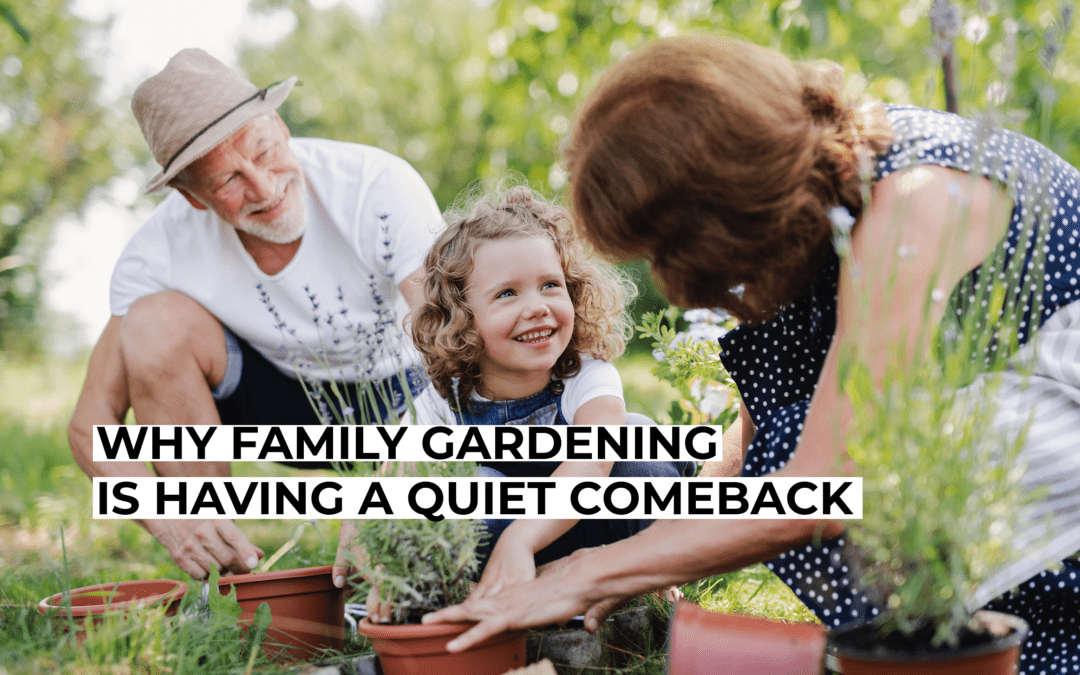
Why Family Gardening Is Having a Quiet Comeback
There’s a noticeable shift happening in how families spend their time. It isn’t loud or trend-led, and it’s rarely documented with before-and-after shots. Instead, it’s quieter and slower, rooted in small routines and shared moments. Family gardening is part of that change.
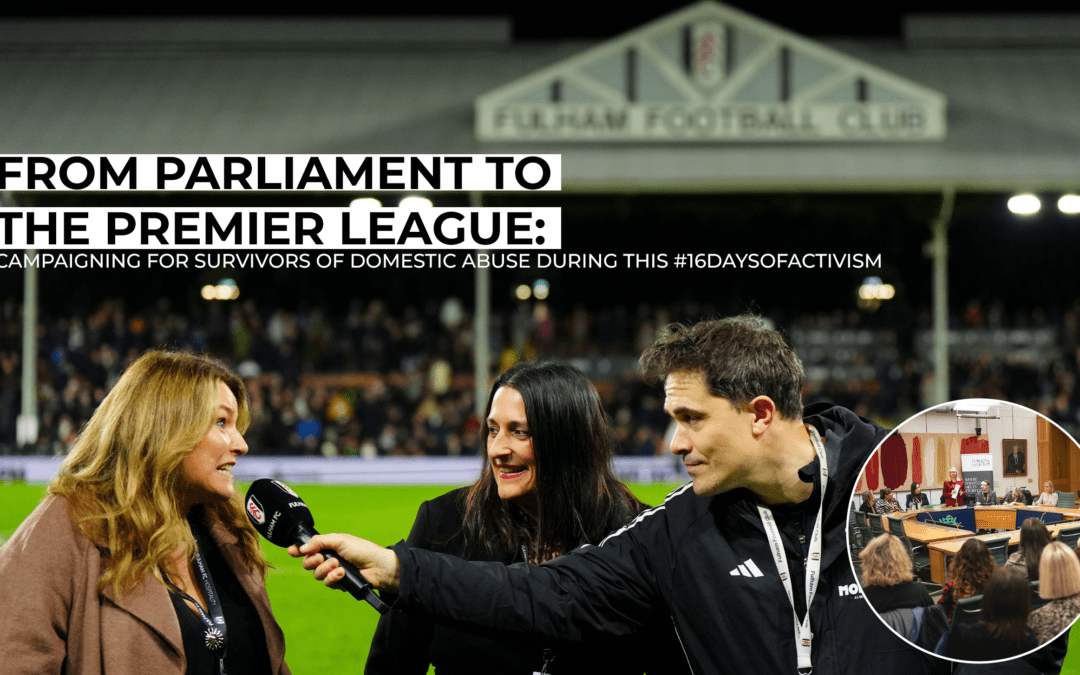
From Parliament to the Premier League: Campaigning for survivors of domestic abuse during this #16DaysOfActivism
Our Head of Social Causes and Sub-Editor Teresa Parker was joined by BROOD Editor-in Chief Lolo Stubbs at an event in Parliament on the 2nd December 2025 to mark ten years of coercive control legislation. Teresa organised the event through her consultancy Teresa Parker Media, in partnership with Hawkins, Laxton & Co, which is run by her former colleagues Clare and Sian.

WHY PARENTS NEED A WILL (Even If You Don’t Think You Do)
A lot of people still think wills are only for the wealthy or the elderly. I hear this all the time. In reality, wills are about far more than dividing up money.