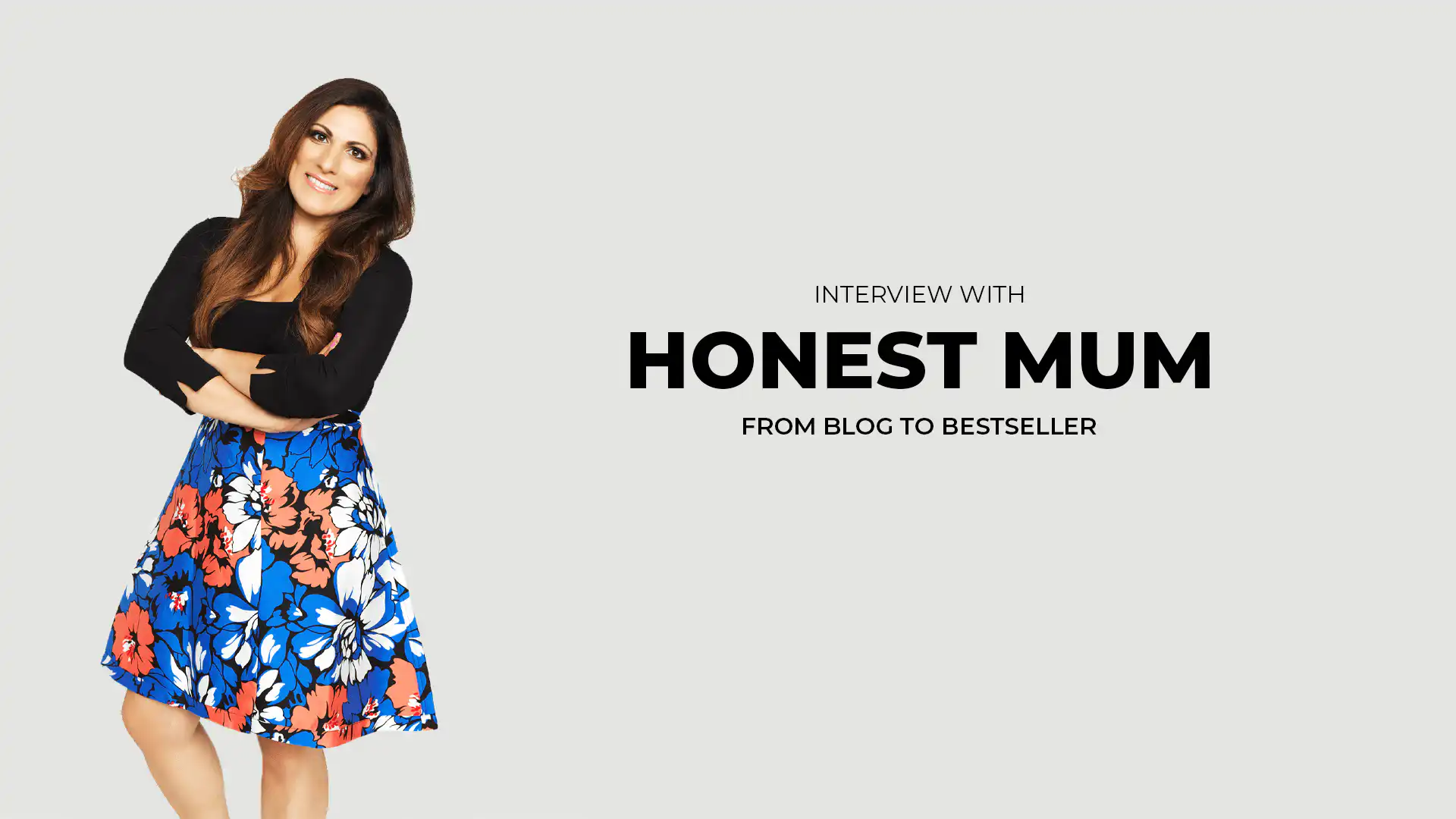
Motivational mum of two, Vicki Broadbent, better known as Honest Mum, is a name that has become synonymous with authentic and relatable parenting. Vicki has built a reputation for sharing her unfiltered thoughts and experiences on motherhood, marriage, and family life. With a refreshing dose of honesty and humour, Vicki’s blog has become a go-to resource for parents seeking real advice and reassurance. We asked Vicki about her journey from an award-winning director to a renowned creator, her new children’s book, and what inspires her to keep sharing her honest perspective with the world.
“creativity has always been my therapy… So writing my children’s book has helped me hugely especially, postnatally, its served as a stimulating distraction, and simultaneously has given me my own time and soace to process a traumatic birth.”
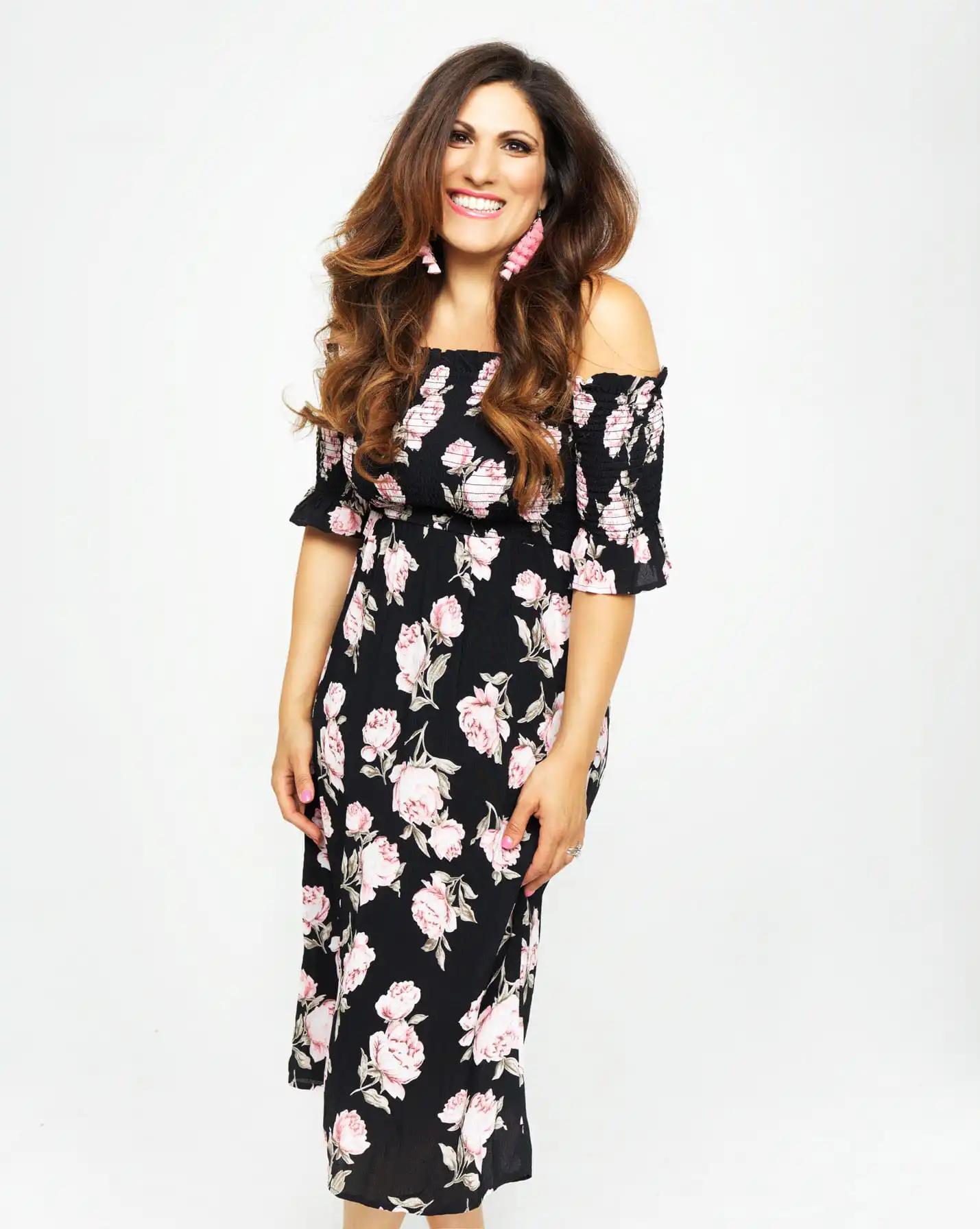
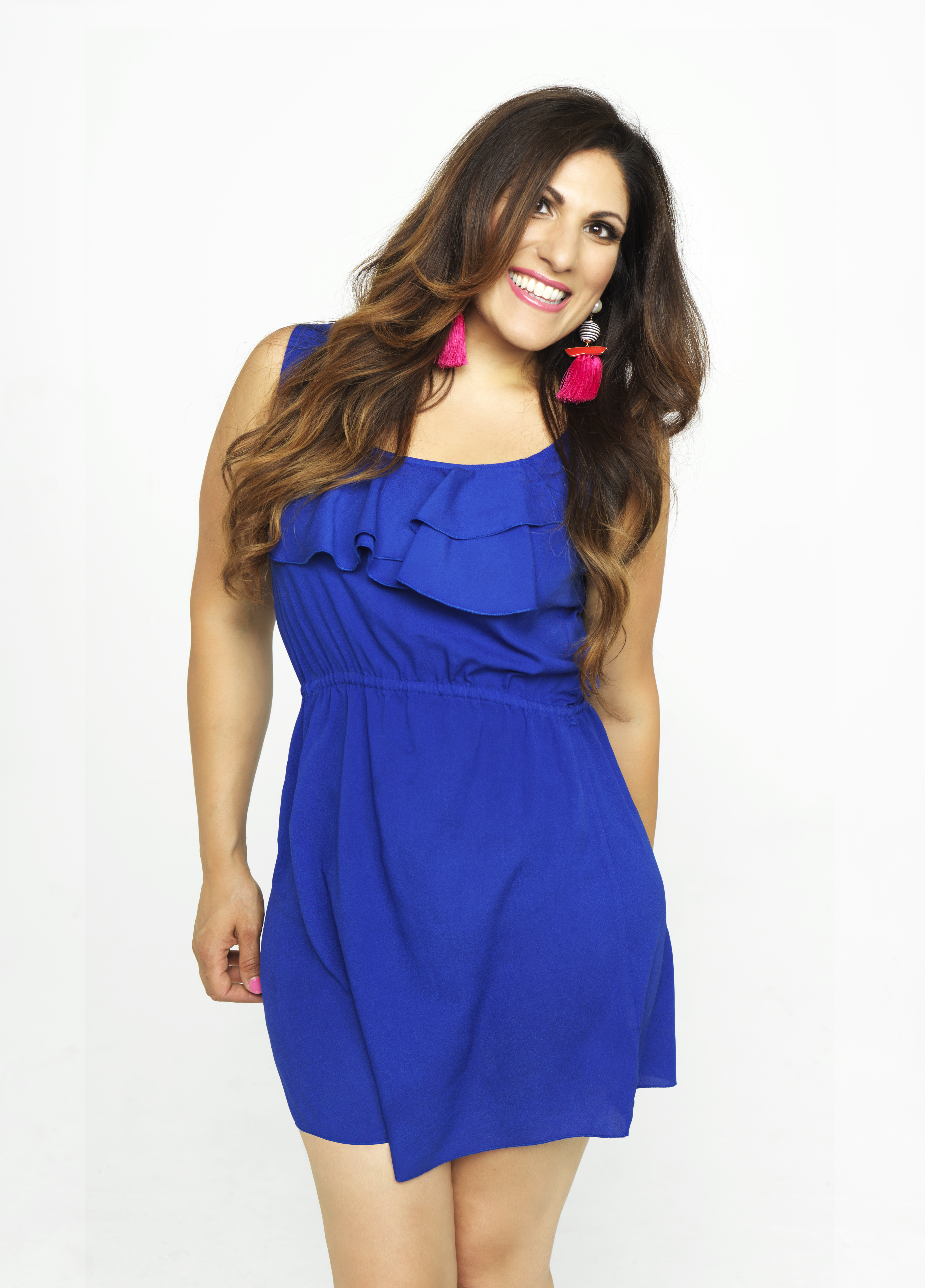
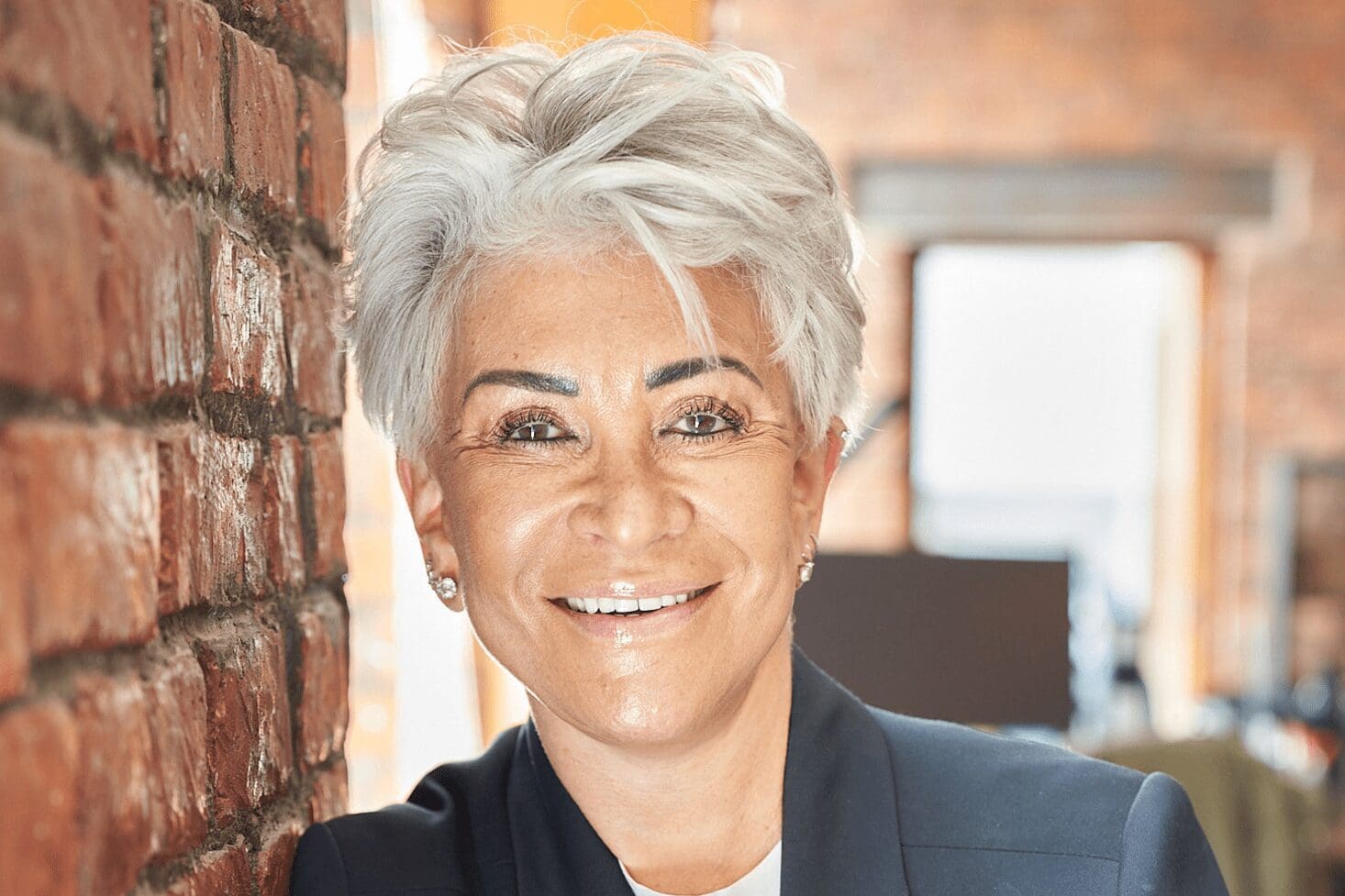
Honest Mum Images © Joseph Sinclair
What sparked your passion for creating content around honest parenting, and how has your approach evolved?
I started blogging back in November 2010 when my eldest son, Oliver, was 10 months old, at the advent of blogging. I remember having to explain to people at the time what a blog was! I was one of a handful of mums in the UK who had set up online diaries, so we could share our voice and experiences of motherhood: the highs and the lows, as parenting felt so lonely back then.
I started writing to try and process a traumatic birth (although it took 5 years to write about that specific time in a since-viral post). We were all totally unaware at the time that we could a) build a community and b) actually earn from blogging, yet we quickly discovered both could be true, as it was in the US. We grew a following and our blogs began to operate as digital magazines, providing us with a good income and options (finally) as working parents who wanted remote and flexible jobs so we could see our kids.
After two years, I’d pivoted from a successful career as a screenwriter, director and producer working in TV and film to ‘storytelling’ online full time, as my former job had proved completely incompatible with motherhood. I would be away for weeks at a time shooting adverts, for example, heartbroken to be apart from my young son, and missing his milestones, unsure how I would last in my chosen and hard-won profession. I was lucky that my skills were transferable, though, and with the focus on video and filmmaking later, online, I was able to reach millions per month, sometimes over 60 million views in a single reel, with short, emotive content on Instagram and Facebook. I still blog today, and it’s a substantial part of my business.
I’ve also written two books: Mumboss (a guide to surviving and thriving at work and at home-Little, Brown, Hachette), and I’ve spent the last year writing Greek Myths, Folktales and Legends, retelling 20 Greek myths for 9-12 year olds for Scholastic UK, which is out in September 2025! Being originally Greek, this book means so much to me. I hope those who read it (children and parents alike) find the myths as compelling and heartfelt as the originals, but also more relatable and modern too.
How do you balance your career as a blogger, author, and entrepreneur with being a mum, and what tips can you share with our readers?
I fail often. I have three children now, Oliver, 15, Alexander, 12 and Florence 3, so life is more frantic than ever. The fact I can write quickly (which dates back to my Masters at 21, and working in the fast-paced film and TV industry after) has taught me how to be prolific in short bursts and within strict time frames but honestly there are times I really can’t juggle it all and something has to give. Usually, my sanity! I often request deadline extensions or ring my Mum crying that I can’t cope, and she scoots over to help with childcare and dinner!
Raising children is the most intensive form of labour humans will ever undertake, and now, more than ever, we require a village, and even with that help aside, a robust infrastructure in the workplace to help support mothers especially, who tend to be the default parent and also for many, a carer for older relatives too. The pressures can feel immense at times for us all. I think for me, personally, creativity has always been my therapy (I wrote stories as soon as I could write and kept diaries throughout my childhood) so writing my children’s book has helped me hugely especially, postnatally, it’s served as a stimulating distraction, and simultaneously has given me my own time and space to process a traumatic birth with my third baby. This was exactly the purpose my blog originally served when I suffered birth trauma with my first son. It was cathartic to write then, and it still is now.
Who are some of the biggest inspirations in your life, and how do they influence your work?
My mum, Vasoulla, first and foremost, a former lecturer and teacher, is the smartest woman I know, a selfless mum, and my greatest champion. The fact that she recently reread War and Peace for fun, and she reads 5 books a week, sets the bar for me. She’s our family’s rock.
From a literary perspective, bestselling authors Emma Jane Unsworth and Bonnie Garmus are hugely inspirational; their books are always so distinct, original, and yet totally relatable and universal. They also always feel naturally cinematic, even if the plots are ‘small’ and intimate, I can always imagine them on screen. Filmmakers Sam Taylor-Johnson and Ava DuVernay, both I’ve been lucky enough to meet and interview, Ava and Nora Ephron, of course, have collectively smashed through the glass ceiling for women in the film and TV world, creating groundbreaking, evocative and beautifully mesmerising films and series. They’re unstoppable.
What inspired you to write your new children’s book, and what’s the main message you hope readers take away from it?
My brilliant literary agent, Jo Bell, was approached by Scholastic UK, who were seeking a writer of Greek origin to write a collection of Greek Myths for their Classic series of books, so she kindly put me forward. I was asked to write a modern version of the story of Medusa for 9-12 year olds as a sample chapter, and from there, I was commissioned to write the entire book. It was a test, if you like, and rightly so. The first two drafts of Medusa, with feedback, helped me to hone my voice and ensure I was writing in an age-appropriate way whilst retelling these almost 3000 year old characters and plots into moving adventures for young readers. I hope each one feels like a short film. There’s lots of dialogue and even poems and songs I’ve written within the stories, and I cover many favourites such as Pandora’s Box, Jason and The Golden Fleece, The Trojan Horse and King Midas but I also share lesser known myths such as Zeus and The Storm and Atalanta, the Baby Brought Up As a Bear (the main character reminds me of my strong little 3 year old)!.
My diligent editor, Bella, told me when she first read one of my earlier drafts that she could instantly tell I was a screenwriter, as the myths felt filmic, which was a huge compliment. I want the myths to come alive in the hands of the reader. I also know from my extensive research that the earliest editions of the Greek myths are time-consuming and verbose, so many adults would struggle to read them all. This book is also for them.
SPONSORED CONTENT:

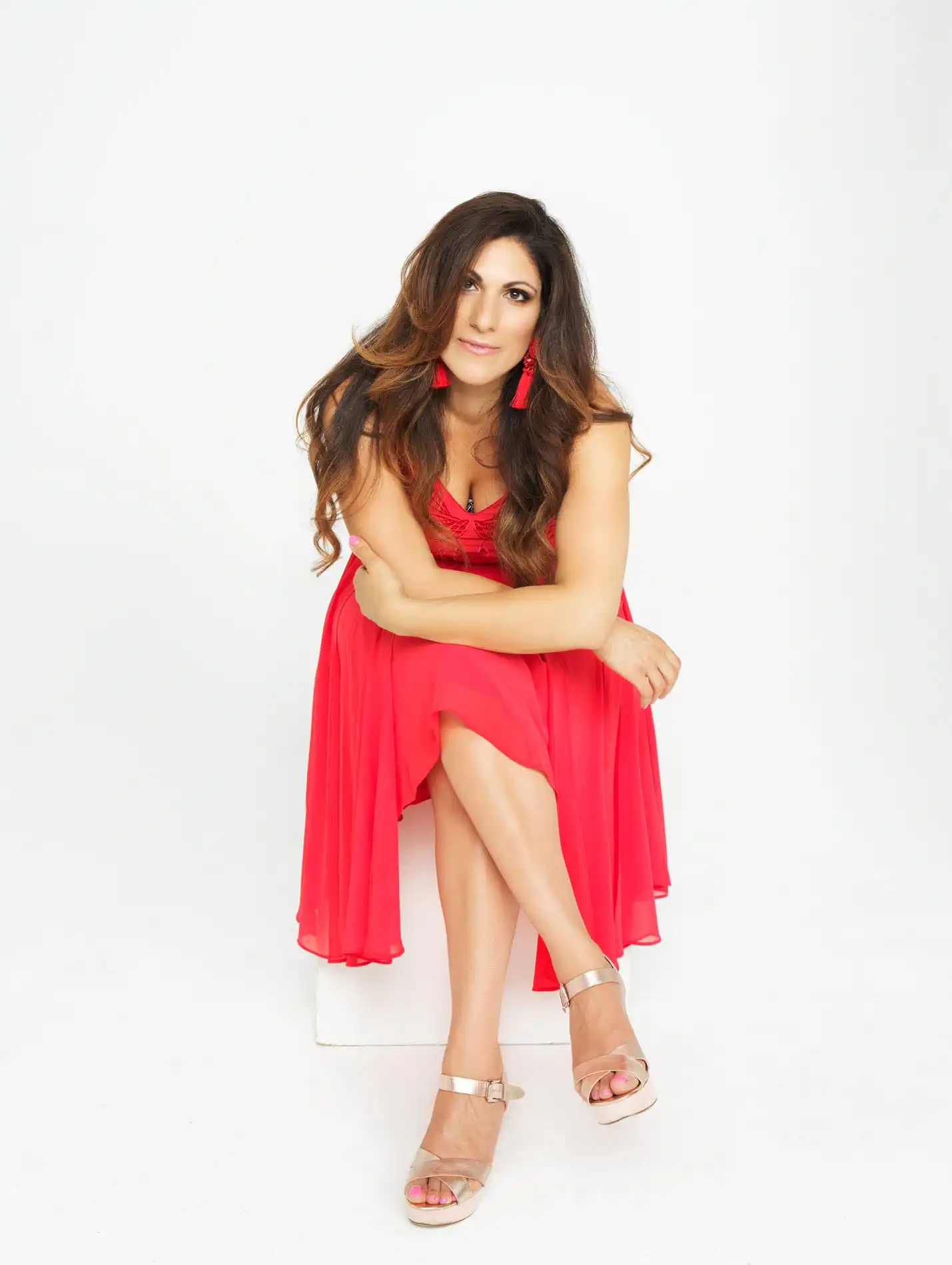
“ I’d pivoted from a successful career as a screenwriter, director and producer working in tv and film to ‘storttelling’ online fulltime, as my former job had proved completely incompatible with motherhood”
Can you tell us a bit about the stories and how you think they’ll resonate with young readers?
The Greek Myths each have a moral behind them, and I include a section at the end of each one titled Moral of the Myth to help children understand and further explore the stories, often making parallels with well-known fairy tales which came after the myths. The ancient Greeks believed 12 powerful gods lived on Mount Olympus, but that they were as flawed and complex as the human mortals they governed over. The myths tell the stories of deities and mortals who made bad decisions, for example, the money-obsessed King Midas who turned his own child to gold before repenting, or the impulsive Icarus who failed to listen to his father and flew too close to the sun.
How did your own experiences as a parent influence the writing process, and did you draw from any specific moments or challenges?
Being a parent means having experienced emotion in its most heightened form: unconditional love, searing pain, rebellious optimism, endless ennui and more. To have access to such a vast range of experiences and emotions enables me to empathise with each character and make them more human. I also think having children and being busy means not having the luxury of procrastination because as soon as the youngest is asleep, I HAVE to write!
How do you prioritise your time and responsibilities as a working mum, and what self-care practices help you stay energised and focused?
I tend to write on the days my 3 year old has childcare (2 days a week) and when she sleeps. My older sons are at school, but they have lots of sports commitments, so after school and weekends are busy. I feel like a taxi driver most of the time. I think the pandemic gave me greater balance in my work/ parenting life as I didn’t have to commute as much as before. I also became stricter when it came to the projects I took on during my pregnancy and beyond. A former therapist once said to me, ‘You are your values,’ so I always remember what matters most to me: family and friends and making work decisions from a place of knowing what I want and need in order to be a happy and present mum first. My identity at one time relied heavily on my career. It doesn’t anymore, it’s an important part of me, but not as vital as my mental and physical health and of course my kids, husband, parents and close pals. I love running and try to do yoga from home as much as possible. I also follow a low-carb diet, which helps me feel my strongest.
And lastly, do you have any tales of ‘BROOD Moments’ where work and parenthood have collided?
My middle son was asked on live TV around the age of 4 (on the BBC) if he was happy I worked from home so he could see me more, and he said, ‘No, she can be quite annoying! ’ Ha! From the mouth of babes!
KEEP UP TO DATE WITH BROOD:
Related Articles
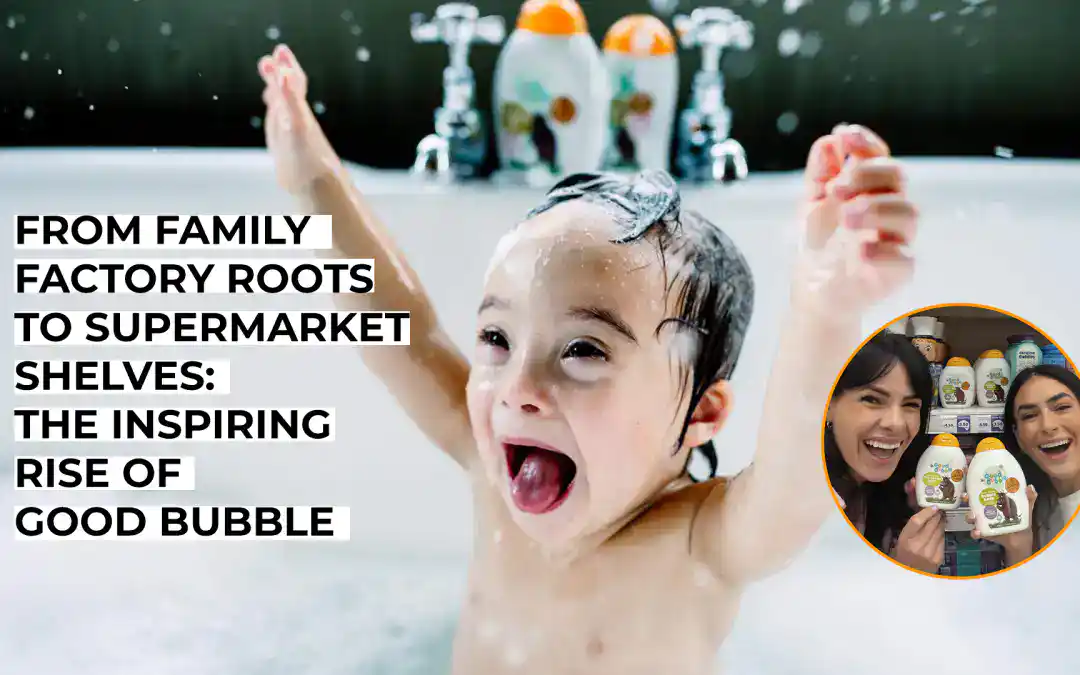
From Family Factory Roots to Supermarket Shelves: The Inspiring Rise of Good Bubble
From a family toiletries business to landing in 268 Sainsbury’s stores nationwide, Manchester sisters Amy Lister and Sally Wordsworth share how resilience, skin-kind ingredients, and the Gruffalo helped Good Bubble reach supermarket shelves.
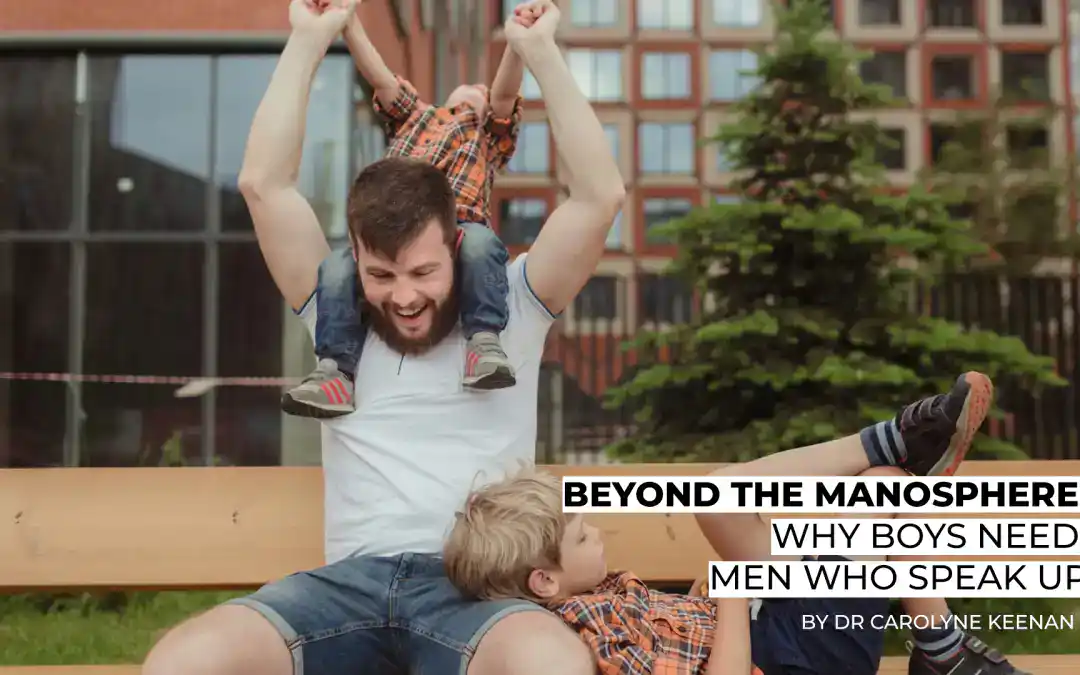
Beyond the Manosphere: Why Boys Need Men Who Speak Up
Dr Carolyne Keenan explores how online manosphere narratives impact young men and explains why positive male role models are essential for shaping a healthy, grounded vision of masculinity
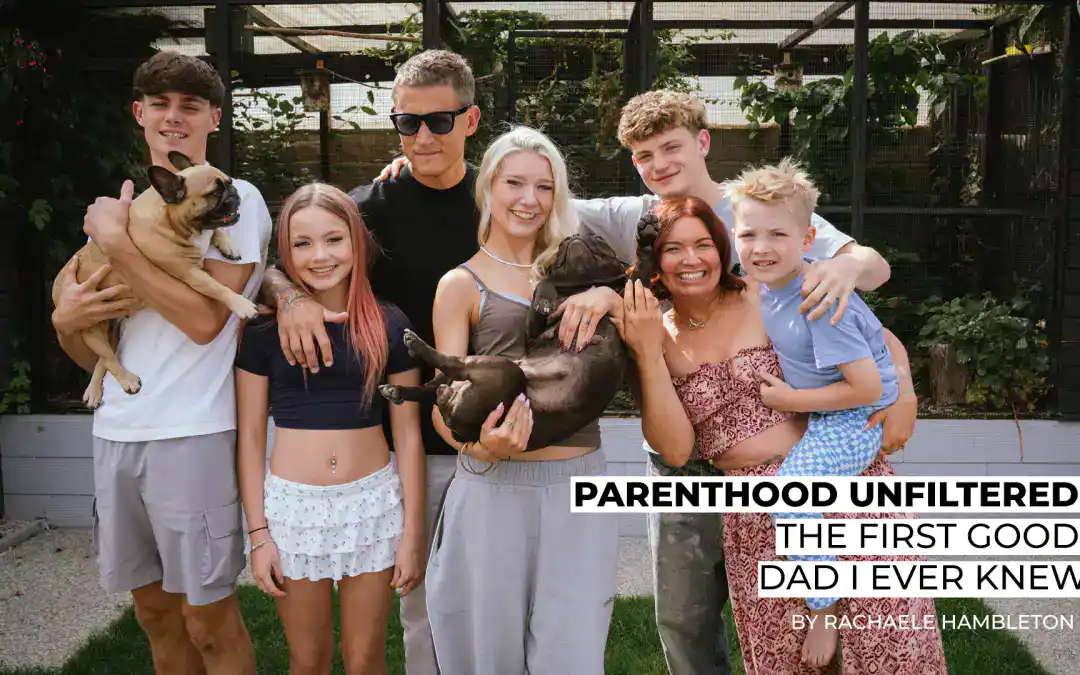
Parenthood Unfiltered: The First Good Dad I Ever Knew
Rachaele Hambleton (Part Time Working Mummy) reflects on growing up without a positive father figure, escaping domestic abuse, and how finding a true partner changed everything for her and her six children. A moving look at presence, healing, and what makes a truly good dad.
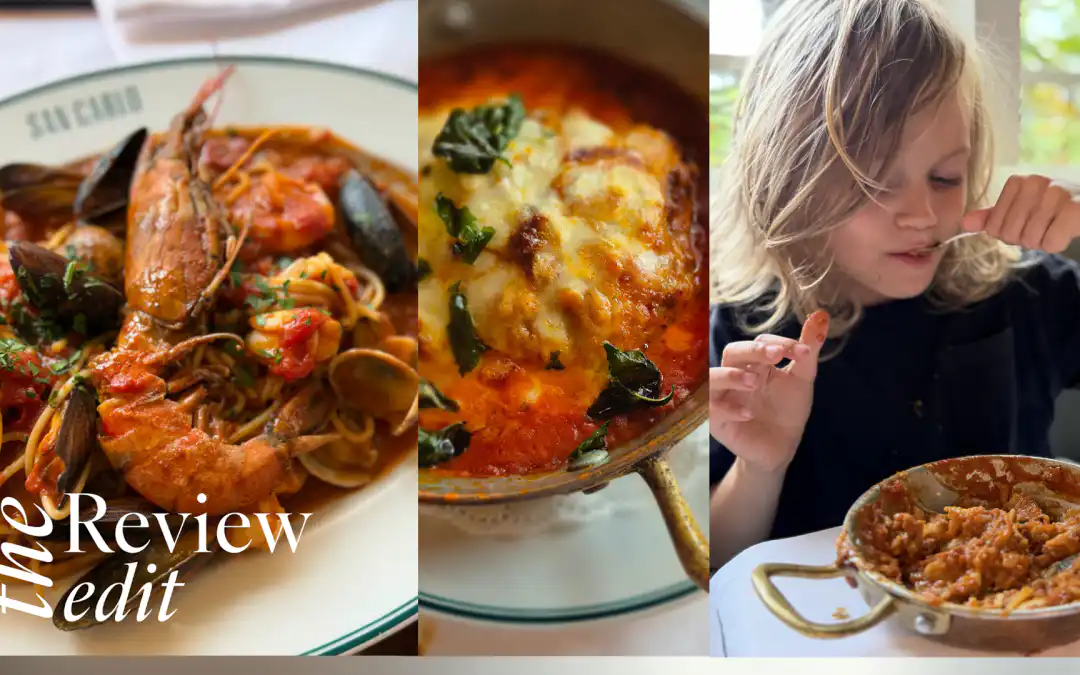
Escape the Chaos & The Family Lunch: Food Review
Escape the chaos of the summer holidays and moving boxes with a true taste of Italy. Join us for a family-friendly review of San Carlo Alderley Edge, featuring their fantastic new kids’ menu, authentic Italian dishes, and a stress-free dining experience for parents and children alike.
Beyond “Daddy Daycare”: What Day-One Rights Mean for Working Dads
From day-one flexible working requests to dismantling outdated “daddy daycare” tropes, the UK workplace landscape is shifting. Discover what the new legislation means for working fathers, co-parenting equality, and your career.
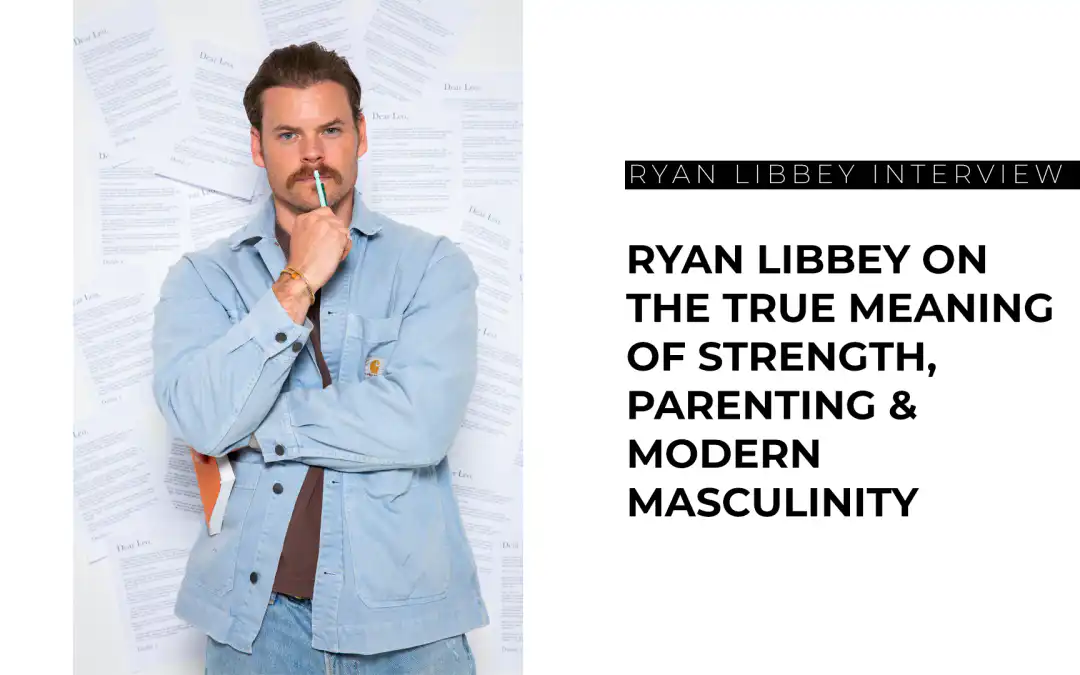
Ryan Libbey on the True Meaning of Strength, Parenting & Modern Masculinity
Fatherhood and a traumatic first year reshaped Ryan Libbey’s understanding of true strength, partnership, and modern masculinity. From navigating primary caregiving and supporting his partner Louise through medical trauma to writing “Letters to Leo” and challenging the noisy toxicity of the “Manosphere,” Ryan shares his honest, vulnerable journey on what it really means to show up as a present dad.
Back to School 2026: The Ultimate Kids’ Essentials & Parent Hacks
Back to School Special Back to School 2026: The Ultimate Kids’ Essentials & Parent Hacks From seamless uniform upgrades to smart tech that keeps kids focused and safe, here is our editorial edit for the new school term. Between sorting uniforms, replacing outgrown...
Why Learning a Language as a Busy Parent Is One of the Best Things You Can Do (And How to Actually Make It Happen)
Travel Why Learning a Language as a Busy Parent Is One of the Best Things You Can Do (And How to Actually Make It Happen) No classroom. No fixed timetable. Just you, a real tutor, and a skill that'll stick around for life. When was the last time you did something...

Ibiza Comes to London: Why the Alto x Cotton Beach Club Collab Belongs on Every Parent’s Night-Off List
Ibiza isn’t on the cards for most of us this summer — but that doesn’t mean you can’t get a taste of it. Alto by San Carlo has partnered with the iconic Cotton Beach Club Ibiza for two exclusive evenings on the rooftop of Selfridges, London. Think sun-soaked Mediterranean food, live DJ sets, Champagne and London’s skyline as your backdrop. Two dates only — and honestly? You deserve this one.
Lisa Johnson: From £30K Debt to Multi-Millionaire – How a Mum of Two Built a Freedom-Focused Business
Discover how Lisa Johnson, award-winning entrepreneur and mum of twins, went from £30,000 in debt to building a multi-million-pound business in just seven years. In this exclusive interview, Lisa shares her journey through adversity, her strategies for scaling with passive income, and her honest advice for parents and entrepreneurs seeking financial freedom, work-life balance, and lasting impact. Keywords: Lisa Johnson, entrepreneur, passive income, business strategy, work-life balance, financial freedom, mumpreneur, online business, success story.
“ I’d pivoted from a successful career as a screenwriter, director and producer working in tv and film to ‘storttelling’ online fulltime, as my former job had proved completely incompatible with motherhood”
Can you tell us a bit about the stories and how you think they’ll resonate with young readers?
The Greek Myths each have a moral behind them, and I include a section at the end of each one titled Moral of the Myth to help children understand and further explore the stories, often making parallels with well-known fairy tales which came after the myths. The ancient Greeks believed 12 powerful gods lived on Mount Olympus, but that they were as flawed and complex as the human mortals they governed over. The myths tell the stories of deities and mortals who made bad decisions, for example, the money-obsessed King Midas who turned his own child to gold before repenting, or the impulsive Icarus who failed to listen to his father and flew too close to the sun.
How did your own experiences as a parent influence the writing process, and did you draw from any specific moments or challenges?
Being a parent means having experienced emotion in its most heightened form: unconditional love, searing pain, rebellious optimism, endless ennui and more. To have access to such a vast range of experiences and emotions enables me to empathise with each character and make them more human. I also think having children and being busy means not having the luxury of procrastination because as soon as the youngest is asleep, I HAVE to write!
How do you prioritise your time and responsibilities as a working mum, and what self-care practices help you stay energised and focused?
I tend to write on the days my 3 year old has childcare (2 days a week) and when she sleeps. My older sons are at school, but they have lots of sports commitments, so after school and weekends are busy. I feel like a taxi driver most of the time. I think the pandemic gave me greater balance in my work/ parenting life as I didn’t have to commute as much as before. I also became stricter when it came to the projects I took on during my pregnancy and beyond. A former therapist once said to me, ‘You are your values,’ so I always remember what matters most to me: family and friends and making work decisions from a place of knowing what I want and need in order to be a happy and present mum first. My identity at one time relied heavily on my career. It doesn’t anymore, it’s an important part of me, but not as vital as my mental and physical health and of course my kids, husband, parents and close pals. I love running and try to do yoga from home as much as possible. I also follow a low-carb diet, which helps me feel my strongest.
And lastly, do you have any tales of ‘BROOD Moments’ where work and parenthood have collided?
My middle son was asked on live TV around the age of 4 (on the BBC) if he was happy I worked from home so he could see me more, and he said, ‘No, she can be quite annoying! ’ Ha! From the mouth of babes!
KEEP UP TO DATE WITH BROOD:
Related Articles
From Family Factory Roots to Supermarket Shelves: The Inspiring Rise of Good Bubble
From a family toiletries business to landing in 268 Sainsbury’s stores nationwide, Manchester sisters Amy Lister and Sally Wordsworth share how resilience, skin-kind ingredients, and the Gruffalo helped Good Bubble reach supermarket shelves.
Beyond the Manosphere: Why Boys Need Men Who Speak Up
Dr Carolyne Keenan explores how online manosphere narratives impact young men and explains why positive male role models are essential for shaping a healthy, grounded vision of masculinity
Parenthood Unfiltered: The First Good Dad I Ever Knew
Rachaele Hambleton (Part Time Working Mummy) reflects on growing up without a positive father figure, escaping domestic abuse, and how finding a true partner changed everything for her and her six children. A moving look at presence, healing, and what makes a truly good dad.
Escape the Chaos & The Family Lunch: Food Review
Escape the chaos of the summer holidays and moving boxes with a true taste of Italy. Join us for a family-friendly review of San Carlo Alderley Edge, featuring their fantastic new kids’ menu, authentic Italian dishes, and a stress-free dining experience for parents and children alike.
Beyond “Daddy Daycare”: What Day-One Rights Mean for Working Dads
From day-one flexible working requests to dismantling outdated “daddy daycare” tropes, the UK workplace landscape is shifting. Discover what the new legislation means for working fathers, co-parenting equality, and your career.
Ryan Libbey on the True Meaning of Strength, Parenting & Modern Masculinity
Fatherhood and a traumatic first year reshaped Ryan Libbey’s understanding of true strength, partnership, and modern masculinity. From navigating primary caregiving and supporting his partner Louise through medical trauma to writing “Letters to Leo” and challenging the noisy toxicity of the “Manosphere,” Ryan shares his honest, vulnerable journey on what it really means to show up as a present dad.
Back to School 2026: The Ultimate Kids’ Essentials & Parent Hacks
Back to School Special Back to School 2026: The Ultimate Kids’ Essentials & Parent Hacks From seamless uniform upgrades to smart tech that keeps kids focused and safe, here is our editorial edit for the new school term. Between sorting uniforms, replacing outgrown...
Why Learning a Language as a Busy Parent Is One of the Best Things You Can Do (And How to Actually Make It Happen)
Travel Why Learning a Language as a Busy Parent Is One of the Best Things You Can Do (And How to Actually Make It Happen) No classroom. No fixed timetable. Just you, a real tutor, and a skill that'll stick around for life. When was the last time you did something...
Ibiza Comes to London: Why the Alto x Cotton Beach Club Collab Belongs on Every Parent’s Night-Off List
Ibiza isn’t on the cards for most of us this summer — but that doesn’t mean you can’t get a taste of it. Alto by San Carlo has partnered with the iconic Cotton Beach Club Ibiza for two exclusive evenings on the rooftop of Selfridges, London. Think sun-soaked Mediterranean food, live DJ sets, Champagne and London’s skyline as your backdrop. Two dates only — and honestly? You deserve this one.
Lisa Johnson: From £30K Debt to Multi-Millionaire – How a Mum of Two Built a Freedom-Focused Business
Discover how Lisa Johnson, award-winning entrepreneur and mum of twins, went from £30,000 in debt to building a multi-million-pound business in just seven years. In this exclusive interview, Lisa shares her journey through adversity, her strategies for scaling with passive income, and her honest advice for parents and entrepreneurs seeking financial freedom, work-life balance, and lasting impact. Keywords: Lisa Johnson, entrepreneur, passive income, business strategy, work-life balance, financial freedom, mumpreneur, online business, success story.