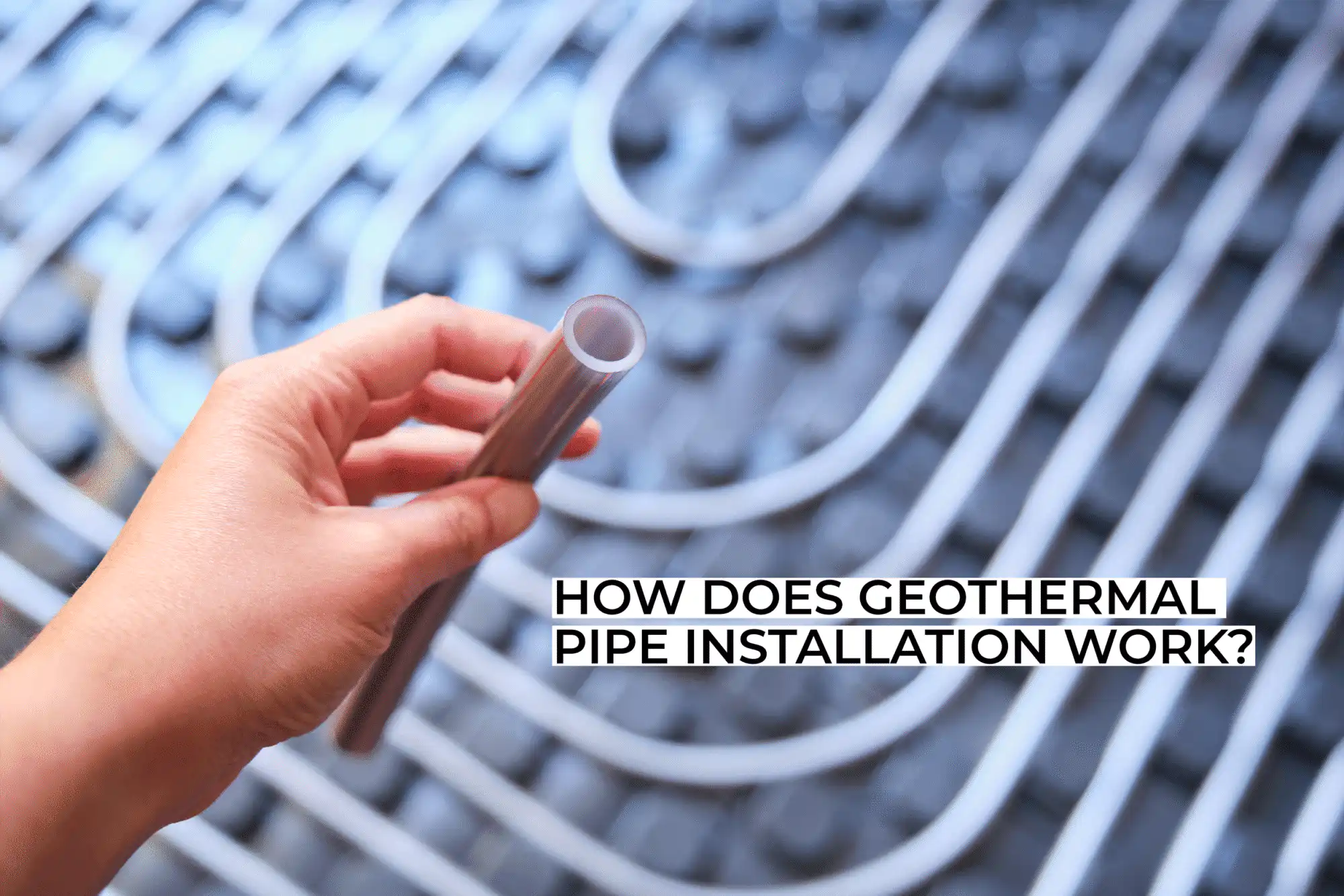
How does geothermal pipe installation work?
Over the past few years, heat pumps have shot up in popularity. Especially in the context of rising natural gas prices, they’re becoming increasingly attractive for a lot of home and business owners, thanks to their impressive efficiency and stable comparative costs.
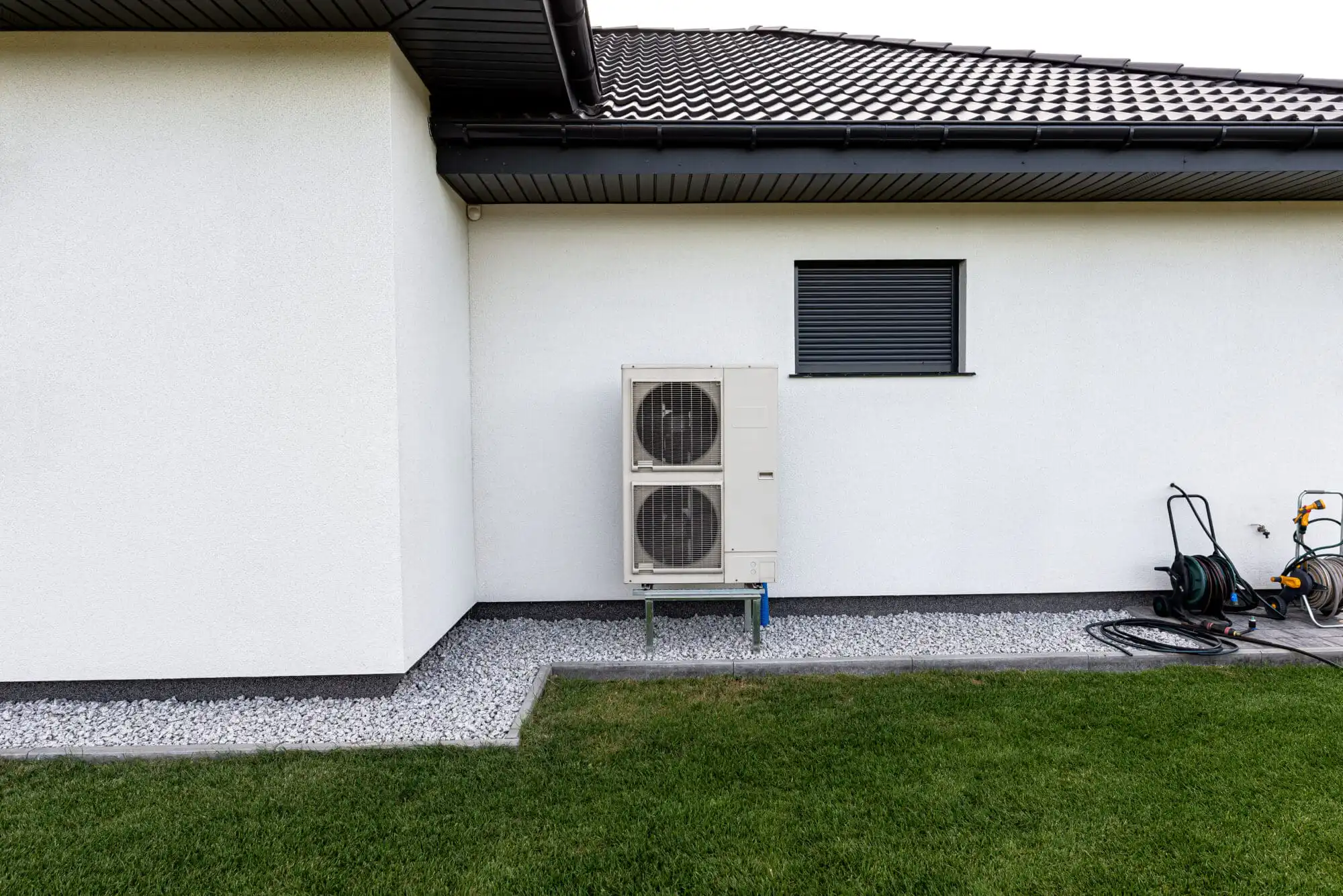
That being said, a lot of people are keen to know a little more about how these systems work, and rightly so. Here, we take a look at how geothermal pipes, a central component of ground source heat pumps, are installed, to give you a better insight into how your installation might go.
What is a geothermal pipe?
Heat pumps might seem magic, but they’re not – they ‘simply’ take heat from the surrounding environment, and channel it into your home. Ground source heat pumps, in particular, take that energy from the earth below, and there are two different ways that this energy is transferred.
Horizontal pipes
Horizontal geothermal pipes, as you might expect, lie horizontally to the surface of the ground. To install them, you dig a trench of around 4-6 feet in depth. Then, two pipes are buried – one at around 6 feet depth, the other at 4 feet depth.
These two pipes are then connected to the heating/cooling system, so that liquid can be put through them. These kinds of approaches are more common for domestic applications, where not a lot of pipe is required for heating purposes.

Vertical pipes
With vertical installations, instead of being laid horizontally, the pipes will be laid vertically. To do this, deep holes will be bored by a service like Teckna Group in the ground, between 100 – 400 feet deep, into which the pipe can then be threaded.
These kinds of approaches are more common for larger, commercial buildings, where the area of land required to heat or cool the premises in question would be too much, and drilling boreholes becomes more efficient.
How is the energy transferred?
Once the water/anti-freeze mixture has been circulated through the pipes, it will arrive at a heat exchange that has been installed on the premises in question. Here, the water/anti-freeze is used to slightly heat a heat transfer fluid (called refrigerant) in a separate, sealed part of the heat exchange so that it begins to boil and turns into a gas.
The gas is put into a compressor, and as the pressure is increased by the compressor, the gas gets hotter. That gas then goes into another heat exchanger called a condenser, which is essentially the same as the first one.
The condenser heats up water, which can then be used for heating purposes and for mains water use. Now that the gas has transferred its energy, it turns into a liquid again and restarts the cycle.
Ground source heat pumps are a bit confusing, but this should have hopefully cleared things up a bit – at least in terms of how the pipe is laid underground. If you’re not sure which method to use, speak with an installation expert, and they’ll be able to suggest the one that’s best suited to your needs.



Children’s Online Privacy: 75% of Parents Fear Kids Aren’t Making Safe Choices Online
New research from the ICO shows 75% of parents worry their children aren’t making safe choices online, yet many rarely talk about online privacy at home. A new campaign is now encouraging families to treat digital privacy as an essential life skill, just like road safety or stranger danger.
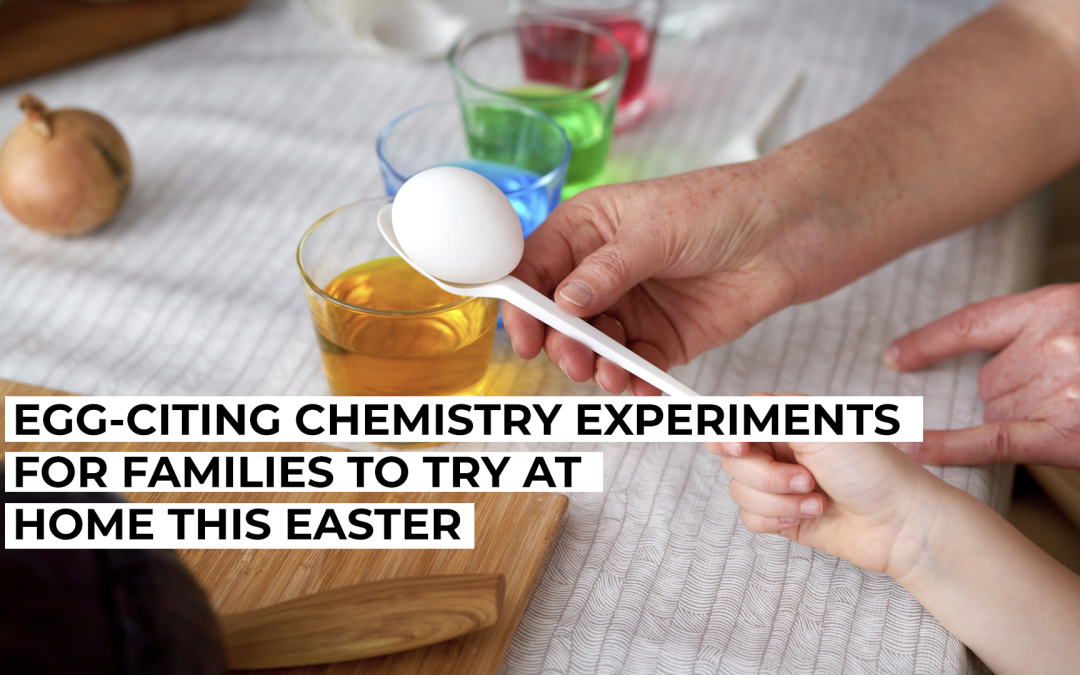
5 Easter Chemistry Experiments for Families to Try at Home
Looking for fun and educational ways to keep the kids entertained this Easter? The Royal Society of Chemistry has shared five easy chemistry experiments families can try at home, using everyday household items to explore colour, reactions and science through hands-on play.

Auntie Cath Cooks: Chilled Honey Chicken Poke Bowl & A Hot Soy Beef Poke Bowl
In this edition of Auntie Cath Cooks, Catherine Tyldesley shares two fresh, flavour-packed recipes perfect for busy family life — a chilled honey chicken poke bowl and a hot soy beef poke bowl. Simple, satisfying and full of goodness, they’re ideal for an easy lunch or midweek dinner.

Märchenhotel Braunwald Review: A Fairytale Family Hotel in Switzerland
A stay at Märchenhotel Braunwald feels like stepping into a fairytale, with snowy mountain views, family-friendly touches, and plenty to keep little ones entertained. In this BROOD travel review, Lolo Stubbs shares why this Swiss hotel is a magical choice for a relaxing family escape.

How to make your own Easter Egg
How to make an Easter Egg using a balloon and some chocolate, by renowned chocolatier Oli Dunn

The Stress Hangover Working Mothers Rarely Name
Working mothers often carry an invisible mental and emotional load long after the day appears to be done. In this powerful piece, Sarie Taylor explores the “stress hangover” — the exhaustion, anxiety and overwhelm that can surface once the crisis has passed — and offers a compassionate reframe for why it happens and what it really means.

How the Clocks Going Forward Affects Baby and Toddler Sleep
The clocks have gone forward, the evenings are lighter, and for many parents that means one thing — sleep routines suddenly feel harder. In this expert column, Amanda shares why the seasonal light change can affect babies and toddlers, plus practical tips to help your child settle well, sleep longer, and wake less.
Women of the Year Awards 2026: Nominations Open for Inspirational Mums and Women Across the UK
The Women of the Year Awards are back for 2026, with nominations now open to celebrate exceptional women making an impact across the UK. From business and leadership to community and motherhood, this is a timely reminder to recognise the women whose work deserves to be seen.

Endometriosis: The Invisible Load so many women are carrying
Endometriosis isn’t “just a bad period”. It’s a chronic condition where tissue similar to the lining of the womb grows in places it shouldn’t (often around the pelvis, but it can show up elsewhere too)
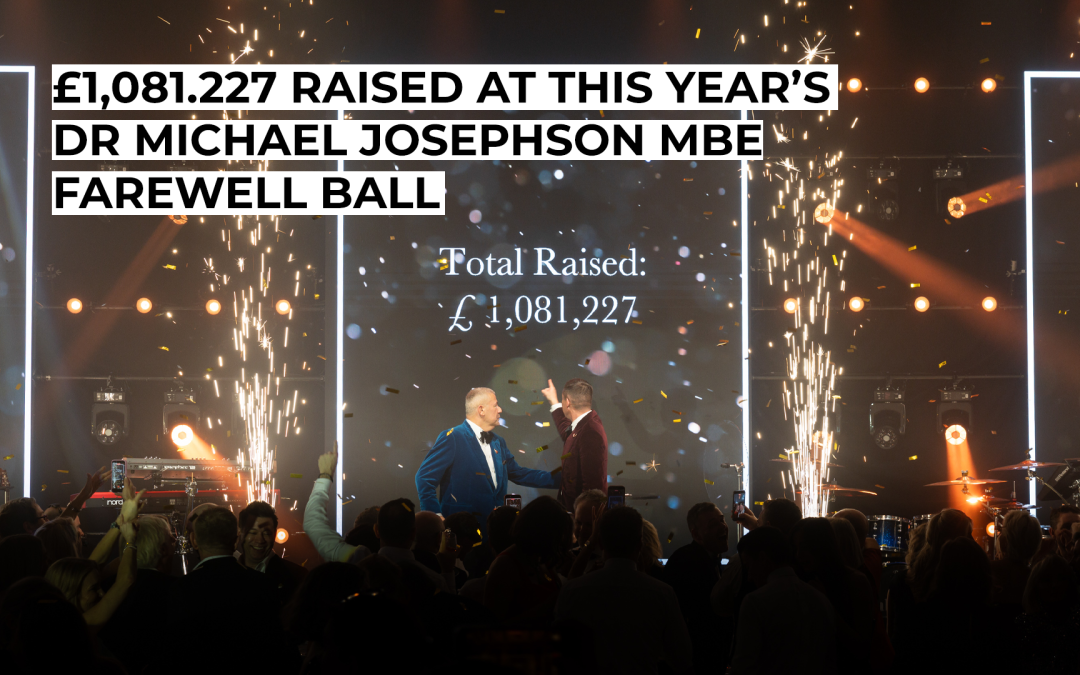
£1,081.227 raised at this year’s Dr Michael Josephson MBE Farewell Ball
The Manchester Deansgate Hotel was transformed last night for a dazzling celebration of philanthropy and performance, as friends, supporters, and celebrity guests gathered at the Dr Michael Josephson MBE Farewell Ball raising £1,081.227 for children’s charities across the North-West.