5 Easter Chemistry Experiments for Families to Try at Home
5 Easter Chemistry Experiments for Families to Try at Home
As the Easter school holidays get underway, the Royal Society of Chemistry (RSC) has released five egg-citing chemistry experiments for families to try at home, allowing them to discover the science hidden in everyday life through fun and colourful activities.
Using common household items, children can explore everything from chemical reactions to colour separation and material changes through a series of Easter-themed experiments, designed to spark a love of science in curious young minds.
Ross Christodoulou, Education Coordinator at the Royal Society of Chemistry, said: “Easter is the perfect time to let curiosity hatch. These simple experiments turn everyday ingredients into little bursts of chemistry fun: from swirling colours to sparkling crystals. You don’t need a lab coat to explore science with your family; just a sense of play and a willingness to get a bit messy!”
The simple, family-friendly activities reveal the science behind colour, materials and reactions. Whether it’s swirling milk, growing glittering crystals or uncovering hidden messages, each experiment offers children a chance to explore chemistry through curiosity and play – no laboratory required.
The RSC’s top five chemistry experiments to try at home this Easter are:
1. Make art from milk: discover the science behind colour by using chemistry to create dramatic, colourful swirls in milk
You will need:
- A shallow dish
- Whole milk
- Food colouring
- Washing-up liquid
- Cotton buds
Instructions:
- Pour enough milk into the dish to cover the bottom.
- Add a few drops of different food colourings around the milk.
- Dip a cotton bud into washing-up liquid.
- Touch the surface of the milk with the soapy bud and watch the colours swirl.
- Try again in different spots to create new patterns.
The chemistry:
Milk contains proteins and fat droplets suspended in water. Soap molecules attach to fats and disrupt their structure. As the soap spreads through the milk, it pushes the surrounding liquid, including the food colouring, causing the dramatic swirling motion. This visualises surfactant-fat interactions happening on a molecular level.
2. Make your eggs shine: learn about natural mineral formation by growing your own ‘crystal eggs’
You will need:
- Clean, empty eggshell halves or small jars
- Table salt or Epsom salts
- Warm water
- A spoon
- Food colouring (optional)
Instructions:
- Fill a cup with warm water.
- Add salt, one spoonful at a time, stirring continuously until no more dissolves — this is a saturated solution.
- Add a drop of food colouring if you want coloured crystals.
- Pour the solution into the eggshell halves or jars.
- Leave undisturbed for 12–48 hours.
- Watch as sparkling crystals form on the inside surfaces.
The chemistry:
Warm water can dissolve more salt than cold water. As the solution cools and gradually evaporates, it becomes too concentrated to hold all the dissolved salt. The excess salt molecules begin to bond together in repeating geometric patterns — forming crystals. This is similar to natural mineral formation in caves and rocks.
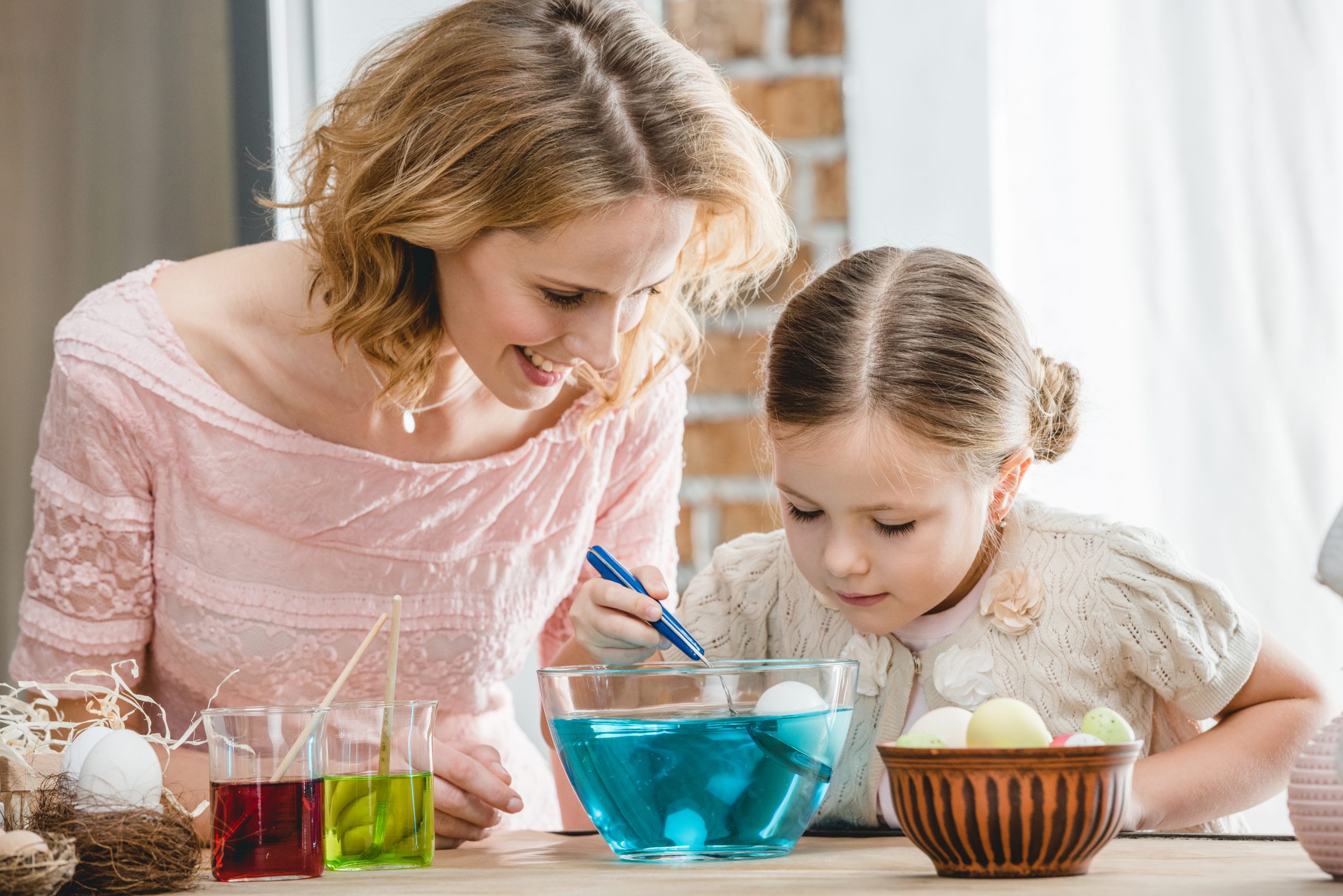
3. Leave hidden messages on eggs for your family to crack: inspire curiosity about acidic reactions by dyeing eggs
You will need:
- Hard-boiled eggs
- Lemon juice
- Cotton buds or a fine paintbrush
- Food colouring or natural dyes
- A cup of warm water
Instructions:
- Dip a cotton bud into lemon juice.
- Write or draw on the eggshell with the lemon juice.
- Allow the egg to dry completely.
- Prepare a cup of dye (food colouring in warm water).
- Submerge the egg for a few minutes.
- Lift it out to reveal your hidden design, which will appear lighter than the surrounding shell.
The chemistry:
Eggshells are made largely of calcium carbonate. Lemon juice contains citric acid, which gently reacts with and etches the shell. When the egg is dyed, the etched areas absorb less pigment. This difference reveals the pattern. It’s a mild demonstration of an acid–carbonate reaction: the same type of chemistry that creates fizzing when acids meet bicarbonate of soda.

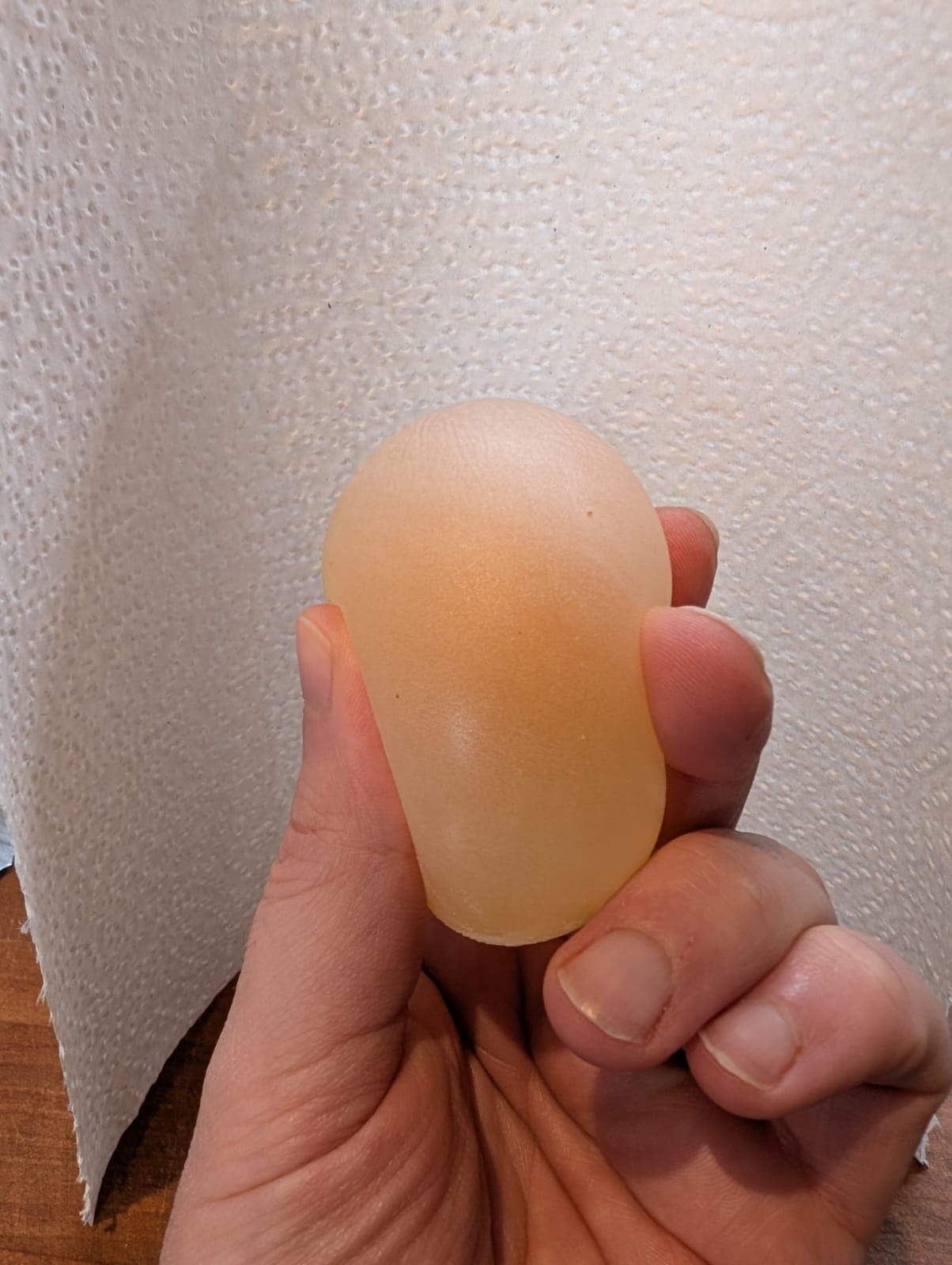
4. Hatch a ‘rubber egg’: see osmosis in action by making a bouncy, stretchy egg
You will need:
- A raw egg
- A glass or jar
- Vinegar
Instructions:
- Place the raw egg carefully into the glass.
- Cover it completely with vinegar.
- Leave for 24–48 hours.
- Observe bubbles forming on the shell.
- After a day or two, gently rinse the egg under water. The shell should have dissolved, leaving a bouncy, stretchy egg.
The chemistry:
Vinegar contains acetic acid, which reacts with calcium carbonate in the eggshell to produce carbon dioxide gas (visible as bubbles). This dissolves the shell entirely. The inner membrane remains intact. It is semi-permeable, allowing water to move into the egg, often causing it to swell — a demonstration of osmosis.
5. Watch your mini eggs leave a colourful trail: separate mixtures using chromatography, a common method used in real labs every day
You will need:
- Mini eggs, smarties or similar coloured sweets
- Filter paper, coffee filters or kitchen roll
- A plate or tray
- Water
- Small bowls or lids
Instructions:
- Cut a strip of filter paper or coffee filter.
- Place the bottom edge of the paper into a shallow pool of water (use a lid or small dish).
- Place a sweet so that its shell just touches the damp paper.
- As the water climbs the paper, it dissolves the dye from the sweet and carries it upward.
- Watch as the colours separate into different bands.
The chemistry:
This is chromatography – a method used in real laboratories to separate mixtures. Water travels up the paper by capillary action. Food colourings all have different molecular properties. Some move more easily with water, others stick more to the paper fibres. As the water moves, these differences cause colours to spread out and separate, revealing the individual dyes that made the original coating.
Safety Notes:
- Adult supervision recommended for all activities.
- Avoid eating materials after they’ve been mixed or used in experiments.
- Eggs used in the rubber-egg experiment are not edible.
- Protect surfaces and clothing from dyes and spills.
- Dispose of eggs and solutions responsibly.
For more information about the RSC, please visit: www.rsc.org


KEEP UP TO DATE WITH BROOD:
Related Articles

Auntie Cath Cooks: Chilled Honey Chicken Poke Bowl & A Hot Soy Beef Poke Bowl
In this edition of Auntie Cath Cooks, Catherine Tyldesley shares two fresh, flavour-packed recipes perfect for busy family life — a chilled honey chicken poke bowl and a hot soy beef poke bowl. Simple, satisfying and full of goodness, they’re ideal for an easy lunch or midweek dinner.

Märchenhotel Braunwald Review: A Fairytale Family Hotel in Switzerland
A stay at Märchenhotel Braunwald feels like stepping into a fairytale, with snowy mountain views, family-friendly touches, and plenty to keep little ones entertained. In this BROOD travel review, Lolo Stubbs shares why this Swiss hotel is a magical choice for a relaxing family escape.

How to make your own Easter Egg
How to make an Easter Egg using a balloon and some chocolate, by renowned chocolatier Oli Dunn
The Stress Hangover Working Mothers Rarely Name
Working mothers often carry an invisible mental and emotional load long after the day appears to be done. In this powerful piece, Sarie Taylor explores the “stress hangover” — the exhaustion, anxiety and overwhelm that can surface once the crisis has passed — and offers a compassionate reframe for why it happens and what it really means.
How the Clocks Going Forward Affects Baby and Toddler Sleep
The clocks have gone forward, the evenings are lighter, and for many parents that means one thing — sleep routines suddenly feel harder. In this expert column, Amanda shares why the seasonal light change can affect babies and toddlers, plus practical tips to help your child settle well, sleep longer, and wake less.
Women of the Year Awards 2026: Nominations Open for Inspirational Mums and Women Across the UK
The Women of the Year Awards are back for 2026, with nominations now open to celebrate exceptional women making an impact across the UK. From business and leadership to community and motherhood, this is a timely reminder to recognise the women whose work deserves to be seen.
Endometriosis: The Invisible Load so many women are carrying
Endometriosis isn’t “just a bad period”. It’s a chronic condition where tissue similar to the lining of the womb grows in places it shouldn’t (often around the pelvis, but it can show up elsewhere too)

£1,081.227 raised at this year’s Dr Michael Josephson MBE Farewell Ball
The Manchester Deansgate Hotel was transformed last night for a dazzling celebration of philanthropy and performance, as friends, supporters, and celebrity guests gathered at the Dr Michael Josephson MBE Farewell Ball raising £1,081.227 for children’s charities across the North-West.
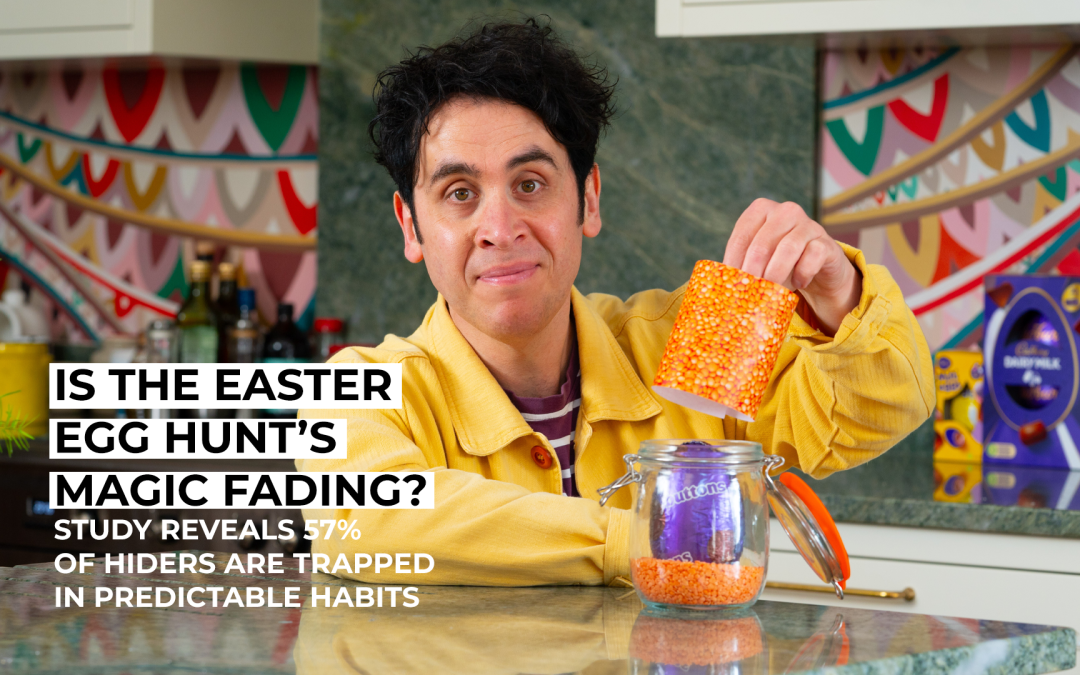
IS THE EASTER EGG HUNT’S MAGIC FADING? STUDY REVEALS 57% OF HIDERS ARE TRAPPED IN PREDICTABLE HABITS
For generations, the Easter egg hunt has been a cherished family ritual. However, new research suggests that for many, the magic is starting to fade as predictable hiding habits lead to hunts that are over in minutes.
The March Reset: A Realistic “New Season” Routine for Working Parents
March always sounds like a fresh start. Lighter evenings. A hint of spring. That little voice saying, “Right, this is the month I get my life together.”
But if you’re a working parent, you already know how that usually goes.