Styling Unique Engagement Rings: Shapes, Textures, and Sculptural Designs
Let’s be honest for a second: the traditional, one-size-fits-all approach to jewellery is having a bit of a mid-life crisis. For decades, the standard script for a proposal involved a very specific look: a round, sparkling stone sitting on a very thin, very shiny gold band. And while that is perfectly lovely, it is not exactly a story, is it? We are seeing a massive shift towards pieces that actually say something about the person wearing them. If you have been looking at engagement rings lately, you will know that the landscape has changed quite a bit. It is no longer just about the size of the rock in the middle; it is about the architecture of the metal, the way a textured surface catches the light, and how the whole thing feels against your skin on a boring Tuesday morning.
When you move away from the classic solitaire, you are moving into the world of sculptural design and “human” textures. These rings don’t just sit there looking pretty; they have a bit of attitude. But I know what you might be thinking: if I pick something that looks like a piece of modern art, how on earth am I supposed to wear it with my actual clothes? The good news is that unique rings are actually much easier to style than the rigid classics, mostly because they don’t demand a certain level of formality. They are built for real life.
When the Traditional Script Just Doesn’t Fit
There is a certain type of person who looks at a standard jewellery shop window and feels absolutely nothing. It isn’t that they don’t appreciate beauty; it is just that they don’t see themselves in those perfect, symmetrical rows of diamonds. If your style is a bit more curated, perhaps a bit more artistic or minimalist, a traditional ring can feel like a costume piece.
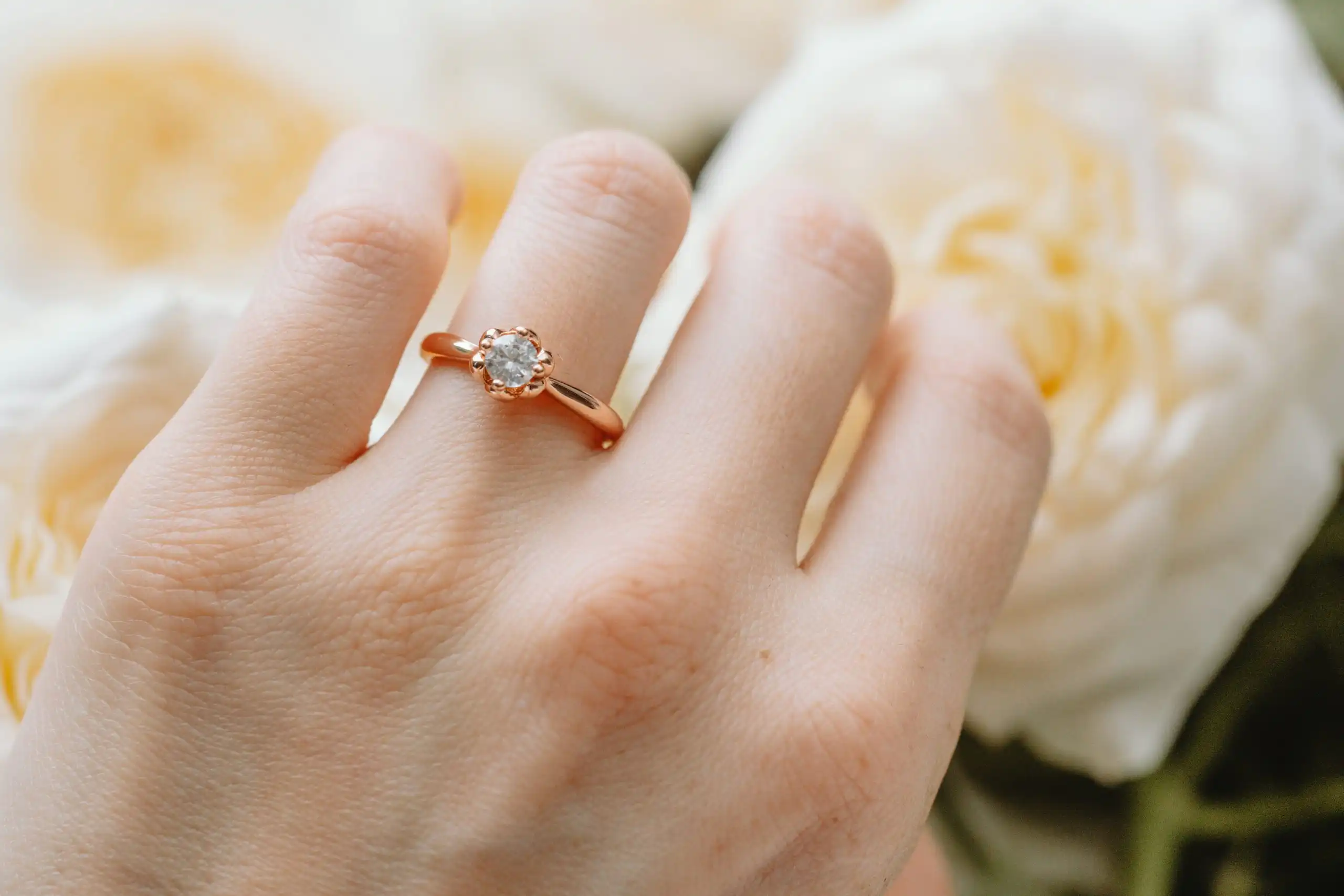
Choosing a sculptural or textured ring is a bit like choosing a signature scent. It’s personal, it’s distinctive, and it’s meant to be lived in. These rings often feature organic lines that look like they were found in nature rather than polished in a factory. They might have a “hammered” finish that shows the mark of the maker, or a geometric shape that feels more like an architect’s sketch than a bridal accessory. The trick to styling these pieces is to stop treating them like “wedding jewellery” and start treating them like your favourite part of your daily uniform.
Architecture for Your Hand
Sculptural rings are essentially tiny pieces of architecture for your finger. They play with space, height, and shadows. Some might wrap around your finger in a way that feels like it’s floating, while others might have sharp, clean edges that feel very modern and urban.
When you are wearing a ring with a lot of “movement” or an unusual shape, you have to think about the balance of your hand. If the ring is a real statement piece, you might want to give it some room to breathe. Some people find that a sculptural ring looks best when it’s the only thing on that hand, allowing the negative space to highlight its silhouette. If you are wearing a ring with a very organic, flowing shape, it often looks brilliant when paired with softer fabrics: think heavy knits, silk slips, or linen shirts. The contrast between the solid metal and the soft texture of your clothes makes the design pop.
Learning to Love the Rough Edges
Texture is the unsung hero of modern jewellery. We have been conditioned to think that “high polish” is the only way to go, but there is so much more to see. A hammered texture has a rhythmic, tactile quality that feels incredibly grounded. It doesn’t scream for attention; it whispers.
Then you have matte or brushed finishes, which have a sophisticated, almost industrial feel. These are fantastic for people who lead active lives because they don’t show every little scratch and scuff the way a mirror-finish band does. In fact, textured rings often look better the more you wear them, developing a “patina” of your own life. When you’re styling these, try mixing them with your other daily jewellery. A matte engagement ring sitting next to a high-polish silver bangle creates a beautiful, intentional contrast. It shows that you aren’t trying too hard to be “matchy-matchy,” which is always a more confident look.
How to Pile it On Without Overdoing It
The “stacking” trend isn’t going anywhere, but it can be a bit tricky when your main ring is already quite a character. If your engagement ring has an unusual shape or a textured surface, you don’t necessarily want to bury it under five other bands.
The key to a successful stack with a unique ring is to look for “complementary” pieces rather than “competing” ones. If your ring is sculptural and curved, look for thin, minimalist bands that follow those same lines. You can even find “nesting” rings that are designed to fit into the nooks and crannies of a more complex design.
Mixing metals is also a great way to lean into the unique vibe. A silver sculptural ring looks incredible when sandwiched between two thin gold bands. It breaks up the monotony and makes the whole set feel more like a curated collection you’ve gathered over time. The goal is to make the stack feel like it has a rhythm, rather than just being a pile of random metal.
The Jumper Test and Other Practical Realities
We have to talk about the “jumper test.” If you have a ring with lots of sharp geometric points or high-set sculptural details, it is eventually going to meet its match in a chunky wool sweater. We have all been there: you go to pull on your favourite knit and suddenly you’re stuck, tethered to your own clothing.
When you’re choosing or styling a unique ring, think about your lifestyle. If you spend your days in a lab, a garden, or a workshop, you might gravitate towards lower-profile sculptural designs. These are pieces where the “art” is built into the band itself rather than sitting on top of it. They look just as interesting but won’t catch on every door frame or rucksack strap. Styling for real life means acknowledging that your ring needs to be your companion, not a nuisance you have to worry about every five minutes.
Finding Your Own Frequency
At the end of the day, the only real “rule” for styling a unique engagement ring is that it has to feel right to you. Jewellery is one of the few things we wear every single day, and it should be a reflection of your own frequency, not a trend you saw on a screen.
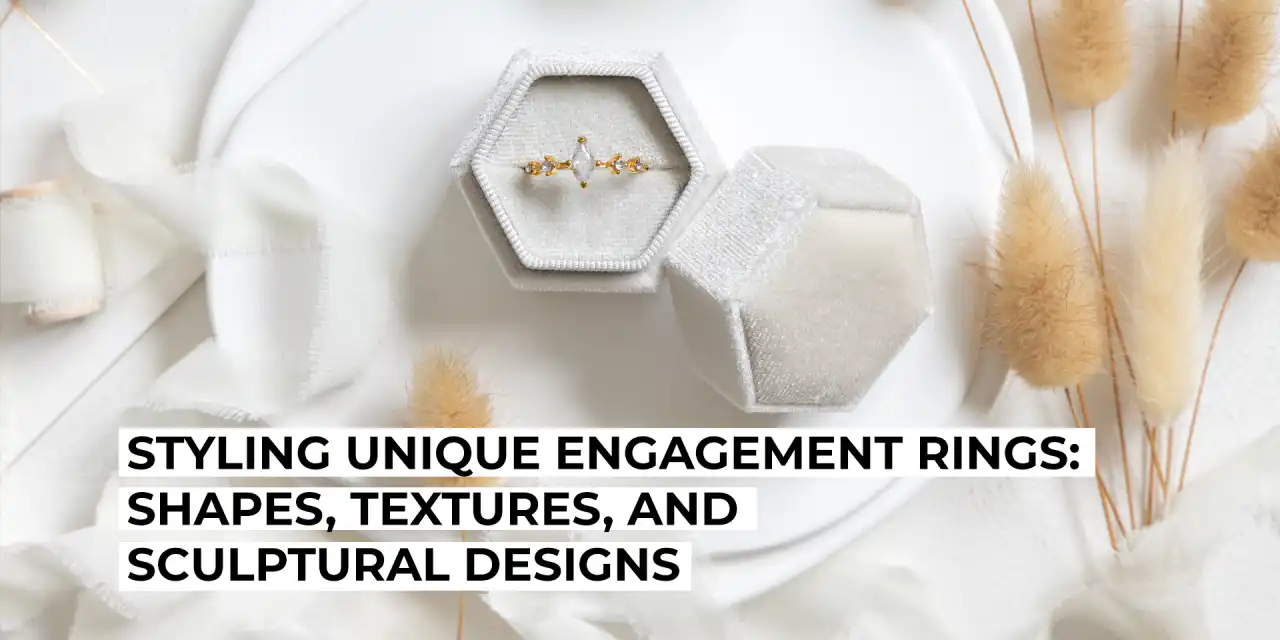
Whether you choose a ring that looks like a piece of forged iron, a geometric hexagon, or a flowing, liquid-metal band, the most important thing is that it makes you feel like yourself. Don’t be afraid to experiment. Try wearing it on different fingers, mix it with vintage pieces, or let it stand alone against a simple outfit. The more you wear it, the more you will figure out how it fits into your world. A unique ring isn’t just a symbol of a promise; it’s a celebration of the fact that you aren’t like everyone else. And that is a story worth wearing.


Children’s Online Privacy: 75% of Parents Fear Kids Aren’t Making Safe Choices Online
New research from the ICO shows 75% of parents worry their children aren’t making safe choices online, yet many rarely talk about online privacy at home. A new campaign is now encouraging families to treat digital privacy as an essential life skill, just like road safety or stranger danger.
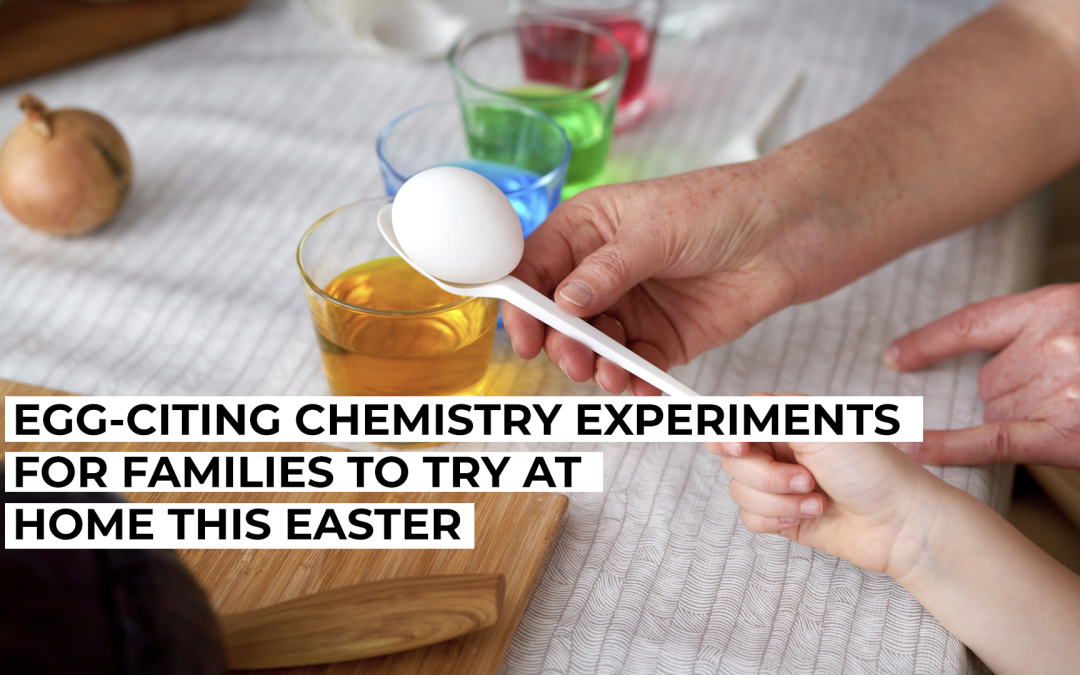
5 Easter Chemistry Experiments for Families to Try at Home
Looking for fun and educational ways to keep the kids entertained this Easter? The Royal Society of Chemistry has shared five easy chemistry experiments families can try at home, using everyday household items to explore colour, reactions and science through hands-on play.
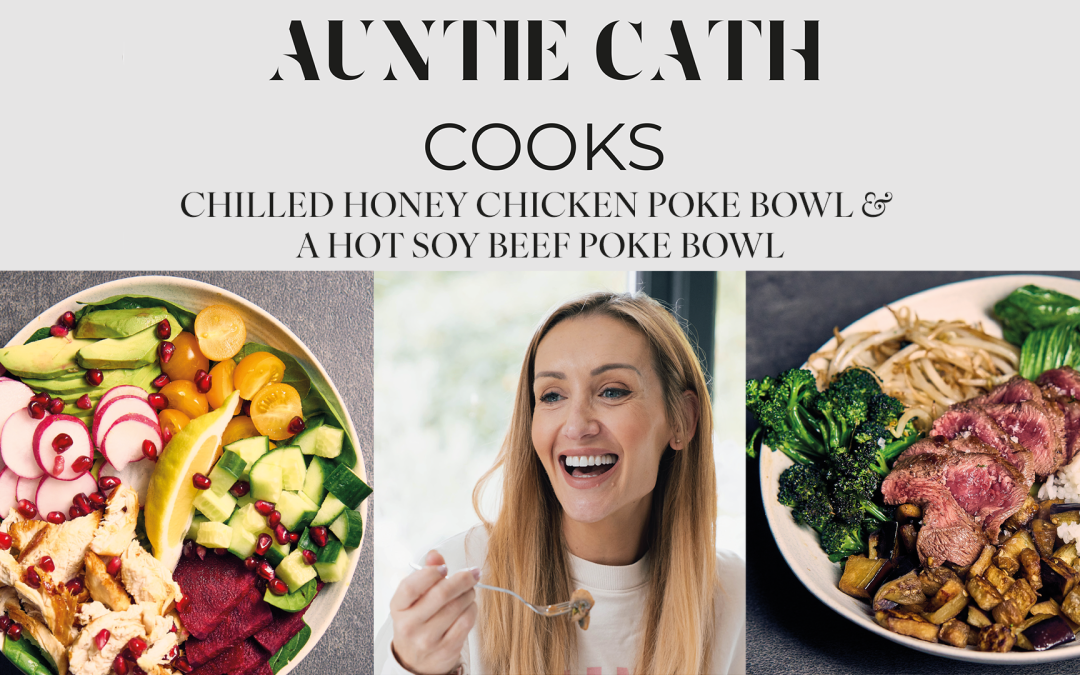
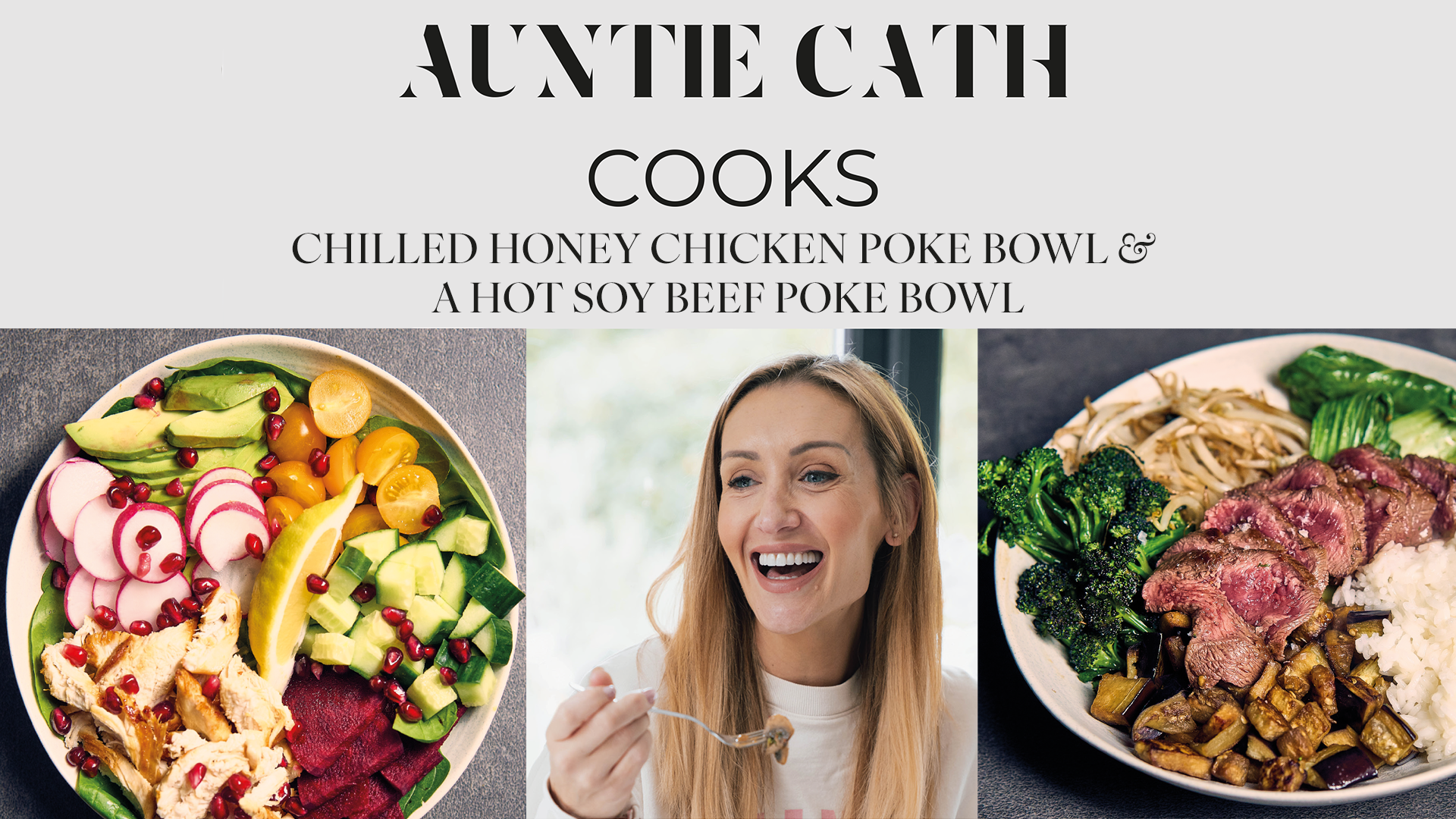
Auntie Cath Cooks: Chilled Honey Chicken Poke Bowl & A Hot Soy Beef Poke Bowl
In this edition of Auntie Cath Cooks, Catherine Tyldesley shares two fresh, flavour-packed recipes perfect for busy family life — a chilled honey chicken poke bowl and a hot soy beef poke bowl. Simple, satisfying and full of goodness, they’re ideal for an easy lunch or midweek dinner.

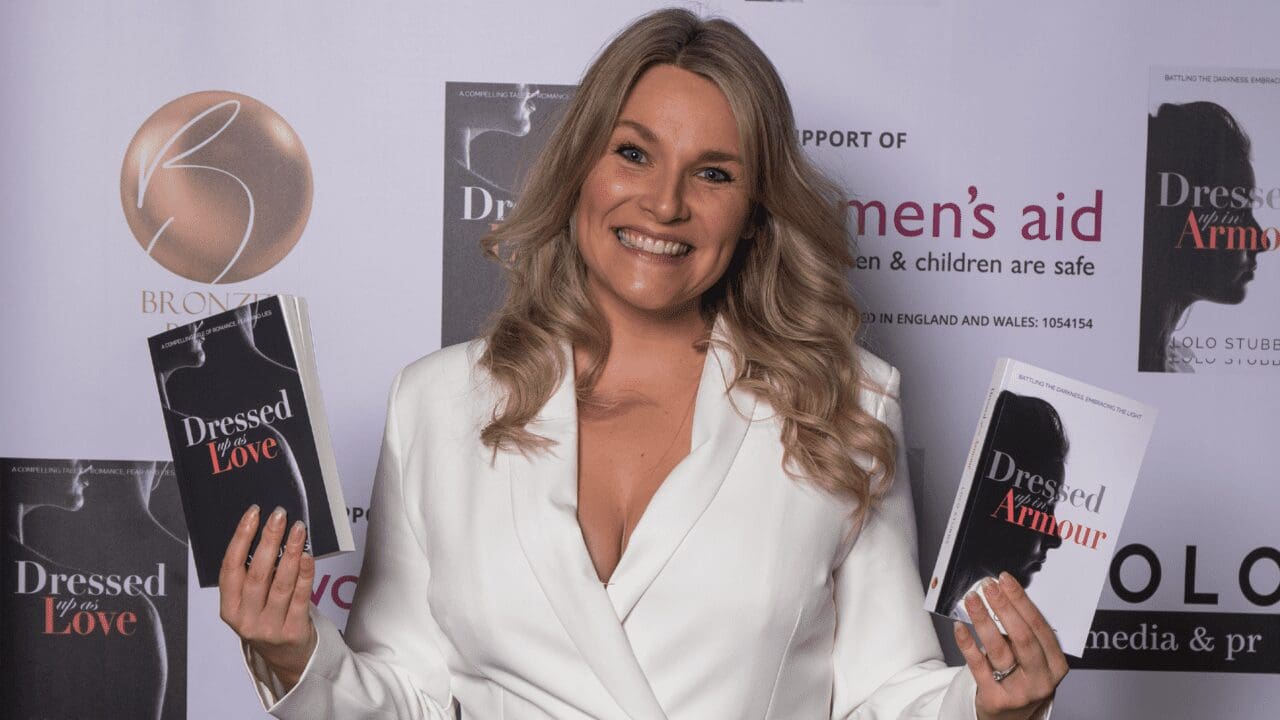
Märchenhotel Braunwald Review: A Fairytale Family Hotel in Switzerland
A stay at Märchenhotel Braunwald feels like stepping into a fairytale, with snowy mountain views, family-friendly touches, and plenty to keep little ones entertained. In this BROOD travel review, Lolo Stubbs shares why this Swiss hotel is a magical choice for a relaxing family escape.

How to make your own Easter Egg
How to make an Easter Egg using a balloon and some chocolate, by renowned chocolatier Oli Dunn

The Stress Hangover Working Mothers Rarely Name
Working mothers often carry an invisible mental and emotional load long after the day appears to be done. In this powerful piece, Sarie Taylor explores the “stress hangover” — the exhaustion, anxiety and overwhelm that can surface once the crisis has passed — and offers a compassionate reframe for why it happens and what it really means.
How the Clocks Going Forward Affects Baby and Toddler Sleep
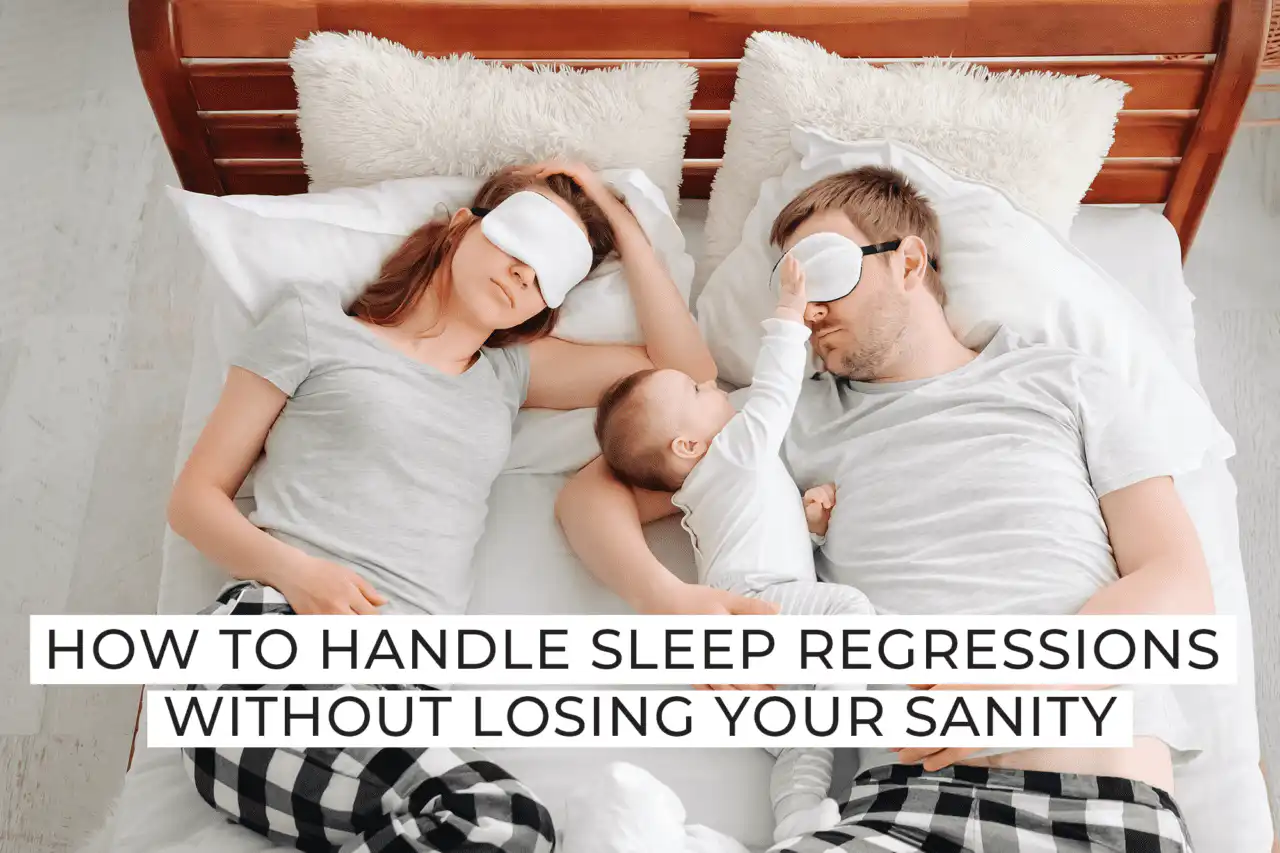
The clocks have gone forward, the evenings are lighter, and for many parents that means one thing — sleep routines suddenly feel harder. In this expert column, Amanda shares why the seasonal light change can affect babies and toddlers, plus practical tips to help your child settle well, sleep longer, and wake less.
Women of the Year Awards 2026: Nominations Open for Inspirational Mums and Women Across the UK
The Women of the Year Awards are back for 2026, with nominations now open to celebrate exceptional women making an impact across the UK. From business and leadership to community and motherhood, this is a timely reminder to recognise the women whose work deserves to be seen.
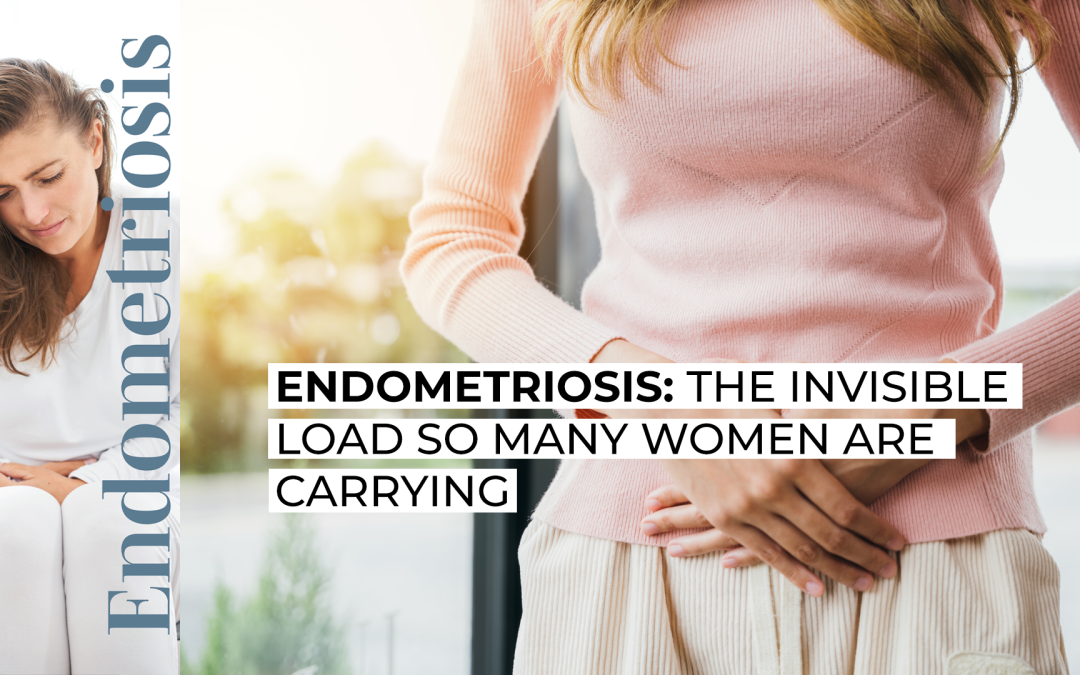
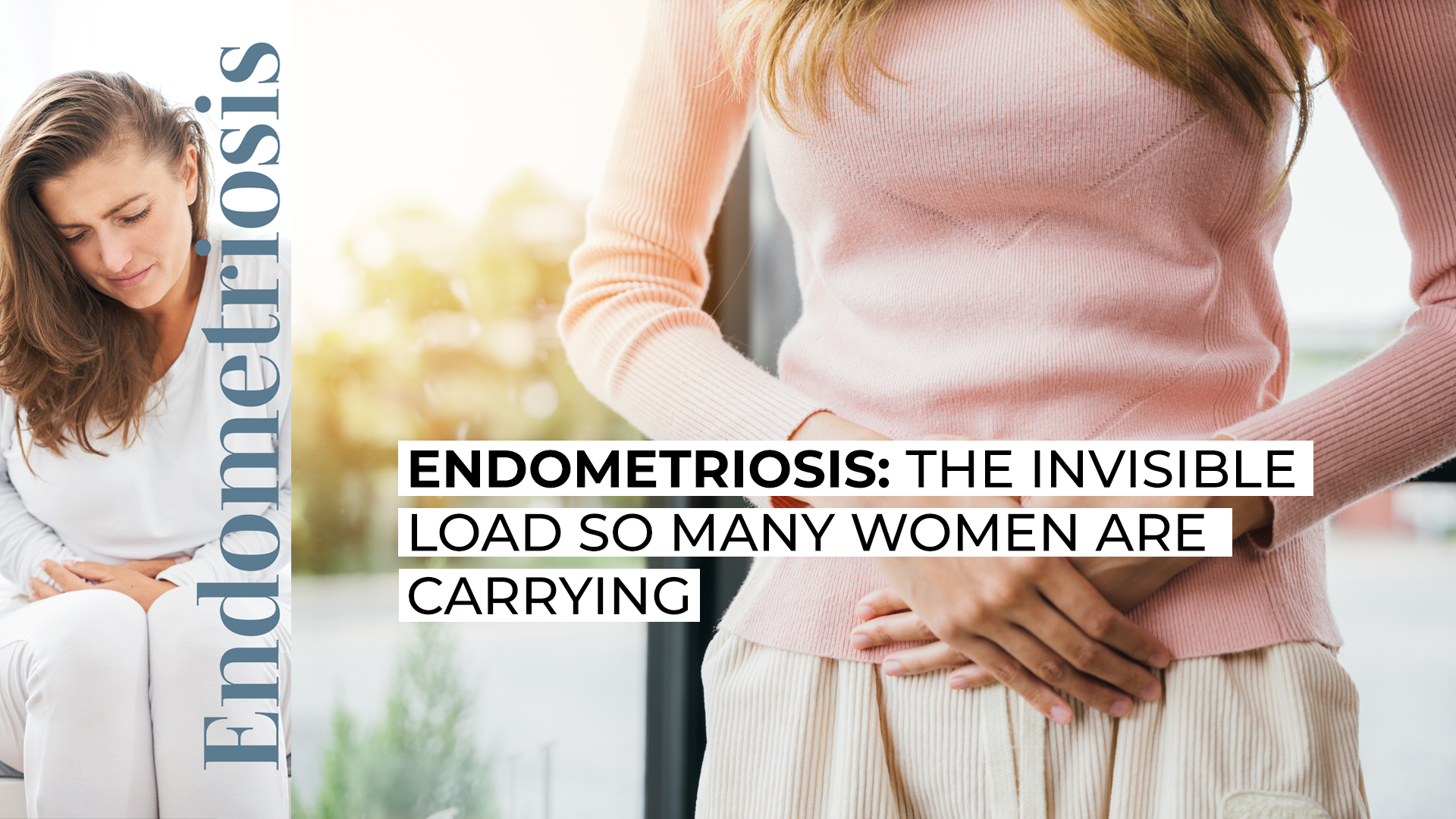
Endometriosis: The Invisible Load so many women are carrying
Endometriosis isn’t “just a bad period”. It’s a chronic condition where tissue similar to the lining of the womb grows in places it shouldn’t (often around the pelvis, but it can show up elsewhere too)
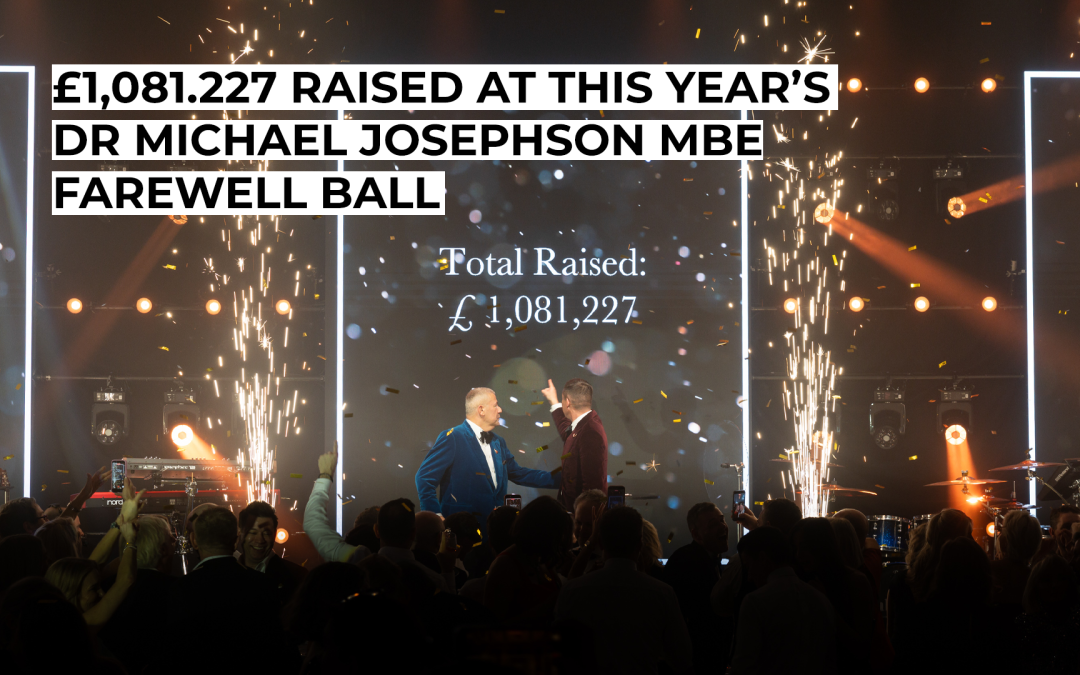
£1,081.227 raised at this year’s Dr Michael Josephson MBE Farewell Ball
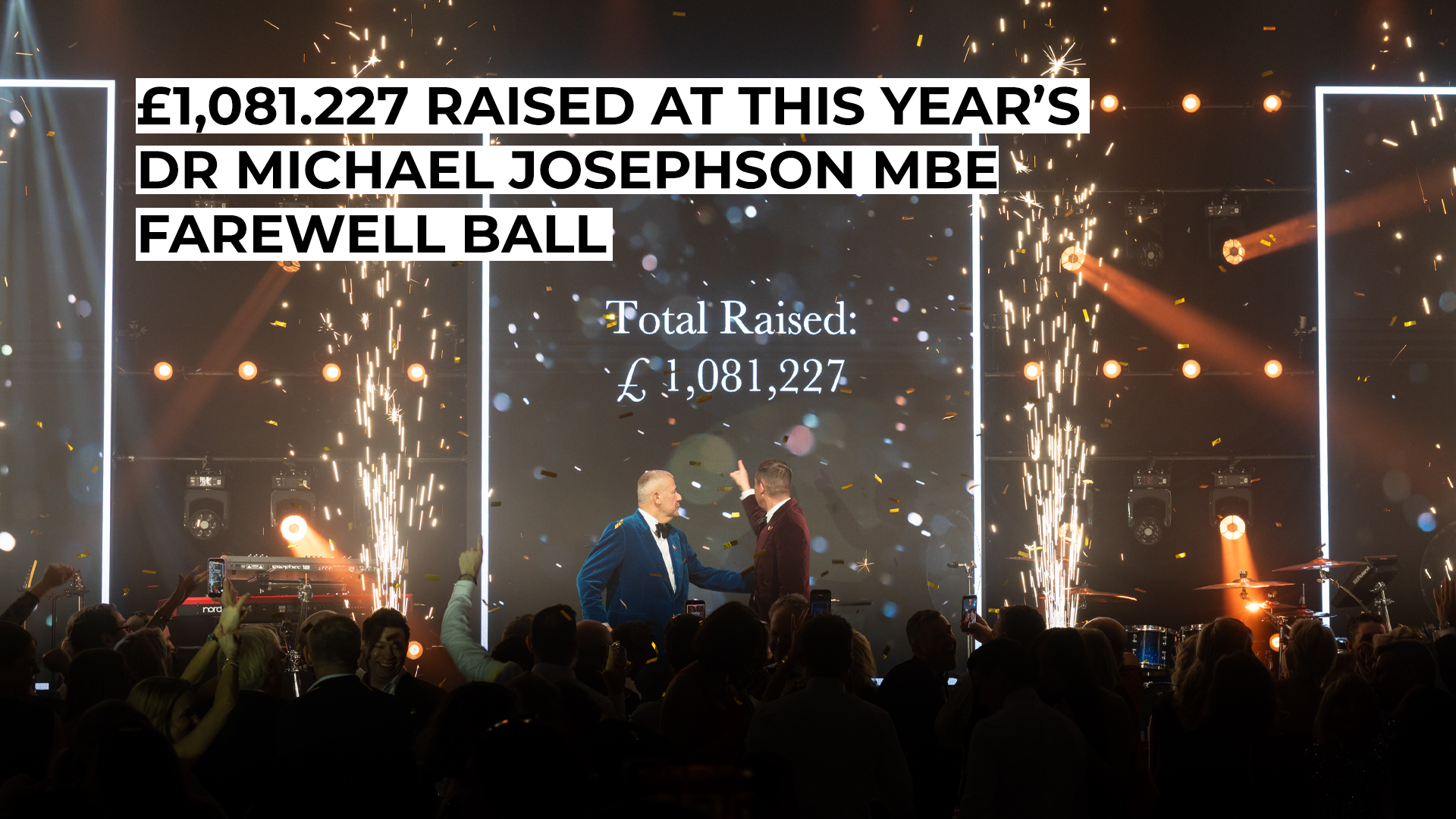
The Manchester Deansgate Hotel was transformed last night for a dazzling celebration of philanthropy and performance, as friends, supporters, and celebrity guests gathered at the Dr Michael Josephson MBE Farewell Ball raising £1,081.227 for children’s charities across the North-West.