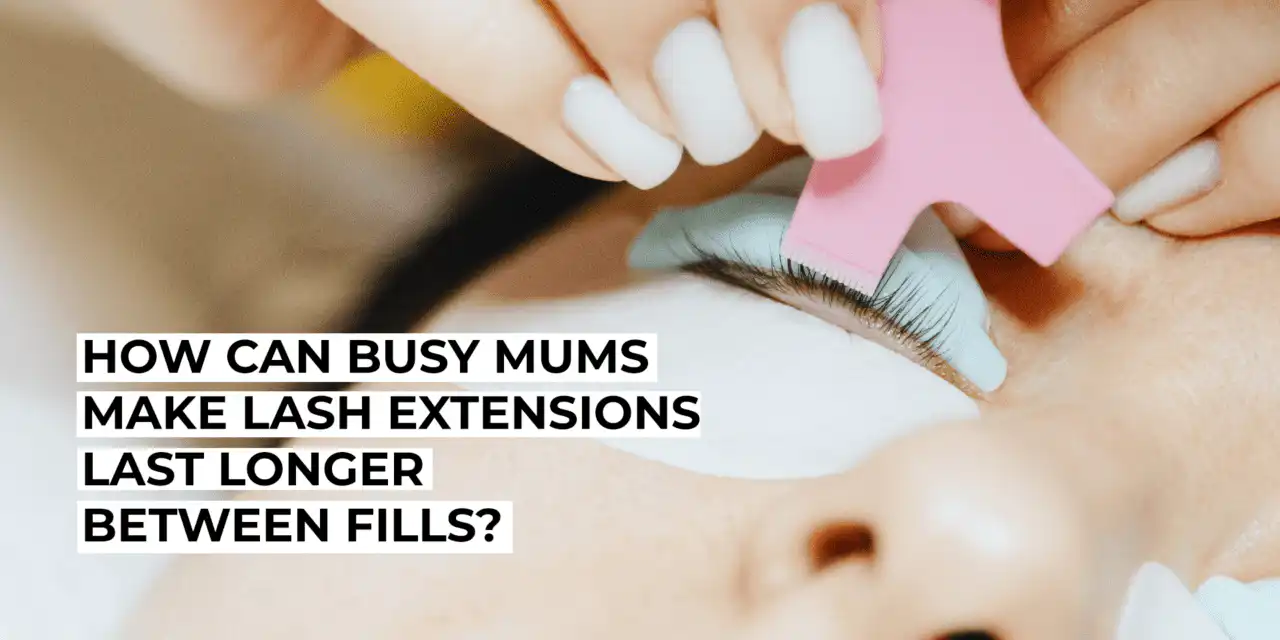
How Can Busy Mums Make Lash Extensions Last Longer Between Fills?
Lash extensions can give you a full, dramatic look, but they require regular fills to stay that way. Most people visit their lash artist every two to three weeks to replace the extensions that have shed with their natural lashes. However, the right aftercare and daily habits can help you stretch the time between appointments and keep your lashes fuller for longer.
You can make lash extensions last longer by keeping them clean, avoiding oil-based products near your eyes, and handling them gently every day. Simple changes to your routine can protect the adhesive bond and prevent early shedding. Your natural lash growth cycle plays a role, but how you care for your extensions matters just as much.
This guide covers the core strategies you need to know, plus advanced tips that go beyond basic aftercare. You will learn which products to avoid, how to adjust your sleep habits, and what to do after workouts or swimming. With the right approach, you can enjoy beautiful lashes without constant trips back to the salon.
Strategies to Make Lash Extensions Last Longer
The key to longer-lasting lash extensions lies in daily maintenance and smart product choices. Proper care routines protect the adhesive bond while keeping your natural lashes healthy.
Daily Brushing for Lash Retention
Brushing your lash extensions every morning prevents tangling and keeps them looking fresh. While you sleep, your lashes shift positions and can stick together or flip to the side.
Use a clean spoolie brush or mascara wand for this task. Start at the base of your lashes and gently brush upward and outward. Never brush from tip to base because this direction puts stress on the adhesive bond.
Daily brushing also helps you spot lashes that need attention. You can identify extensions that sit at odd angles or have begun to lift. This awareness helps you avoid activities that might snag loose extensions. For instance, gorgeous natural lashes at Lilac St. respond better to consistent brushing because it evenly distributes natural oils. This distribution keeps both your natural lashes and extensions conditioned without creating buildup at the adhesive bond.
Mastering Lash Extension Aftercare
The first 24 to 48 hours after application determine how well your extensions bond. During this time, you need to keep your lashes completely dry. Water, steam, and humidity can weaken the adhesive before it fully sets.
Avoid touching or rubbing your lashes during the curing period. Your hands carry oils that break down adhesive bonds. If you experience itchiness near the lash line, resist the urge to scratch.
After the initial curing period, you should avoid sleeping face-down on your pillow. This position crushes your lashes and causes them to bend or fall out. Side sleepers benefit from silk pillowcases because they create less friction than cotton.
Heat and steam continue to affect lash extension adhesive even after the initial curing period. Saunas, hot yoga classes, and direct shower streams can shorten retention time. When you shower, point your face away from the water stream.
Achieving Clean Lash Extensions: Proper Cleansing Methods
Many people believe that washing lash extensions makes them fall out faster. The opposite is true. Daily cleansing removes oils, dirt, and makeup residue that actually weaken the adhesive.
You need an oil-free and alcohol-free cleanser made for lash extensions. Regular face cleansers contain ingredients that dissolve the adhesive bond. Apply the cleanser with a soft brush or clean fingertips. Gently work the cleanser along your lash line without rubbing or tugging.
Rinse thoroughly with lukewarm water until all cleanser disappears. Pat your lashes dry with a clean towel or let them air dry. Never rub them with a towel.
Clean lashes maintain their appearance between fills. Buildup from makeup, skincare products, and natural oils makes extensions look clumpy and feel uncomfortable. This buildup also prevents new adhesive from bonding properly during fill appointments.
Selecting Lash Extension-Friendly Products
Product choice affects how long your extensions last. Oil-based makeup removers, cleansers, and moisturizers dissolve lash adhesive within days. Check the ingredient lists on all products you use near your eyes.
Waterproof mascara poses a particular problem. The formulas require oil-based removers to break down. If you must wear mascara, choose a water-based version designed for lash extensions and apply it only to the tips.
Your skincare routine needs adjustment too. Apply moisturizers, serums, and eye creams carefully to avoid contact with your lash line. Even small amounts of product can migrate to the adhesive bonds.
Some lash professionals recommend sealants that protect the adhesive from moisture and oils. These products act like a protective coating. Apply sealant two to three times per week if your technician suggests it. The extra layer helps extensions withstand daily exposure to environmental factors that normally break down adhesive.
Advanced Habits and Routine Adjustments for Maximizing Lash Longevity
Better retention comes from more than basic care. You need to book refills on time, protect your lashes with the right products, cut out habits that break down adhesive, and adjust how you sleep.

Scheduling Regular Lash Refill Appointments
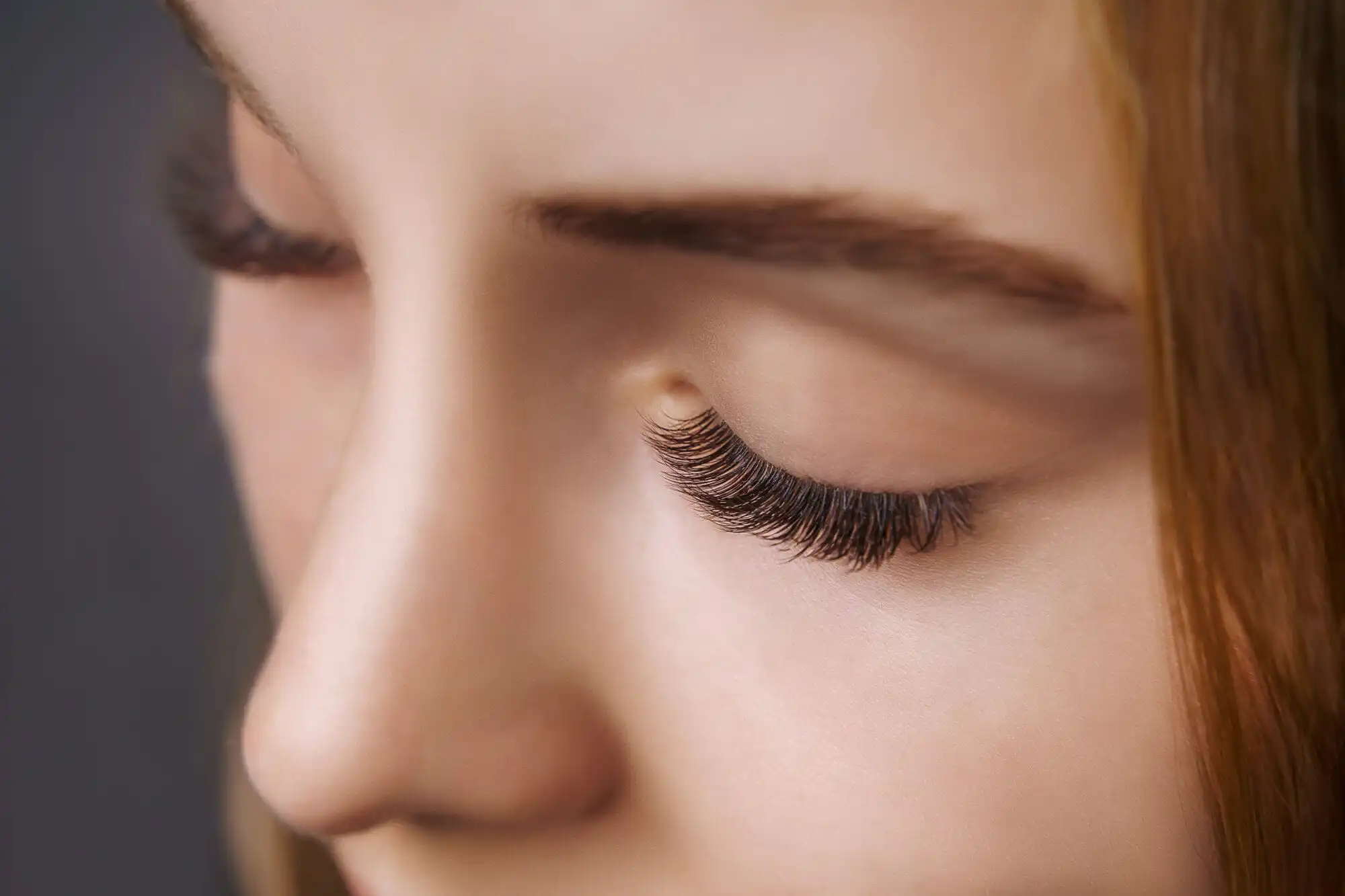
Your natural lash shedding cycle runs for 6 to 8 weeks. Each extension falls out with the natural lash it’s attached to. Most people lose a few natural lashes each day, which is why your set looks thinner after two or three weeks.
You should book lash refill appointments every 2 to 3 weeks. This schedule keeps your set balanced and full between old lashes that shed and new ones that grow in. If you wait too long between refills, you’ll have gaps that make the set look patchy.
Consistent lash fills also cost less than waiting until most extensions have fallen out. A fill takes less time and uses fewer extensions than a full replacement set. You also protect your lash health because your artist can spot issues early, like loose fans or build-up on the lash line.
Using Protective Lash Sealants and Serums
A protective lash sealant adds a thin barrier over the adhesive bond. This barrier helps block sweat, oil, and makeup from breaking down the glue. Some lash sealants also add shine and help fans stay soft.
You can apply lash sealant after the first 24 hours, once the adhesive fully cures. Use a clean spoolie or micro-brush to coat the base of your extensions lightly. Most people apply sealant once a day or every other day. However, check with your lash artist first to make sure the sealant won’t react with the specific adhesive they use.
Lash serum is different from sealant. A lash serum feeds your natural lashes with vitamins and peptides to support growth and strength. Stronger natural lashes hold extensions better and recover faster after each lash shedding cycle. Choose an oil-free formula made for extensions, and apply it at night to the base of your lash line.
Avoiding Harmful Products and Habits
Oil-based products dissolve cyanoacrylate adhesive. You must avoid oil-based cleansers, heavy eye creams, and coconut oil near your lash line. Use an oil-free makeup remover or micellar water on your lids instead.
Skip waterproof mascara completely. The formulas require too much effort to remove, and you’ll end up tugging on your extensions. In addition, alcohol-based products can dry out the adhesive and make it brittle over time. Read labels before you buy toners or cleansers for your face.
Products and habits to avoid:
- Oil-based makeup removers and cleansers
- Heavy balms or night creams above the orbital bone
- Waterproof mascara or eyeliner
- Rubbing, picking, or pulling at your lashes
- Direct, high-pressure water on your lash line in the shower
- Frequent sauna or steam room sessions without rinsing afterward
You also need to stop touching your lashes. Twisting or playing with the fans loosens the bond and transfers oil from your fingers to the adhesive. If a lash feels twisted, use a clean spoolie to brush it back in place.
Optimizing Sleep for Eyelash Extension Retention
How you sleep affects how long your extensions last. Side sleepers and stomach sleepers press their face into the pillow, which bends and twists the lashes. Over time, this friction weakens the adhesive and causes premature shedding.
Back-sleeping is the best position to keep eyelash extensions from falling out. If you can’t change your sleep position, switch to a silk pillowcase or satin pillowcase. These fabrics create less friction than cotton and let your lashes glide instead of catch. You can also try a contoured sleep mask designed for lash extensions. The mask sits on your brow bone and cheekbones so it never touches your lashes.
Check your pillowcase every week. Oils, sweat, and skin cells build up on fabric and transfer back to your lashes at night. Clean pillowcases support better lash health and reduce the risk of irritation or build-up on the lash line.
Conclusion
Your lash extensions can last longer with the right care routine. Daily cleaning removes oils and debris that break down adhesive bonds, while gentle handling prevents premature shedding. A protective sealant adds extra protection between fills, and silk pillowcases reduce friction while you sleep. Schedule refills every two to three weeks to maintain a full, fresh look. Stick to oil-free and alcohol-free products to protect your investment and keep your lashes in top condition.



5 Easter Chemistry Experiments for Families to Try at Home
Looking for fun and educational ways to keep the kids entertained this Easter? The Royal Society of Chemistry has shared five easy chemistry experiments families can try at home, using everyday household items to explore colour, reactions and science through hands-on play.

Auntie Cath Cooks: Chilled Honey Chicken Poke Bowl & A Hot Soy Beef Poke Bowl
In this edition of Auntie Cath Cooks, Catherine Tyldesley shares two fresh, flavour-packed recipes perfect for busy family life — a chilled honey chicken poke bowl and a hot soy beef poke bowl. Simple, satisfying and full of goodness, they’re ideal for an easy lunch or midweek dinner.

Märchenhotel Braunwald Review: A Fairytale Family Hotel in Switzerland
A stay at Märchenhotel Braunwald feels like stepping into a fairytale, with snowy mountain views, family-friendly touches, and plenty to keep little ones entertained. In this BROOD travel review, Lolo Stubbs shares why this Swiss hotel is a magical choice for a relaxing family escape.

How to make your own Easter Egg
How to make an Easter Egg using a balloon and some chocolate, by renowned chocolatier Oli Dunn
The Stress Hangover Working Mothers Rarely Name
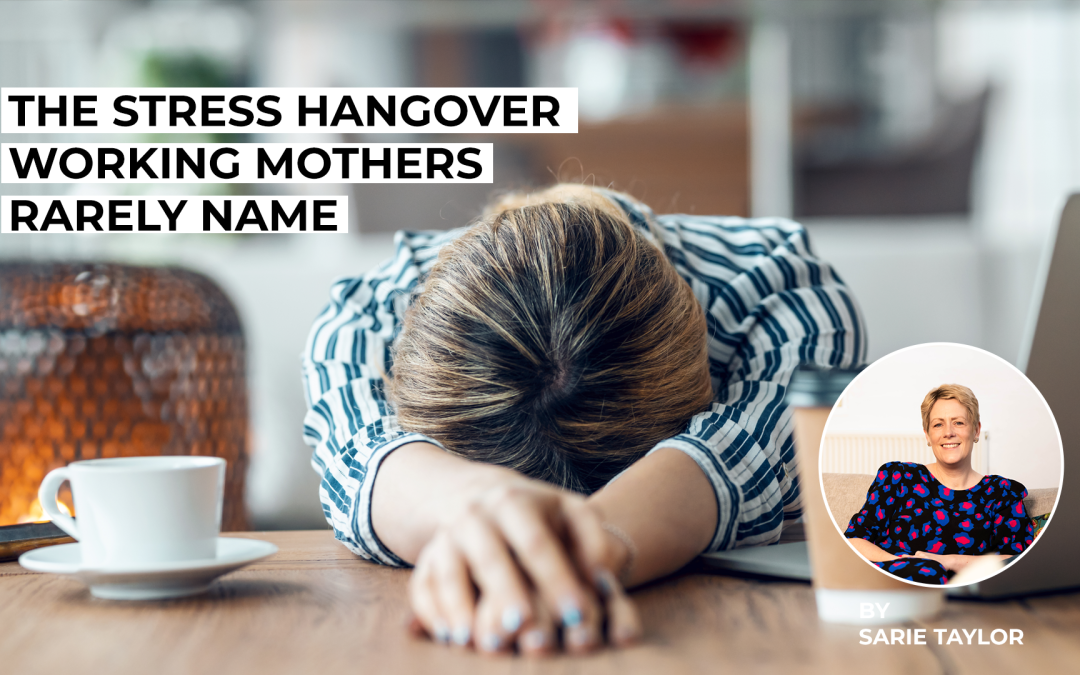
Working mothers often carry an invisible mental and emotional load long after the day appears to be done. In this powerful piece, Sarie Taylor explores the “stress hangover” — the exhaustion, anxiety and overwhelm that can surface once the crisis has passed — and offers a compassionate reframe for why it happens and what it really means.
How the Clocks Going Forward Affects Baby and Toddler Sleep
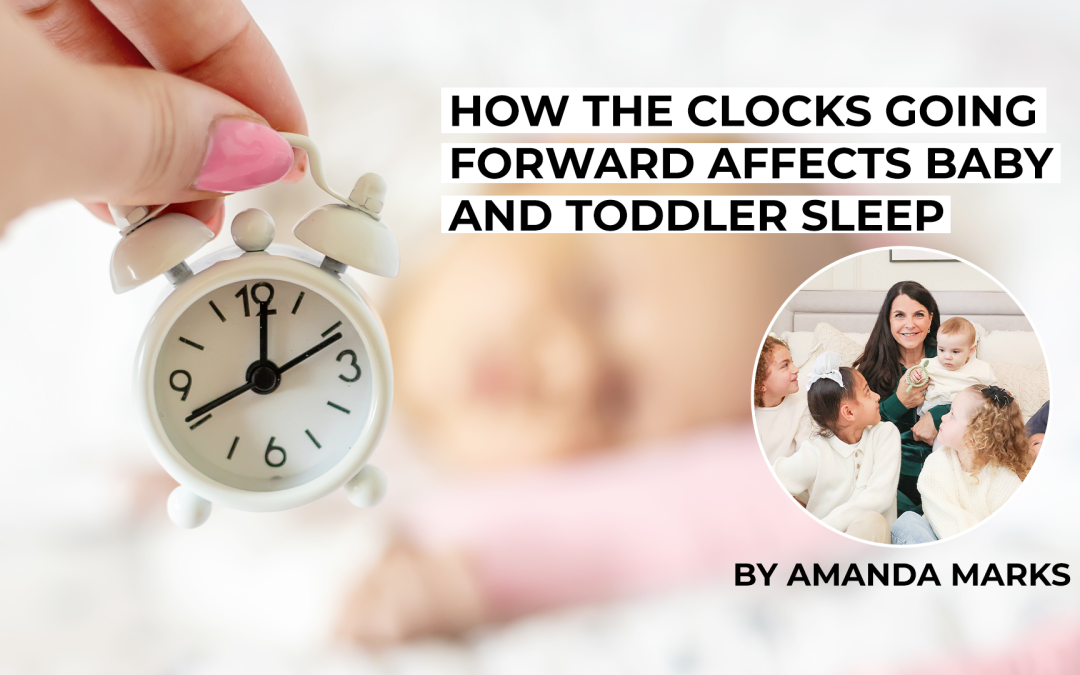
The clocks have gone forward, the evenings are lighter, and for many parents that means one thing — sleep routines suddenly feel harder. In this expert column, Amanda shares why the seasonal light change can affect babies and toddlers, plus practical tips to help your child settle well, sleep longer, and wake less.
Women of the Year Awards 2026: Nominations Open for Inspirational Mums and Women Across the UK
The Women of the Year Awards are back for 2026, with nominations now open to celebrate exceptional women making an impact across the UK. From business and leadership to community and motherhood, this is a timely reminder to recognise the women whose work deserves to be seen.
Endometriosis: The Invisible Load so many women are carrying
Endometriosis isn’t “just a bad period”. It’s a chronic condition where tissue similar to the lining of the womb grows in places it shouldn’t (often around the pelvis, but it can show up elsewhere too)

£1,081.227 raised at this year’s Dr Michael Josephson MBE Farewell Ball
The Manchester Deansgate Hotel was transformed last night for a dazzling celebration of philanthropy and performance, as friends, supporters, and celebrity guests gathered at the Dr Michael Josephson MBE Farewell Ball raising £1,081.227 for children’s charities across the North-West.
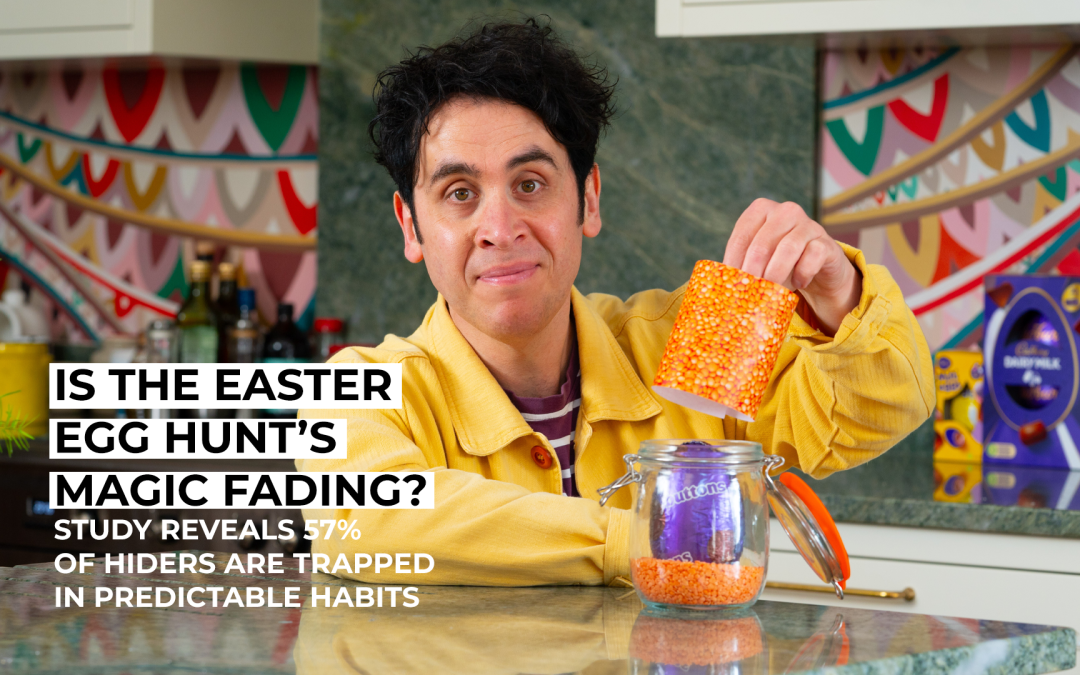
IS THE EASTER EGG HUNT’S MAGIC FADING? STUDY REVEALS 57% OF HIDERS ARE TRAPPED IN PREDICTABLE HABITS
For generations, the Easter egg hunt has been a cherished family ritual. However, new research suggests that for many, the magic is starting to fade as predictable hiding habits lead to hunts that are over in minutes.