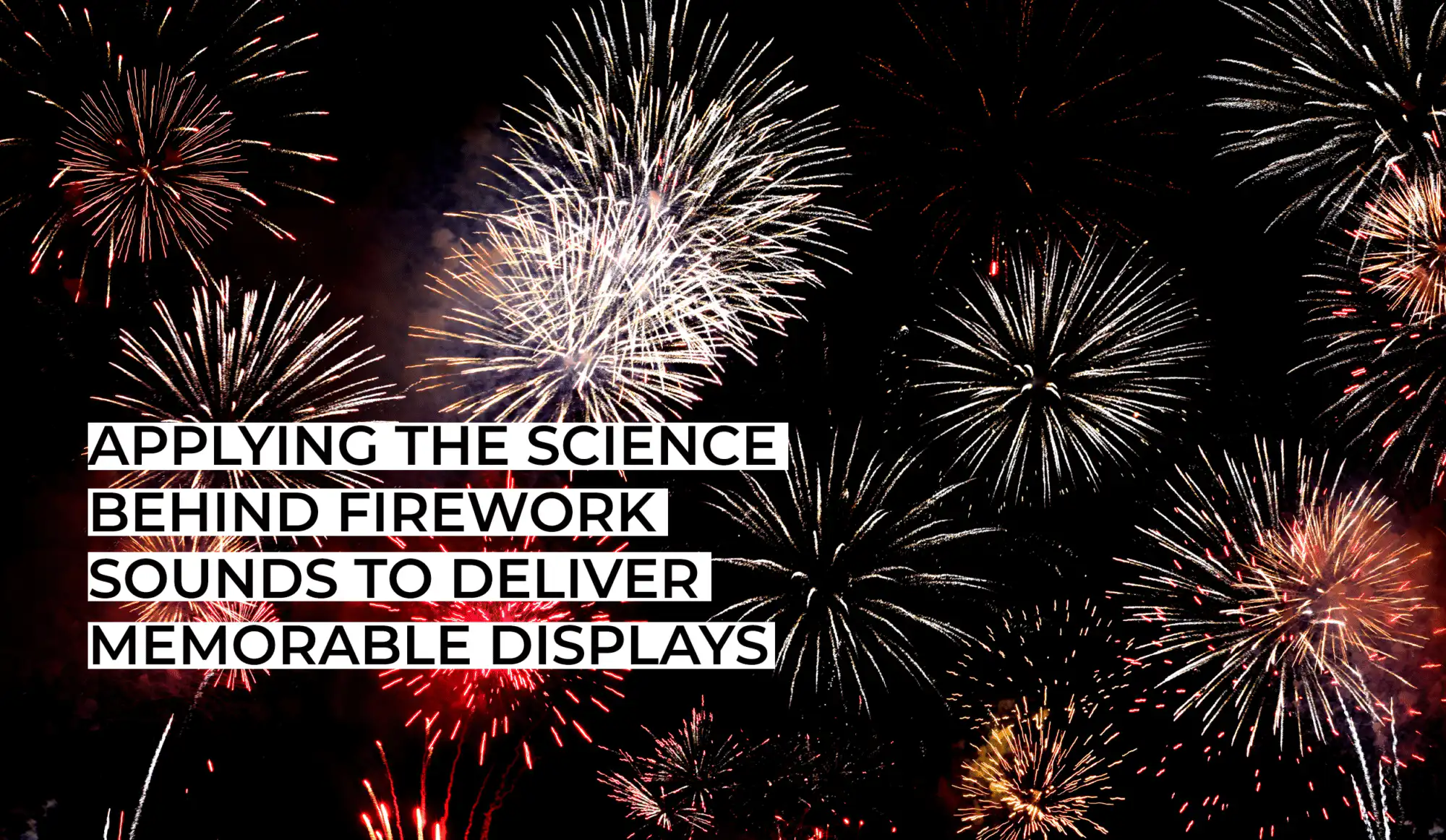
Applying the Science Behind Firework Sounds to Deliver Memorable Displays
Fireworks have enchanted audiences for centuries, transforming the night sky into a canvas of colour, light, and sound. The visual spectacle is often the most celebrated aspect, but the auditory component is just as crucial in creating a truly memorable experience. Understanding the science behind firework sounds can enhance both the planning and execution of greater displays, leading to an event that resonates in the minds of spectators long after the final explosion.
The sounds associated with fireworks are not merely random explosions but are the result of meticulous engineering and chemistry. When a firework is ignited, the rapid combustion of its powder creates gas that is released under immense pressure. This results in a shock wave, which we perceive as sound. Different firework shells produce varying sound profiles due to the materials used, the shape of the shell, and the way in which they are designed to explode. For example, a simple crackling sound may accompany a glittering firework, while a deep rumble is characteristic of larger shells.
By exploring the intricate relationship between sound and fireworks, planners can craft displays that not only dazzle the eyes but also engage the ears. Different sounds evoke different emotions, leading to varied audience responses. With this understanding, firework designers can manipulate elements to ensure every display tells a story.
Understanding the Phenomenon of Sound in Fireworks
The Chemistry of Sound Production
Fireworks produce sounds through a combination of chemical reactions and physical processes. Different compositions lead to various types of sounds, such as:
- Crackles and pops: Often a result of small explosives with quicker reactions.
- Booms and bangs: Larger shells that build pressure rapidly before releasing it.
- Whistles: Caused by specific arrangements of powder that create a narrow tube, forcing air through and producing a high-pitched sound.
Incorporating a variety of these sounds into a display can create a multi-layered audio experience, enhancing the emotional impact on the audience.
The Role of Design in Sound
The physical design of a firework shell also significantly influences the sound produced. The size, shape, and materials of each firework are critical considerations:
- Size: Larger shells often produce lower-frequency sounds, which can resonate through the ground, giving an earth-shaking effect.
- Shape: Round shells might create a more even distribution of sound, while irregular shapes can lead to unexpected audio nuances.
Designers can manipulate these variables to fashion a firework that not only looks stunning but sounds equally as impressive. For instance, a finale sequence may combine various types of sounds—deep booms interspersed with sharp crackles—creating a rich tapestry of audio that captivates the audience.

Crafting a Memorable Firework Display
Syncing Sound and Visual Elements
The interplay between sound and visual elements is where true artistry lies. Imagine a display where sounds and lights are perfectly in sync; the anticipation builds as a loud bang accompanies a burst of colour, leaving spectators with an adrenaline-fueled delight. This requires careful choreography, often achieved by using computerised systems that can time pyrotechnics to music.
Events such as New Year’s Eve fireworks or national celebrations benefit tremendously from this synchronization. It creates a cohesive experience that makes the event feel like a well-crafted performance rather than a series of disjointed explosions.
Audience Engagement Through Interactive Soundscapes
Engaging an audience goes beyond simply providing a visual feast. Firework displays can become increasingly interactive, allowing the crowd to experience sound in ways that challenge traditional expectations. With emerging technologies, for instance, sounds can be amplified within certain sections of a viewing area, creating a surround-sound effect that pulls the audience deeper into the experience.
This type of innovation is a field of ongoing research and can significantly elevate the excitement surrounding any display. Companies such as Anfield Fireworks are exploring these frontiers, applying insights from the science behind firework sounds to develop more immersive experiences. Such ventures lead to displays that resonate not just visually, but also emotionally with the viewers, leaving lasting memories.
The Future of Fireworks and Sound
As technology advances, the potential for new sound experiences in fireworks expands. Innovations in digital effects and use of sound manipulation techniques can be integrated into displays, adding layers of complexity that were previously impossible.
In addition, sustainability considerations are becoming increasingly important. There’s a growing desire for eco-friendly fireworks, which means focusing on reducing noise pollution while still maintaining the grandeur of displays. This balance poses both challenges and opportunities for pyrotechnic designers.
Conclusion
The interplay between firework displays and sound is a rich field of exploration that offers both artists and audiences profound experiences. By delving into the science of how sound is created, how it impacts emotion, and how it can be synchronised with the visual elements of a show, we can unlock the full potential of fireworks as a medium for storytelling and celebration. As we continue to innovate and challenge the norms of traditional displays, the memories created from these shows will echo in the hearts and minds of spectators for years to come.
Fireworks are much more than just visual spectacles; they are a synthesis of art and science, and the future is bright for those willing to explore the deeper auditory dimensions of this captivating form of entertainment.




Back to School 2026: The Ultimate Kids’ Essentials & Parent Hacks
Back to School Special Back to School 2026: The Ultimate Kids’ Essentials & Parent Hacks From seamless uniform upgrades to smart tech that keeps kids focused and safe, here is our editorial edit for the new school term. Between sorting uniforms, replacing outgrown...
Why Learning a Language as a Busy Parent Is One of the Best Things You Can Do (And How to Actually Make It Happen)
Travel Why Learning a Language as a Busy Parent Is One of the Best Things You Can Do (And How to Actually Make It Happen) No classroom. No fixed timetable. Just you, a real tutor, and a skill that'll stick around for life. When was the last time you did something...
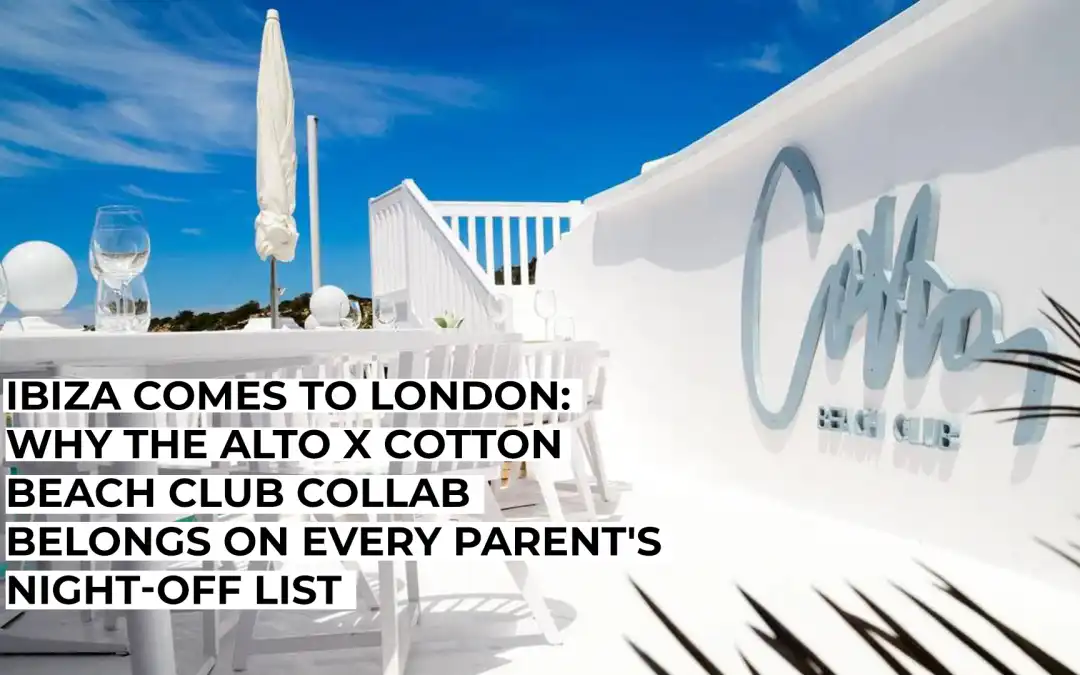
Ibiza Comes to London: Why the Alto x Cotton Beach Club Collab Belongs on Every Parent’s Night-Off List
Ibiza isn’t on the cards for most of us this summer — but that doesn’t mean you can’t get a taste of it. Alto by San Carlo has partnered with the iconic Cotton Beach Club Ibiza for two exclusive evenings on the rooftop of Selfridges, London. Think sun-soaked Mediterranean food, live DJ sets, Champagne and London’s skyline as your backdrop. Two dates only — and honestly? You deserve this one.

Lisa Johnson: From £30K Debt to Multi-Millionaire – How a Mum of Two Built a Freedom-Focused Business
Discover how Lisa Johnson, award-winning entrepreneur and mum of twins, went from £30,000 in debt to building a multi-million-pound business in just seven years. In this exclusive interview, Lisa shares her journey through adversity, her strategies for scaling with passive income, and her honest advice for parents and entrepreneurs seeking financial freedom, work-life balance, and lasting impact. Keywords: Lisa Johnson, entrepreneur, passive income, business strategy, work-life balance, financial freedom, mumpreneur, online business, success story.

School Holiday Jigsaw: Surviving the Summer Holidays as a Working Parent
School Holiday Jigsaw: Surviving the Summer Holidays as a Working Parent
For school children, the six-week break is a magical expanse of unstructured freedom. For working parents, it marks the beginning of a military-grade logistical operation. Between the skyrocketing costs of summer camps, tag-teaming annual leave with partners, and attempting the ultimate high-wire act of working from home with a laptop on your knee, the math of July and August simply doesn’t add up. We dive deep into the reality of trying to fit a 19th-century agricultural school calendar into a 21st-century digital economy—and explore the progressive workplace shifts needed to save our sanity.

The Cognitive Crutch: Are We Outsourcing Our kid’s Brains to AI?
The Cognitive Crutch: Are We Outsourcing Our Children’s Brains to AI?
Generative AI has transitioned from a novel tech trend to a permanent classroom fixture. But as tools like ChatGPT effortlessly handle the heavy cognitive lifting of writing essays and solving equations, educators and neuroscientists are raising an urgent alarm. True learning is rooted in the cognitive friction of arriving at an answer. By outsourcing that struggle to machines, are we causing intellectual stamina to atrophy, leaving behind a generation of brilliant curators who have lost the ability to think independently? From primary schools to university campuses, the data reveals a stark shift from active learning to passive “cognitive offloading.”

The Big 2026 British Playcation: The Ultimate Free, Low-Cost & Premium Summer Days Out
The six-week school summer holidays are here, but keeping kids entertained shouldn’t break the bank. With new data showing a massive “play gap” across the UK, we’ve rounded up 11 of the absolute best national initiatives, free community festivals, heavily discounted active-play passes, and premium family adventures to help you balance the budget while creating unforgettable summer memories.

Why the UK is Suddenly Going All Out for Graduation Season
Discover why British graduations are becoming massive lifestyle events and explore San Carlo’s new summer menu—the perfect way to celebrate in style.
New ‘xV’ Campaign Launches “The Unspoken Stat” to Expose Hidden Domestic Abuse Spike Around England Matches
A powerful new World Cup campaign introduces “xV” (Expected Violence) to expose a chilling reality: research shows domestic abuse incidents spike by 38% when England loses and 26% even when they win. Backed by survivors, sports figures, and celebrities like Mel B, the campaign demands that this hidden statistic receives the same urgent attention as modern football data.
Banning Social Media Under 16: What the New UK Law Means for Parents
The UK government has announced a landmark social media ban for children under 16. From affected apps to enforcement timelines, here is what the “Australia Plus” model means for busy working parents and family life.