

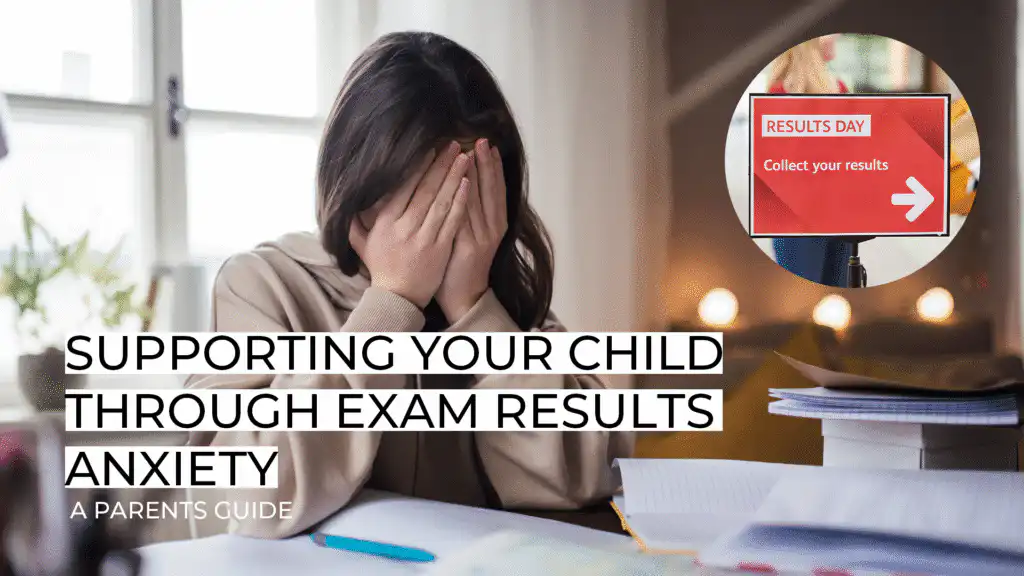
Supporting your child through exam results anxiety: a parent’s guide
Supporting your child through exam results anxiety: a parent’s guide
By Albert Clemente, CEO at FindTutors, a leading private tuition service by GoStudent
The wait for exam results can be as challenging for parents as it is for students.
For many young people, any exam results feel like defining moments in their lives, creating significant anxiety during the waiting period. Research from Aviva UK Health (2025) shows that 79% of parents feel stressed or anxious about their children’s exams, while 66% are concerned about the impact of exam stress on their child’s wellbeing. As parents, providing the right support can make a substantial difference to how your child manages this stress.
Here are six practical strategies to help your child through this challenging time and to prepare for future exams:
Create a calm home environment. During this waiting period, maintaining a stable, peaceful atmosphere at home gives your child a sanctuary from external pressures. Minimise family conflicts and keep daily routines consistent to provide a sense of security when other aspects of life feel uncertain.
Listen more than you speak. When your child expresses worries about their results, resist the urge to immediately offer solutions or dismiss their concerns. Instead, validate their feelings with responses like “it makes sense you’re feeling anxious” or “I understand why this feels important to you.” This acknowledgement helps them feel understood rather than judged.
[/et_pb_text][et_pb_divider _builder_version=”4.27.4″ _module_preset=”default” custom_margin=”||3px|||” global_colors_info=”{}” theme_builder_area=”post_content” custom_padding=”||0px|||”][/et_pb_divider][et_pb_text _builder_version=”4.27.4″ _module_preset=”default” custom_padding=”9px|24px|11px|23px||” global_colors_info=”{}” theme_builder_area=”post_content” custom_margin=”||12px|||”]SPONSORED CONTENT:
[/et_pb_text][et_pb_code _builder_version=”4.27.4″ _module_preset=”default” global_colors_info=”{}” theme_builder_area=”post_content”]
At Carea, we are currently looking to share real women’s stories about fertility, pregnancy, and postpartum to offer hope and inspiration to others walking similar paths. If you’d like to share your story (even anonymously), we’d be honored to feature it in our app and on our Instagram. Simply fill out our short questionnaire to take part.
[/et_pb_text][et_pb_divider _builder_version=”4.27.4″ _module_preset=”default” global_colors_info=”{}” theme_builder_area=”post_content” custom_margin=”||8px|||”][/et_pb_divider][et_pb_text _builder_version=”4.27.4″ _module_preset=”default” custom_padding=”9px|24px|24px|23px||” hover_enabled=”0″ global_colors_info=”{}” theme_builder_area=”post_content” sticky_enabled=”0″]Keep perspective through conversation. Gently remind your child that exam results, while important, are just one part of their journey. The GoStudent Future of Education Report 2025 found that 59% of parents believe grades don’t accurately reflect students’ abilities. Share stories of people who found success through unexpected paths, including perhaps your own experiences of setbacks and recovery. These conversations help frame results day as a milestone rather than a final destination.
Plan meaningful distractions. Help your child occupy their mind with activities they enjoy during the waiting period. Physical exercise, creative projects, or social gatherings can provide temporary relief from rumination. Consider planning a special family day out just before results day to create positive memories regardless of outcomes.
Prepare for all possibilities. While maintaining optimism, having calm conversations about what happens if results aren’t as hoped can actually reduce anxiety. Research alternative options together so your child knows there are multiple pathways forward, and reassure them of your unconditional support regardless of the outcome.
Build confidence and resilience. If your child doesn’t get the results they want and they choose to resit their exams, look for a tutor who can support their learning and help build their confidence for the resits, which can be more daunting than the original exams. 82% of students we surveyed increased their confidence after receiving tutoring and 75% saw grade improvements, so external tutoring support can be a great option for those who are less confident and need to build resilience.
Remember that how you manage your own anxiety about your child’s results significantly impacts their experience. Finding your own support network to process concerns away from them is equally important.
By creating a foundation of emotional support, practical guidance and unwavering acceptance, you can help transform this period from one of pure anxiety to an opportunity for growth in resilience – a skill that will serve them far beyond exam results day.
[/et_pb_text][et_pb_image src=”https://broodmagazine.com/wp-content/uploads/2025/08/female-college-students-celebrating-exam-results-2024-10-19-18-22-15-utc-scaled.webp” alt=”EXAM RESULTS ANXIETY” title_text=”Female College Students Celebrating Exam Results” _builder_version=”4.27.4″ _module_preset=”default” hover_enabled=”0″ global_colors_info=”{}” theme_builder_area=”post_content” sticky_enabled=”0″][/et_pb_image][/et_pb_column][/et_pb_row][/et_pb_section][et_pb_section fb_built=”1″ admin_label=”Related Articles” _builder_version=”4.16″ global_colors_info=”{}” theme_builder_area=”post_content”][et_pb_row _builder_version=”4.27.4″ _module_preset=”default” global_colors_info=”{}” theme_builder_area=”post_content”][et_pb_column type=”4_4″ _builder_version=”4.27.4″ _module_preset=”default” global_colors_info=”{}” theme_builder_area=”post_content”][et_pb_divider _builder_version=”4.27.4″ _module_preset=”default” global_colors_info=”{}” theme_builder_area=”post_content”][/et_pb_divider][et_pb_divider divider_weight=”5px” _builder_version=”4.27.4″ _module_preset=”default” global_colors_info=”{}” theme_builder_area=”post_content”][/et_pb_divider][et_pb_code _builder_version=”4.27.4″ _module_preset=”default” global_colors_info=”{}” theme_builder_area=”post_content”]