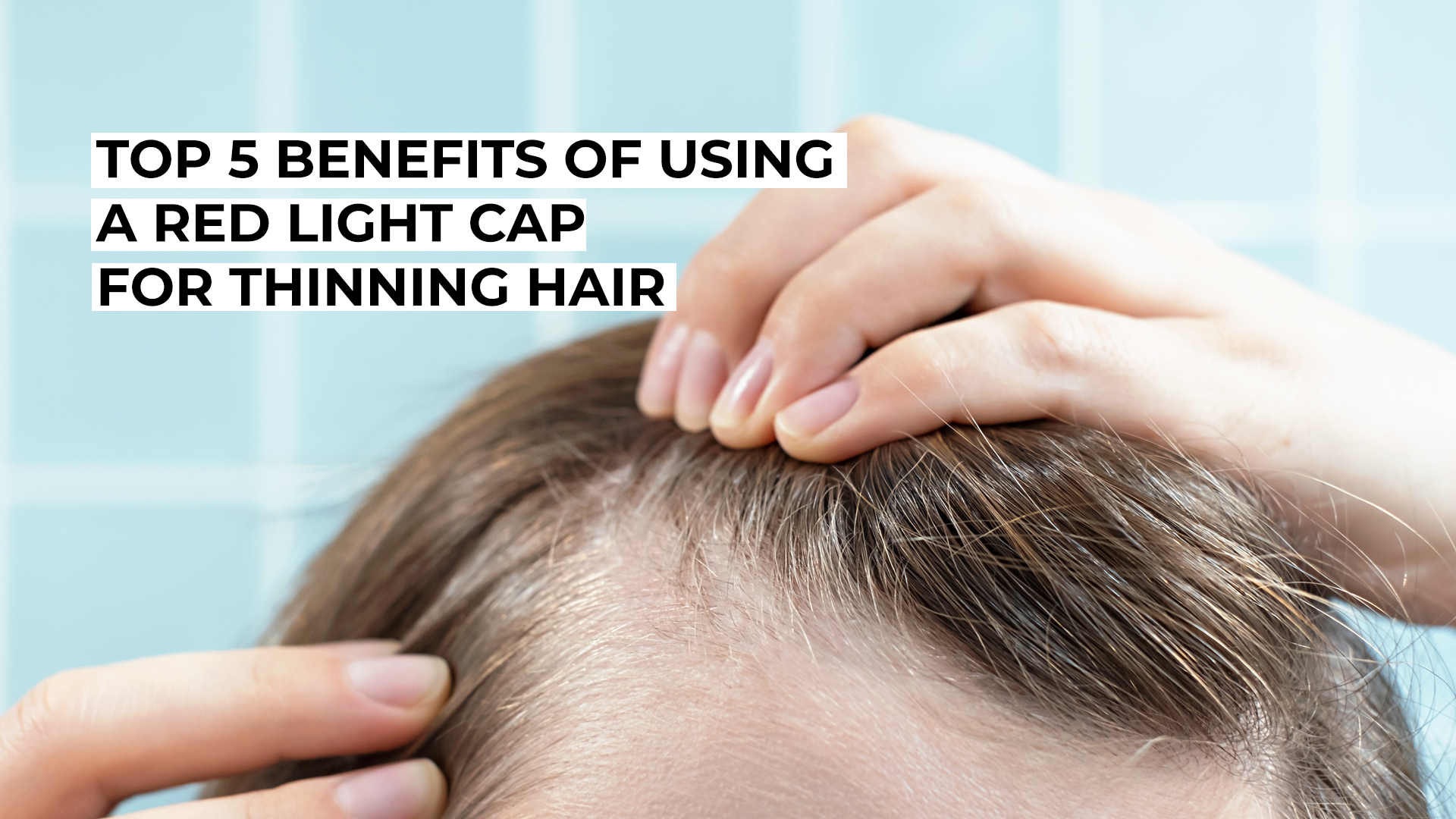
Top 5 Benefits of Using a Red Light Cap for Thinning Hair
Hair thinning affects millions of people and can take a toll on confidence and self-image. Traditional treatments often involve medications with side effects or expensive surgical procedures. Red light therapy offers a different approach that uses specific wavelengths of light to target the scalp and hair follicles.
A red light cap for hair growth provides a convenient way to deliver this treatment at home without the need for prescriptions or invasive procedures. These devices use low-level light therapy to work with the body’s natural processes. The technology has gained attention from researchers and dermatologists as a potential option for those who experience thinning hair or pattern baldness.
The following benefits explain how this therapy works and what users can expect from regular use. Each advantage addresses a different aspect of hair health and growth.
1. Stimulates hair follicle activity to promote natural regrowth
Red light therapy works by delivering specific wavelengths of light directly to the scalp. This light energy penetrates the skin and reaches the hair follicles beneath the surface. The follicles absorb this energy, which triggers cellular activity at a deeper level.
The light stimulates blood flow to the scalp. Better circulation means more oxygen and nutrients reach the hair follicles. As a result, dormant follicles can shift back into an active growth phase.
The therapy also supports mitochondrial function in follicle cells. Mitochondria produce energy that cells need to divide and grow. Therefore, hair follicles gain the strength to produce new strands.
Users typically need to apply the red light cap for about ten minutes each day. Results often appear after several weeks of consistent use. The follicles gradually produce thicker, healthier hair as they respond to the light therapy.
2. Improves blood circulation in the scalp for healthier hair
Red light therapy works to boost blood flow to the scalp. The light penetrates the skin and stimulates the cells in blood vessel walls. This process helps widen the blood vessels, which allows more blood to reach hair follicles.
Better blood flow delivers more oxygen and nutrients to the roots of each hair strand. Hair follicles need these nutrients to support healthy growth and maintain strength. Research shows that improved scalp circulation can help make hair thicker and may reduce hair loss over time.
The increased blood flow also helps remove waste products from the scalp tissue. This creates a healthier environment for hair to grow. Users often notice their scalp feels warmer during treatment, which signals that blood flow has increased in the area.
Regular use of a red light cap can maintain this improved circulation. The effects build up with consistent sessions, which support long-term hair health.



3. Reduces inflammation that can contribute to hair thinning
Scalp inflammation ranks among the top causes of hair loss. The condition irritates hair follicles and disrupts their normal growth cycle. Red light therapy targets this problem directly by calming inflamed tissue at the cellular level.
The light penetrates the scalp and reduces inflammatory markers that damage follicles. This process helps create a healthier environment for hair to grow. Studies show that decreased inflammation allows dormant follicles to reactivate and produce stronger strands.
Many people experience scalp inflammation without realizing it. Redness, itchiness, and sensitivity are common signs. Red light caps address these symptoms while working to prevent future hair loss. The therapy offers a gentle approach that doesn’t irritate the scalp further.
Regular use helps maintain balanced conditions on the scalp. This steadier environment supports the hair growth phase and reduces excessive shedding. The result is a foundation that allows thinning hair to recover naturally over time.
4. Non-invasive and painless alternative to medications or surgery
Red light cap therapy offers a gentle approach to address hair loss without the risks that come with more aggressive treatments. Unlike hair transplant procedures or prescription medications, this method requires no incisions, needles, or chemical interventions. Users simply wear the device on their head for the recommended time period.
The treatment causes no discomfort during or after sessions. Most people report zero pain and can use the cap while they relax at home. This stands in sharp contrast to surgical options that involve recovery time and potential complications.
For those who prefer to avoid prescription drugs with possible side effects, red light therapy provides a different path forward. The therapy works through light wavelengths that penetrate the scalp naturally. There are no known drug interactions or systemic effects to worry about.
This makes red light caps accessible to a wider range of people. Those who cannot tolerate medications or qualify for surgery now have another option to consider.
5. FDA-cleared devices guarantee safety and efficacy
FDA clearance provides a quality check that separates legitimate red light therapy devices from ineffective products. The clearance process requires manufacturers to prove their devices meet specific safety standards and perform as intended. This verification helps users avoid products that make false promises.
Devices with FDA clearance have undergone testing to confirm they use the correct wavelengths for hair growth treatment. These products must demonstrate they deliver consistent power output and maintain appropriate safety levels. The clearance adds credibility to manufacturer claims about how the device works and what results users might expect.
However, FDA clearance does not guarantee specific health outcomes for every person. Instead, it confirms the device meets established standards for its intended use. Users gain confidence that their red light cap has passed regulatory requirements designed to protect consumers. This approval process helps distinguish quality devices from simple decorative lamps that lack therapeutic value.
Conclusion
Red light caps offer a science-backed approach to address thinning hair through a simple, non-invasive method. These devices work by stimulating hair follicles, improving blood flow to the scalp, and reducing inflammation that can slow down hair growth. Regular use is necessary to maintain results, and these caps pair well with other treatments for potentially faster outcomes.
The benefits include convenience for at-home use, no downtime, and FDA-cleared technology that supports natural regrowth. For those who deal with thinning hair and want to avoid medications or procedures, red light therapy provides a practical option worth consideration.



When Families Fall Out: What the Beckham Headlines Can Teach Us About Repair and Mediation
When Families Fall Out explores what the recent Beckham headlines can teach us about family rupture, repair and the role mediation can play when relationships feel strained. With insight from JMW Solicitors’ family law team and child anxiety therapist Saskia Joss, it looks at why disconnection happens, how to name it, and what practical support can help families move forward with more understanding and kindness.

When Parents Split, Schools Feel It Too: The Hidden Impact on Children
Relationship expert Sally Land highlights the hidden toll that high-conflict separations can take on children — and how often schools end up caught in the crossfire. Citing research from The Parents Promise, she notes that teachers are regularly seeing the fallout in real time: slipping grades, increased absence, withdrawal, behavioural issues and worsening mental health.
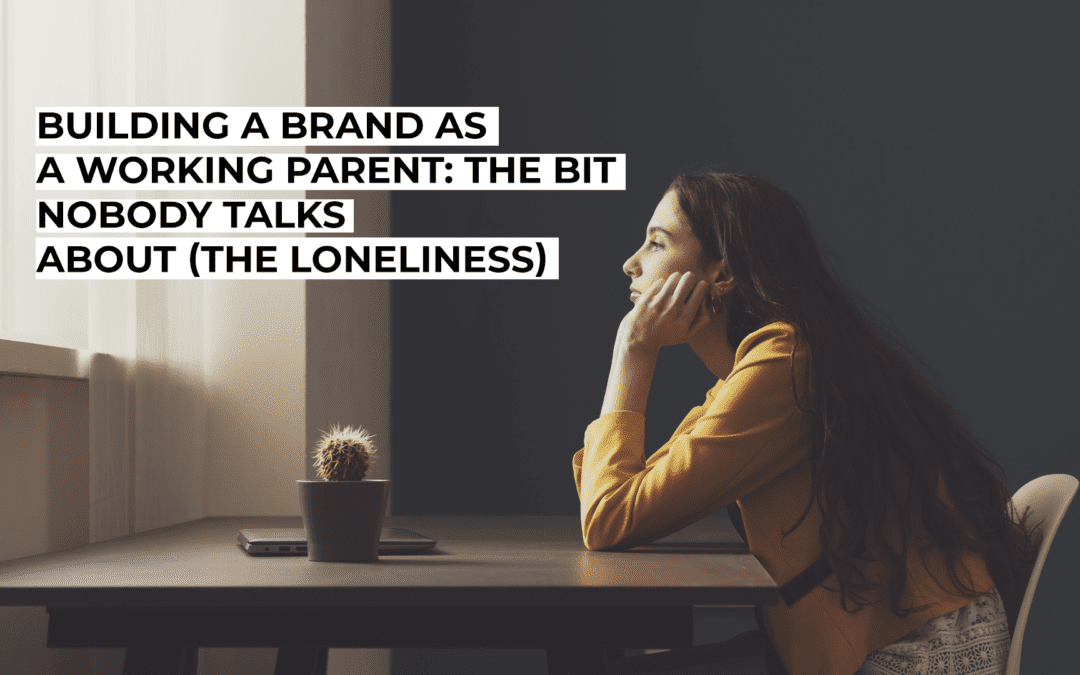
Building a Brand as a Working Parent: The Bit Nobody Talks About (The Loneliness)
Building a brand as a working parent looks great on paper — flexible hours, doing something you love, creating a life that fits around family. But the reality is often messier. You’re juggling school runs and deadlines, client work and packed lunches, confidence wobbles and cash flow worries… and somehow you’re expected to show up online like you’ve got it all under control.

The Balance of Play
I hate admitting that because I value play so deeply, especially in those precious early years. It’s how our children learn, explore, imagine and build confidence. But as a mum trying to keep a household running and a business growing, it’s not always easy to appreciate those moments.

Part Time Working Mummy Interview: Rachaele Hambleton & Josh Marshall
Rachaele Hambleton, aka Part Time Working Mummy, is an inspirational mum of six. The incredible 43-year-old is a Sunday Times Bestselling Author—four times over—founder of The Patchwork House, a support and guidance service for vulnerable individuals and families, and she’s also a successful entrepreneur, which includes her own clothing brand REBL.

Introducing Amanda Marks
We’re thrilled to welcome our new columnist Amanda Marks. Amanda is a Renowned Breastfeeding, Food & Sleep Consultant
With over 40 years of experience supporting families, Amanda Marks is a highly respected breastfeeding, food, and sleep consultant. Based in prestigious locations including 10 Harley Street, London, and Alderley Edge, Cheshire, Amanda has worked with families from diverse backgrounds, including media personalities and royalty, maintaining the highest standards of confidentiality.

An Interview with English Professional Boxer Chris Billam-Smith
At BROOD, we’re always drawn to stories that celebrate not just professional triumphs, but the heart and humanity behind them. Someone who embodies this spirit perfectly is Chris Billam-Smith—a world-class athlete
whose grit in the ring is matched only by his devotion to his family.

Why Family Gardening Is Having a Quiet Comeback
There’s a noticeable shift happening in how families spend their time. It isn’t loud or trend-led, and it’s rarely documented with before-and-after shots. Instead, it’s quieter and slower, rooted in small routines and shared moments. Family gardening is part of that change.
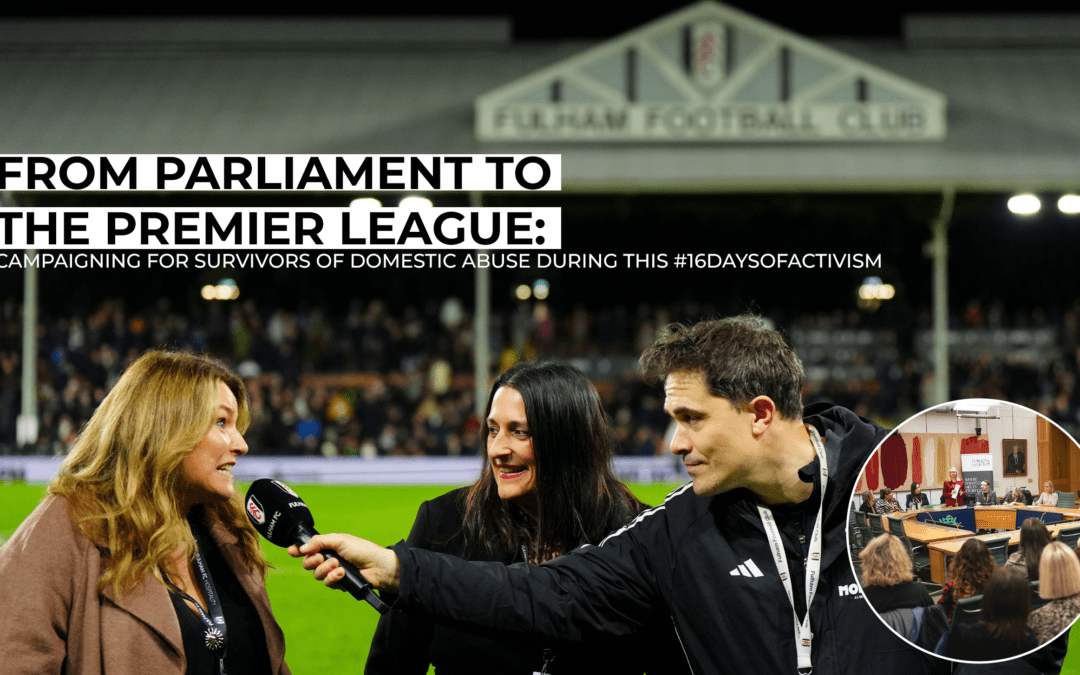
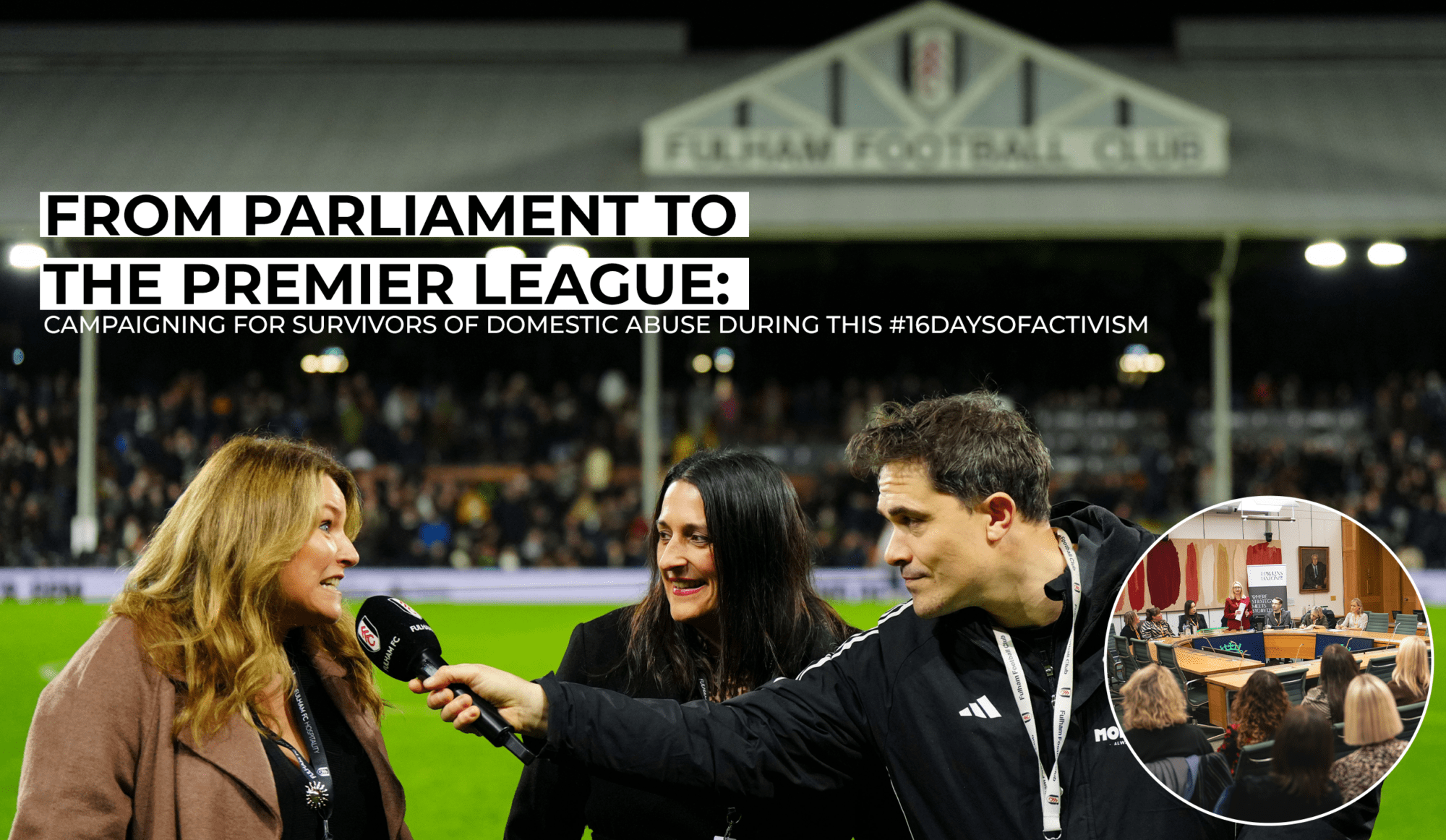
From Parliament to the Premier League: Campaigning for survivors of domestic abuse during this #16DaysOfActivism
Our Head of Social Causes and Sub-Editor Teresa Parker was joined by BROOD Editor-in Chief Lolo Stubbs at an event in Parliament on the 2nd December 2025 to mark ten years of coercive control legislation. Teresa organised the event through her consultancy Teresa Parker Media, in partnership with Hawkins, Laxton & Co, which is run by her former colleagues Clare and Sian.

WHY PARENTS NEED A WILL (Even If You Don’t Think You Do)
A lot of people still think wills are only for the wealthy or the elderly. I hear this all the time. In reality, wills are about far more than dividing up money.