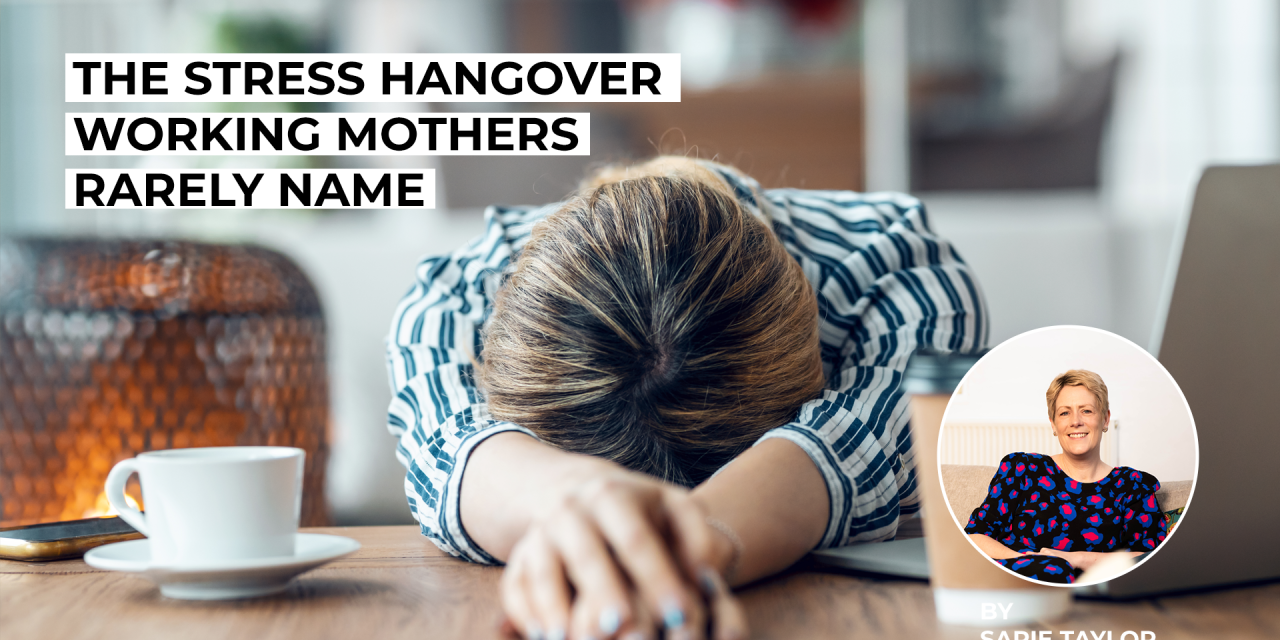
The Stress Hangover Working Mothers Rarely Name
By Sarie Taylor
If you’re a working parent, and especially if you’re a woman, you’ve likely become exceptionally skilled at holding things together and feeling that a lot of responsibility falls on you.
You manage deadlines and dinner. You switch between strategic thinking and emotional caretaking in the space of minutes. You absorb tension in meetings and soothe it at bedtime. You remember the school trip form, the client follow-up, the birthday present, the food shop, the subtle shift in your child’s mood. Much of what you carry is invisible, but it can be constant.
From the outside, you appear capable and composed. You are the reliable one and often the one who “just gets on with it.” And then, usually when everything looks fine, your body responds. This can show up in many different ways.
A headache that won’t quite lift. A wave of exhaustion that feels disproportionate to the day. A tight chest while you’re unloading the dishwasher. Hot flushes. (Or maybe that’s just me!) Brain fog. A flat, heavy feeling that makes even small tasks feel like hard work. Sometimes it arrives with a quiet judgment: What’s wrong with me? I was doing so well. Everyone else seems to manage.
Sarie Taylor is a formidable mum of two, a trained psychotherapist and a life coach who works with people across the world with a wide range of issues.
Having suffered with severe anxiety for many years herself, Sarie also has personal experience and an understanding of what it feels like to struggle.
Insta: @sarietaylorcoaching
www.worldwidewellbeing.co.uk
The real shift isn’t eliminating discomfort — it’s learning that you can feel it without believing you’re failing.
Many women assume this means they aren’t coping as well as they thought, or that they should be stronger, more resilient, better at managing their time, their mindset, their hormones, their boundaries, it’s never ending!
But what if none of that is true?
What if what you’re experiencing isn’t failure but actually physiology?
The Invisible “Second Shift” in Your Nervous System
There’s a phrase often used to describe working motherhood: the second shift. The unpaid, unseen labour that begins when the formal workday ends, and there’s another second shift that rarely gets named the one happening internally.
Throughout the day, your nervous system is constantly responding to perceived demand. It’s responding to the physical demand, and also the emotional and cognitive demand. The meeting that we believe really matters, the difficult conversations, the background noise of logistics: pick-ups, meals, messages, appointments.
We can find that sometimes we manage these moments really well as we seem to stay composed, problem solving, you just keep moving. We don’t always realise though that coping in the moment doesn’t mean your system isn’t activated.


Often, your body mobilises quietly to help you meet the demand. What does that even mean though? Stress hormones rise, muscles brace subtly, your world shrinks, you become focused and efficient which from the outside, it looks like strength.
Then the deadline passes. The children are in bed. The house quiets. And instead of relief, you feel depleted.
This is what I call a stress hangover; it’s the after-effect of sustained internal activation that often only becomes visible once you finally pause. The body releasing what it held while you were busy surviving the day.
It doesn’t show up during the crisis.
It shows up after.
And because it arrives late, many women misinterpret it.
When Discomfort Feels Like Danger
The physical sensations themselves are rarely the full story. What intensifies them is the meaning layered on top, the thoughts that you have about yourself that you believe to be true. If you had a racing heart at the gym its interpreted be true. If you had a racing heart at the gym its interpreted as exertion and yet the same sensation at 3am. can be interpreted as threat. The body hasn’t changed, just the story has.
Your exhaustion may not be evidence that you’re doing life badly.
It may be evidence that you’ve been doing it bravely.
Working mothers are often running a quiet narrative beneath the surface: I have to hold this together. When a symptom appears like fatigue, anxiety, irritability, it can feel like evidence that you’re dropping the ball somewhere and that you’re not managing as well as you thought. That something is wrong.
The mind begins scanning. Analysing. Predicting.
Am I burning out? Is this hormones?
Am I failing at work?
Am I being unfair to my kids?
The moment your system registers danger, even conceptually, it stays on alert and you may find you monitor the sensation, resisting it and trying to fix it quickly.
Ironically, that urgency prolongs the very activation you want to end.
Your nervous system isn’t malfunctioning. It’s responding intelligently to the interpretation it’s given.
The Hidden Cost of Being the Capable One
Modern motherhood, particularly for women who also work, carries an unspoken expectation of seamless performance, being ambitious but available. Driven but present. Successful but selfless. Organised but relaxed. That balancing act requires a tremendous amount of internal and unrealistic management.
When life is powered by low-level urgency, everything feels slightly more important than it needs to be, you may recognise this when small problems feel heavy and rest feels indulgent rather than necessary. Asking for help can feel inefficient or like an admission of weakness and even your downtime (if you are lucky enough to get it!) is often filled with mental planning.
You become highly functional.
But rarely deeply rested.
Over time, the nervous system begins to live in a subtly alert state, not necessarily panicked even just quietly on guard. When the body doesn’t get regular opportunities to reset, it will eventually demand one and make it a non-negotiable. This isn’t a punishment or a sign you are failing it’s simply that your system requires and will seek out balance always.
Neutral Is Not Boring — It’s Powerful
We often assume the ideal state of being is energised, productive, and enthusiastic but the most sustainable state for a working parent is something far less glamorous: neutral. When we are much more neutral and grounded moment to moment, we feel steady, clear and can respond without being too reactive. In a neutral state, you can hear yourself thinking for me I know I experience everything from a much more enjoyable and comfortable space, for example I can tolerate my three year old child’s meltdown without absorbing it as a personal failure, I can approach a difficult email without my stomach flipping and I can rest without feeling guilty.
Neutral is where wisdom and gut instinct lives.
And it’s also where your nervous system recalibrates.
Peace isn’t the absence of responsibility, but it is the absence of unnecessary internal pressure.
Rethinking the Goal
Many women tell me they just want to “cope better.” But beneath that is often a deeper desire: to never feel this way again.
No one can promise a life without discomfort, as hormones will fluctuate, children will have hard phases and work and life will bring challenges. The real shift isn’t in eliminating those experiences but rather seeing that you can feel discomfort without making it mean you are unsafe, incapable, or failing.
You can experience activation without spiralling.
You can be tired without being broken.
That understanding changes the relationship you have with your own nervous system and when that relationship softens, the system itself often follows. If you recognise yourself as the capable one, the reliable one, the woman who keeps everything moving, consider this a gentle reframe.
Your exhaustion may not be evidence that you’re doing life badly.
It may be evidence that you’ve been doing it bravely.
Your nervous system is not your enemy. It is your operating system. And it deserves the same care and attention you so readily give to everyone else.
This is what I call a stress hangover — the after-effect of sustained internal activation that often only becomes visible once you finally pause. It doesn’t show up during the crisis. It shows up after.




KEEP UP TO DATE WITH BROOD:
Related Articles

Endometriosis: The Invisible Load so many women are carrying
Endometriosis isn’t “just a bad period”. It’s a chronic condition where tissue similar to the lining of the womb grows in places it shouldn’t (often around the pelvis, but it can show up elsewhere too)

£1,081.227 raised at this year’s Dr Michael Josephson MBE Farewell Ball
The Manchester Deansgate Hotel was transformed last night for a dazzling celebration of philanthropy and performance, as friends, supporters, and celebrity guests gathered at the Dr Michael Josephson MBE Farewell Ball raising £1,081.227 for children’s charities across the North-West.

IS THE EASTER EGG HUNT’S MAGIC FADING? STUDY REVEALS 57% OF HIDERS ARE TRAPPED IN PREDICTABLE HABITS
For generations, the Easter egg hunt has been a cherished family ritual. However, new research suggests that for many, the magic is starting to fade as predictable hiding habits lead to hunts that are over in minutes.
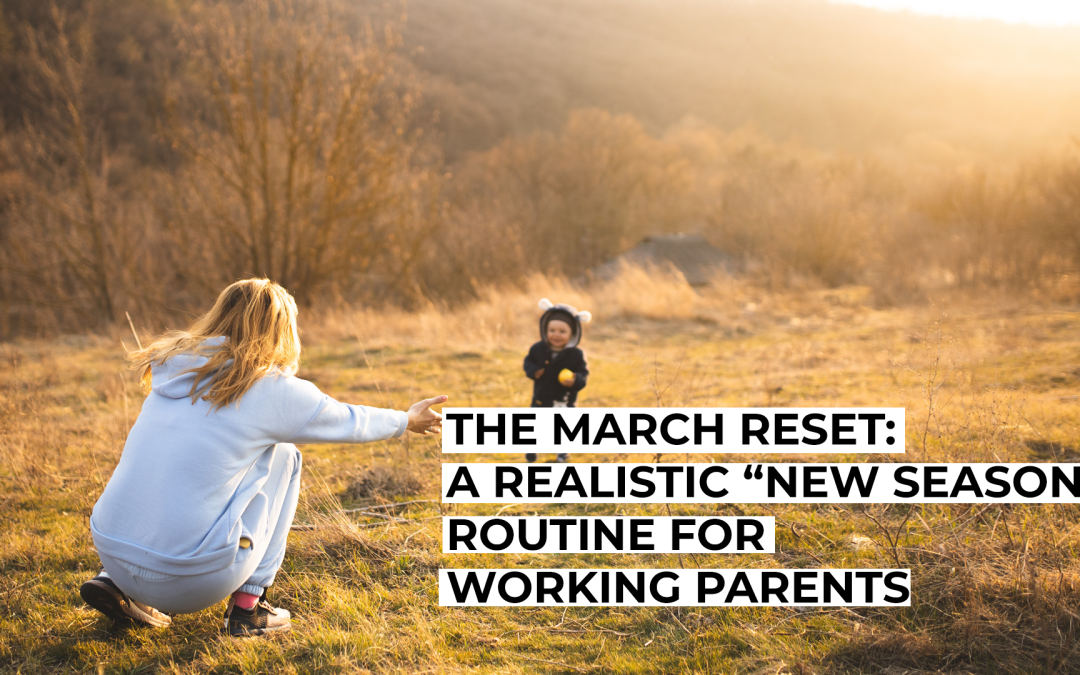
The March Reset: A Realistic “New Season” Routine for Working Parents
March always sounds like a fresh start. Lighter evenings. A hint of spring. That little voice saying, “Right, this is the month I get my life together.”
But if you’re a working parent, you already know how that usually goes.

When Families Fall Out: What the Beckham Headlines Can Teach Us About Repair and Mediation
When Families Fall Out explores what the recent Beckham headlines can teach us about family rupture, repair and the role mediation can play when relationships feel strained. With insight from JMW Solicitors’ family law team and child anxiety therapist Saskia Joss, it looks at why disconnection happens, how to name it, and what practical support can help families move forward with more understanding and kindness.

When Parents Split, Schools Feel It Too: The Hidden Impact on Children
Relationship expert Sally Land highlights the hidden toll that high-conflict separations can take on children — and how often schools end up caught in the crossfire. Citing research from The Parents Promise, she notes that teachers are regularly seeing the fallout in real time: slipping grades, increased absence, withdrawal, behavioural issues and worsening mental health.
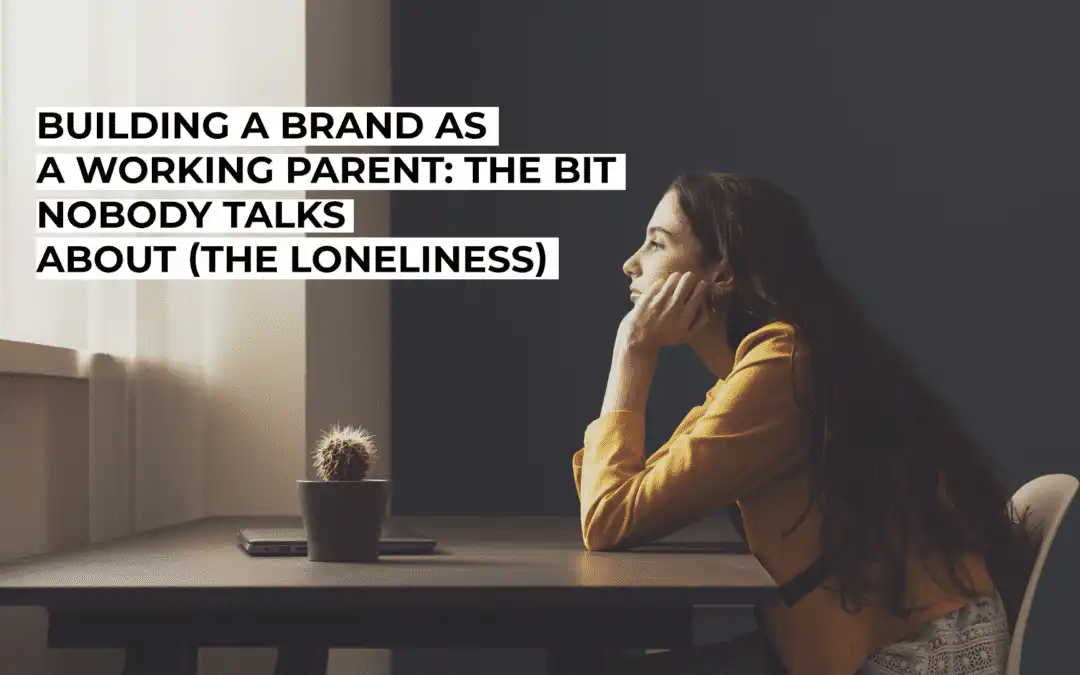
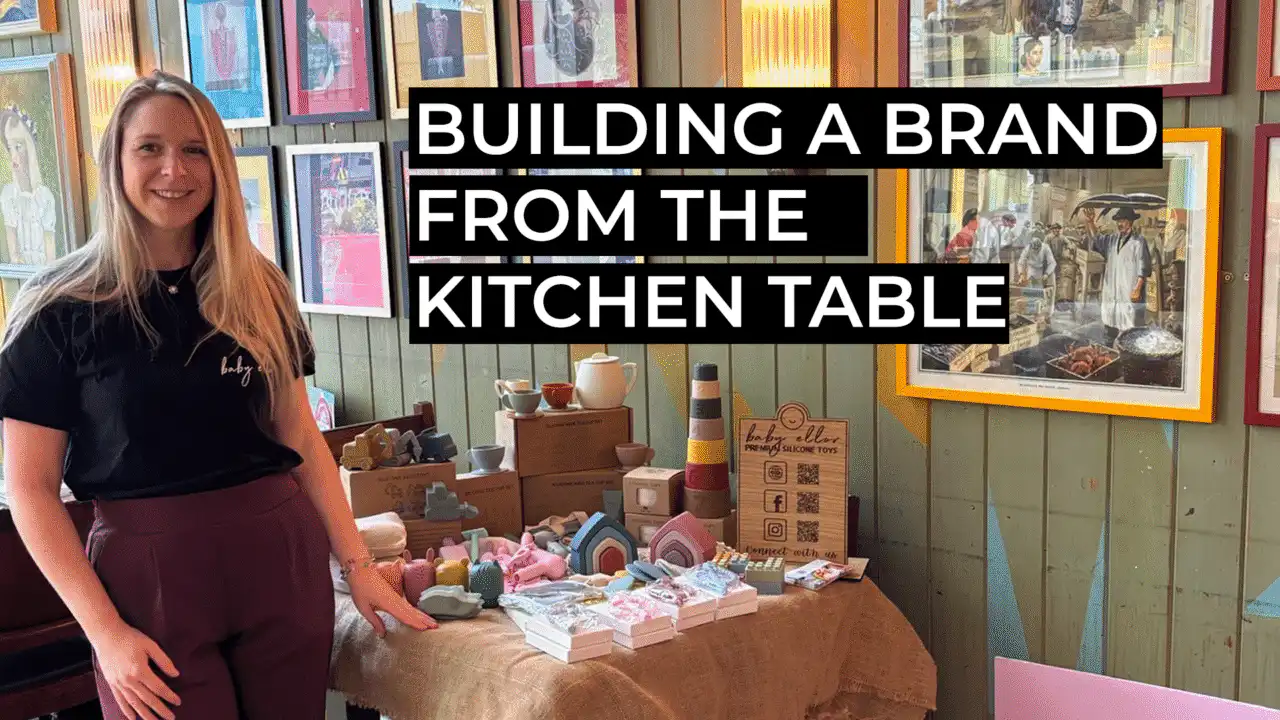
Building a Brand as a Working Parent: The Bit Nobody Talks About (The Loneliness)
Building a brand as a working parent looks great on paper — flexible hours, doing something you love, creating a life that fits around family. But the reality is often messier. You’re juggling school runs and deadlines, client work and packed lunches, confidence wobbles and cash flow worries… and somehow you’re expected to show up online like you’ve got it all under control.

The Balance of Play
I hate admitting that because I value play so deeply, especially in those precious early years. It’s how our children learn, explore, imagine and build confidence. But as a mum trying to keep a household running and a business growing, it’s not always easy to appreciate those moments.

Part Time Working Mummy Interview: Rachaele Hambleton & Josh Marshall
Rachaele Hambleton, aka Part Time Working Mummy, is an inspirational mum of six. The incredible 43-year-old is a Sunday Times Bestselling Author—four times over—founder of The Patchwork House, a support and guidance service for vulnerable individuals and families, and she’s also a successful entrepreneur, which includes her own clothing brand REBL.
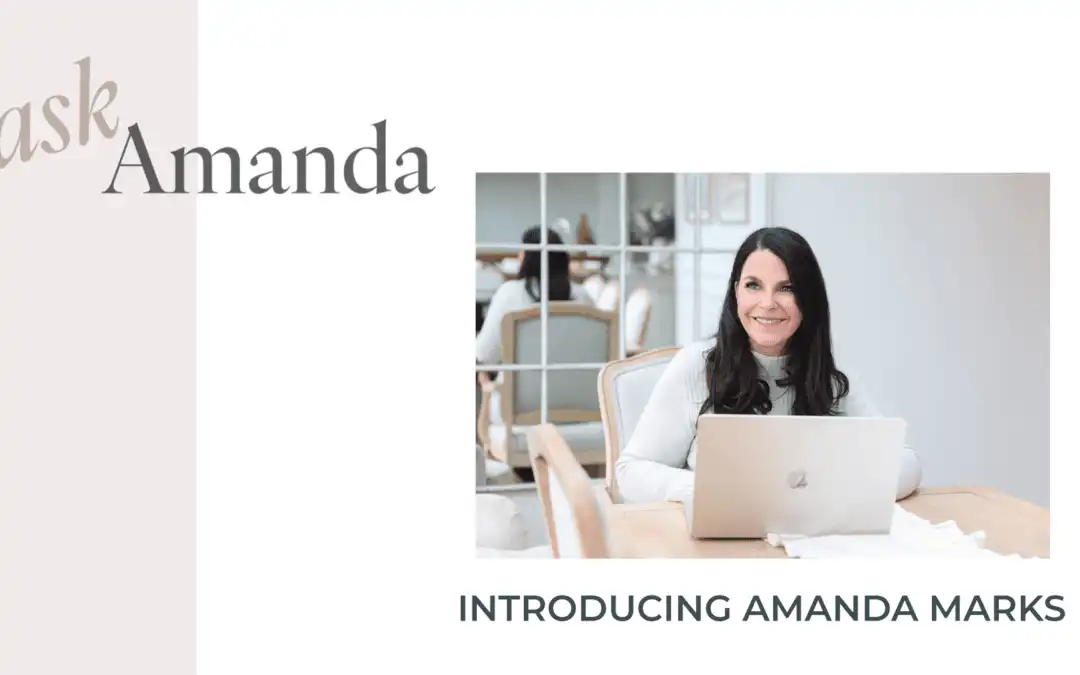
Introducing Amanda Marks
We’re thrilled to welcome our new columnist Amanda Marks. Amanda is a Renowned Breastfeeding, Food & Sleep Consultant
With over 40 years of experience supporting families, Amanda Marks is a highly respected breastfeeding, food, and sleep consultant. Based in prestigious locations including 10 Harley Street, London, and Alderley Edge, Cheshire, Amanda has worked with families from diverse backgrounds, including media personalities and royalty, maintaining the highest standards of confidentiality.
B2B Lead Generation in the New Era of AI – Why Humans Still Matter
Historically and even today, much of B2B lead generation still relies on high-volume outreach with limited validation, prioritising scale over relevance. The introduction of AI into the world of B2B lead generation has been transformative, and in many ways it sounds like progress – but the question lies in whether the industry has embraced it a little too far, too fast.
The complete guide to ground protection mat hire
Multiple different kinds of events and projects can require portable infrastructure installation. From recycling facilities to portable toilets, these are all important issues that need to be taken care of and factored into early planning stages.
Endometriosis: The Invisible Load so many women are carrying
Endometriosis isn’t “just a bad period”. It’s a chronic condition where tissue similar to the lining of the womb grows in places it shouldn’t (often around the pelvis, but it can show up elsewhere too)