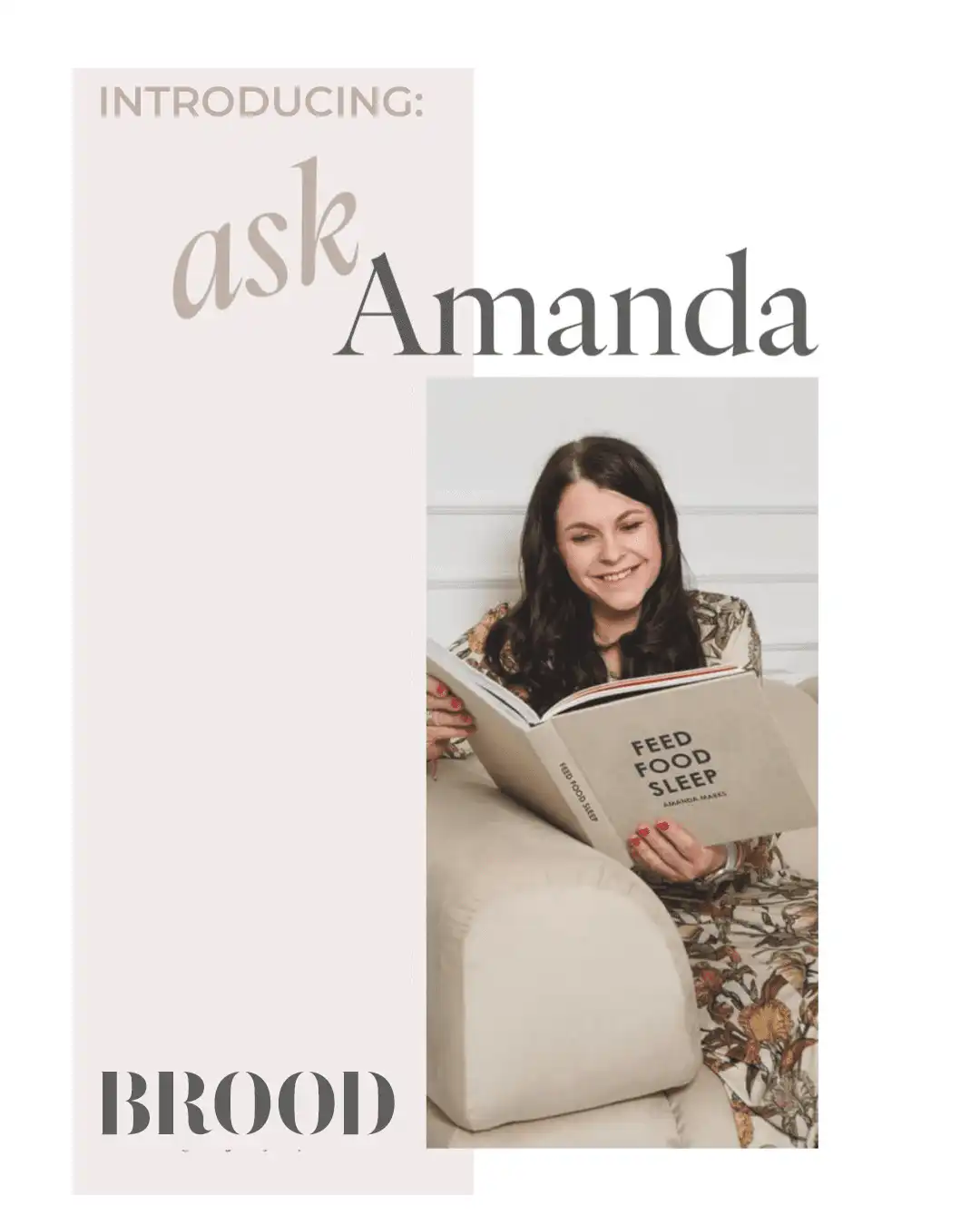
We’re thrilled to welcome our new columnist Amanda Marks. Amanda is a Renowned Breastfeeding, Food & Sleep Consultant
With over 40 years of experience supporting families, Amanda Marks is a highly respected breastfeeding, food, and sleep consultant. Based in prestigious locations including 10 Harley Street, London, and Alderley Edge, Cheshire, Amanda has worked with families from diverse backgrounds, including media personalities and royalty, maintaining the highest standards of confidentiality.
Amanda’s gentle and empathetic approach focuses on empowering parents to respond effectively to their children’s needs, fostering optimal mental and physical development. She takes a firm stance against “Cry It Out” and Controlled Crying methods, instead offering personalised guidance on feeding, weaning, sleep, and developmental milestones from 0-7 years.
Amanda offers a range of services, including:
– Pregnancy and Post-Birth Feeding Programme
– Early Weeks Review
– Weaning, Food & Sleep Guidance
– Food & Sleep, Separation Anxiety & Boundaries
As a mother of three grown sons, Amanda brings both professional expertise and personal insight to her work. Her client base, formed predominantly through personal referrals, has grown to over 5000 families worldwide.
You can email your questions to ‘Ask Amanda’ to amanda@broodmagazine.com

“Thank you to BROOD for inviting me to be one of your regular columnists. I truly value what BROOD stands for — and I love being a part of the BROOD family who cheerlead each other so brilliantly in business and beyond. I’m so excited to be writing about the subjects I’m most passionate about: babies and children, and in my own small way offering parents practical tips and tricks from my various programmes and my 40 years of expertise. I hope to answer your questions on all things feed, food and sleep — and bring a taster of what I’ve learned from 40 years of supporting families through their journeys — to the BROOD table. Here’s to 2026, and I hope you enjoy our first article on two topics that always come up: the dummy (and how to say goodbye when you decide, together, the time is right)… and another favourite of mine – why food is so important!”
SPONSORED CONTENT:
13 Tips from my Parenting Programmes
- Start collecting colostrum pre birth to facilitate faster weight gain and reduction of onset jaundice.
- Create a support group of parents who have recently been or going through breastfeeding, food and sleep journeys to then be empowered by their experiences.
- Understanding how important the baby’s first 5 days post birth are, in order to establish a healthy milk supply.
- Trust your instincts when it comes to health professionals diagnosing early reflux and CMPA which is often incorrect and lead to unnecessary baby medication
- Learn and educate yourself about your baby’s 4th trimester, this will answer of a lot of questions allowing breastfeeding journeys to be smooth, successful and nurturing.
- Food before 1 is not just for FUN.. babies need iron from 6 months in food so make sure you are weaning onto solids and understanding milk requirements to allow your baby’s appetite to build.
- Offer a slow releasing carbohydrate before sleep.. Amanda’s Magic Porridge is on the programme to enable tryptophan & melatonin release through food to increase sleep.
- Quiet Time is a great way to teach your baby or child to unwind, be prepared for a relaxed settled bedtime and start to their sleep cycles
- Make sure you know your babies and child’s age appropriate wake windows to avoid going to sleep overtired and often leading to lengthy bedtimes with unnecessary upset
- Be aware of separation anxiety and answer your babies and children appropriately, this is a healthy developmental stage and needs to be recognised so your children smoothly go through it being answered,
- Rather than offering unhealthy and carbohydrate based snacks that raise the blood sugars offer foods like watermelon and cucumber that also then don’t impact appetites
- Do not teach your babies and children to sleep with controlled crying or cry it out methods, cortisol is released from the brain and can lead to many issues in later life. My programme promotes Stages 1-4 over a 2 week duration so they are learning and can demonstrate by settling with you present.
- Listen to your babies and children by being present, switch off your phone, eye to eye contact when talking to them and give clear firm boundaries, this will enable your children to feel secure in their world,, healthy in their minds and safe in all areas of life.
SPONSORED CONTENT:


KEEP UP TO DATE WITH BROOD:
Related Articles
Children’s Online Privacy: 75% of Parents Fear Kids Aren’t Making Safe Choices Online
New research from the ICO shows 75% of parents worry their children aren’t making safe choices online, yet many rarely talk about online privacy at home. A new campaign is now encouraging families to treat digital privacy as an essential life skill, just like road safety or stranger danger.
5 Easter Chemistry Experiments for Families to Try at Home
Looking for fun and educational ways to keep the kids entertained this Easter? The Royal Society of Chemistry has shared five easy chemistry experiments families can try at home, using everyday household items to explore colour, reactions and science through hands-on play.

Auntie Cath Cooks: Chilled Honey Chicken Poke Bowl & A Hot Soy Beef Poke Bowl
In this edition of Auntie Cath Cooks, Catherine Tyldesley shares two fresh, flavour-packed recipes perfect for busy family life — a chilled honey chicken poke bowl and a hot soy beef poke bowl. Simple, satisfying and full of goodness, they’re ideal for an easy lunch or midweek dinner.

Märchenhotel Braunwald Review: A Fairytale Family Hotel in Switzerland
A stay at Märchenhotel Braunwald feels like stepping into a fairytale, with snowy mountain views, family-friendly touches, and plenty to keep little ones entertained. In this BROOD travel review, Lolo Stubbs shares why this Swiss hotel is a magical choice for a relaxing family escape.

How to make your own Easter Egg
How to make an Easter Egg using a balloon and some chocolate, by renowned chocolatier Oli Dunn

The Stress Hangover Working Mothers Rarely Name
Working mothers often carry an invisible mental and emotional load long after the day appears to be done. In this powerful piece, Sarie Taylor explores the “stress hangover” — the exhaustion, anxiety and overwhelm that can surface once the crisis has passed — and offers a compassionate reframe for why it happens and what it really means.
How the Clocks Going Forward Affects Baby and Toddler Sleep
The clocks have gone forward, the evenings are lighter, and for many parents that means one thing — sleep routines suddenly feel harder. In this expert column, Amanda shares why the seasonal light change can affect babies and toddlers, plus practical tips to help your child settle well, sleep longer, and wake less.
Women of the Year Awards 2026: Nominations Open for Inspirational Mums and Women Across the UK
The Women of the Year Awards are back for 2026, with nominations now open to celebrate exceptional women making an impact across the UK. From business and leadership to community and motherhood, this is a timely reminder to recognise the women whose work deserves to be seen.

Endometriosis: The Invisible Load so many women are carrying
Endometriosis isn’t “just a bad period”. It’s a chronic condition where tissue similar to the lining of the womb grows in places it shouldn’t (often around the pelvis, but it can show up elsewhere too)

£1,081.227 raised at this year’s Dr Michael Josephson MBE Farewell Ball
The Manchester Deansgate Hotel was transformed last night for a dazzling celebration of philanthropy and performance, as friends, supporters, and celebrity guests gathered at the Dr Michael Josephson MBE Farewell Ball raising £1,081.227 for children’s charities across the North-West.

KEEP UP TO DATE WITH BROOD:
Related Articles
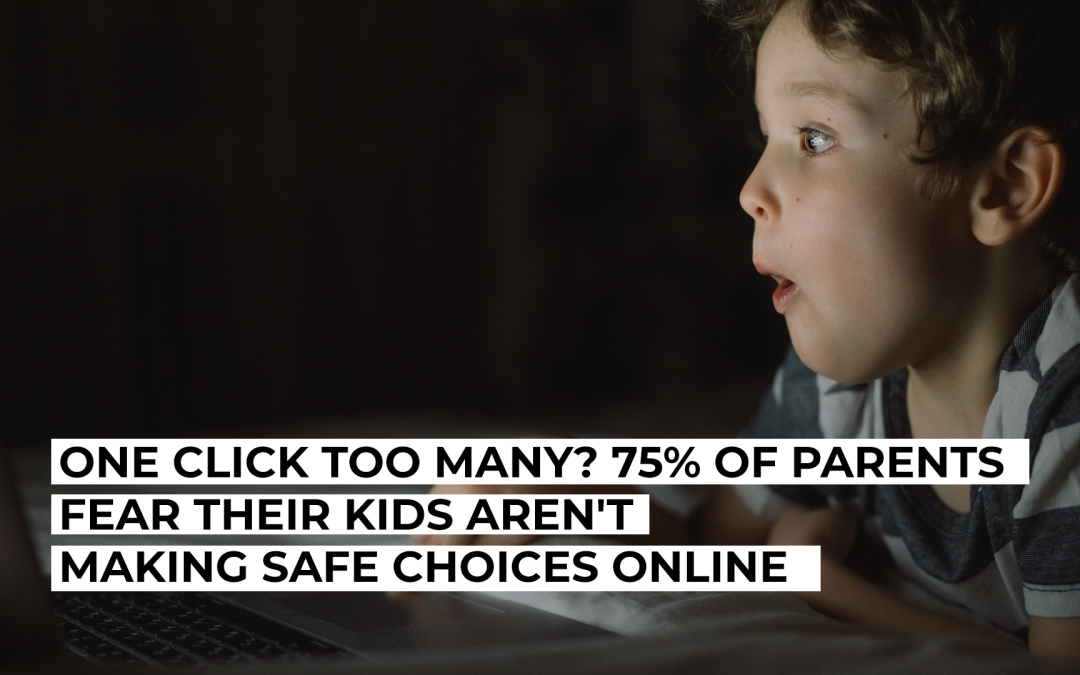
Children’s Online Privacy: 75% of Parents Fear Kids Aren’t Making Safe Choices Online
New research from the ICO shows 75% of parents worry their children aren’t making safe choices online, yet many rarely talk about online privacy at home. A new campaign is now encouraging families to treat digital privacy as an essential life skill, just like road safety or stranger danger.
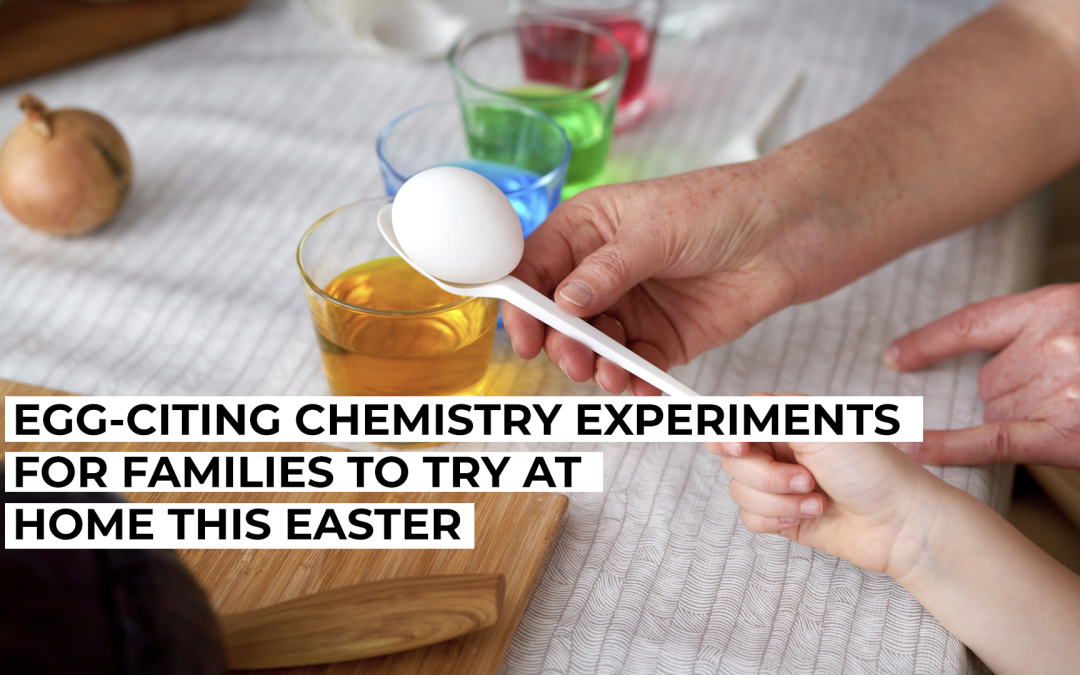
5 Easter Chemistry Experiments for Families to Try at Home
Looking for fun and educational ways to keep the kids entertained this Easter? The Royal Society of Chemistry has shared five easy chemistry experiments families can try at home, using everyday household items to explore colour, reactions and science through hands-on play.

Auntie Cath Cooks: Chilled Honey Chicken Poke Bowl & A Hot Soy Beef Poke Bowl
In this edition of Auntie Cath Cooks, Catherine Tyldesley shares two fresh, flavour-packed recipes perfect for busy family life — a chilled honey chicken poke bowl and a hot soy beef poke bowl. Simple, satisfying and full of goodness, they’re ideal for an easy lunch or midweek dinner.

Märchenhotel Braunwald Review: A Fairytale Family Hotel in Switzerland
A stay at Märchenhotel Braunwald feels like stepping into a fairytale, with snowy mountain views, family-friendly touches, and plenty to keep little ones entertained. In this BROOD travel review, Lolo Stubbs shares why this Swiss hotel is a magical choice for a relaxing family escape.
How to make your own Easter Egg
How to make an Easter Egg using a balloon and some chocolate, by renowned chocolatier Oli Dunn

The Stress Hangover Working Mothers Rarely Name
Working mothers often carry an invisible mental and emotional load long after the day appears to be done. In this powerful piece, Sarie Taylor explores the “stress hangover” — the exhaustion, anxiety and overwhelm that can surface once the crisis has passed — and offers a compassionate reframe for why it happens and what it really means.
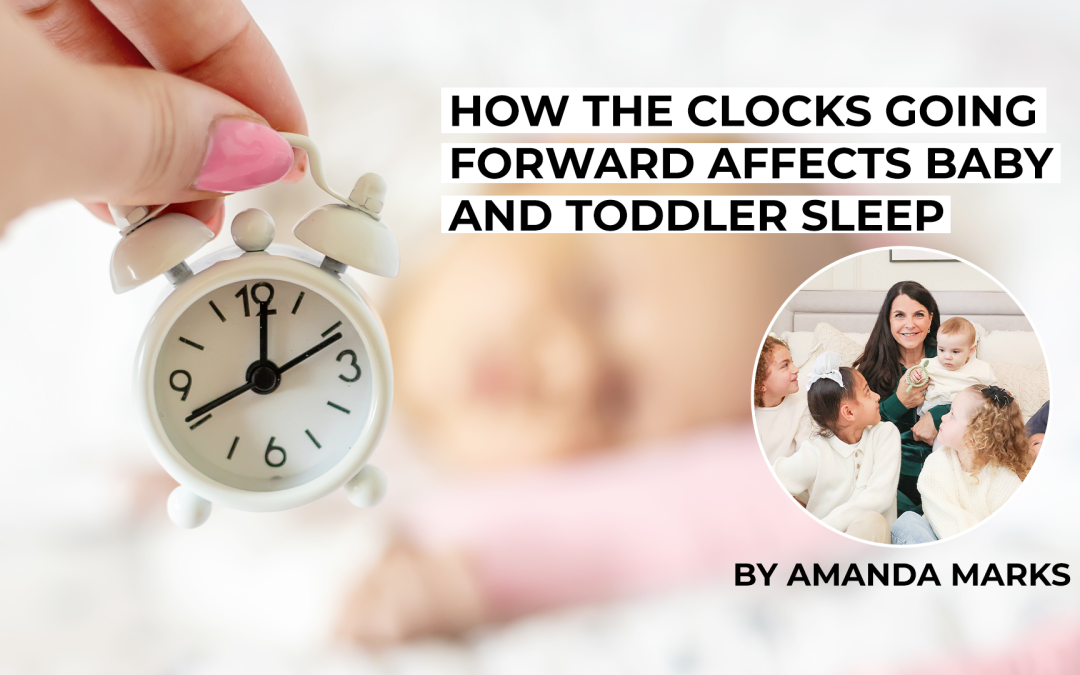
How the Clocks Going Forward Affects Baby and Toddler Sleep
The clocks have gone forward, the evenings are lighter, and for many parents that means one thing — sleep routines suddenly feel harder. In this expert column, Amanda shares why the seasonal light change can affect babies and toddlers, plus practical tips to help your child settle well, sleep longer, and wake less.
Women of the Year Awards 2026: Nominations Open for Inspirational Mums and Women Across the UK
The Women of the Year Awards are back for 2026, with nominations now open to celebrate exceptional women making an impact across the UK. From business and leadership to community and motherhood, this is a timely reminder to recognise the women whose work deserves to be seen.

Endometriosis: The Invisible Load so many women are carrying
Endometriosis isn’t “just a bad period”. It’s a chronic condition where tissue similar to the lining of the womb grows in places it shouldn’t (often around the pelvis, but it can show up elsewhere too)

£1,081.227 raised at this year’s Dr Michael Josephson MBE Farewell Ball
The Manchester Deansgate Hotel was transformed last night for a dazzling celebration of philanthropy and performance, as friends, supporters, and celebrity guests gathered at the Dr Michael Josephson MBE Farewell Ball raising £1,081.227 for children’s charities across the North-West.