How to Handle Sleep Regressions Without Losing Your Sanity
How to Handle Sleep Regressions Without Losing Your Sanity
Just when it finally feels like sleep is under control thanks to a rigid bedtime routine you made, everything falls apart. The baby who used to sleep through the night is now waking up every hour. Naps are a battle. The bedtime routine that once worked like magic suddenly does nothing. Plus, exhaustion takes over, patience runs thin, and suddenly, drinking coffee feels like a personality trait.
Well, this is the dreaded sleep regression. It sneaks up out of nowhere, wrecks everything, and leaves parents questioning their life choices (even if they did absolutely nothing wrong). But before the panic sets in, take a deep breath (sure maybe a tad easier said than done). Sleep regressions are temporary. They’re frustrating, exhausting, and at times, soul-crushing, but they always pass. But the trick is knowing how to survive them without completely losing it.
Why Babies Do This?
Well, sure, it might feel like the baby is doing this on purpose, but there is actual science behind it. For starters, sleep regressions show up at four months, eight to ten months, 12 months, 18 months, and two years because babies are going through big developmental leaps. Their little brains are working overtime learning new skills, and sleep takes a backseat.
The four-month sleep regression is the first major disaster, where newborn sleep patterns disappear and babies wake up more often between sleep cycles. The eight- to ten-month regression comes with crawling, standing, and the realization that they can scream louder than expected. So, by 12 months, they are too busy exploring the world to bother with naps.
Then comes the toddler phase, where sleep turns into a power struggle (well, technically everything is a struggle at this point). At 18 months, they test limits just because they can. The two-year regression? Well, that’s when bedtime stalls become a full-blown sport. For example, those little requests for one more bedtime story, one more sip of water, or one more hug turn into an endless cycle of delaying sleep.
But generally speaking, just keep in mind that babies don’t wake up at night to ruin lives, even though it might feel that way. They are just trying to process all the new things they are learning.
What NOT to Do
Now sure, sleep regressions make it very tempting to try anything and everything just to get a few hours of rest. This is where the biggest mistakes happen (basically massive ones happen).


Believe it or not, but bringing the baby into bed, rocking them to sleep every time they stir, or introducing new habits out of desperation can backfire hard. But how? Well, what starts as a quick fix turns into a long-term problem. A baby who gets used to being held until they fall asleep will expect that every single time they wake up. The same goes for feeding them back to sleep when hunger is not the issue.
It is survival mode, but at the same time, it s a trap. Thankfully, sleep regressions only last a few weeks, but habits last much longer. But the key is to stay consistent, even when it feels impossible.
But What Can Save Your Sanity?
Well, it goes back to right above, sleep regression is pretty temporary and you can’t try new habits. Basically, if bath, book, and cuddles worked before, stick with it.
The environment matters too. Now chances are, you were already doing this, but a dark room, white noise, and a comfortable sleep space signal that it is time to rest. Some babies at this stage start waking up because they are outgrowing certain sleep habits, which is when many parents start wondering when to stop using a sleep sack for your baby. Plus, ff they are rolling more, trying to stand, or acting like the sleep sack is “cramping their style”, it may be time to switch to a blanket or a different sleep option.
The baby will resist at first because babies hate change. The trick is to out-stubborn them.
Nap Resistance
One of the most frustrating parts of a sleep regression is when a baby suddenly decides naps are optional. But they’re not. A baby who refuses to nap is not ready to drop naps completely, even if they think they are. What usually happens is they are so busy learning new skills that they fight sleep just because they can.
But the best way to deal with this is to stick to quiet time, even if they aren’t sleeping. Just keep the space relaxing (and predictable) for them. Plus, giving up on naps completely backfires at night, making the bedtime struggle even worse. It might take longer for naps to happen, and some days they might not happen at all (unfortunately), but the key is to keep offering them.
Eventually, the baby will crash out of exhaustion, and sleep will start balancing out again.
What About Night Wakings?
This might be the worst of them all, right? It’s like the newborn phase all over again. But yeah, middle-of-the-night wake-ups during a sleep regression feel personal. One second, they are sleeping soundly, and the next, they are wide awake, crying like they have never slept before.
So, the instinct is to rush in and fix it, but pausing for a moment can be a good idea. Babies cycle through sleep stages, and sometimes they fuss for a few minutes before settling back down. So, if you think about it, running in at the first sound can actually wake them up more. But of course, every baby is different, but responding consistently without overstimulating makes it easier for them to adjust.
How to Keep It Together, Even When It Feels Impossible
By all means, sleep regressions are rough. The exhaustion, frustration, and feeling of running on fumes can make it seem like sleep will never return. This is the part where self-care actually matters. If a partner is available, tag them in, maybe even ask your partner if you have one. Some people will use night time nanny services, so this could even be an option.
But the biggest sanity-saver is keeping perspective. It feels never-ending, but it is not. It might last for a month to a month in a half at most.




When Families Fall Out: What the Beckham Headlines Can Teach Us About Repair and Mediation
When Families Fall Out explores what the recent Beckham headlines can teach us about family rupture, repair and the role mediation can play when relationships feel strained. With insight from JMW Solicitors’ family law team and child anxiety therapist Saskia Joss, it looks at why disconnection happens, how to name it, and what practical support can help families move forward with more understanding and kindness.

When Parents Split, Schools Feel It Too: The Hidden Impact on Children
Relationship expert Sally Land highlights the hidden toll that high-conflict separations can take on children — and how often schools end up caught in the crossfire. Citing research from The Parents Promise, she notes that teachers are regularly seeing the fallout in real time: slipping grades, increased absence, withdrawal, behavioural issues and worsening mental health.
Building a Brand as a Working Parent: The Bit Nobody Talks About (The Loneliness)
Building a brand as a working parent looks great on paper — flexible hours, doing something you love, creating a life that fits around family. But the reality is often messier. You’re juggling school runs and deadlines, client work and packed lunches, confidence wobbles and cash flow worries… and somehow you’re expected to show up online like you’ve got it all under control.

The Balance of Play
I hate admitting that because I value play so deeply, especially in those precious early years. It’s how our children learn, explore, imagine and build confidence. But as a mum trying to keep a household running and a business growing, it’s not always easy to appreciate those moments.

Part Time Working Mummy Interview: Rachaele Hambleton & Josh Marshall
Rachaele Hambleton, aka Part Time Working Mummy, is an inspirational mum of six. The incredible 43-year-old is a Sunday Times Bestselling Author—four times over—founder of The Patchwork House, a support and guidance service for vulnerable individuals and families, and she’s also a successful entrepreneur, which includes her own clothing brand REBL.

Introducing Amanda Marks
We’re thrilled to welcome our new columnist Amanda Marks. Amanda is a Renowned Breastfeeding, Food & Sleep Consultant
With over 40 years of experience supporting families, Amanda Marks is a highly respected breastfeeding, food, and sleep consultant. Based in prestigious locations including 10 Harley Street, London, and Alderley Edge, Cheshire, Amanda has worked with families from diverse backgrounds, including media personalities and royalty, maintaining the highest standards of confidentiality.

An Interview with English Professional Boxer Chris Billam-Smith
At BROOD, we’re always drawn to stories that celebrate not just professional triumphs, but the heart and humanity behind them. Someone who embodies this spirit perfectly is Chris Billam-Smith—a world-class athlete
whose grit in the ring is matched only by his devotion to his family.
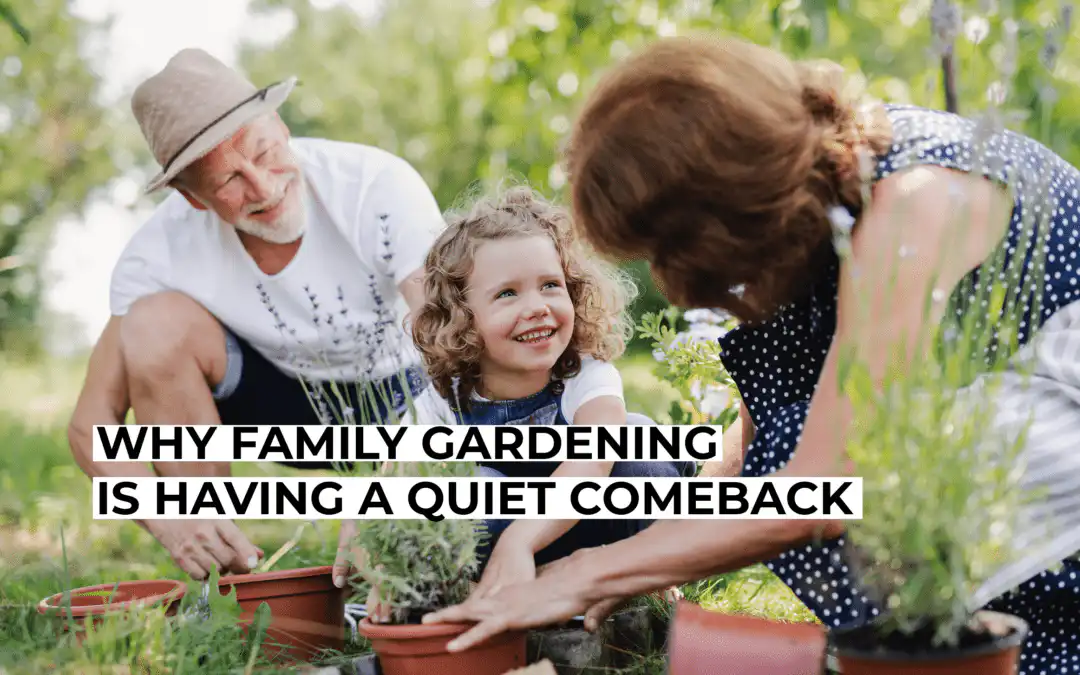
Why Family Gardening Is Having a Quiet Comeback
There’s a noticeable shift happening in how families spend their time. It isn’t loud or trend-led, and it’s rarely documented with before-and-after shots. Instead, it’s quieter and slower, rooted in small routines and shared moments. Family gardening is part of that change.

From Parliament to the Premier League: Campaigning for survivors of domestic abuse during this #16DaysOfActivism
Our Head of Social Causes and Sub-Editor Teresa Parker was joined by BROOD Editor-in Chief Lolo Stubbs at an event in Parliament on the 2nd December 2025 to mark ten years of coercive control legislation. Teresa organised the event through her consultancy Teresa Parker Media, in partnership with Hawkins, Laxton & Co, which is run by her former colleagues Clare and Sian.

WHY PARENTS NEED A WILL (Even If You Don’t Think You Do)
A lot of people still think wills are only for the wealthy or the elderly. I hear this all the time. In reality, wills are about far more than dividing up money.