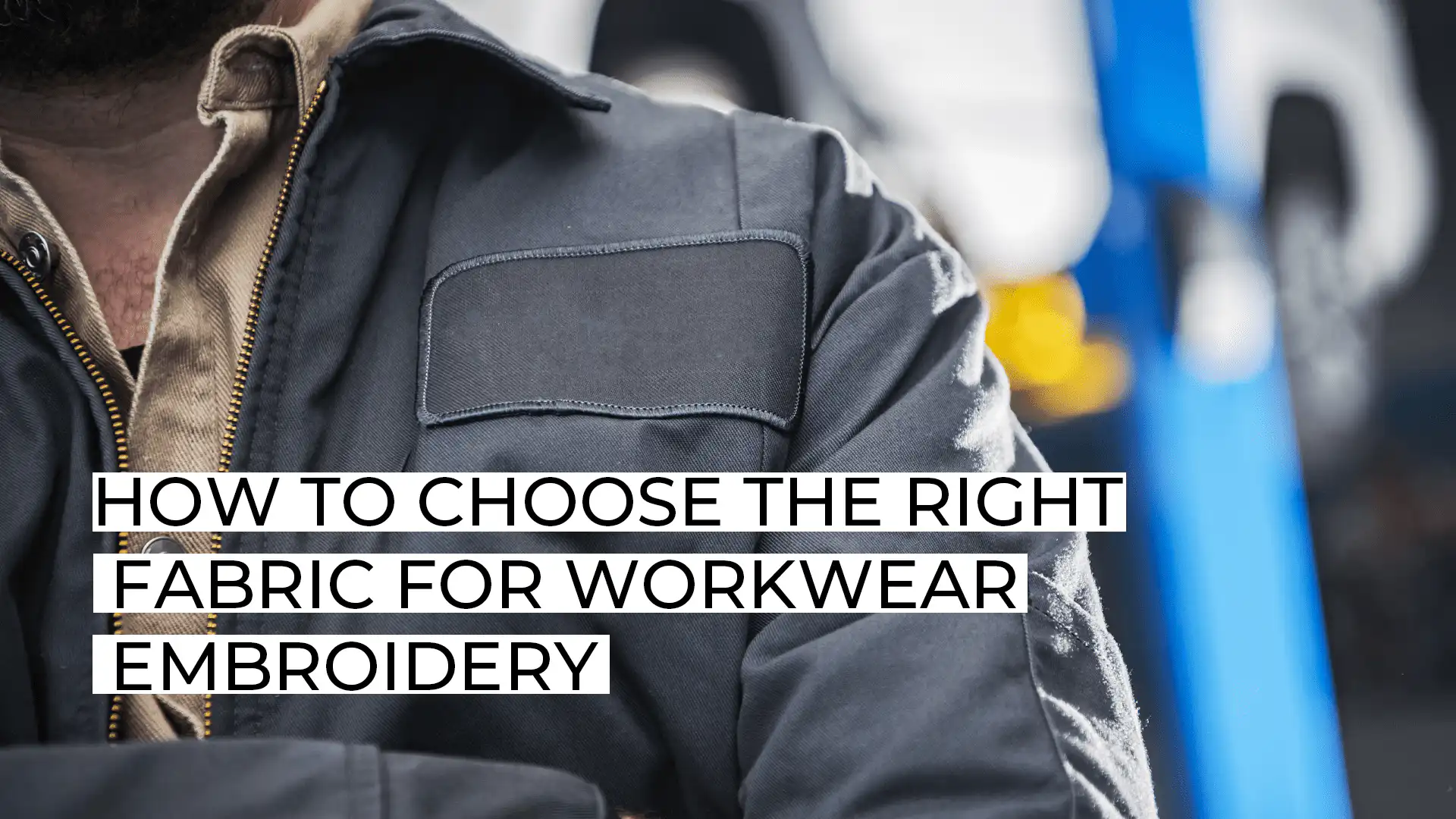
How to Choose the Right Fabric for Workwear Embroidery
Choosing the right base material is an important factor in the longevity and look of embroidered designs. An appropriate fabric not only keeps the stitching in place but also keeps the design in shape and colour even after numerous washings. Companies that invest in embroidered workwear must align fabric performance with the requirements of their business, weighing comfort, durability and appearance.
Cotton for Breathability and Comfort
Cotton is usually preferred due to its softness and comfort, and is therefore preferred in workplaces where workers spend a lot of time on their feet. It is highly absorbent and assists in body temperature regulation, but when not pre-treated, it can shrink. In embroidery, the tightly spun fibres of cotton are able to retain designs well, but backing reinforcement might be required to avoid puckering with age.
Polyester for Strength and Colour Retention
The synthetic fibres used in polyester do not stretch, shrink, or wrinkle, which makes this material perfect to use in clothes that need little maintenance. The silk surface is ideal for fine embroidery, and the resistance of the fabric to fading maintains the designs fresh even after regular washing. In industries in which uniforms must be of a polished appearance, e.g. retail, hospitality or security, polyester gives consistent results.
Poly-Cotton Blends for Versatility
The combination of cotton and polyester produces a balanced material that is as soft as natural fibres and as durable as synthetics. Such combinations are very common in embroidered work clothes because they are comfortable, durable, and have good stitch holding. This is an option that is applicable in many industries, including customer service jobs and light trade jobs, where image and strength are important.
Heavy-Duty Fabrics for Construction and Trades
Fabrics used in industries like construction, engineering and manufacturing have to withstand abrasion, dirt and heavy wear. Canvas and heavyweight cotton drill are great options, being thick enough to hold up bold embroidery and yet tear-resistant. The materials are durable to withstand regular industrial washing without compromising branding, even in the most demanding working conditions.
Lightweight Fabrics for Active or Seasonal Roles
Warm weather activities or physically demanding work are better suited to lighter fabrics, like polyester microfibre or performance mixes. Such fabrics are moisture-wicking and improve airflow so that the workers are comfortable without compromising the embroidery design. They suit delivery drivers, warehouse workers and event crew that require free movement.
Corporate and Office-Friendly Fabrics
Professional wear is more likely to be oriented towards finer fabrics, like lightweight poly-cotton shirting or suiting cloth. The options offer a smooth surface that adds more detail to intricate embroidery and maintains garments’ smart appearance. The fabric must hang well and be structured so that logos look clean on shirts, blouses or blazers.
Considering Fabric Weight for Stitch Density
The thickness of the fabric affects the way the embroidery lies on the clothing. Denser stitching can be supported in heavier fabrics without distortion, but lighter materials may need the addition of stabilising layers. Understanding the relationship between stitch density and fabric weight is crucial to ensure the design outcome appears clean and professional in various garment types.
Matching Fabric to Function and Appearance
The choice of the material to be embroidered on work clothes is a trade-off between beauty, longevity and the needs of a given industry. It can be the hard canvas used in construction sites or the light mixes used in active jobs, but any decision will influence the strength of the embroidery in the long run. The integration of the kind of fabric with the workplace needs will assist businesses in creating embroidered workwear that not only promotes their brand but also withstands the pressure of daily wear.



When Families Fall Out: What the Beckham Headlines Can Teach Us About Repair and Mediation
When Families Fall Out explores what the recent Beckham headlines can teach us about family rupture, repair and the role mediation can play when relationships feel strained. With insight from JMW Solicitors’ family law team and child anxiety therapist Saskia Joss, it looks at why disconnection happens, how to name it, and what practical support can help families move forward with more understanding and kindness.

When Parents Split, Schools Feel It Too: The Hidden Impact on Children
Relationship expert Sally Land highlights the hidden toll that high-conflict separations can take on children — and how often schools end up caught in the crossfire. Citing research from The Parents Promise, she notes that teachers are regularly seeing the fallout in real time: slipping grades, increased absence, withdrawal, behavioural issues and worsening mental health.

Building a Brand as a Working Parent: The Bit Nobody Talks About (The Loneliness)
Building a brand as a working parent looks great on paper — flexible hours, doing something you love, creating a life that fits around family. But the reality is often messier. You’re juggling school runs and deadlines, client work and packed lunches, confidence wobbles and cash flow worries… and somehow you’re expected to show up online like you’ve got it all under control.

The Balance of Play
I hate admitting that because I value play so deeply, especially in those precious early years. It’s how our children learn, explore, imagine and build confidence. But as a mum trying to keep a household running and a business growing, it’s not always easy to appreciate those moments.

Part Time Working Mummy Interview: Rachaele Hambleton & Josh Marshall
Rachaele Hambleton, aka Part Time Working Mummy, is an inspirational mum of six. The incredible 43-year-old is a Sunday Times Bestselling Author—four times over—founder of The Patchwork House, a support and guidance service for vulnerable individuals and families, and she’s also a successful entrepreneur, which includes her own clothing brand REBL.
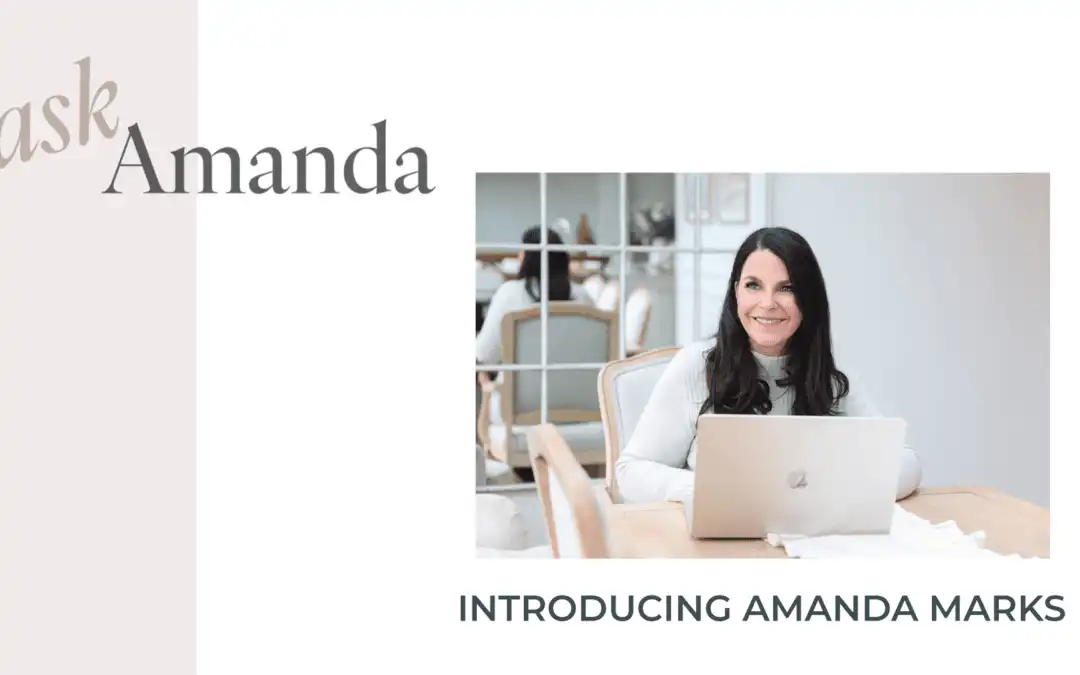
Introducing Amanda Marks
We’re thrilled to welcome our new columnist Amanda Marks. Amanda is a Renowned Breastfeeding, Food & Sleep Consultant
With over 40 years of experience supporting families, Amanda Marks is a highly respected breastfeeding, food, and sleep consultant. Based in prestigious locations including 10 Harley Street, London, and Alderley Edge, Cheshire, Amanda has worked with families from diverse backgrounds, including media personalities and royalty, maintaining the highest standards of confidentiality.

An Interview with English Professional Boxer Chris Billam-Smith
At BROOD, we’re always drawn to stories that celebrate not just professional triumphs, but the heart and humanity behind them. Someone who embodies this spirit perfectly is Chris Billam-Smith—a world-class athlete
whose grit in the ring is matched only by his devotion to his family.

Why Family Gardening Is Having a Quiet Comeback
There’s a noticeable shift happening in how families spend their time. It isn’t loud or trend-led, and it’s rarely documented with before-and-after shots. Instead, it’s quieter and slower, rooted in small routines and shared moments. Family gardening is part of that change.

From Parliament to the Premier League: Campaigning for survivors of domestic abuse during this #16DaysOfActivism
Our Head of Social Causes and Sub-Editor Teresa Parker was joined by BROOD Editor-in Chief Lolo Stubbs at an event in Parliament on the 2nd December 2025 to mark ten years of coercive control legislation. Teresa organised the event through her consultancy Teresa Parker Media, in partnership with Hawkins, Laxton & Co, which is run by her former colleagues Clare and Sian.

WHY PARENTS NEED A WILL (Even If You Don’t Think You Do)
A lot of people still think wills are only for the wealthy or the elderly. I hear this all the time. In reality, wills are about far more than dividing up money.