Can exhibition stands really be eco-friendly?
You might not realise it, but the materials used in the manufacture of traditional exhibition stands are often a disaster for the environment.
Because they are made from wood sourced from overforested trees and contain VOC-heavy MDF and plastics laden with harmful chemicals, typical exhibition stands and their associated fixtures are no friend of the natural world.
Add to that the fact that their bulk and unwieldiness mean that they often must be transported by special freight carriers and loaded and unloaded using heavy machinery, and the carbon footprint involved in getting them to their destination is not pretty either.
But all is not lost – a new generation of exhibition display stands, fashioned from highly sustainable, lightweight and non-toxic materials, has started to hit the markets.
Below, we take a closer look at how these sustainable exhibition stands are about to revolutionise the way exhibition stands are manufactured and transported.
Recycled Materials
At the heart of the shift to a more sustainable paradigm in the world of exhibition stands is the use of materials from recycled and sustainable sources.
That means that both the woods and metals that go into the stands are now increasingly sourced from reclaimed and recycled sources.
The main sustainable materials used in exhibition stands include:
- FSC-certified or reclaimed wood: Used in the structural frames and base fixtures in exhibition displays due to its weight and sturdiness.
- Aluminium: A widely recycled and lightweight metal that is used to manufacture the outer frames of exhibition stands.
- Cardboard or honeycomb panels: Used across panels, signs, and boards in an exhibition installation.
- Xanita: Fibreboard panels used in display panels, made from the chippings and waste produced in wood cutting.
Recycled PET bottles: Deployed in the tension frames used to mount eco-friendly fabric graphics.

Modularity
Not only are the materials that go into exhibition stands now often taken from sustainable sources, but the stands themselves are also made to be reused and repurposed after an event.
In the past, this was not always the case – a stand might be a one-off and disposed of once it had served its purpose.
Today, exhibition stands are often made to a modular design, meaning they can be quickly and easily adapted to different spaces and therefore reused at different venues.
This modularity also means they can be packaged and shipped in flatpack-type packages or even in long cylindrical tubes, dramatically reducing their size and weight, and therefore their transportation costs.
Transportation
It’s easy to overlook just how carbon-heavy getting an exhibition stand to and from a venue can be.
Traditional stands can be bulky as they are made from dense, heavy woods, and their lack of modularity means they must often be shipped ready assembled.
This adds to their carbon footprint because they have to be transported to and from venues in large diesel vehicles and loaded and unloaded with fossil-fuel-powered machinery.
The move to more lightweight materials and modular design means that exhibition stands can now be transported to and from venues more easily and less carbon-intensively than ever before.
Fabric Graphics
The graphics traditionally used in exhibition stands can be laden with PVC, a type of plastic that requires a heavy dose of fossil fuels and chlorine in its manufacture.
Understandably, PVCs are miserable from an ecological point of view.
Fabric graphics, on the other hand, are much more eco-friendly, as they are made from recycled polyester (rPET), which comes from used plastic drink bottles.
Plus, fabric graphics can be mounted using tension frames, not heavy adhesives, meaning you don’t have to resort to chemical-laden glues to get graphics and images to stay in place.
Low-Voc Paints
Volatile Organic Compounds (VOCs) have been commonly used in the manufacture of paints, solvents and adhesives for decades.
VOCs, however, are suspected to be carcinogenic and have been associated with a host of other serious health issues.
Today, you can buy stands that use solvent-free paints and coatings, meaning the graphics you see at an exhibition will be vivid and hard-wearing, but free from the harmful chemicals that have traditionally been used to produce them.
Conclusion
Happily, the world is moving to the use of more eco-friendly materials in many of its consumer products, and exhibition stands haven’t been left untouched by this trend.
Go Displays has been at the centre of these developments.
The company offers an eco-friendly array of exhibition boards, including super lightweight 4.5 mm cardboard displays, ideal for banners and backdrops, and Xanita stands, fibreboard-based boards that are toxic-free and entirely recyclable.


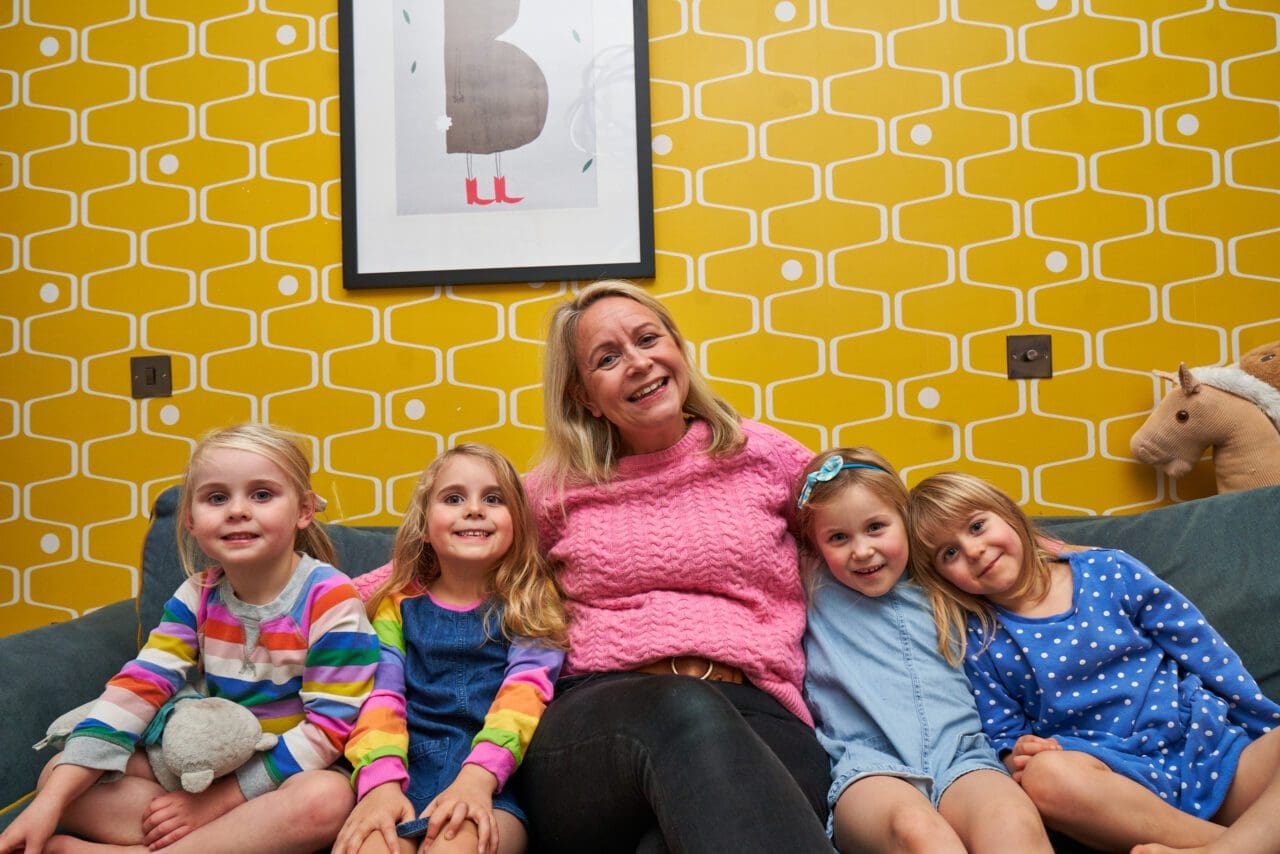
Building a Brand as a Working Parent: The Bit Nobody Talks About (The Loneliness)
Building a brand as a working parent looks great on paper — flexible hours, doing something you love, creating a life that fits around family. But the reality is often messier. You’re juggling school runs and deadlines, client work and packed lunches, confidence wobbles and cash flow worries… and somehow you’re expected to show up online like you’ve got it all under control.
The Balance of Play
I hate admitting that because I value play so deeply, especially in those precious early years. It’s how our children learn, explore, imagine and build confidence. But as a mum trying to keep a household running and a business growing, it’s not always easy to appreciate those moments.
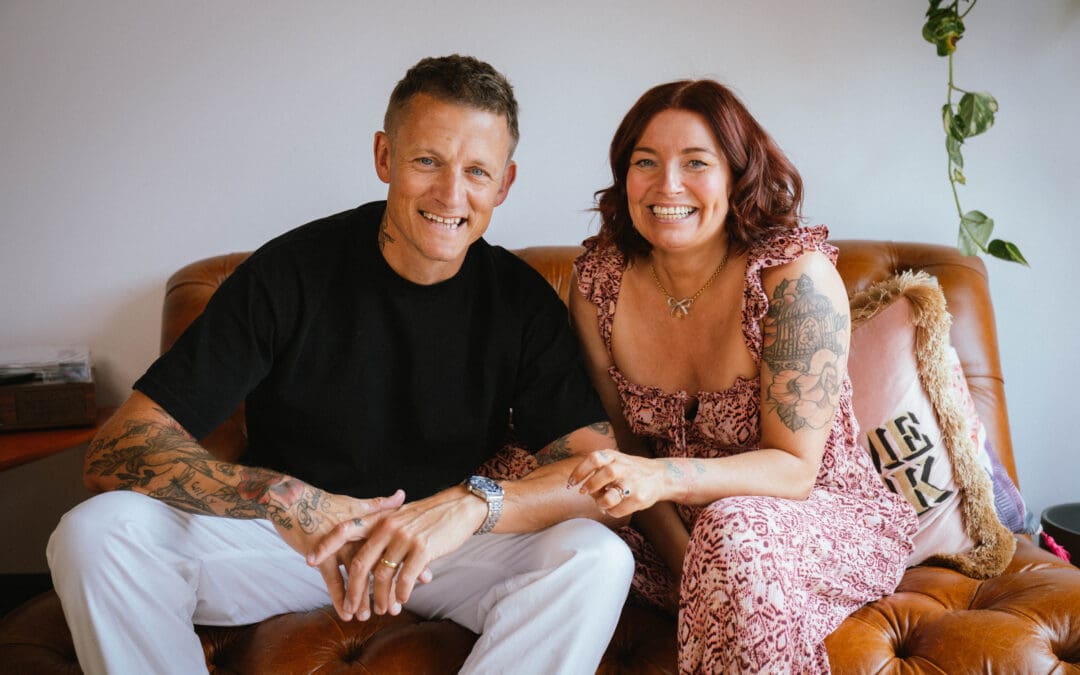
Part Time Working Mummy Interview: Rachaele Hambleton & Josh Marshall
Rachaele Hambleton, aka Part Time Working Mummy, is an inspirational mum of six. The incredible 43-year-old is a Sunday Times Bestselling Author—four times over—founder of The Patchwork House, a support and guidance service for vulnerable individuals and families, and she’s also a successful entrepreneur, which includes her own clothing brand REBL.
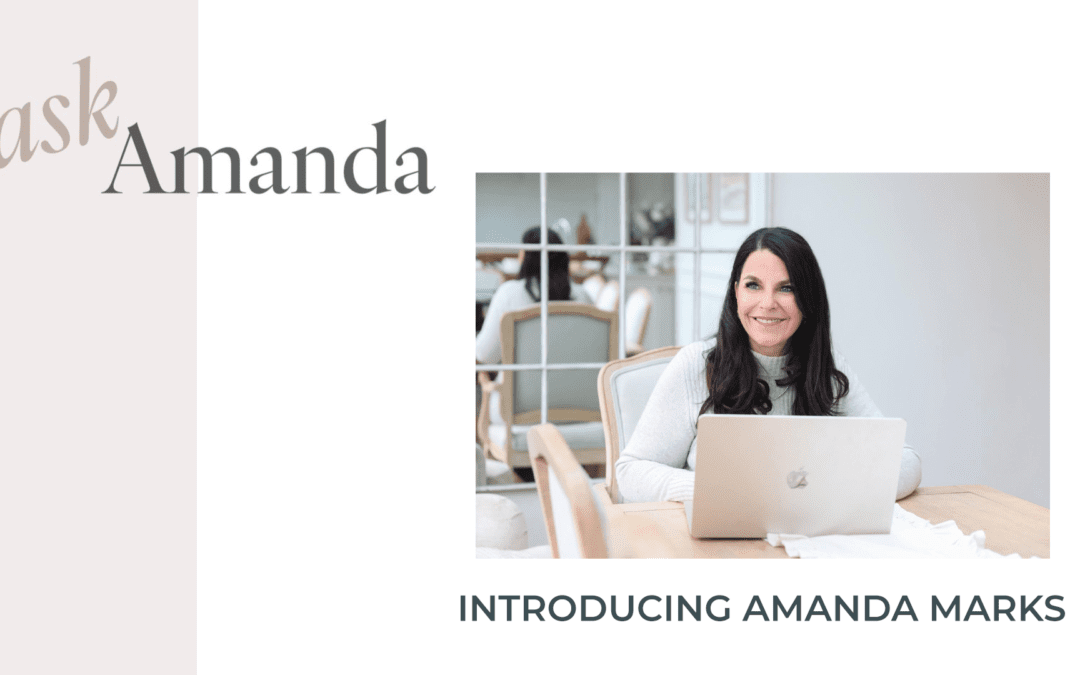
Introducing Amanda Marks
We’re thrilled to welcome our new columnist Amanda Marks. Amanda is a Renowned Breastfeeding, Food & Sleep Consultant
With over 40 years of experience supporting families, Amanda Marks is a highly respected breastfeeding, food, and sleep consultant. Based in prestigious locations including 10 Harley Street, London, and Alderley Edge, Cheshire, Amanda has worked with families from diverse backgrounds, including media personalities and royalty, maintaining the highest standards of confidentiality.

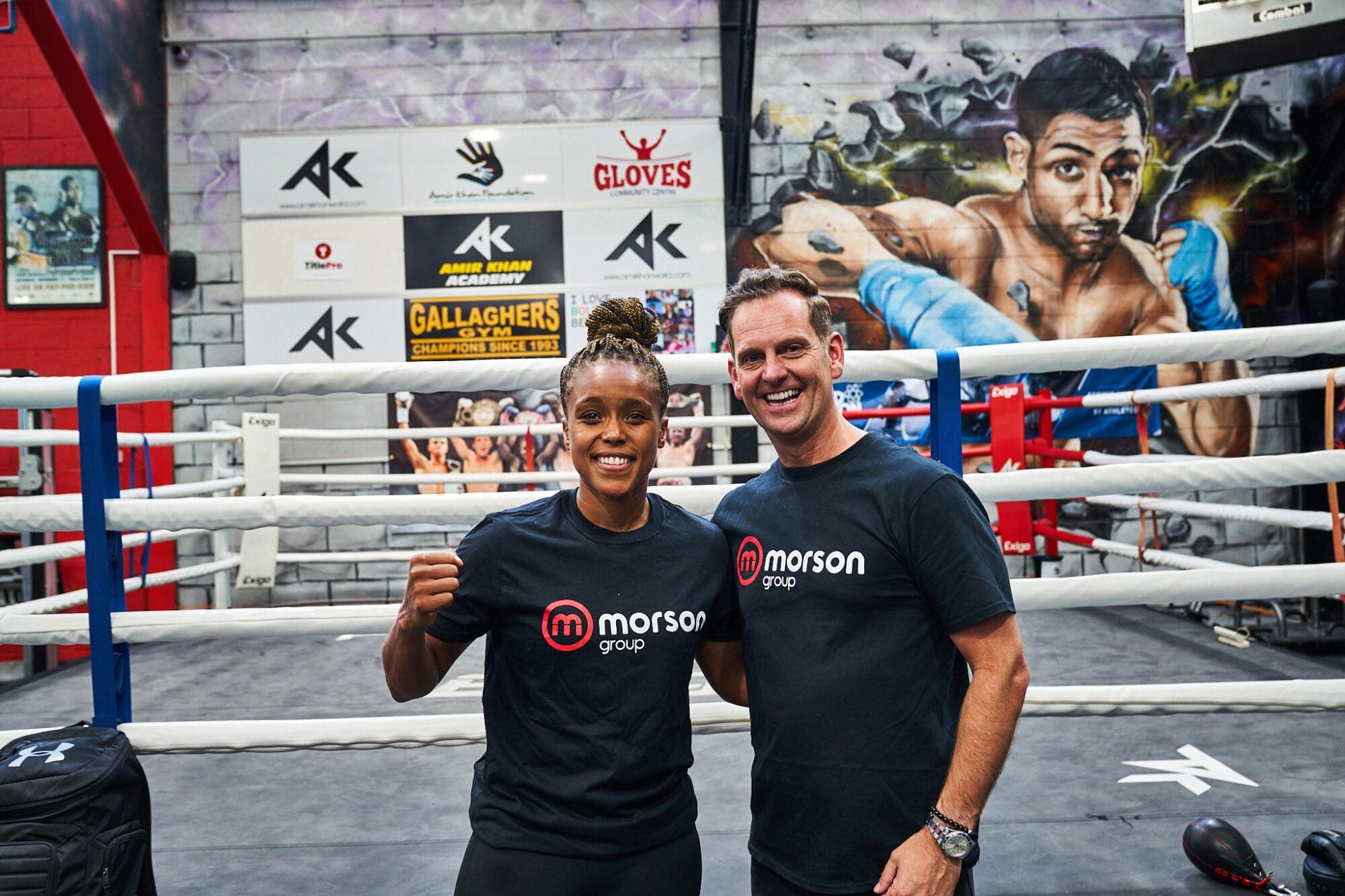
An Interview with English Professional Boxer Chris Billam-Smith
At BROOD, we’re always drawn to stories that celebrate not just professional triumphs, but the heart and humanity behind them. Someone who embodies this spirit perfectly is Chris Billam-Smith—a world-class athlete
whose grit in the ring is matched only by his devotion to his family.
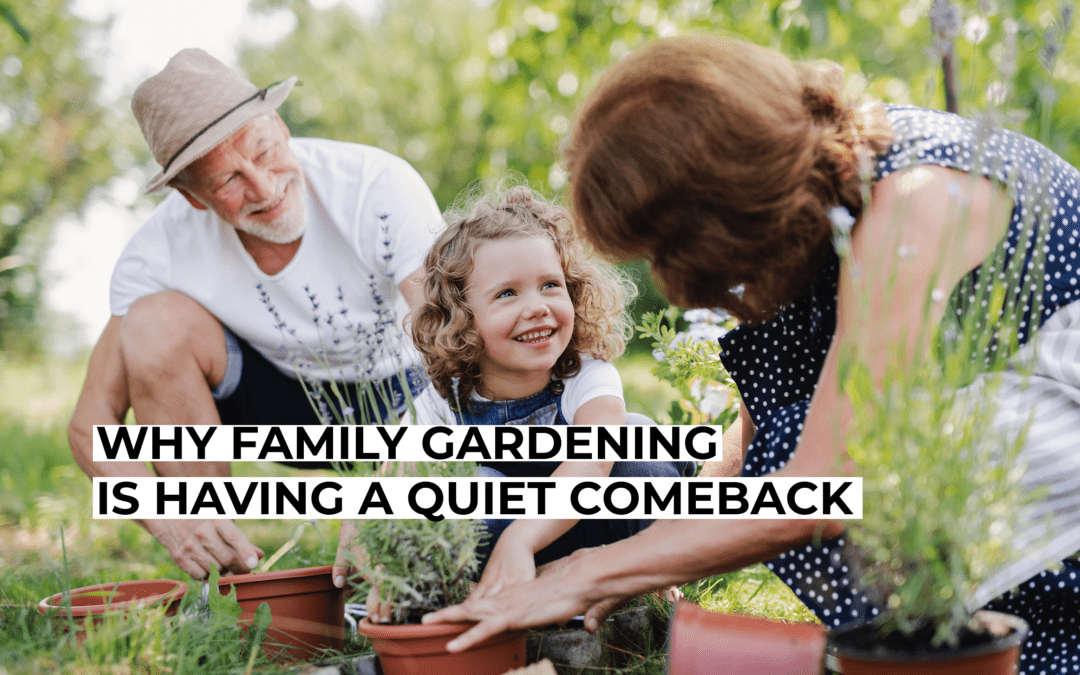
Why Family Gardening Is Having a Quiet Comeback
There’s a noticeable shift happening in how families spend their time. It isn’t loud or trend-led, and it’s rarely documented with before-and-after shots. Instead, it’s quieter and slower, rooted in small routines and shared moments. Family gardening is part of that change.

From Parliament to the Premier League: Campaigning for survivors of domestic abuse during this #16DaysOfActivism
Our Head of Social Causes and Sub-Editor Teresa Parker was joined by BROOD Editor-in Chief Lolo Stubbs at an event in Parliament on the 2nd December 2025 to mark ten years of coercive control legislation. Teresa organised the event through her consultancy Teresa Parker Media, in partnership with Hawkins, Laxton & Co, which is run by her former colleagues Clare and Sian.
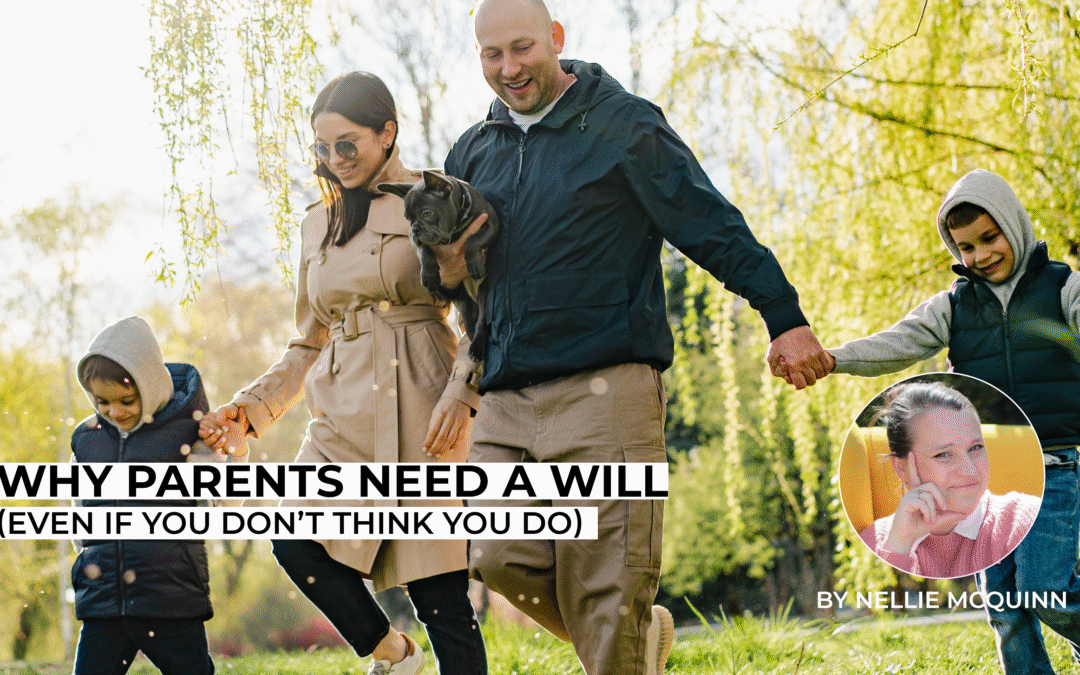
WHY PARENTS NEED A WILL (Even If You Don’t Think You Do)
A lot of people still think wills are only for the wealthy or the elderly. I hear this all the time. In reality, wills are about far more than dividing up money.
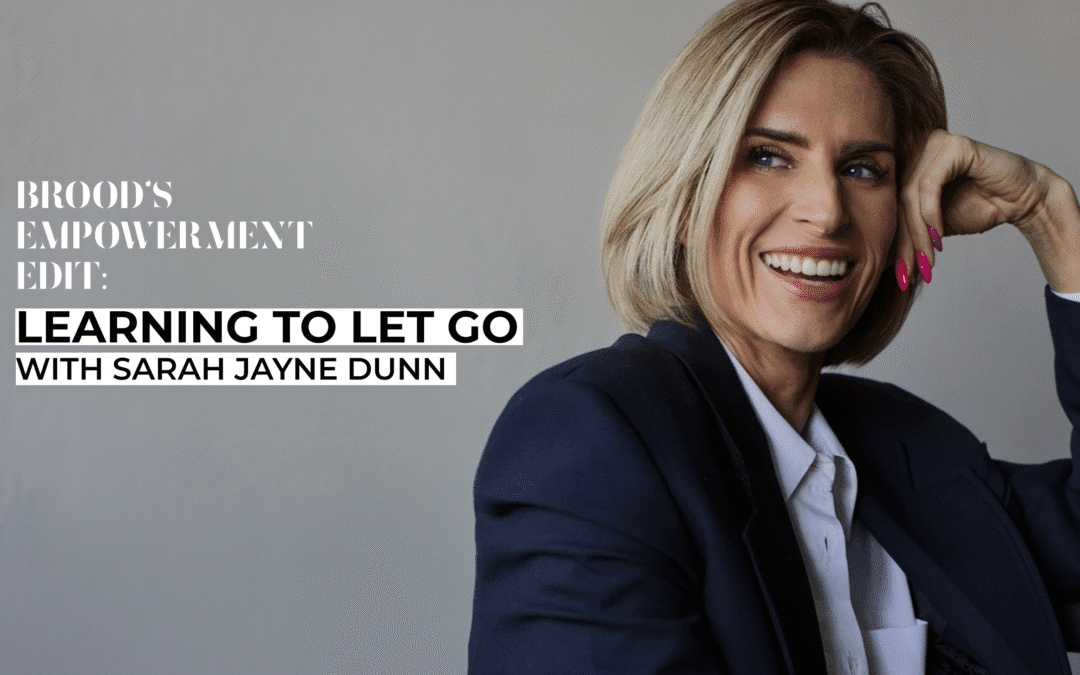
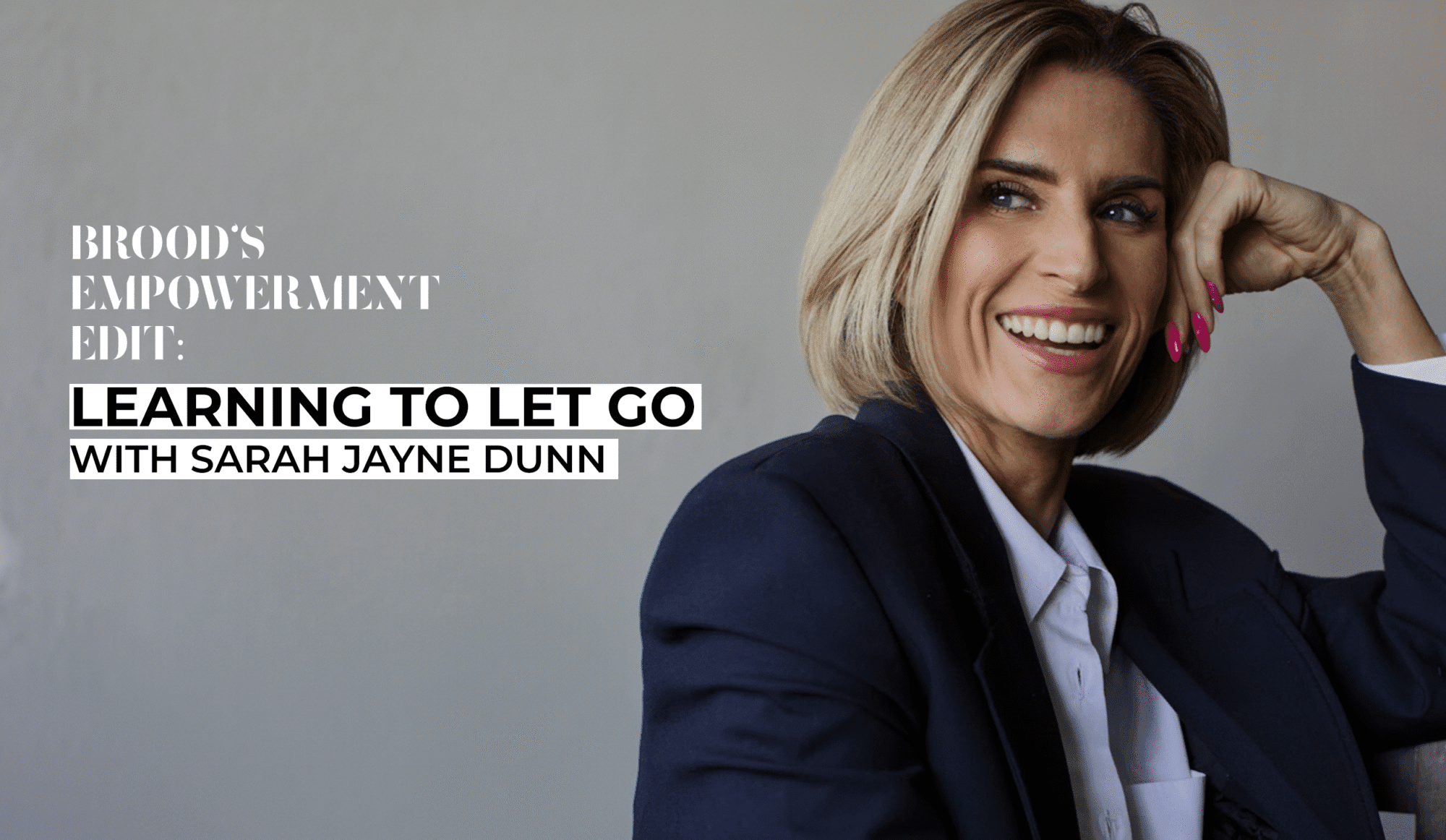
Learning to let go – the empowerment edit with Sarah Jayne Dunn
Have you ever found yourself in a situationship that doesn’t serve you? You’re not sure why, you can’t quite put your finger on it, but deep down, something doesn’t feel right. Your gut is nudging you, your heart feels heavy, the energy is off, and somewhere in the background, the alarm bells are starting to ring.
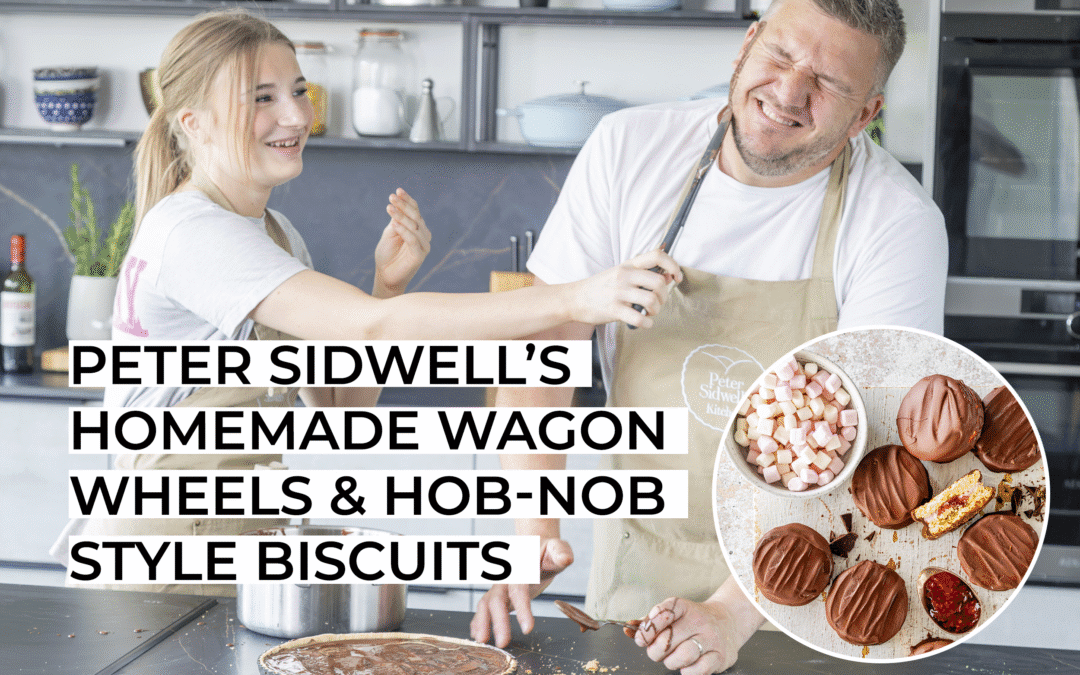
PETER SIDWELL’S HOMEMADE WAGONWHEELS & HOB-NOB STYLE BISCUITS
This month, I’m thrilled to share two of our all-time favourite bakes: our homemade Hob Nobs and nostalgic Wagon Wheels. These recipes are more than just sweet treats—they’re time capsules. The Hob Nobs came from a rainy weekend when we had oats, butter, and not much else in the cupboards. The kids loved rolling the dough into little biscuit balls and watching them flatten in the oven. Dipping them in chocolate was the final touch—well, that and licking the spoon clean!