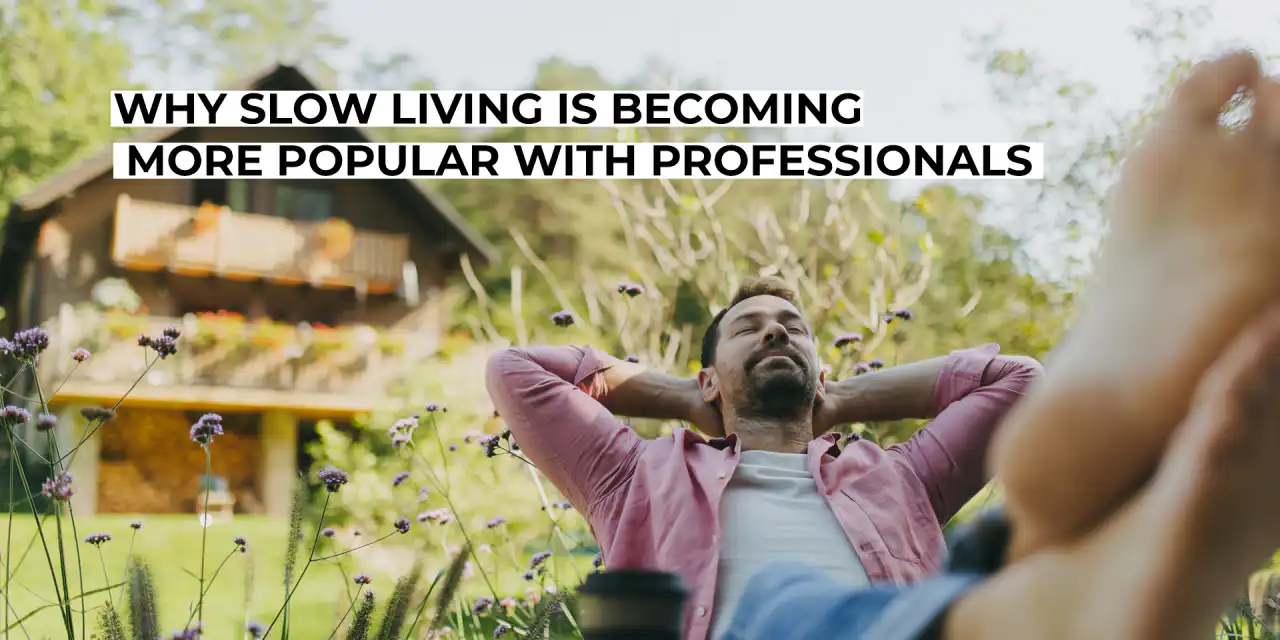
Why Slow Living Is Becoming More Popular With Professionals

[Photo by anyaberkut on Canva].
Modern work culture often rewards speed. Busy calendars, constant notifications, and the pressure to always be available can make it feel as though productivity is the only measure of success. While ambition remains important, many professionals are beginning to question whether a fast-paced lifestyle is sustainable in the long run.
That shift in thinking has contributed to the growing popularity of slow living. Rather than encouraging people to do less, slow living focuses on being more intentional with how time, energy, and attention are spent. It promotes balance over busyness and quality over quantity. For professionals looking to avoid burnout while maintaining fulfilling careers, this mindset offers a practical way to create healthier daily routines.
What Slow Living Really Means
Despite its name, slow living is not about giving up career goals or avoiding responsibility. Instead, it encourages people to make thoughtful decisions instead of constantly reacting to demands.
A slow living approach often includes:
- Prioritizing meaningful work over unnecessary tasks.
- Creating boundaries between work and personal life.
- Choosing hobbies that encourage presence instead of multitasking.
- Making time for genuine rest rather than simply scrolling through a screen.
This lifestyle recognizes that being constantly busy doesn’t automatically lead to better results. In many cases, stepping back allows people to focus more effectively on what truly matters.
Why Professionals Are Rethinking Constant Productivity
Many careers now blur the line between work and home. Emails arrive after office hours, meetings fill calendars, and smartphones make it difficult to fully disconnect.
As a result, professionals are searching for ways to regain control of their time. Slow living offers a framework that helps people become more intentional about how they spend their days.
Some common changes include:
Setting Clear Boundaries
Ending the workday at a consistent time allows the mind to transition into personal time instead of remaining focused on work well into the evening.
Choosing Fewer Priorities
Rather than trying to accomplish dozens of tasks every day, many professionals focus on completing their most important work with greater attention.
Making Space for Reflection
Regular moments of quiet can help people evaluate whether their schedules align with their personal goals instead of simply staying busy out of habit.
These small adjustments often create a greater sense of balance without reducing professional commitment.

Rediscovering Offline Hobbies
One of the defining characteristics of slow living is making time for activities that don’t revolve around productivity. Hobbies provide an opportunity to enjoy experiences simply because they are rewarding.
Reading, gardening, painting, cooking, and collecting physical media are all examples of activities that encourage people to slow down and be present.
Listening to music through CDs is another way many people intentionally disconnect from digital distractions. Browsing collections from brands such as Evergreen Vinyl offers music enthusiasts the opportunity to enjoy physical albums without relying entirely on streaming platforms. Whether you’re rebuilding an old collection or discovering new releases, exploring the selection at Evergreen Vinyl can become part of a relaxing hobby that encourages a slower, more mindful evening routine.
Unlike endlessly skipping through playlists, listening to a complete album encourages uninterrupted attention and creates dedicated time away from work notifications.
Creating Daily Habits That Support Slow Living
Slow living isn’t achieved through dramatic life changes. Instead, it develops through small, consistent habits that make everyday life feel more manageable.
Protect Your Morning
Starting the day without immediately checking work messages creates space to prepare mentally before responding to outside demands.
Schedule Time for Rest
Downtime deserves a place on the calendar just as much as meetings do. Whether it’s an evening walk, reading, or listening to music, planned relaxation is easier to maintain than hoping free time appears.
Reduce Digital Clutter
Turning off unnecessary notifications or setting designated times to check emails helps reduce constant interruptions throughout the day.
Focus on One Activity at a Time
Multitasking often divides attention instead of improving efficiency. Giving full attention to one task usually results in higher-quality work and a greater sense of accomplishment.
Building a Home Environment That Encourages Balance
The spaces people spend time in have a noticeable influence on how they feel. A home that supports relaxation makes it easier to separate work responsibilities from personal time.
Simple adjustments can make a meaningful difference:
- Keep work equipment in a dedicated area whenever possible.
- Create a comfortable reading or listening space.
- Reduce unnecessary clutter in frequently used rooms.
- Display items connected to personal interests and hobbies.
- Establish evening routines that signal the workday has ended.
These environmental cues reinforce healthier habits and help professionals mentally transition between different parts of the day.
Many people also find that revisiting physical collections, including books, photographs, or music, creates a stronger sense of connection than constantly consuming digital content. Evergreen Vinyl is one example of how physical media continues to appeal to people looking for a more intentional way to enjoy music at home.
Finding a Sustainable Pace for Long-Term Success
Slow living isn’t about rejecting ambition. Instead, it’s about recognizing that lasting success depends on maintaining both professional performance and personal wellbeing.
Professionals who develop sustainable routines often find it easier to stay engaged with their work because they have opportunities to rest, recharge, and pursue interests outside their careers. Over time, these habits can support greater focus, improved creativity, and a healthier relationship with work itself.
The goal isn’t to eliminate busy periods. Every career has demanding seasons. Slow living simply encourages people to balance those periods with routines that promote recovery and intentional living.
Final Thoughts
As more professionals seek healthier ways to navigate modern work, slow living continues to gain attention for good reason. It encourages thoughtful choices, meaningful routines, and a greater appreciation for life outside of work.
You don’t need to completely change your career or lifestyle to embrace this mindset. Small adjustments—such as setting clearer boundaries, making time for offline hobbies, and creating moments of uninterrupted rest—can gradually lead to a more balanced and fulfilling daily life. By focusing on what truly matters instead of constantly doing more, professionals can build routines that support both long-term wellbeing and lasting career satisfaction.



From Family Factory Roots to Supermarket Shelves: The Inspiring Rise of Good Bubble
From a family toiletries business to landing in 268 Sainsbury’s stores nationwide, Manchester sisters Amy Lister and Sally Wordsworth share how resilience, skin-kind ingredients, and the Gruffalo helped Good Bubble reach supermarket shelves.

Ready to Get Your Sh*t Together? Join BROOD’s Free Q4 Masterclass Series
Ready to finish 2026 strong? BROOD is hosting 4 FREE online mini-masterclasses from 14–17 September covering Goal Setting, Time Blocking, Money Mindset, and Visibility. Register your free spot today!

Beyond the Manosphere: Why Boys Need Men Who Speak Up
Dr Carolyne Keenan explores how online manosphere narratives impact young men and explains why positive male role models are essential for shaping a healthy, grounded vision of masculinity

Parenthood Unfiltered: The First Good Dad I Ever Knew
Rachaele Hambleton (Part Time Working Mummy) reflects on growing up without a positive father figure, escaping domestic abuse, and how finding a true partner changed everything for her and her six children. A moving look at presence, healing, and what makes a truly good dad.

Escape the Chaos & The Family Lunch: Food Review
Escape the chaos of the summer holidays and moving boxes with a true taste of Italy. Join us for a family-friendly review of San Carlo Alderley Edge, featuring their fantastic new kids’ menu, authentic Italian dishes, and a stress-free dining experience for parents and children alike.

Beyond “Daddy Daycare”: What Day-One Rights Mean for Working Dads
From day-one flexible working requests to dismantling outdated “daddy daycare” tropes, the UK workplace landscape is shifting. Discover what the new legislation means for working fathers, co-parenting equality, and your career.

Ryan Libbey on the True Meaning of Strength, Parenting & Modern Masculinity
Fatherhood and a traumatic first year reshaped Ryan Libbey’s understanding of true strength, partnership, and modern masculinity. From navigating primary caregiving and supporting his partner Louise through medical trauma to writing “Letters to Leo” and challenging the noisy toxicity of the “Manosphere,” Ryan shares his honest, vulnerable journey on what it really means to show up as a present dad.

Back to School 2026: The Ultimate Kids’ Essentials & Parent Hacks
Back to School Special Back to School 2026: The Ultimate Kids’ Essentials & Parent Hacks From seamless uniform upgrades to smart tech that keeps kids focused and safe, here is our editorial edit for the new school term. Between sorting uniforms, replacing outgrown...

Why Learning a Language as a Busy Parent Is One of the Best Things You Can Do (And How to Actually Make It Happen)
Travel Why Learning a Language as a Busy Parent Is One of the Best Things You Can Do (And How to Actually Make It Happen) No classroom. No fixed timetable. Just you, a real tutor, and a skill that'll stick around for life. When was the last time you did something...

Ibiza Comes to London: Why the Alto x Cotton Beach Club Collab Belongs on Every Parent’s Night-Off List
Ibiza isn’t on the cards for most of us this summer — but that doesn’t mean you can’t get a taste of it. Alto by San Carlo has partnered with the iconic Cotton Beach Club Ibiza for two exclusive evenings on the rooftop of Selfridges, London. Think sun-soaked Mediterranean food, live DJ sets, Champagne and London’s skyline as your backdrop. Two dates only — and honestly? You deserve this one.