

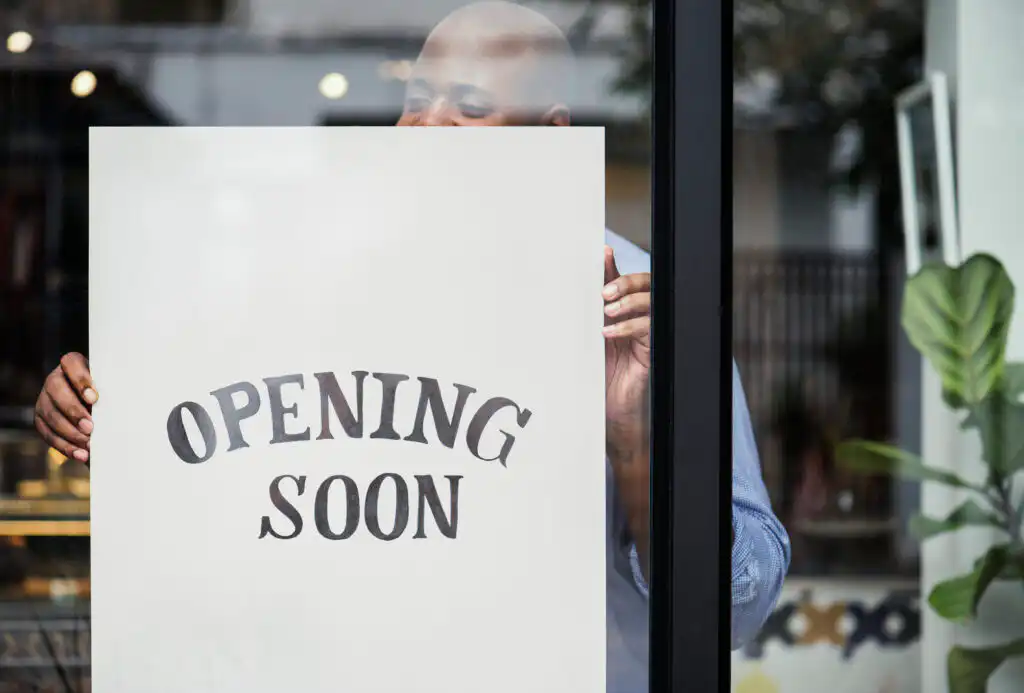
Thinking of starting a pop-up business? Here’s what you actually need to get going
In recent years, pop-up shops have gone from something of a novelty to a viable business idea. With no fixed location, it’s a business model that brings a heap of unique advantages, from an ever-changing audience to lower financial risks, all with the excitement of taking your brand on the road.
That being said, opening a pop-up business isn’t easy. Whether you’re working out what to expect or getting ready to build your brand, we’ve put together this guide detailing exactly what you need to do to get started.
Start With Your Finances
When building a brand, your finances are always going to be crucial to your success. With a pop-up business, you’ll typically have fewer initial expenses, but that doesn’t mean you can skip the money side of your set-up.
In fact, organised finances are going to be pivotal for ensuring you maintain a steady cash flow. Pop-up brands often have super tight windows between income and expenses, with very little wiggle room for errors in your budgeting. You need to be sure you’re not going to burn through cash between events, helping you stay in the green during those in-between periods.
As you begin organising your finances, make sure you:
- Set up a dedicated business account to separate your business and personal finances.
- Create a realistic and thorough start-up budget, including projected expenses alongside current costs.
- Calculate your break-even point to understand how much you need to sell to cover your costs.
- Keep records of all your income and expenses.
- Prepare to set aside a portion of your income for tax (exactly how much will depend on your business structure and annual income).
Remember, your finances don’t have to be set in stone. You can review and adjust everything, from your budget to your record-keeping system, as you go, so you don’t need to perfect everything right now. Just get the basics set up, and you can refine your systems once you’ve opened your doors.
Register Your Pop-Up Business
Just like all new business ideas, you’ll need to register your pop-up brand. In the UK, you’ll need to do this through the government website, and deadlines vary depending on the business structure you choose:
- As a sole trader, you need to register with HMRC by 5th October in your second tax year, or as soon as your income exceeds £1,000. Whichever comes first.
- As a limited company, you need to register with Companies House before you start trading, and register for Corporation Tax within 3 months of business activity.
Make sure you register in time to avoid any legal action, and follow the corresponding tax laws for your business structure. It might not be the most exciting task, but it’s a legal essential when you start a business.

Use a Flexible and Portable Setup
Once your financial and tax admin is out of the way, you can move on to getting ready for your first event! This includes creating your actual pop-up shop setup.
When designing your space, it’s crucial that you balance aesthetics with function, particularly when it comes to portability. You’re going to be putting up and taking down your shop repeatedly, so make sure you choose fixtures that are simple to manoeuvre.

Think lightweight tables, foldable furniture, and stackable storage boxes. Modular set-ups are brilliant, too, allowing you to reconfigure your display to suit the space you’re in.
As you start gathering ideas, consider how your set-up will work in different environments. If you know, for example, that you might attend outdoor markets alongside indoor spaces, you’ll need your display to be adaptable to the weather.
Bonus tip: Before investing in lots of fixtures, practise assembling and dismantling a mock set-up in your home. This gives you the chance to make sure you’re choosing items that are easy to put up and take down, and that everything works seamlessly, even when you’re on a tight schedule.
Invest in Your Branding
As a pop-up business, you’re going to have limited time to make an impression on your target audience. This is why clear, engaging branding is so crucial, helping you make the most of your limited time window.
When developing your branding, start by working on these key elements:
- Logo: Create a recognisable logo that works across different formats, from shop signage and banners to business cards and social media. You want it to be eye-catching and reflect your brand identity, giving your target audience a visual identity to latch onto.
- Colour palette: Choose a selection of complementary colours to use across your branding. These should reflect your brand’s personality and work with your overall aesthetic for a cohesive look that’s instantly recognisable.
- Typography: Select fonts that are easy to read and suit your brand’s tone of voice. Stick to a ‘less is more’ ethos; you don’t want more than 2-3 fonts across your marketing.
- Packaging: If you’re selling products, give them a little extra oomph with branded packaging. This might include tissue paper in your brand colours, branded gift boxes, and paper bags stamped with your logo.
Unsurprisingly, these tasks take a lot of time and know-how. If you’re not feeling super confident that you know what you’re doing, or you simply don’t have the time to do it, consider outsourcing to a professional branding agency.
A trusted team will use their experience to create a visual identity for your pop-up that engages your audience, tells your brand story, and leaves a lasting impression, ticking all the boxes of good branding.
Final Thoughts
Starting a pop-up business can be challenging, but it’s also incredibly exciting and rewarding. Just remember to get your finances straight, follow tax laws, and adapt to your unique, portable business model, and you’ll be well on your way to building a legitimate brand.
Looking for more articles on business and work? Check out the latest articles on brood.