
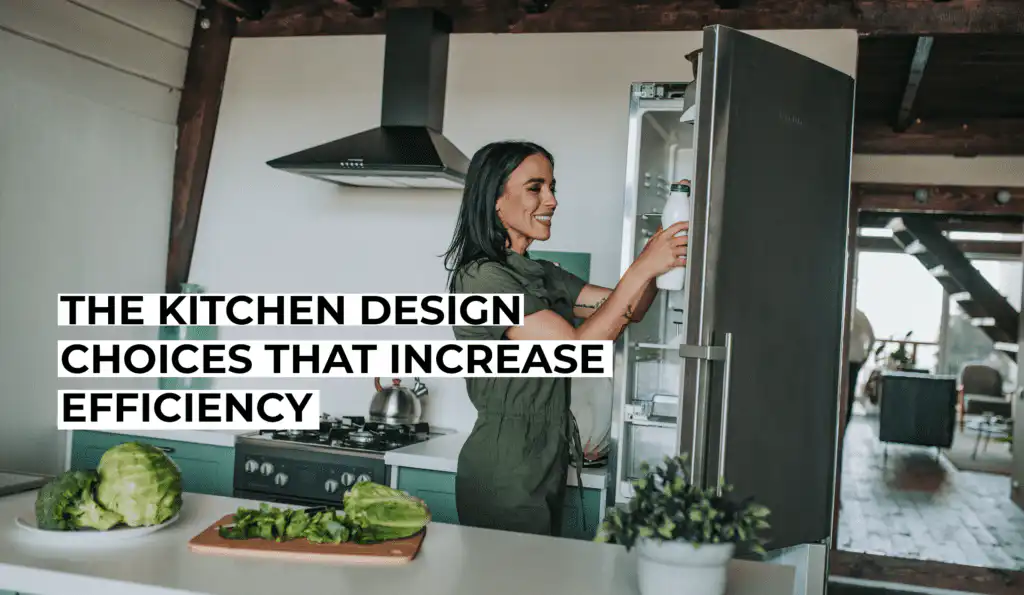
The kitchen design choices that increase efficiency – and the ones that make cooking more difficult
You’ve recently posted, I’m not sorry, where you mentioned that when you returned to work after having your first two children, you returned almost ‘smaller’ and quite apologetic. You have shared your understandable frustrations around that. How different will the experience be for you this time around? Do you feel stronger than you did previously?
Anna: “I’m just not taking it anymore, you know. %91Anna talks passionately%93 I think things have and are changing; it’s not a case of employers changing things, I think women are changing things because we’re 50% of the population and we’re just saying ‘No!’. We’re saying, ‘No, call my daughter’s father as well as me when she’s in nursery!’ (And that’s nothing against the amazing key workers who work with our children.) But the expectation, the bulk of childcare, is still strapped firmly to female shoulders. It’s not that we’re fighting some revolution. It’s evolution. That’s the difference. And I think people see that, with the work I do, the work the ‘Pregnant Then Screwed’ group does, the work that the Fawcett Society does – all these amazing organisations shine a light on this. People say to me ‘Oh my God, this is big what you’re all doing!’ and I’m like, no, it’s what it should have been there in the first place! That’s what equality is. It’s rebalancing a system that is structured and built for women, specifically mothers to fail. So I am not apologising anymore for a system that is set up for me, for my daughters, for my daughter’s-daughter’s to fail. It’s not my fault. It’s not your fault. and it needs fixing!”
Is it that personal experience that inspired you to start Flex Appeal? (The campaign for more flexible working for everyone)
Anna: “I think when I started speaking about the other side of the motherhood story, which wasn’t just about what maternity bag to buy or, ‘how to pack your hospital bag.’ It was about the real-time frustrations around giving up, not just work, but your purpose, of yourself, the expectation that you just step back. I decided, actually, do you know what this needs? Governmental change. This needs structural change. So that is when I launched Flex Appeal, which was our lobbying body/platform/organisation for the exhausted women in the street shouting, ‘ I don’t care what you want to call me %91for being me%93!’ It’s that drive to change not just the narrative, but legislation. I just thought, there’s no way through this unless legislation changes for men and women. And I think that’s the big point here. This isn’t just about mums. This is about parents! It’s about dads who are just desperately frustrated that their employer won’t enable them to work flexibly because it’s seen as a ‘her-in-doors’ job still.
I say, the unconscious bias, but it’s a conscious bias that sits right there. So I needed a campaign to hook this on. That would have me, my little daughter at the time, my second daughter, and maybe this one now %91she points to her unborn child%93 knocking on the doors of Whitehall and just saying, what are you doing about the 54,000 women every year that are locked out of the workforce for daring to have a baby? Like, that’s a ridiculous amount. And that doesn’t even include gagging orders, NDA’s, etc, so you could probably quadruple that number you know.”
After 10 years of campaignin, how are you feeling now that it was recently announced the current government has decided to start the ball rolling? And how long do you think it will take to be implemented?
Yeah. Three babies, one decade, and one campaign %91she laughs.%93 I will say the proof is in the pudding because there’ve been so many governmental, political promises and until it actually happens, I don’t and I won’t believe it. So in some ways I’m taking it with a pinch of salt.
It’s quite monumental, but until flexible working is by default, that it is just assumed across the board instead of fought for, the onus is still on the employees. Until that structure changes, I won’t see any level of success. But what I would love to see, before that time is don’t wait for the laws to change if you’re an employer. Don’t take the stick approach, take the carrot approach. Why aren’t you thinking about how you can retain this brilliant talent? You’re not doing us a favour. We’re great. We’re talented. You’re cutting us out at our prime when we know so much and then you have to get somebody else in and %91have to%93 train them up. So it’s about businesses too really. I want to see cultural change. I want to see. For example a dad messaged me, and he told me that he had put his request flexible in and it was rejected on the basis that they said, ‘Can’t your ‘missus’ do that?’ That was in 2023? %91she sighs in disbelief and goes onto answer the question herself…%93 ‘You know what, No. His ‘missus’ might be working elsewhere, or might be a brain surgeon, or you know, might be doing something else. So no, the assumption that ‘her-in-doors,’ ‘ya missus,’ ‘the mum’, the ‘primary caregiver’ should automatically pick up that childcare slack, is so inherently wrong. So I want to see a cultural change around that employer going, yes, absolutely, pick up your daughter from nursery because of the old hapless dad trope, you know, ‘daddy daycare’ or ‘babysitting my children.’ any of that – we’re done with it! Like you’re parenting. I think that it’s language like that that we need to start using: parenting, parental leave, not just maternity leave. Lets unite the two sides of the procreation coin. It takes two to tango. So you know there won’t be equality unless we recognise those two sides.
” content_phone=”You’ve recently posted, I’m not sorry, where you mentioned that when you returned to work after having your first two children, you returned almost ‘smaller’ and quite apologetic. You have shared your understandable frustrations around that. How different will the experience be for you this time around? Do you feel stronger than you did previously?
Anna: “I’m just not taking it anymore, you know. %91Anna talks passionately%93 I think things have and are changing; it’s not a case of employers changing things, I think women are changing things because we’re 50% of the population and we’re just saying ‘No!’. We’re saying, ‘No, call my daughter’s father as well as me when she’s in nursery!’ (And that’s nothing against the amazing key workers who work with our children.) But the expectation, the bulk of childcare, is still strapped firmly to female shoulders. It’s not that we’re fighting some revolution. It’s evolution. That’s the difference. And I think people see that, with the work I do, the work the ‘Pregnant Then Screwed’ group does, the work that the Fawcett Society does – all these amazing organisations shine a light on this. People say to me ‘Oh my God, this is big what you’re all doing!’ and I’m like, no, it’s what it should have been there in the first place! That’s what equality is. It’s rebalancing a system that is structured and built for women, specifically mothers to fail. So I am not apologising anymore for a system that is set up for me, for my daughters, for my daughter’s-daughter’s to fail. It’s not my fault. It’s not your fault. and it needs fixing!”
Is it that personal experience that inspired you to start Flex Appeal? (The campaign for more flexible working for everyone)
Anna: “I think when I started speaking about the other side of the motherhood story, which wasn’t just about what maternity bag to buy or, ‘how to pack your hospital bag.’ It was about the real-time frustrations around giving up, not just work, but your purpose, of yourself, the expectation that you just step back. I decided, actually, do you know what this needs? Governmental change. This needs structural change. So that is when I launched Flex Appeal, which was our lobbying body/platform/organisation for the exhausted women in the street shouting, ‘ I don’t care what you want to call me %91for being me%93!’ It’s that drive to change not just the narrative, but legislation. I just thought, there’s no way through this unless legislation changes for men and women. And I think that’s the big point here. This isn’t just about mums. This is about parents! It’s about dads who are just desperately frustrated that their employer won’t enable them to work flexibly because it’s seen as a ‘her-in-doors’ job still.
I say, the unconscious bias, but it’s a conscious bias that sits right there. So I needed a campaign to hook this on. That would have me, my little daughter at the time, my second daughter, and maybe this one now %91she points to her unborn child%93 knocking on the doors of Whitehall and just saying, what are you doing about the 54,000 women every year that are locked out of the workforce for daring to have a baby? Like, that’s a ridiculous amount. And that doesn’t even include gagging orders, NDA’s, etc, so you could probably quadruple that number you know.”
After 10 years of campaignin, how are you feeling now that it was recently announced the current government has decided to start the ball rolling? And how long do you think it will take to be implemented?
Yeah. Three babies, one decade, and one campaign %91she laughs.%93 I will say the proof is in the pudding because there’ve been so many governmental, political promises and until it actually happens, I don’t and I won’t believe it. So in some ways I’m taking it with a pinch of salt.
It’s quite monumental, but until flexible working is by default, that it is just assumed across the board instead of fought for, the onus is still on the employees. Until that structure changes, I won’t see any level of success. But what I would love to see, before that time is don’t wait for the laws to change if you’re an employer. Don’t take the stick approach, take the carrot approach. Why aren’t you thinking about how you can retain this brilliant talent? You’re not doing us a favour. We’re great. We’re talented. You’re cutting us out at our prime when we know so much and then you have to get somebody else in and %91have to%93 train them up. So it’s about businesses too really. I want to see cultural change. I want to see. For example a dad messaged me, and he told me that he had put his request flexible in and it was rejected on the basis that they said, ‘Can’t your ‘missus’ do that?’ That was in 2023? %91she sighs in disbelief and goes onto answer the question herself…%93 ‘You know what, No. His ‘missus’ might be working elsewhere, or might be a brain surgeon, or you know, might be doing something else. So no, the assumption that ‘her-in-doors,’ ‘ya missus,’ ‘the mum’, the ‘primary caregiver’ should automatically pick up that childcare slack, is so inherently wrong. So I want to see a cultural change around that employer going, yes, absolutely, pick up your daughter from nursery because of the old hapless dad trope, you know, ‘daddy daycare’ or ‘babysitting my children.’ any of that – we’re done with it! Like you’re parenting. I think that it’s language like that that we need to start using: parenting, parental leave, not just maternity leave. Lets unite the two sides of the procreation coin. It takes two to tango. So you know there won’t be equality unless we recognise those two sides.
” content_last_edited=”off|desktop” _builder_version=”4.27.5″ _module_preset=”default” custom_padding=”15px|29px|30px|29px||” hover_enabled=”0″ global_colors_info=”{}” theme_builder_area=”post_content” sticky_enabled=”0″]The kitchen design choices that increase efficiency – and the ones that make cooking more difficult
The kitchen is an indispensable part of any home, even if you only use yours to entertain guests at dinner parties. But if you plan to use your kitchen practically, to cook, bake, and prepare meals, you need to figure out how to make the layout as simple to navigate as possible. It’s easy to get swept up when it comes to design choices, considering how many different trends exist. In fact, interior design trends for kitchens change faster than those for any other area of your home. Keeping up with all of them isn’t a good idea, given how expensive the remodelling projects can be.
Since you’re working with hardware and appliances, changing things is pricier and more time-consuming when it comes to the kitchen. It is a much better idea to focus on sturdy items that will last a long time and will continue to look good over the years. On top of that, if you plan to test a lot of new recipes, you must make sure that your kitchen is as efficient as possible, so that you don’t lose a lot of time when preparing meals, and that cleaning afterwards isn’t a monumental hassle. With that in mind, let’s have a look at some of the changes you could make and a handful that you need to avoid.
Below Image source: https://unsplash.com/photos/brown-wooden-seat-beside-white-wooden-kitchen-cabinet-YABErdnJPGc
SPONSORED CONTENT:
[/et_pb_text][et_pb_code _builder_version=”4.27.4″ _module_preset=”default” global_colors_info=”{}” theme_builder_area=”post_content”]
You’ve recently posted, I’m not sorry, where you mentioned that when you returned to work after having your first two children, you returned almost ‘smaller’ and quite apologetic. You have shared your understandable frustrations around that. How different will the experience be for you this time around? Do you feel stronger than you did previously?
Anna: “I’m just not taking it anymore, you know. %91Anna talks passionately%93 I think things have and are changing; it’s not a case of employers changing things, I think women are changing things because we’re 50% of the population and we’re just saying ‘No!’. We’re saying, ‘No, call my daughter’s father as well as me when she’s in nursery!’ (And that’s nothing against the amazing key workers who work with our children.) But the expectation, the bulk of childcare, is still strapped firmly to female shoulders. It’s not that we’re fighting some revolution. It’s evolution. That’s the difference. And I think people see that, with the work I do, the work the ‘Pregnant Then Screwed’ group does, the work that the Fawcett Society does – all these amazing organisations shine a light on this. People say to me ‘Oh my God, this is big what you’re all doing!’ and I’m like, no, it’s what it should have been there in the first place! That’s what equality is. It’s rebalancing a system that is structured and built for women, specifically mothers to fail. So I am not apologising anymore for a system that is set up for me, for my daughters, for my daughter’s-daughter’s to fail. It’s not my fault. It’s not your fault. and it needs fixing!”
Is it that personal experience that inspired you to start Flex Appeal? (The campaign for more flexible working for everyone)
Anna: “I think when I started speaking about the other side of the motherhood story, which wasn’t just about what maternity bag to buy or, ‘how to pack your hospital bag.’ It was about the real-time frustrations around giving up, not just work, but your purpose, of yourself, the expectation that you just step back. I decided, actually, do you know what this needs? Governmental change. This needs structural change. So that is when I launched Flex Appeal, which was our lobbying body/platform/organisation for the exhausted women in the street shouting, ‘ I don’t care what you want to call me %91for being me%93!’ It’s that drive to change not just the narrative, but legislation. I just thought, there’s no way through this unless legislation changes for men and women. And I think that’s the big point here. This isn’t just about mums. This is about parents! It’s about dads who are just desperately frustrated that their employer won’t enable them to work flexibly because it’s seen as a ‘her-in-doors’ job still.
I say, the unconscious bias, but it’s a conscious bias that sits right there. So I needed a campaign to hook this on. That would have me, my little daughter at the time, my second daughter, and maybe this one now %91she points to her unborn child%93 knocking on the doors of Whitehall and just saying, what are you doing about the 54,000 women every year that are locked out of the workforce for daring to have a baby? Like, that’s a ridiculous amount. And that doesn’t even include gagging orders, NDA’s, etc, so you could probably quadruple that number you know.”
After 10 years of campaignin, how are you feeling now that it was recently announced the current government has decided to start the ball rolling? And how long do you think it will take to be implemented?
Yeah. Three babies, one decade, and one campaign %91she laughs.%93 I will say the proof is in the pudding because there’ve been so many governmental, political promises and until it actually happens, I don’t and I won’t believe it. So in some ways I’m taking it with a pinch of salt.
It’s quite monumental, but until flexible working is by default, that it is just assumed across the board instead of fought for, the onus is still on the employees. Until that structure changes, I won’t see any level of success. But what I would love to see, before that time is don’t wait for the laws to change if you’re an employer. Don’t take the stick approach, take the carrot approach. Why aren’t you thinking about how you can retain this brilliant talent? You’re not doing us a favour. We’re great. We’re talented. You’re cutting us out at our prime when we know so much and then you have to get somebody else in and %91have to%93 train them up. So it’s about businesses too really. I want to see cultural change. I want to see. For example a dad messaged me, and he told me that he had put his request flexible in and it was rejected on the basis that they said, ‘Can’t your ‘missus’ do that?’ That was in 2023? %91she sighs in disbelief and goes onto answer the question herself…%93 ‘You know what, No. His ‘missus’ might be working elsewhere, or might be a brain surgeon, or you know, might be doing something else. So no, the assumption that ‘her-in-doors,’ ‘ya missus,’ ‘the mum’, the ‘primary caregiver’ should automatically pick up that childcare slack, is so inherently wrong. So I want to see a cultural change around that employer going, yes, absolutely, pick up your daughter from nursery because of the old hapless dad trope, you know, ‘daddy daycare’ or ‘babysitting my children.’ any of that – we’re done with it! Like you’re parenting. I think that it’s language like that that we need to start using: parenting, parental leave, not just maternity leave. Lets unite the two sides of the procreation coin. It takes two to tango. So you know there won’t be equality unless we recognise those two sides.
” content_phone=”You’ve recently posted, I’m not sorry, where you mentioned that when you returned to work after having your first two children, you returned almost ‘smaller’ and quite apologetic. You have shared your understandable frustrations around that. How different will the experience be for you this time around? Do you feel stronger than you did previously?
Anna: “I’m just not taking it anymore, you know. %91Anna talks passionately%93 I think things have and are changing; it’s not a case of employers changing things, I think women are changing things because we’re 50% of the population and we’re just saying ‘No!’. We’re saying, ‘No, call my daughter’s father as well as me when she’s in nursery!’ (And that’s nothing against the amazing key workers who work with our children.) But the expectation, the bulk of childcare, is still strapped firmly to female shoulders. It’s not that we’re fighting some revolution. It’s evolution. That’s the difference. And I think people see that, with the work I do, the work the ‘Pregnant Then Screwed’ group does, the work that the Fawcett Society does – all these amazing organisations shine a light on this. People say to me ‘Oh my God, this is big what you’re all doing!’ and I’m like, no, it’s what it should have been there in the first place! That’s what equality is. It’s rebalancing a system that is structured and built for women, specifically mothers to fail. So I am not apologising anymore for a system that is set up for me, for my daughters, for my daughter’s-daughter’s to fail. It’s not my fault. It’s not your fault. and it needs fixing!”
Is it that personal experience that inspired you to start Flex Appeal? (The campaign for more flexible working for everyone)
Anna: “I think when I started speaking about the other side of the motherhood story, which wasn’t just about what maternity bag to buy or, ‘how to pack your hospital bag.’ It was about the real-time frustrations around giving up, not just work, but your purpose, of yourself, the expectation that you just step back. I decided, actually, do you know what this needs? Governmental change. This needs structural change. So that is when I launched Flex Appeal, which was our lobbying body/platform/organisation for the exhausted women in the street shouting, ‘ I don’t care what you want to call me %91for being me%93!’ It’s that drive to change not just the narrative, but legislation. I just thought, there’s no way through this unless legislation changes for men and women. And I think that’s the big point here. This isn’t just about mums. This is about parents! It’s about dads who are just desperately frustrated that their employer won’t enable them to work flexibly because it’s seen as a ‘her-in-doors’ job still.
I say, the unconscious bias, but it’s a conscious bias that sits right there. So I needed a campaign to hook this on. That would have me, my little daughter at the time, my second daughter, and maybe this one now %91she points to her unborn child%93 knocking on the doors of Whitehall and just saying, what are you doing about the 54,000 women every year that are locked out of the workforce for daring to have a baby? Like, that’s a ridiculous amount. And that doesn’t even include gagging orders, NDA’s, etc, so you could probably quadruple that number you know.”
After 10 years of campaignin, how are you feeling now that it was recently announced the current government has decided to start the ball rolling? And how long do you think it will take to be implemented?
Yeah. Three babies, one decade, and one campaign %91she laughs.%93 I will say the proof is in the pudding because there’ve been so many governmental, political promises and until it actually happens, I don’t and I won’t believe it. So in some ways I’m taking it with a pinch of salt.
It’s quite monumental, but until flexible working is by default, that it is just assumed across the board instead of fought for, the onus is still on the employees. Until that structure changes, I won’t see any level of success. But what I would love to see, before that time is don’t wait for the laws to change if you’re an employer. Don’t take the stick approach, take the carrot approach. Why aren’t you thinking about how you can retain this brilliant talent? You’re not doing us a favour. We’re great. We’re talented. You’re cutting us out at our prime when we know so much and then you have to get somebody else in and %91have to%93 train them up. So it’s about businesses too really. I want to see cultural change. I want to see. For example a dad messaged me, and he told me that he had put his request flexible in and it was rejected on the basis that they said, ‘Can’t your ‘missus’ do that?’ That was in 2023? %91she sighs in disbelief and goes onto answer the question herself…%93 ‘You know what, No. His ‘missus’ might be working elsewhere, or might be a brain surgeon, or you know, might be doing something else. So no, the assumption that ‘her-in-doors,’ ‘ya missus,’ ‘the mum’, the ‘primary caregiver’ should automatically pick up that childcare slack, is so inherently wrong. So I want to see a cultural change around that employer going, yes, absolutely, pick up your daughter from nursery because of the old hapless dad trope, you know, ‘daddy daycare’ or ‘babysitting my children.’ any of that – we’re done with it! Like you’re parenting. I think that it’s language like that that we need to start using: parenting, parental leave, not just maternity leave. Lets unite the two sides of the procreation coin. It takes two to tango. So you know there won’t be equality unless we recognise those two sides.
” content_last_edited=”off|desktop” _builder_version=”4.27.5″ _module_preset=”default” custom_padding=”15px|29px|30px|29px||” hover_enabled=”0″ global_colors_info=”{}” theme_builder_area=”post_content” sticky_enabled=”0″]The cabinets
The cabinets are the central pieces of every single kitchen, the elements you’re most likely to notice when you visit someone else’s home. When it comes to choosing new ones, consider something classic like cream and porcelain units, as the shade will never go out of style and fits perfectly in any ensemble. The reason why this style is so timeless is because it is sophisticated and elegant but at the same time feels much warmer than the icy greys and stark whites that have dominated minimalist interior designs over the last few years. The warm tone makes the entire room feel cosy and welcoming, meaning you can create an environment that feels lived-in instead of bland and quite nondescript.
As for the materials, you need to choose something that is strong enough to withstand the temperature variations, steam, and staining that often occur in the kitchen. Hardwood is the most classic choice, a durable material that will never go out of style and which fits right in with every colour palette and design. Plywood is very popular as well due to its strength and stability. The material is also highly resistant to shrinkage. Remember that the right finishes are also very important. To ensure that your cabinets continue to look good, you need to provide them with the proper maintenance; otherwise, you’ll have no choice but to replace them more often.
One of the design choices that can make your kitchen less efficient is to choose open shelves and cabinets. While they can be used sparingly for the decorative effect, having them close to the cooking area means that fine oil mist and grease will eventually cling to the material, and you’ll be forced to clean constantly. Dust can also accumulate on the items you store on these shelves, so you have to rinse them before each use as well.
Kitchen islands
Having a kitchen island has been a trend for quite some time now, as many homeowners swear by how efficient and practical it is to have one. It’s true that they can serve as a place to socialise at dinner and give you more room to prepare larger meals. However, their size and positioning need to be considered very carefully beforehand. For a tiny kitchen, an island might actually end up having the opposite effect, standing in your way and making things more complicated. Having a kitchen island that can be moved out of the way when not in use can be very helpful in this case.
An oversized kitchen island will be more of a hindrance even if you have plenty of space at your disposal. You need to balance them out with proper work areas in order to minimise walking between tasks. So, while they’re still trendy and you should definitely include one in your kitchen if you want to, make sure that they’re placed in a manner that helps with your tasks.
Good lighting
Proper lighting is very important in the kitchen. While it is understandable why you’d want to invest in lighting that can create a relaxing atmosphere at dinnertime, task lighting is also crucial. You’re chopping ingredients and working with hot ovens and boiling oil, so you definitely don’t want to neglect safety. Pendant lights have become increasingly popular over the last few years, but they’re definitely not the right choice for every kitchen.
If you want the best of both worlds, you need to incorporate layered lighting. Under-cabinet lights can be included for improved task work and to complement recessed lights, the best choice for general illumination. Decorative ceiling lights or lamps will add personality and style, but they shouldn’t be the only options you rely on if you’re aiming for efficiency.
The layout
If you plan to have more extensive remodelling in your kitchen, it is imperative to focus on the layout for the best results. One of them is the work triangle, a layout that dictates that the sink, stovetop, and fridge should be close together. Having them far apart can make for an experience that feels kind of disjointed, as you have to make several detours and interrupt the rhythm of your cooking. Your cabinetry must be able to handle all your storage needs, so depending on how many items you have, you’ll need to plan accordingly.
Ensuring that every item has a designated space is very important as it allows you to avoid cluttered worktops. A tidy kitchen is, after all, much more likely to be efficient as well. Make sure to leave sufficient space between opposite banks of the cabinetry so that the kitchen isn’t challenging to share when more than one person is present. Having appliances together improves the workflow as well, especially if they work together, such as the sink being close to the dishwasher.
Having a practical kitchen is key for most homeowners, but in order to create the perfect design, you must take a few things into account. Planning ahead will help you come up with the best choices for your kitchen, so that you build a space you can enjoy for years.
KEEP UP TO DATE WITH BROOD:
[/et_pb_text][et_pb_code _builder_version=”4.27.4″ _module_preset=”default” background_color=”RGBA(255,255,255,0)” background_image=”https://broodmagazine.com/wp-content/uploads/2023/03/Brood-magazine-header.png” custom_margin=”9px||10px|||” animation_style=”bounce” global_module=”100561″ global_colors_info=”{}” theme_builder_area=”post_content”] #mc_embed_signup{background:#fff; clear:left; font:14px Helvetica,Arial,sans-serif; } /* Add your own Mailchimp form style overrides in your site stylesheet or in this style block. We recommend moving this block and the preceding CSS link to the HEAD of your HTML file. */ #mc-embedded-subscribe-form input[type=checkbox]{display: inline; width: auto;margin-right: 10px;} #mergeRow-gdpr {margin-top: 20px;} #mergeRow-gdpr fieldset label {font-weight: normal;} #mc-embedded-subscribe-form .mc_fieldset{border:none;min-height: 0px;padding-bottom:0px;}Please select all the ways you would like to hear from Brood Magazine:
You can unsubscribe at any time by clicking the link in the footer of our emails. For information about our privacy practices, please visit our website.
We use Mailchimp as our marketing platform. By clicking below to subscribe, you acknowledge that your information will be transferred to Mailchimp for processing. Learn more about Mailchimp’s privacy practices here.

Related Articles
[/et_pb_text][et_pb_blog include_categories=”67″ _builder_version=”4.27.4″ _module_preset=”default” custom_padding=”|17px||22px||” global_colors_info=”{}” theme_builder_area=”post_content”][/et_pb_blog][/et_pb_column][/et_pb_row][et_pb_row _builder_version=”4.16″ global_colors_info=”{}” theme_builder_area=”post_content”][et_pb_column type=”4_4″ _builder_version=”4.16″ global_colors_info=”{}” theme_builder_area=”post_content”][et_pb_code _builder_version=”4.27.4″ _module_preset=”default” global_colors_info=”{}” theme_builder_area=”post_content”]“…My daughter initially said to me, ‘Mummy, sometimes I think you don’t like me very much when you’re on the phone.”
What has been the most challenging time in your life since having to juggle both work and parenthood?
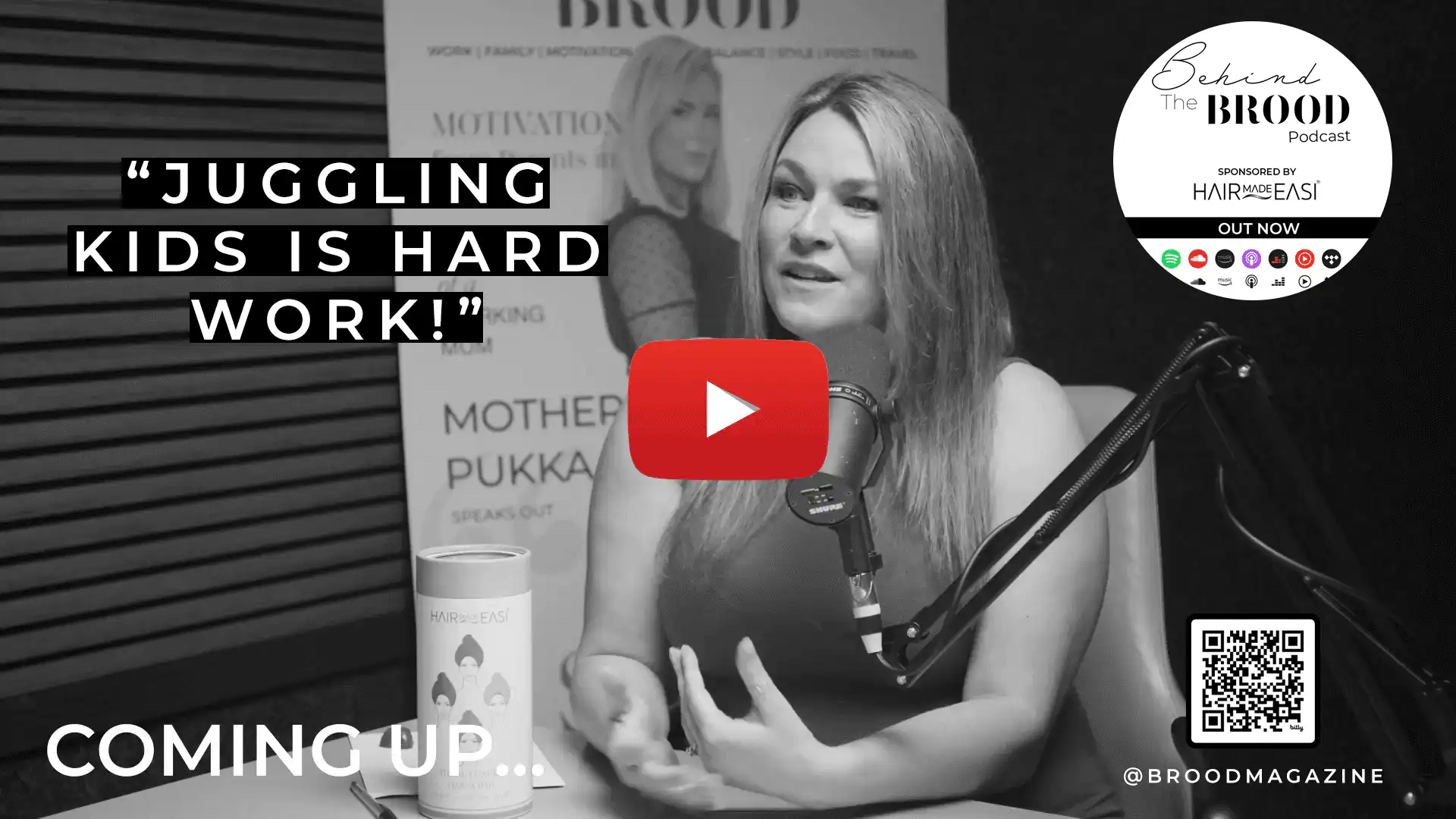
Anna: “I think this is probably something every one of your readers has gone through. Regardless of whether you are, I hate the term stay-at-home-mum because no parent stays at home, you’re out doing things all the time and everyone’s a full time mum. I think it’s really offensive when you hear, I’m a full time mum. Well no actually, I’m a full time mum too. Everyone’s a full time mum because even when you’re working, you’re still carrying the weight of parenting at the same time, That’s why it’s heavy for us all at times. The administration of that %91parenting%93. You’re carrying your child from birth to primary school even at secondary school and beyond. I think a lot of your readers would probably relate here, regardless of, if you’re a ‘stay-at-home mum’ or, you know, you work, in an office or away… when that moment where your child says ‘Mummy, why are you on your phone?’ And there’s this moment that happens, in every single parent’s day where you’re caught between everything you need to do and just being with your child. My daughter initially said to me, ‘mummy, sometimes I think you don’t like me very much when you’re on the phone.’ And it broke me. So that is the kind of thing that is challenging. It’s trying to mentally balance the love I have for them, knowing that my heart is with them, but my head is with my mortgage, with the things I need to add structure to their lives, safety, security and recognising that is also love for them. And I’m actually split in the middle and I think that our phones are quite representative of that split, that divide, that tension. Because what parent hasn’t said to their child. ‘Just a minute, just a minute.’ And then they look at you and they say, ‘has it been a minute yet.’ And you’re like, ‘just a second’ and then they’ll ask ‘Is it a second yet?.’ Then you can feel yourself rising and you feel that feeling in your chest, because what you’re trying to do is answer an email or message or a client request in the middle of maybe cooking their dinner, or do one of the thousand other things that need doing. You can then get to a point where you lose it. And I lost it the other day, I said ‘if you don’t stop fighting (over some toy that neither of them cared about) …if you don’t stop doing that, Mum is going to lose her temperature!’ And as I said temperature, they just burst out laughing. %91She laughs%93 But that’s kind of how it feels. You’re kind of like a kettle boiling. And as you do lose your temperature, you lose your temper, you lose your marbles, you lose your mind! You know, there’s so much loss in motherhood. There’s loss of hair. There’s a loss of glow. You know, you go from pregnant to not pregnant. There’s lots of skin that used to be firm and isn’t anymore. There’s loss of self. There’s loss of conversation etc. But in all of that, in the fragments of that loss, you find yourself. The best bit of standing in the middle of what can seem like rubble is looking at my two little girls and thinking, ‘I get to be your mother, I get to be your parent.” But yes, all that extra pressure that comes with being a mum I would say probably remains the most challenging job Mother Nature could ever bestow %91she laughs.%93”
And to end on a high note, what has been the highlight of your career so far?”
Anna: “I think the highlight of my career is actually, moments with my two girls. I’m really trying to carve that time out. I think it’s really easy to go to kind of accolades or moments or legislation or, you know, maybe hosting something or quite big tangible things, but the biggest thing for me is reclaiming time with them. That’s my success story. Time that I know a more archaic employer would have taken from me. So I think it’s probably sitting on the sofa on a Sunday morning, when we’re all in our PJs, whilst they eat Cheerios and you end up with one in your bra stuck to you. Those moments where they are snuggled up with you, and you can feel the warmth of their little bodies, whilst watching some inane cartoon; those are the moments you live for.
If I was going to say on a tangible level, it would be changing the law of flexible working. The flexible working bill that came into effect in April of this year. I didn’t do it on my own though, there were a hell of a lot of other organisations involved in that. But the reason that matters is because it’s something where I can say to my little girls, I did that because I’m not letting you go through what I went through. %91Anna voice quivers and her eyes fill with tears%93 I’m not letting you go through that. I just couldn’t. I couldn’t watch them go do their ABCs, and then their GCSEs and their A-levels and maybe get that first job. You know when you get a phone on a computer. Going from the excitement of that to then having someone take it away. I’m not letting them go through that. That’s what happened to me and it’s certainly not happening to this one %91She rubs her stomach%93 So yeah, I think it’s to change the structure of the world that has written us, as little girls, off!”
You can follow the inspirational Anna Whitehouse on Instagram @Mother_Pukka or visit her website: www.motherpukka.co.uk/
” content_phone=”“…My daughter initially said to me, ‘Mummy, sometimes I think you don’t like me very much when you’re on the phone.”
What has been the most challenging time in your life since having to juggle both work and parenthood?
Anna: “I think this is probably something every one of your readers has gone through. Regardless of whether you are, I hate the term stay-at-home-mum because no parent stays at home, you’re out doing things all the time and everyone’s a full time mum. I think it’s really offensive when you hear, I’m a full time mum. Well no actually, I’m a full time mum too. Everyone’s a full time mum because even when you’re working, you’re still carrying the weight of parenting at the same time, That’s why it’s heavy for us all at times. The administration of that %91parenting%93. You’re carrying your child from birth to primary school even at secondary school and beyond. I think a lot of your readers would probably relate here, regardless of, if you’re a ‘stay-at-home mum’ or, you know, you work, in an office or away… when that moment where your child says ‘Mummy, why are you on your phone?’ And there’s this moment that happens, in every single parent’s day where you’re caught between everything you need to do and just being with your child. My daughter initially said to me, ‘mummy, sometimes I think you don’t like me very much when you’re on the phone.’ And it broke me. So that is the kind of thing that is challenging. It’s trying to mentally balance the love I have for them, knowing that my heart is with them, but my head is with my mortgage, with the things I need to add structure to their lives, safety, security and recognising that is also love for them. And I’m actually split in the middle and I think that our phones are quite representative of that split, that divide, that tension. Because what parent hasn’t said to their child. ‘Just a minute, just a minute.’ And then they look at you and they say, ‘has it been a minute yet.’ And you’re like, ‘just a second’ and then they’ll ask ‘Is it a second yet?.’ Then you can feel yourself rising and you feel that feeling in your chest, because what you’re trying to do is answer an email or message or a client request in the middle of maybe cooking their dinner, or do one of the thousand other things that need doing. You can then get to a point where you lose it. And I lost it the other day, I said ‘if you don’t stop fighting (over some toy that neither of them cared about) …if you don’t stop doing that, Mum is going to lose her temperature!’ And as I said temperature, they just burst out laughing. %91She laughs%93 But that’s kind of how it feels. You’re kind of like a kettle boiling. And as you do lose your temperature, you lose your temper, you lose your marbles, you lose your mind! You know, there’s so much loss in motherhood. There’s loss of hair. There’s a loss of glow. You know, you go from pregnant to not pregnant. There’s lots of skin that used to be firm and isn’t anymore. There’s loss of self. There’s loss of conversation etc. But in all of that, in the fragments of that loss, you find yourself. The best bit of standing in the middle of what can seem like rubble is looking at my two little girls and thinking, ‘I get to be your mother, I get to be your parent.” But yes, all that extra pressure that comes with being a mum I would say probably remains the most challenging job Mother Nature could ever bestow %91she laughs.%93”
And to end on a high note, what has been the highlight of your career so far?”
Anna: “I think the highlight of my career is actually, moments with my two girls. I’m really trying to carve that time out. I think it’s really easy to go to kind of accolades or moments or legislation or, you know, maybe hosting something or quite big tangible things, but the biggest thing for me is reclaiming time with them. That’s my success story. Time that I know a more archaic employer would have taken from me. So I think it’s probably sitting on the sofa on a Sunday morning, when we’re all in our PJs, whilst they eat Cheerios and you end up with one in your bra stuck to you. Those moments where they are snuggled up with you, and you can feel the warmth of their little bodies, whilst watching some inane cartoon; those are the moments you live for.
If I was going to say on a tangible level, it would be changing the law of flexible working. The flexible working bill that came into effect in April of this year. I didn’t do it on my own though, there were a hell of a lot of other organisations involved in that. But the reason that matters is because it’s something where I can say to my little girls, I did that because I’m not letting you go through what I went through. %91Anna voice quivers and her eyes fill with tears%93 I’m not letting you go through that. I just couldn’t. I couldn’t watch them go do their ABCs, and then their GCSEs and their A-levels and maybe get that first job. You know when you get a phone on a computer. Going from the excitement of that to then having someone take it away. I’m not letting them go through that. That’s what happened to me and it’s certainly not happening to this one %91She rubs her stomach%93 So yeah, I think it’s to change the structure of the world that has written us, as little girls, off!”
You can follow the inspirational Anna Whitehouse on Instagram @Mother_Pukka or visit her website: www.motherpukka.co.uk/
” content_last_edited=”off|desktop” _builder_version=”4.27.4″ _module_preset=”default” custom_margin=”-11px||12px|||” custom_padding=”1px|29px|0px|29px||” global_colors_info=”{}” theme_builder_area=”post_content”][/et_pb_text][et_pb_divider _builder_version=”4.23.4″ _module_preset=”default” custom_margin=”||11px|||” global_colors_info=”{}” theme_builder_area=”post_content”][/et_pb_divider][et_pb_text content_tablet=”“ I’d pivoted from a successful career as a screenwriter, director and producer working in tv and film to ‘storttelling’ online fulltime, as my former job had proved completely incompatible with motherhood”
You’ve recently posted, I’m not sorry, where you mentioned that when you returned to work after having your first two children, you returned almost ‘smaller’ and quite apologetic. You have shared your understandable frustrations around that. How different will the experience be for you this time around? Do you feel stronger than you did previously?
Anna: “I’m just not taking it anymore, you know. %91Anna talks passionately%93 I think things have and are changing; it’s not a case of employers changing things, I think women are changing things because we’re 50% of the population and we’re just saying ‘No!’. We’re saying, ‘No, call my daughter’s father as well as me when she’s in nursery!’ (And that’s nothing against the amazing key workers who work with our children.) But the expectation, the bulk of childcare, is still strapped firmly to female shoulders. It’s not that we’re fighting some revolution. It’s evolution. That’s the difference. And I think people see that, with the work I do, the work the ‘Pregnant Then Screwed’ group does, the work that the Fawcett Society does – all these amazing organisations shine a light on this. People say to me ‘Oh my God, this is big what you’re all doing!’ and I’m like, no, it’s what it should have been there in the first place! That’s what equality is. It’s rebalancing a system that is structured and built for women, specifically mothers to fail. So I am not apologising anymore for a system that is set up for me, for my daughters, for my daughter’s-daughter’s to fail. It’s not my fault. It’s not your fault. and it needs fixing!”
Is it that personal experience that inspired you to start Flex Appeal? (The campaign for more flexible working for everyone)
Anna: “I think when I started speaking about the other side of the motherhood story, which wasn’t just about what maternity bag to buy or, ‘how to pack your hospital bag.’ It was about the real-time frustrations around giving up, not just work, but your purpose, of yourself, the expectation that you just step back. I decided, actually, do you know what this needs? Governmental change. This needs structural change. So that is when I launched Flex Appeal, which was our lobbying body/platform/organisation for the exhausted women in the street shouting, ‘ I don’t care what you want to call me %91for being me%93!’ It’s that drive to change not just the narrative, but legislation. I just thought, there’s no way through this unless legislation changes for men and women. And I think that’s the big point here. This isn’t just about mums. This is about parents! It’s about dads who are just desperately frustrated that their employer won’t enable them to work flexibly because it’s seen as a ‘her-in-doors’ job still.
I say, the unconscious bias, but it’s a conscious bias that sits right there. So I needed a campaign to hook this on. That would have me, my little daughter at the time, my second daughter, and maybe this one now %91she points to her unborn child%93 knocking on the doors of Whitehall and just saying, what are you doing about the 54,000 women every year that are locked out of the workforce for daring to have a baby? Like, that’s a ridiculous amount. And that doesn’t even include gagging orders, NDA’s, etc, so you could probably quadruple that number you know.”
After 10 years of campaignin, how are you feeling now that it was recently announced the current government has decided to start the ball rolling? And how long do you think it will take to be implemented?
Yeah. Three babies, one decade, and one campaign %91she laughs.%93 I will say the proof is in the pudding because there’ve been so many governmental, political promises and until it actually happens, I don’t and I won’t believe it. So in some ways I’m taking it with a pinch of salt.
It’s quite monumental, but until flexible working is by default, that it is just assumed across the board instead of fought for, the onus is still on the employees. Until that structure changes, I won’t see any level of success. But what I would love to see, before that time is don’t wait for the laws to change if you’re an employer. Don’t take the stick approach, take the carrot approach. Why aren’t you thinking about how you can retain this brilliant talent? You’re not doing us a favour. We’re great. We’re talented. You’re cutting us out at our prime when we know so much and then you have to get somebody else in and %91have to%93 train them up. So it’s about businesses too really. I want to see cultural change. I want to see. For example a dad messaged me, and he told me that he had put his request flexible in and it was rejected on the basis that they said, ‘Can’t your ‘missus’ do that?’ That was in 2023? %91she sighs in disbelief and goes onto answer the question herself…%93 ‘You know what, No. His ‘missus’ might be working elsewhere, or might be a brain surgeon, or you know, might be doing something else. So no, the assumption that ‘her-in-doors,’ ‘ya missus,’ ‘the mum’, the ‘primary caregiver’ should automatically pick up that childcare slack, is so inherently wrong. So I want to see a cultural change around that employer going, yes, absolutely, pick up your daughter from nursery because of the old hapless dad trope, you know, ‘daddy daycare’ or ‘babysitting my children.’ any of that – we’re done with it! Like you’re parenting. I think that it’s language like that that we need to start using: parenting, parental leave, not just maternity leave. Lets unite the two sides of the procreation coin. It takes two to tango. So you know there won’t be equality unless we recognise those two sides.
” content_phone=”You’ve recently posted, I’m not sorry, where you mentioned that when you returned to work after having your first two children, you returned almost ‘smaller’ and quite apologetic. You have shared your understandable frustrations around that. How different will the experience be for you this time around? Do you feel stronger than you did previously?
Anna: “I’m just not taking it anymore, you know. %91Anna talks passionately%93 I think things have and are changing; it’s not a case of employers changing things, I think women are changing things because we’re 50% of the population and we’re just saying ‘No!’. We’re saying, ‘No, call my daughter’s father as well as me when she’s in nursery!’ (And that’s nothing against the amazing key workers who work with our children.) But the expectation, the bulk of childcare, is still strapped firmly to female shoulders. It’s not that we’re fighting some revolution. It’s evolution. That’s the difference. And I think people see that, with the work I do, the work the ‘Pregnant Then Screwed’ group does, the work that the Fawcett Society does – all these amazing organisations shine a light on this. People say to me ‘Oh my God, this is big what you’re all doing!’ and I’m like, no, it’s what it should have been there in the first place! That’s what equality is. It’s rebalancing a system that is structured and built for women, specifically mothers to fail. So I am not apologising anymore for a system that is set up for me, for my daughters, for my daughter’s-daughter’s to fail. It’s not my fault. It’s not your fault. and it needs fixing!”
Is it that personal experience that inspired you to start Flex Appeal? (The campaign for more flexible working for everyone)
Anna: “I think when I started speaking about the other side of the motherhood story, which wasn’t just about what maternity bag to buy or, ‘how to pack your hospital bag.’ It was about the real-time frustrations around giving up, not just work, but your purpose, of yourself, the expectation that you just step back. I decided, actually, do you know what this needs? Governmental change. This needs structural change. So that is when I launched Flex Appeal, which was our lobbying body/platform/organisation for the exhausted women in the street shouting, ‘ I don’t care what you want to call me %91for being me%93!’ It’s that drive to change not just the narrative, but legislation. I just thought, there’s no way through this unless legislation changes for men and women. And I think that’s the big point here. This isn’t just about mums. This is about parents! It’s about dads who are just desperately frustrated that their employer won’t enable them to work flexibly because it’s seen as a ‘her-in-doors’ job still.
I say, the unconscious bias, but it’s a conscious bias that sits right there. So I needed a campaign to hook this on. That would have me, my little daughter at the time, my second daughter, and maybe this one now %91she points to her unborn child%93 knocking on the doors of Whitehall and just saying, what are you doing about the 54,000 women every year that are locked out of the workforce for daring to have a baby? Like, that’s a ridiculous amount. And that doesn’t even include gagging orders, NDA’s, etc, so you could probably quadruple that number you know.”
After 10 years of campaignin, how are you feeling now that it was recently announced the current government has decided to start the ball rolling? And how long do you think it will take to be implemented?
Yeah. Three babies, one decade, and one campaign %91she laughs.%93 I will say the proof is in the pudding because there’ve been so many governmental, political promises and until it actually happens, I don’t and I won’t believe it. So in some ways I’m taking it with a pinch of salt.
It’s quite monumental, but until flexible working is by default, that it is just assumed across the board instead of fought for, the onus is still on the employees. Until that structure changes, I won’t see any level of success. But what I would love to see, before that time is don’t wait for the laws to change if you’re an employer. Don’t take the stick approach, take the carrot approach. Why aren’t you thinking about how you can retain this brilliant talent? You’re not doing us a favour. We’re great. We’re talented. You’re cutting us out at our prime when we know so much and then you have to get somebody else in and %91have to%93 train them up. So it’s about businesses too really. I want to see cultural change. I want to see. For example a dad messaged me, and he told me that he had put his request flexible in and it was rejected on the basis that they said, ‘Can’t your ‘missus’ do that?’ That was in 2023? %91she sighs in disbelief and goes onto answer the question herself…%93 ‘You know what, No. His ‘missus’ might be working elsewhere, or might be a brain surgeon, or you know, might be doing something else. So no, the assumption that ‘her-in-doors,’ ‘ya missus,’ ‘the mum’, the ‘primary caregiver’ should automatically pick up that childcare slack, is so inherently wrong. So I want to see a cultural change around that employer going, yes, absolutely, pick up your daughter from nursery because of the old hapless dad trope, you know, ‘daddy daycare’ or ‘babysitting my children.’ any of that – we’re done with it! Like you’re parenting. I think that it’s language like that that we need to start using: parenting, parental leave, not just maternity leave. Lets unite the two sides of the procreation coin. It takes two to tango. So you know there won’t be equality unless we recognise those two sides.
” content_last_edited=”off|desktop” _builder_version=”4.27.4″ _module_preset=”default” custom_padding=”15px|29px|30px|29px||” global_colors_info=”{}” theme_builder_area=”post_content”]Can you tell us a bit about the stories and how you think they’ll resonate with young readers?
The Greek Myths each have a moral behind them, and I include a section at the end of each one titled Moral of the Myth to help children understand and further explore the stories, often making parallels with well-known fairy tales which came after the myths. The ancient Greeks believed 12 powerful gods lived on Mount Olympus, but that they were as flawed and complex as the human mortals they governed over. The myths tell the stories of deities and mortals who made bad decisions, for example, the money-obsessed King Midas who turned his own child to gold before repenting, or the impulsive Icarus who failed to listen to his father and flew too close to the sun.
How did your own experiences as a parent influence the writing process, and did you draw from any specific moments or challenges?
Being a parent means having experienced emotion in its most heightened form: unconditional love, searing pain, rebellious optimism, endless ennui and more. To have access to such a vast range of experiences and emotions enables me to empathise with each character and make them more human. I also think having children and being busy means not having the luxury of procrastination because as soon as the youngest is asleep, I HAVE to write!
How do you prioritise your time and responsibilities as a working mum, and what self-care practices help you stay energised and focused?
I tend to write on the days my 3 year old has childcare (2 days a week) and when she sleeps. My older sons are at school, but they have lots of sports commitments, so after school and weekends are busy. I feel like a taxi driver most of the time. I think the pandemic gave me greater balance in my work/ parenting life as I didn’t have to commute as much as before. I also became stricter when it came to the projects I took on during my pregnancy and beyond. A former therapist once said to me, ‘You are your values,’ so I always remember what matters most to me: family and friends and making work decisions from a place of knowing what I want and need in order to be a happy and present mum first. My identity at one time relied heavily on my career. It doesn’t anymore, it’s an important part of me, but not as vital as my mental and physical health and of course my kids, husband, parents and close pals. I love running and try to do yoga from home as much as possible. I also follow a low-carb diet, which helps me feel my strongest.
And lastly, do you have any tales of ‘BROOD Moments’ where work and parenthood have collided?
My middle son was asked on live TV around the age of 4 (on the BBC) if he was happy I worked from home so he could see me more, and he said, ‘No, she can be quite annoying! ’ Ha! From the mouth of babes!
[/et_pb_text][et_pb_divider _builder_version=”4.24.0″ _module_preset=”default” custom_margin=”||14px|||” global_colors_info=”{}” theme_builder_area=”post_content”][/et_pb_divider][et_pb_code _builder_version=”4.27.4″ _module_preset=”default” global_colors_info=”{}” theme_builder_area=”post_content”]
KEEP UP TO DATE WITH BROOD:
[/et_pb_text][et_pb_code _builder_version=”4.27.4″ _module_preset=”default” background_color=”RGBA(255,255,255,0)” background_image=”https://broodmagazine.com/wp-content/uploads/2023/03/Brood-magazine-header.png” custom_margin=”9px||10px|||” animation_style=”bounce” global_module=”100561″ global_colors_info=”{}” theme_builder_area=”post_content”] #mc_embed_signup{background:#fff; clear:left; font:14px Helvetica,Arial,sans-serif; } /* Add your own Mailchimp form style overrides in your site stylesheet or in this style block. We recommend moving this block and the preceding CSS link to the HEAD of your HTML file. */ #mc-embedded-subscribe-form input[type=checkbox]{display: inline; width: auto;margin-right: 10px;} #mergeRow-gdpr {margin-top: 20px;} #mergeRow-gdpr fieldset label {font-weight: normal;} #mc-embedded-subscribe-form .mc_fieldset{border:none;min-height: 0px;padding-bottom:0px;}Please select all the ways you would like to hear from Brood Magazine:
You can unsubscribe at any time by clicking the link in the footer of our emails. For information about our privacy practices, please visit our website.
We use Mailchimp as our marketing platform. By clicking below to subscribe, you acknowledge that your information will be transferred to Mailchimp for processing. Learn more about Mailchimp’s privacy practices here.