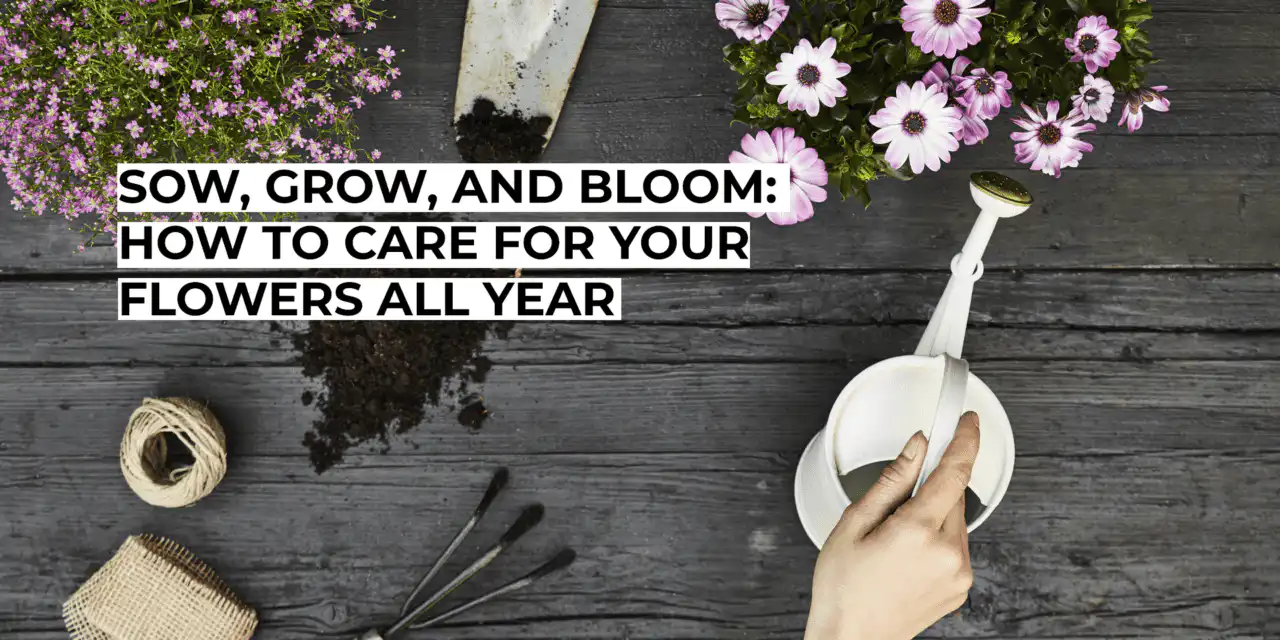
Sow, Grow, and Bloom: How to Care for Your Flowers All Year
Gardening’s one of those hobbies that really gives back, isn’t it? But here’s the thing – you can’t just chuck some seeds in the ground and hope for the best. If you want a proper show of flowers, you need to be there for them through every stage, from the moment you plant those tiny seeds right through to when they’re in full bloom. Whether you’ve been gardening for years or you’re just starting out, understanding what your flowers need throughout the year makes all the difference.
Before anything else, you need to pick the right seeds for your garden. Once you’ve got your favourites sorted, it’s all about giving them what they need as they grow. Here’s how to look after your flowers through the seasons.
Spring: The Season for Planting
Spring’s the ideal time to get your flower seeds in the ground. The soil’s warming up, and there’s less chance of frost catching you out. That said, you can’t just plant any old thing anywhere. Before you start, think about what’ll actually work in your garden. Some flowers are sun worshippers, whilst others prefer a bit of shade. Getting to know what your chosen flowers need will set them up properly from the start.
When you’re planting, make sure your soil drains well and has plenty of nutrients in it. It’s worth adding some compost or organic matter before you sow – your flowers will thank you for it. And do check the seed packet for planting depth. It sounds basic, but getting your seeds at the right level really matters.
Once they’re in, water them gently. You don’t want to wash everything about. Keep the soil consistently moist, but don’t drown it. Most flower seeds need regular watering, particularly if it’s dry. Just watch you don’t overdo it – soggy soil leads to root rot, and that’s the end of that.
Summer: Providing Care for Healthy Growth
When the weather properly warms up, your flowers will start growing like mad. During summer, you’re mainly focused on water, sunlight, and making sure they’ve got room to breathe. Keep that soil evenly moist, but again, don’t go overboard with the watering or you’ll drown the roots.
Most flowers want at least six hours of direct sun each day. If you’ve got yours in pots, pop them somewhere they’ll catch enough light. For flowers in the ground, just keep an eye out that they’re not being overshadowed by other plants.
Here’s something that’ll really help – deadhead regularly. That means snipping off the dead or fading blooms, which actually encourages the plant to make more flowers. It also stops them going to seed, so all their energy goes into new blooms instead. I know it can feel a bit tedious, but it keeps your garden looking tidy and the flowers coming.

Sponsored Content:


Autumn: Preparing for the Cooler Months
As things start cooling down in autumn, your flowers will naturally slow their growth. This is when you get them ready for winter. Annual flowers – the ones that only last one season – need to come out once they’ve finished. They won’t survive the cold, but you can save their seeds for next year if you like. Just let them dry out first before you collect them.
Perennials are different. Autumn’s the time to cut them back a bit, stopping them from getting too straggly. Plants like lavender or echinacea really benefit from a light trim at the end of the season. It keeps them compact and sets them up nicely for next year.
You might want to put down some mulch around the base of your plants as well. It protects the roots from frost by keeping the soil temperature more stable through winter. And do clear away any dead leaves or rubbish from the garden – they can harbour pests and diseases you don’t want hanging about.
Winter: Caring for Your Garden in the Cold Months
Winter can be tricky for gardeners, especially if you’re somewhere that gets properly cold. Still, plenty of hardy flowers can take it, and there are jobs you can do to keep your garden ticking over through the darker months.
For flowers that have gone dormant, keep the soil lightly moist. You won’t need to water nearly as much in winter, but don’t let it dry out completely either. If you get snow, it actually acts like a blanket and protects the plants. Just make sure they’re not being completely smothered under massive piles of it.
If your winters are particularly harsh, think about covering your flowers with horticultural fleece or frost cloths. You can also shift potted flowers to somewhere more sheltered, or bring them inside if that’s an option. Keep checking on them, and clear away any dead bits that might stop new growth coming through in spring.
Year-Round Maintenance Tips for a Thriving Flower Garden
Throughout the year, there are a few things you should build into your routine to keep your flowers healthy and looking their best. Check your plants regularly for pests or disease. Spot something? Deal with it quickly before it spreads. Natural remedies like neem oil or insecticidal soap work well and won’t harm your plants.
Make sure your flowers have enough space, too. When plants are crammed together, air can’t circulate properly, and that makes them more likely to get ill. If you’re using containers, check they’ve got drainage holes – you don’t want water sitting at the bottom.
One more thing worth trying is companion planting. Some plants genuinely help each other out when they’re grown together. Marigolds near tomatoes, for instance, help keep pests
Sponsored Content:




Back to School 2026: The Ultimate Kids’ Essentials & Parent Hacks
Back to School Special Back to School 2026: The Ultimate Kids’ Essentials & Parent Hacks From seamless uniform upgrades to smart tech that keeps kids focused and safe, here is our editorial edit for the new school term. Between sorting uniforms, replacing outgrown...

Why Learning a Language as a Busy Parent Is One of the Best Things You Can Do (And How to Actually Make It Happen)
Travel Why Learning a Language as a Busy Parent Is One of the Best Things You Can Do (And How to Actually Make It Happen) No classroom. No fixed timetable. Just you, a real tutor, and a skill that'll stick around for life. When was the last time you did something...

Ibiza Comes to London: Why the Alto x Cotton Beach Club Collab Belongs on Every Parent’s Night-Off List
Ibiza isn’t on the cards for most of us this summer — but that doesn’t mean you can’t get a taste of it. Alto by San Carlo has partnered with the iconic Cotton Beach Club Ibiza for two exclusive evenings on the rooftop of Selfridges, London. Think sun-soaked Mediterranean food, live DJ sets, Champagne and London’s skyline as your backdrop. Two dates only — and honestly? You deserve this one.

Lisa Johnson: From £30K Debt to Multi-Millionaire – How a Mum of Two Built a Freedom-Focused Business
Discover how Lisa Johnson, award-winning entrepreneur and mum of twins, went from £30,000 in debt to building a multi-million-pound business in just seven years. In this exclusive interview, Lisa shares her journey through adversity, her strategies for scaling with passive income, and her honest advice for parents and entrepreneurs seeking financial freedom, work-life balance, and lasting impact. Keywords: Lisa Johnson, entrepreneur, passive income, business strategy, work-life balance, financial freedom, mumpreneur, online business, success story.
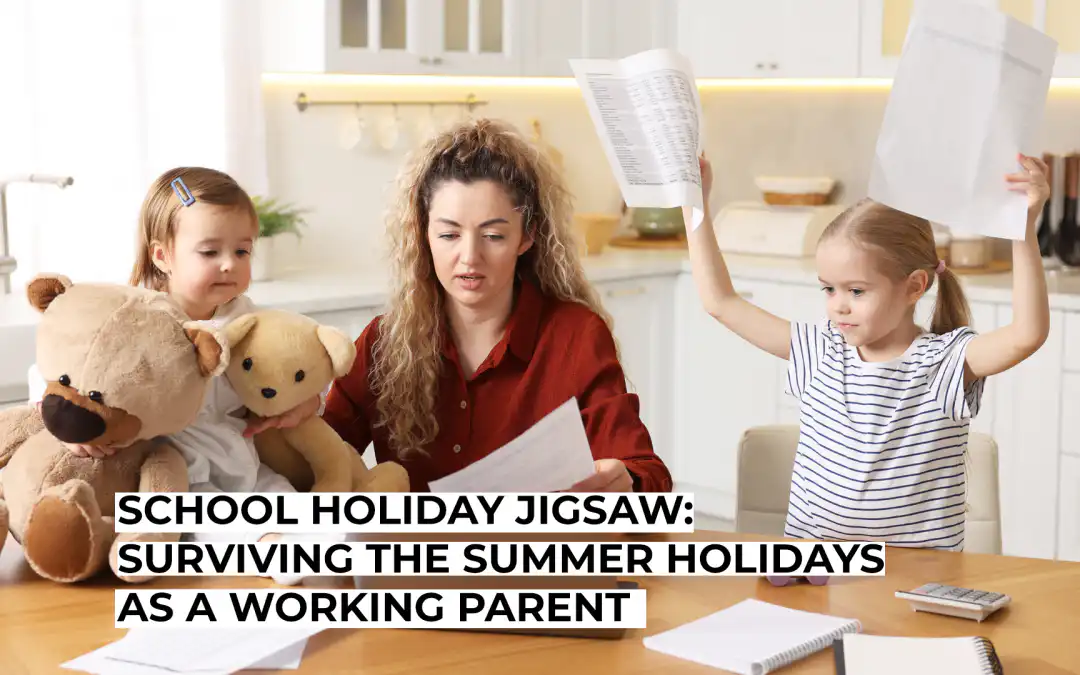
School Holiday Jigsaw: Surviving the Summer Holidays as a Working Parent
School Holiday Jigsaw: Surviving the Summer Holidays as a Working Parent
For school children, the six-week break is a magical expanse of unstructured freedom. For working parents, it marks the beginning of a military-grade logistical operation. Between the skyrocketing costs of summer camps, tag-teaming annual leave with partners, and attempting the ultimate high-wire act of working from home with a laptop on your knee, the math of July and August simply doesn’t add up. We dive deep into the reality of trying to fit a 19th-century agricultural school calendar into a 21st-century digital economy—and explore the progressive workplace shifts needed to save our sanity.

The Cognitive Crutch: Are We Outsourcing Our kid’s Brains to AI?
The Cognitive Crutch: Are We Outsourcing Our Children’s Brains to AI?
Generative AI has transitioned from a novel tech trend to a permanent classroom fixture. But as tools like ChatGPT effortlessly handle the heavy cognitive lifting of writing essays and solving equations, educators and neuroscientists are raising an urgent alarm. True learning is rooted in the cognitive friction of arriving at an answer. By outsourcing that struggle to machines, are we causing intellectual stamina to atrophy, leaving behind a generation of brilliant curators who have lost the ability to think independently? From primary schools to university campuses, the data reveals a stark shift from active learning to passive “cognitive offloading.”

The Big 2026 British Playcation: The Ultimate Free, Low-Cost & Premium Summer Days Out
The six-week school summer holidays are here, but keeping kids entertained shouldn’t break the bank. With new data showing a massive “play gap” across the UK, we’ve rounded up 11 of the absolute best national initiatives, free community festivals, heavily discounted active-play passes, and premium family adventures to help you balance the budget while creating unforgettable summer memories.

Why the UK is Suddenly Going All Out for Graduation Season
Discover why British graduations are becoming massive lifestyle events and explore San Carlo’s new summer menu—the perfect way to celebrate in style.

New ‘xV’ Campaign Launches “The Unspoken Stat” to Expose Hidden Domestic Abuse Spike Around England Matches
A powerful new World Cup campaign introduces “xV” (Expected Violence) to expose a chilling reality: research shows domestic abuse incidents spike by 38% when England loses and 26% even when they win. Backed by survivors, sports figures, and celebrities like Mel B, the campaign demands that this hidden statistic receives the same urgent attention as modern football data.

Banning Social Media Under 16: What the New UK Law Means for Parents
The UK government has announced a landmark social media ban for children under 16. From affected apps to enforcement timelines, here is what the “Australia Plus” model means for busy working parents and family life.