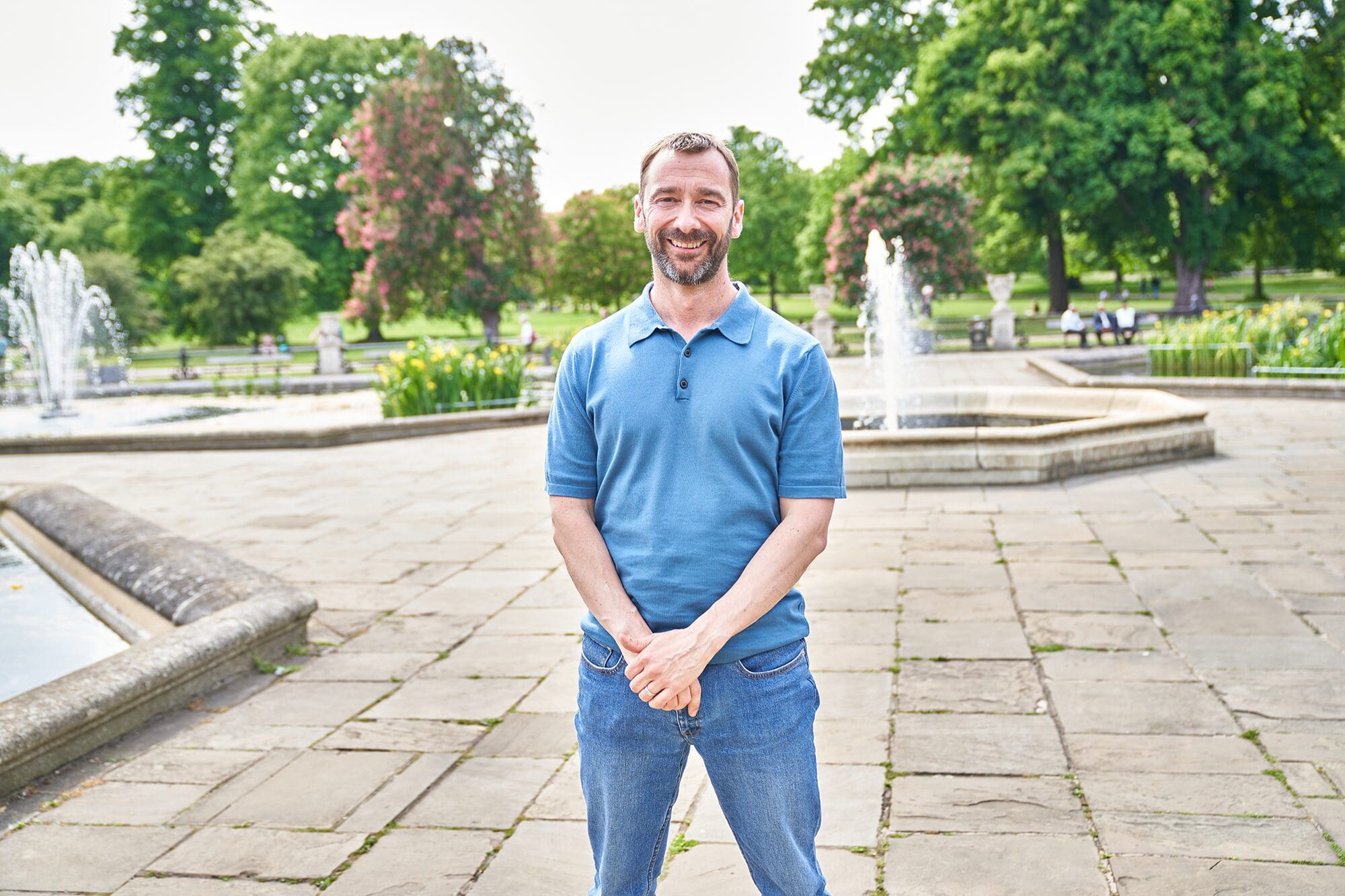
“Another Way grew from my concern about the growing impact of technology on young people. I wanted to tell that story through music and film in a way that feels relatable and truthful”
– Fabio D’Andrea
Another Way
Fabio D’Andrea
Fabio, what inspired you to create the film Another Way, and how do you hope it will impact the conversation around teen smartphone use and cyberbullying?
The inspiration for much of my music is rooted in day-to-day life—both its beauty and its hidden struggles. Another Way grew from my concern about the growing impact of technology on young people. I wanted to tell that story through music and film in a way that feels relatable and truthful. I’m proud that the video has already resonated across the political spectrum—being supported by MP Joe Powell, Lord Nash and Baroness Stroud—which shows how universal and urgent this issue is. My hope is that Another Way sparks more open conversations, not only in Parliament but also in schools and families, helping young people make better choices about how they use technology and how they treat one another online.
Fabio, your films often highlight key social issues, such as domestic abuse, mental health, and multiple sclerosis. What drives your passion for using your platform to raise awareness about these topics?
I’ve always believed that music is a powerful medium for storytelling. Composers throughout history have used their work to reflect the world around them, and I try to continue that tradition. Speaking to families who have lived through issues like domestic abuse or illness has shown me how deeply art can connect with lived experience. That’s what motivates me—the chance to give a voice to those stories and, hopefully, to foster understanding and change.
What do you hope will be the outcome of the parliamentary screening of Another Way, and what steps do you believe need to be taken to address the issues of teen smartphone use and cyberbullying?
The first step is awareness. Lord Nash’s recent bill amendment is an important move in the right direction, and I’m encouraged that many voices are asking for Another Way to be shown in schools and colleges. I would love to see that expanded much further. The real solution lies in education and dialogue—equipping children with the tools to make wiser decisions online, and ensuring parents and teachers feel empowered to guide them. Change won’t come from legislation alone; it will come from building a culture where respect and responsibility extend into the digital world.
Peter Andre
Peter, why was it so important for you to be a part of this film and did the fact that you have children of your own make this project even more important to you?
“As soon as I was aware of this project, I wanted to do it. Working with Fabio and playing Jack has been incredible, although tougher emotionally than I had predicted. I know there are many different families out there and different scenarios, and of course, anyone can have mental health problems. In teenage years, it can feel difficult to talk, and I know that as I’ve experienced it myself, but there are now the extra pressures of smartphones and social media. As a dad, this is something I am really aware of, and want to let teenagers know they are not alone.”
SPONSORED CONTENT:


“In teenage years, it can feel difficult to talk, and I know that as I’ve experienced it myself, but there are now the extra pressures of smartphones and social media. As a dad, this is something I am really aware of, and want to let teenagers know they are not alone.”
— Peter Andre
Joe Powell MP
Joe Powell MP, as the Member of Parliament for Kensington & Bayswater, and a father yourself, how important was hosting this event to you, and using your position as an MP to raise further awareness around this subject?
“I am very proud to have hosted this important event with Lord Nash. To bring together a key group of people, along with Fabio, who will be able to raise vital awareness of this issue and influence those who need to take action. Yes, we need government regulation, but we also need social media platforms to step up and take responsibility for the reality of what their profit-making products are doing to the mental health of our young people. Their success comes with responsibilities, and we need to see action from everyone on this important issue.”
“…we need government regulation, but we also need social media platforms to step up and take responsibility for the reality of what their profit-making products are doing to the mental health of our young people.”
Mark Saxby
Mark, what did you take away from the event in Parliament, and how does the work that you do impact children and parents on this subject?
“It was wonderful to be in a room with so many people passionate about making a change. There were lots of different approaches to tackling the issue of social media and children, but we all agreed that through collaboration, we can make a real difference. Our sessions in schools and with parents open eyes to the negative impact of social media—and how we can live more fulfilling lives if we’re not glued to our screens.”
Lord John Nash
Lord John Nash, why is it so important to you and society that changes are made and there are new laws brought in around social media and smartphones?
“The damage that social media and smartphones do to our children is now well evidenced. I am proposing an amendment to the Children’s Wellbeing and Schools Bill to ban social media before the age of 16.”
Teresa Parker
Teresa, as the mum of two boys, how do you navigate the issue of smartphones?
My eldest son Ben, who is nearly 12, has had a phone since he went away to PGL camp two years ago, and it was for the very practical reason that we wanted him to be able to get in contact with us on the evening when they were allowed phone access if he wanted to. It speaks volumes that he did for the first two nights, then completely forgot about us because he made a load of new friends and “Bristol Ben” (his PGL name) left his phone in the bag on the shelf.
That sums up his attitude to his phone—he likes having one but often has too much going on to want to be on it all the time. We’ve had to keep an eye on use of social media and out-of-control WhatsApp groups, and have deleted the odd thing—but as long as we are actively parenting and thinking about safety, phone use in moderation in our house is ok.
The event with Fabio has really made me think about how many people have a role in making smartphones and social media safe, from social media providers, to government regulation, to parents and communities.
Practically, I think it would be hard to remove smartphone use completely, because Ben’s football season ticket is on a phone, as is his Merlin annual pass, his bank card and his schedule for school now he has started Year 7. I have just received an email from the school to say which app his English homework will be on, and he scans QR codes to get more information—I think phone use in everyday life is already integrated so much in both education and social activities, simply removing smartphones from under 18s would be easier said than done.
As a parent who, in the next few years, will be considering what to do with my younger son, I think considering safety, boundaries and being transparent about what phones are being used for is key. And having red lines on when you lose access—if there are any behaviour issues in our house, the three things that get immediately addressed are the “3 S’s”—screens, sugar and sleep!
I was proud when Ben recently helped me with my work and screen recorded a social media short on how to turn off emergency phone alerts for survivors of domestic abuse who have a hidden phone. Phones can be used for good in different ways, from sharing information to learning a language; they just have to be used safely and with ongoing supervision and guidance for young people. And as parents, we all have a role to play in making sure that if our children have access to phones, it is as safe as it can possibly be. If there are apps or social media platforms where we do not feel our children are safe, we need to take steps to make sure they are not accessing them.


KEEP UP TO DATE WITH BROOD:
Related Articles
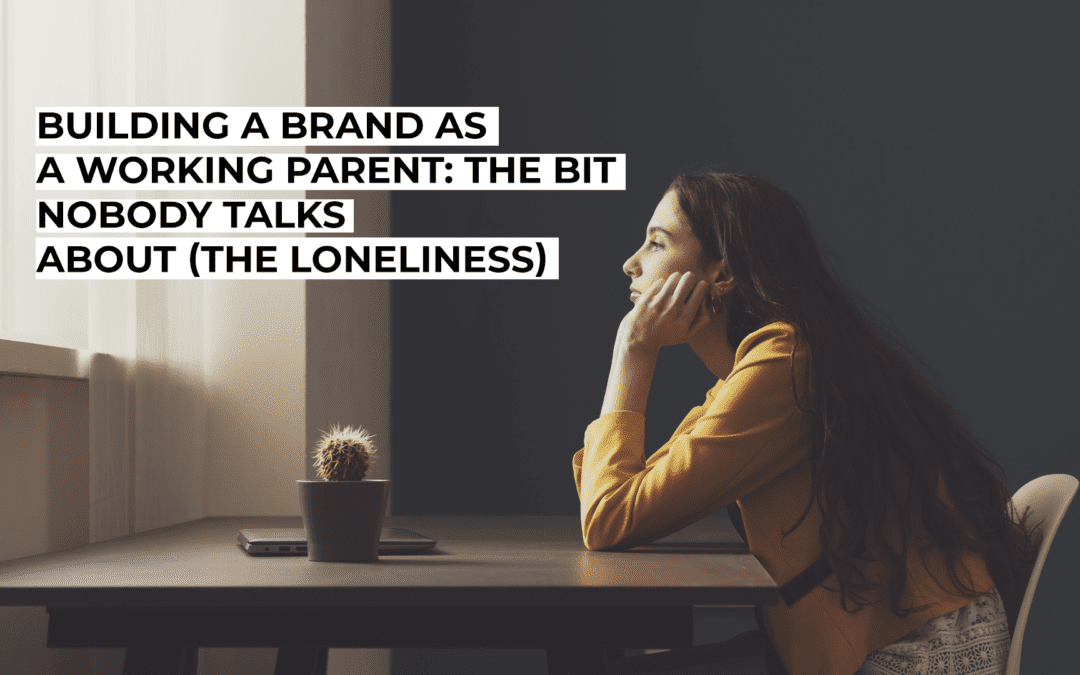
Building a Brand as a Working Parent: The Bit Nobody Talks About (The Loneliness)
Building a brand as a working parent looks great on paper — flexible hours, doing something you love, creating a life that fits around family. But the reality is often messier. You’re juggling school runs and deadlines, client work and packed lunches, confidence wobbles and cash flow worries… and somehow you’re expected to show up online like you’ve got it all under control.
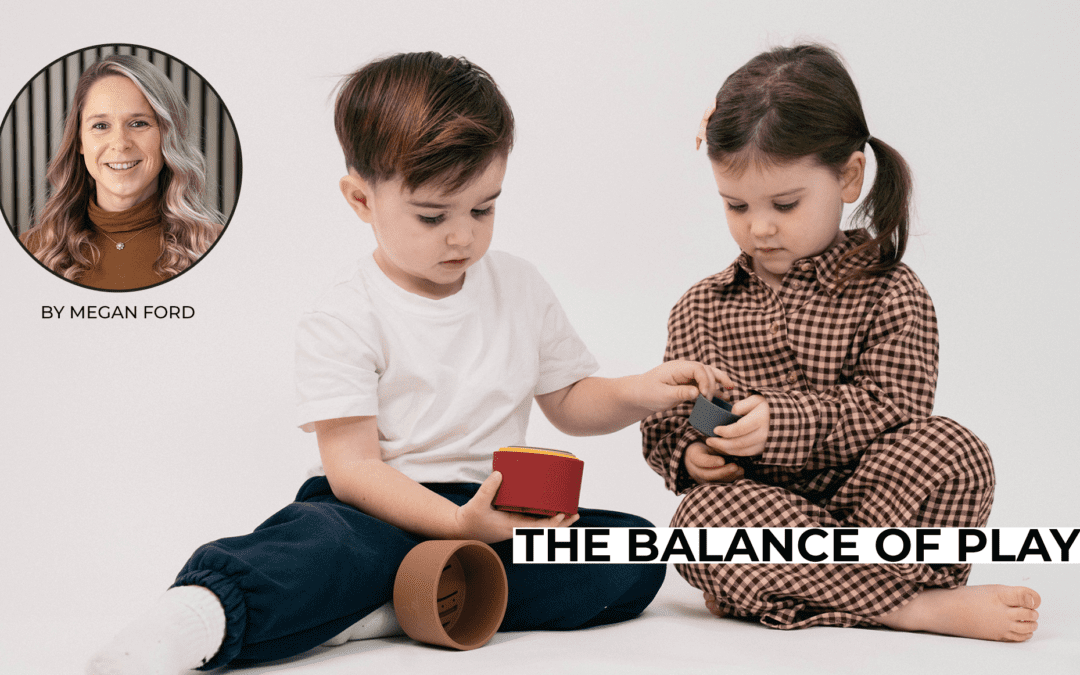
The Balance of Play
I hate admitting that because I value play so deeply, especially in those precious early years. It’s how our children learn, explore, imagine and build confidence. But as a mum trying to keep a household running and a business growing, it’s not always easy to appreciate those moments.
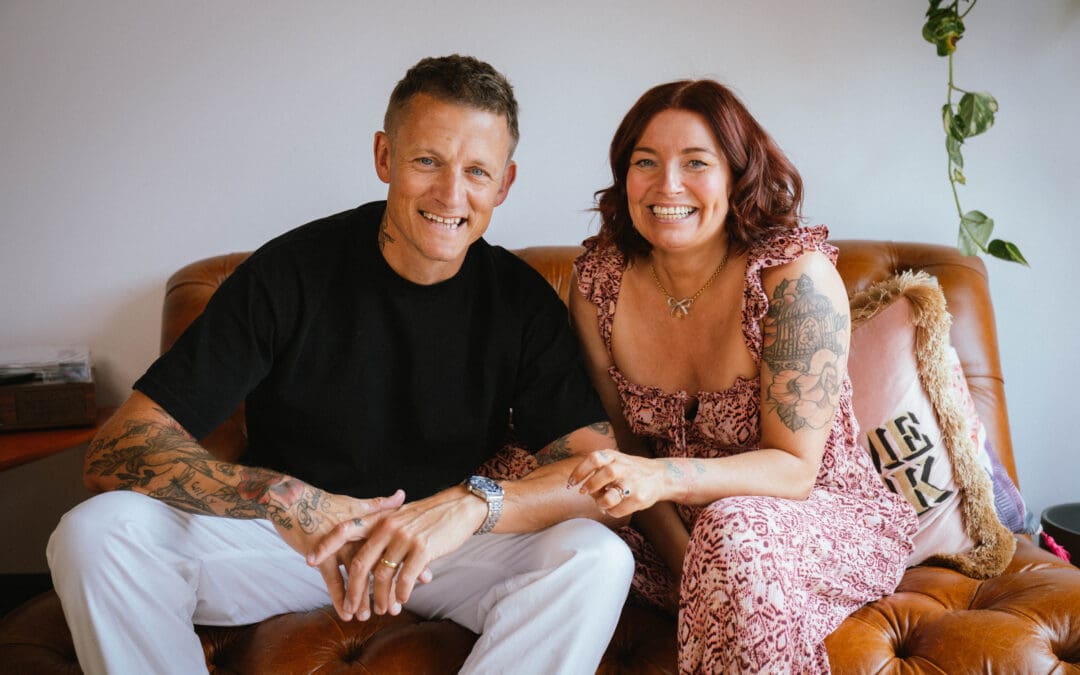
Part Time Working Mummy Interview: Rachaele Hambleton & Josh Marshall
Rachaele Hambleton, aka Part Time Working Mummy, is an inspirational mum of six. The incredible 43-year-old is a Sunday Times Bestselling Author—four times over—founder of The Patchwork House, a support and guidance service for vulnerable individuals and families, and she’s also a successful entrepreneur, which includes her own clothing brand REBL.
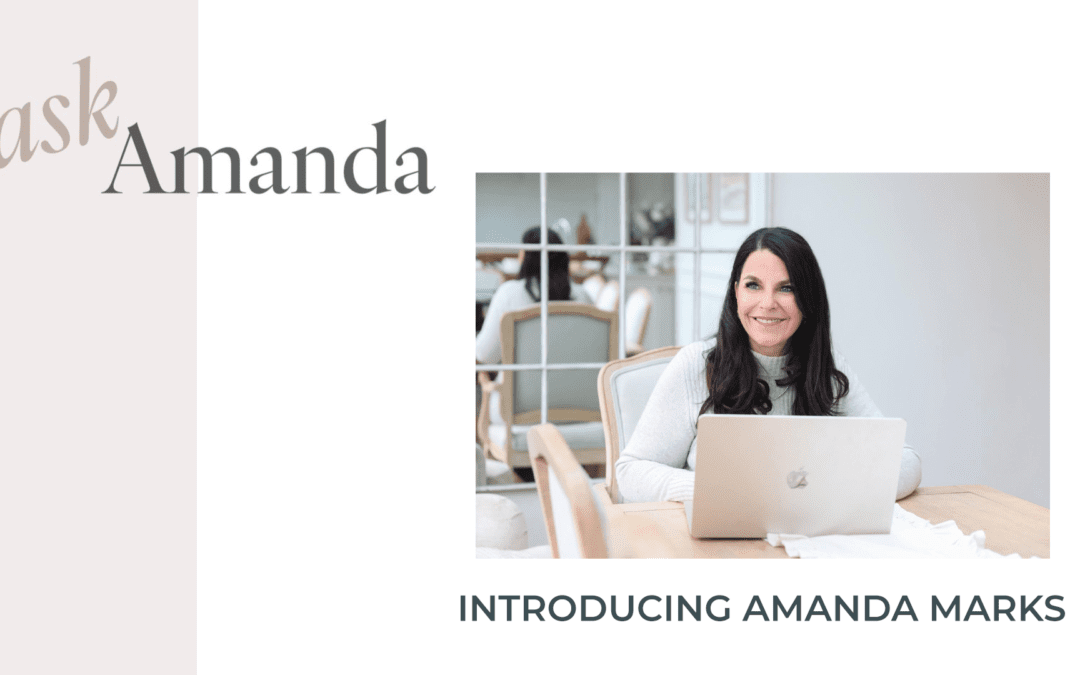
Introducing Amanda Marks
We’re thrilled to welcome our new columnist Amanda Marks. Amanda is a Renowned Breastfeeding, Food & Sleep Consultant
With over 40 years of experience supporting families, Amanda Marks is a highly respected breastfeeding, food, and sleep consultant. Based in prestigious locations including 10 Harley Street, London, and Alderley Edge, Cheshire, Amanda has worked with families from diverse backgrounds, including media personalities and royalty, maintaining the highest standards of confidentiality.
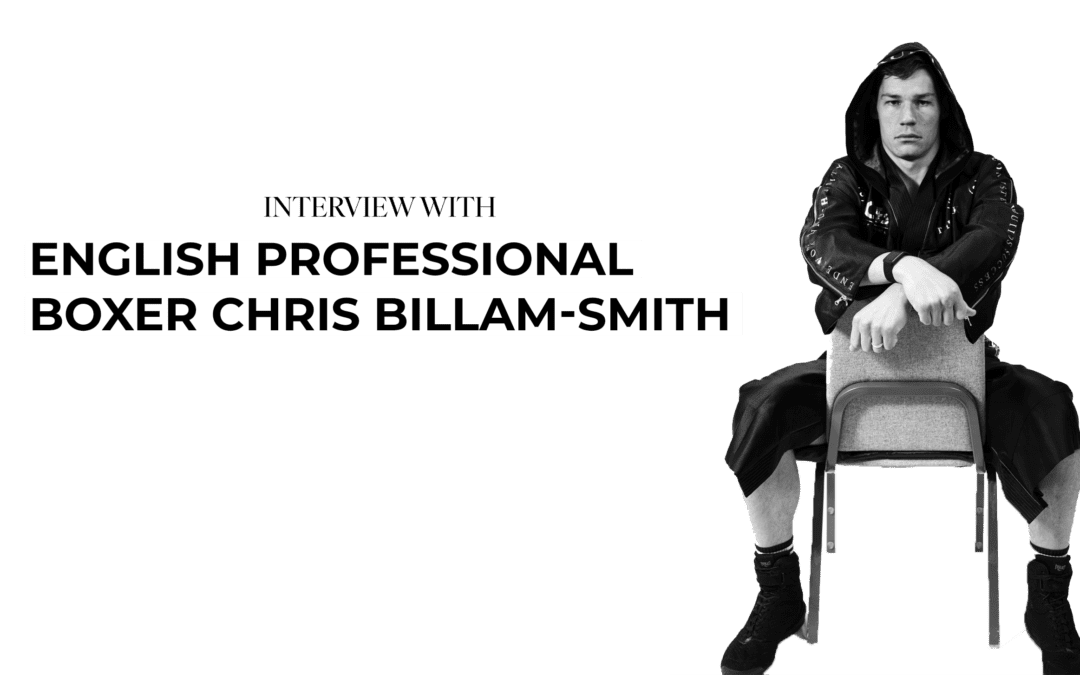
An Interview with English Professional Boxer Chris Billam-Smith
At BROOD, we’re always drawn to stories that celebrate not just professional triumphs, but the heart and humanity behind them. Someone who embodies this spirit perfectly is Chris Billam-Smith—a world-class athlete
whose grit in the ring is matched only by his devotion to his family.
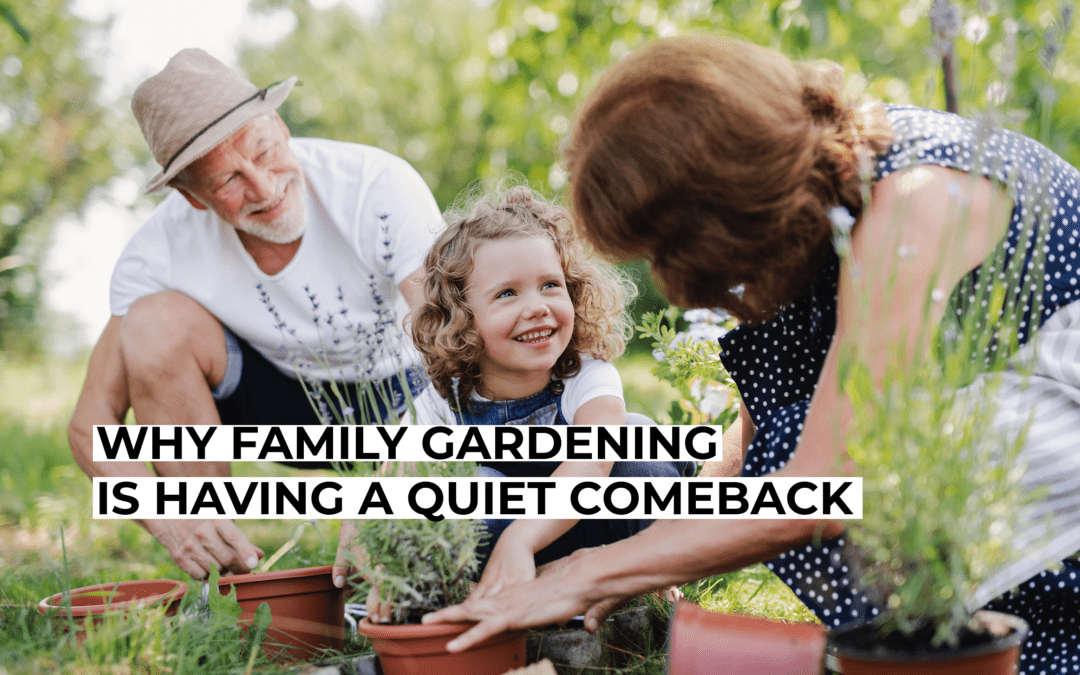
Why Family Gardening Is Having a Quiet Comeback
There’s a noticeable shift happening in how families spend their time. It isn’t loud or trend-led, and it’s rarely documented with before-and-after shots. Instead, it’s quieter and slower, rooted in small routines and shared moments. Family gardening is part of that change.
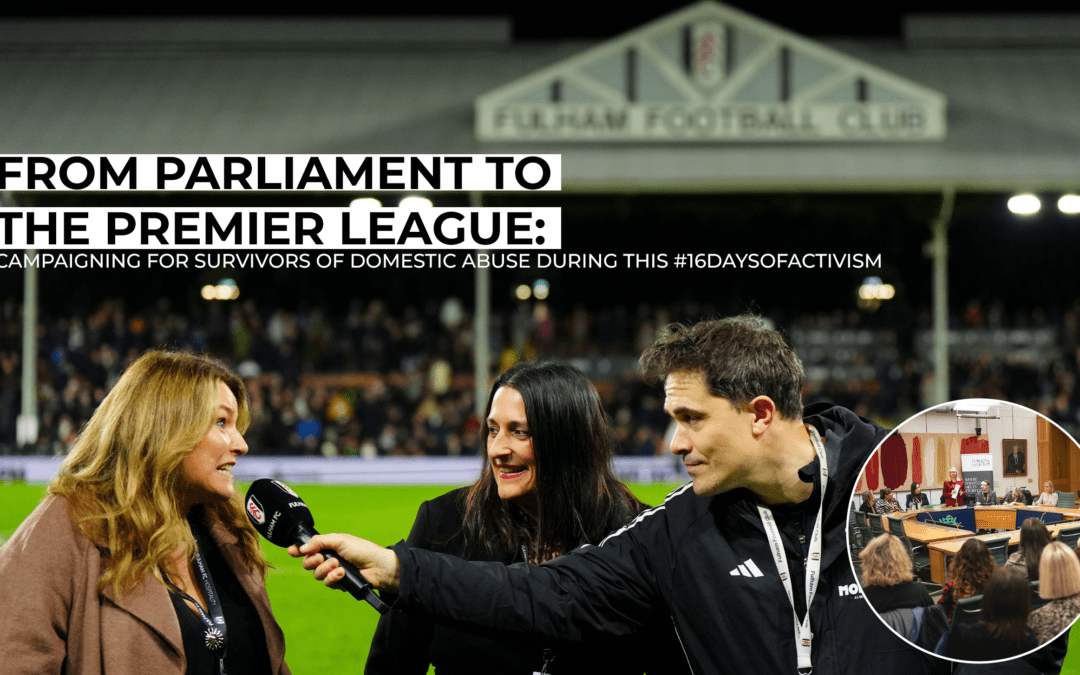
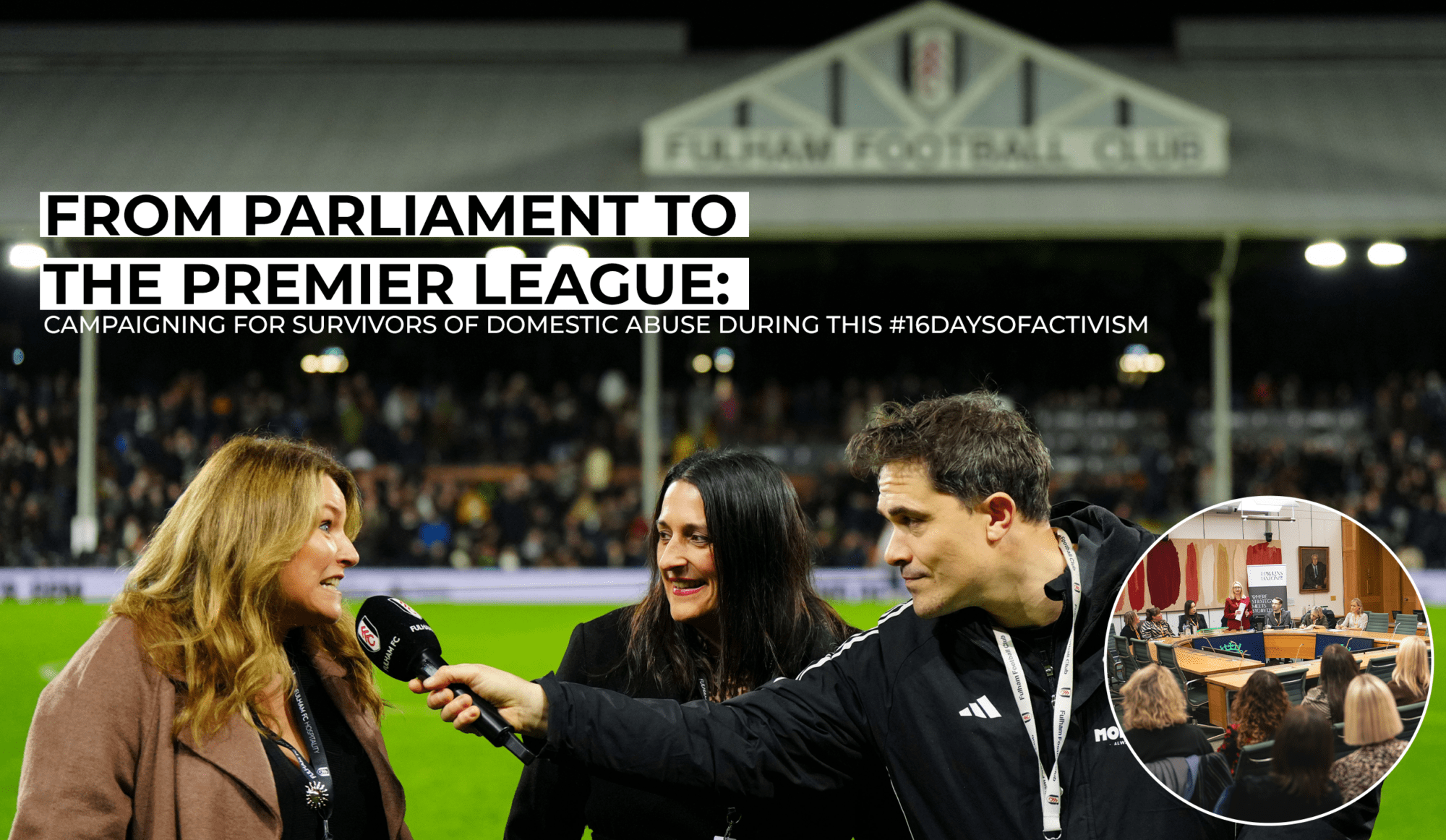
From Parliament to the Premier League: Campaigning for survivors of domestic abuse during this #16DaysOfActivism
Our Head of Social Causes and Sub-Editor Teresa Parker was joined by BROOD Editor-in Chief Lolo Stubbs at an event in Parliament on the 2nd December 2025 to mark ten years of coercive control legislation. Teresa organised the event through her consultancy Teresa Parker Media, in partnership with Hawkins, Laxton & Co, which is run by her former colleagues Clare and Sian.
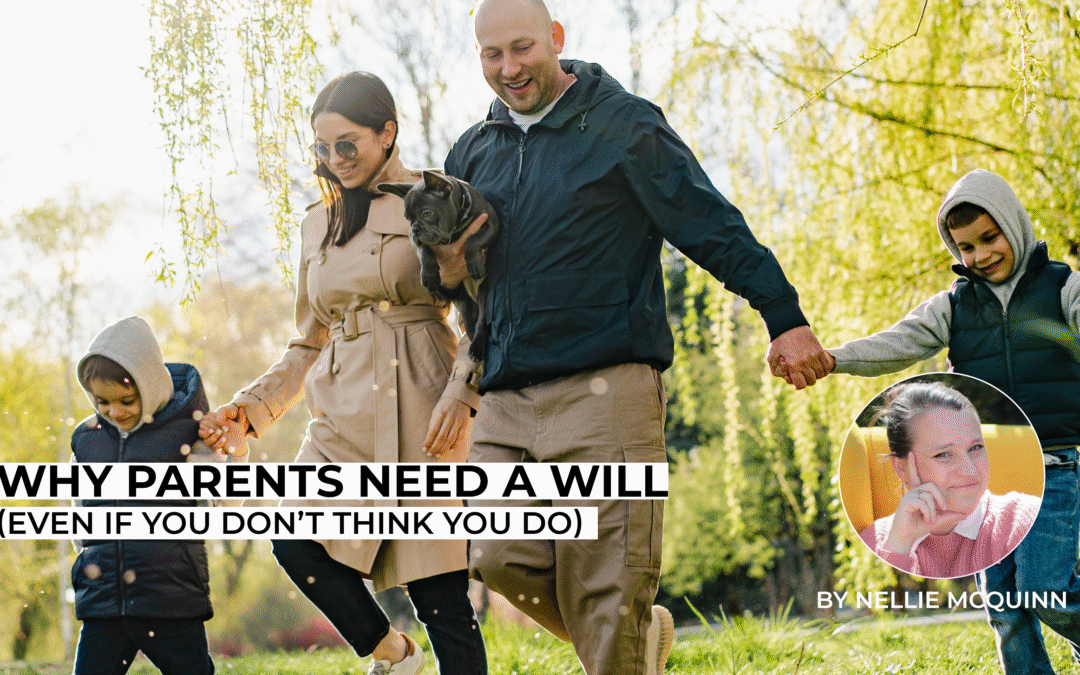
WHY PARENTS NEED A WILL (Even If You Don’t Think You Do)
A lot of people still think wills are only for the wealthy or the elderly. I hear this all the time. In reality, wills are about far more than dividing up money.
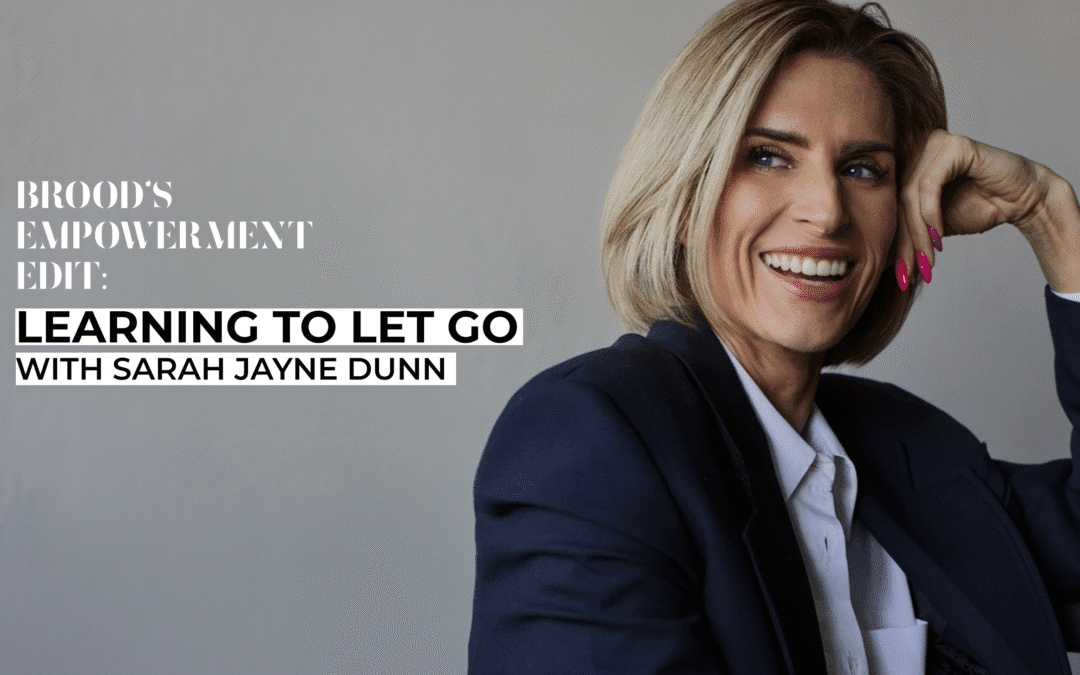
Learning to let go – the empowerment edit with Sarah Jayne Dunn
Have you ever found yourself in a situationship that doesn’t serve you? You’re not sure why, you can’t quite put your finger on it, but deep down, something doesn’t feel right. Your gut is nudging you, your heart feels heavy, the energy is off, and somewhere in the background, the alarm bells are starting to ring.
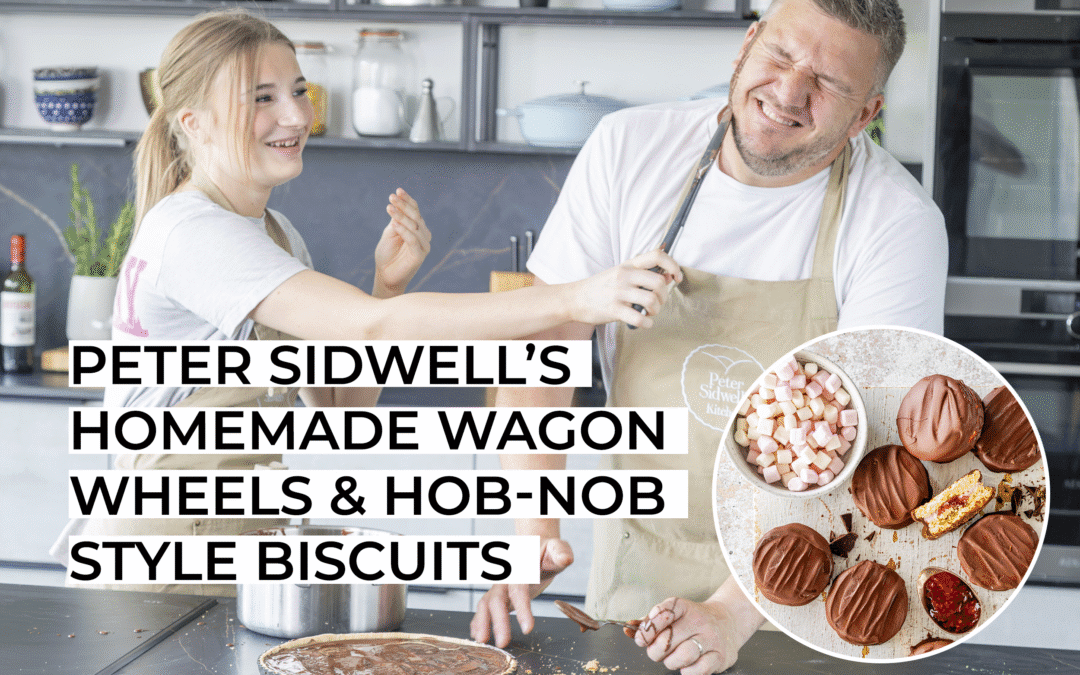
PETER SIDWELL’S HOMEMADE WAGONWHEELS & HOB-NOB STYLE BISCUITS
This month, I’m thrilled to share two of our all-time favourite bakes: our homemade Hob Nobs and nostalgic Wagon Wheels. These recipes are more than just sweet treats—they’re time capsules. The Hob Nobs came from a rainy weekend when we had oats, butter, and not much else in the cupboards. The kids loved rolling the dough into little biscuit balls and watching them flatten in the oven. Dipping them in chocolate was the final touch—well, that and licking the spoon clean!

“ I’d pivoted from a successful career as a screenwriter, director and producer working in tv and film to ‘storttelling’ online fulltime, as my former job had proved completely incompatible with motherhood”
Can you tell us a bit about the stories and how you think they’ll resonate with young readers?
The Greek Myths each have a moral behind them, and I include a section at the end of each one titled Moral of the Myth to help children understand and further explore the stories, often making parallels with well-known fairy tales which came after the myths. The ancient Greeks believed 12 powerful gods lived on Mount Olympus, but that they were as flawed and complex as the human mortals they governed over. The myths tell the stories of deities and mortals who made bad decisions, for example, the money-obsessed King Midas who turned his own child to gold before repenting, or the impulsive Icarus who failed to listen to his father and flew too close to the sun.
How did your own experiences as a parent influence the writing process, and did you draw from any specific moments or challenges?
Being a parent means having experienced emotion in its most heightened form: unconditional love, searing pain, rebellious optimism, endless ennui and more. To have access to such a vast range of experiences and emotions enables me to empathise with each character and make them more human. I also think having children and being busy means not having the luxury of procrastination because as soon as the youngest is asleep, I HAVE to write!
How do you prioritise your time and responsibilities as a working mum, and what self-care practices help you stay energised and focused?
I tend to write on the days my 3 year old has childcare (2 days a week) and when she sleeps. My older sons are at school, but they have lots of sports commitments, so after school and weekends are busy. I feel like a taxi driver most of the time. I think the pandemic gave me greater balance in my work/ parenting life as I didn’t have to commute as much as before. I also became stricter when it came to the projects I took on during my pregnancy and beyond. A former therapist once said to me, ‘You are your values,’ so I always remember what matters most to me: family and friends and making work decisions from a place of knowing what I want and need in order to be a happy and present mum first. My identity at one time relied heavily on my career. It doesn’t anymore, it’s an important part of me, but not as vital as my mental and physical health and of course my kids, husband, parents and close pals. I love running and try to do yoga from home as much as possible. I also follow a low-carb diet, which helps me feel my strongest.
And lastly, do you have any tales of ‘BROOD Moments’ where work and parenthood have collided?
My middle son was asked on live TV around the age of 4 (on the BBC) if he was happy I worked from home so he could see me more, and he said, ‘No, she can be quite annoying! ’ Ha! From the mouth of babes!

KEEP UP TO DATE WITH BROOD:
Related Articles
Building a Brand as a Working Parent: The Bit Nobody Talks About (The Loneliness)
Building a brand as a working parent looks great on paper — flexible hours, doing something you love, creating a life that fits around family. But the reality is often messier. You’re juggling school runs and deadlines, client work and packed lunches, confidence wobbles and cash flow worries… and somehow you’re expected to show up online like you’ve got it all under control.
The Balance of Play
I hate admitting that because I value play so deeply, especially in those precious early years. It’s how our children learn, explore, imagine and build confidence. But as a mum trying to keep a household running and a business growing, it’s not always easy to appreciate those moments.
Part Time Working Mummy Interview: Rachaele Hambleton & Josh Marshall
Rachaele Hambleton, aka Part Time Working Mummy, is an inspirational mum of six. The incredible 43-year-old is a Sunday Times Bestselling Author—four times over—founder of The Patchwork House, a support and guidance service for vulnerable individuals and families, and she’s also a successful entrepreneur, which includes her own clothing brand REBL.
Introducing Amanda Marks
We’re thrilled to welcome our new columnist Amanda Marks. Amanda is a Renowned Breastfeeding, Food & Sleep Consultant
With over 40 years of experience supporting families, Amanda Marks is a highly respected breastfeeding, food, and sleep consultant. Based in prestigious locations including 10 Harley Street, London, and Alderley Edge, Cheshire, Amanda has worked with families from diverse backgrounds, including media personalities and royalty, maintaining the highest standards of confidentiality.
An Interview with English Professional Boxer Chris Billam-Smith
At BROOD, we’re always drawn to stories that celebrate not just professional triumphs, but the heart and humanity behind them. Someone who embodies this spirit perfectly is Chris Billam-Smith—a world-class athlete
whose grit in the ring is matched only by his devotion to his family.
Why Family Gardening Is Having a Quiet Comeback
There’s a noticeable shift happening in how families spend their time. It isn’t loud or trend-led, and it’s rarely documented with before-and-after shots. Instead, it’s quieter and slower, rooted in small routines and shared moments. Family gardening is part of that change.
From Parliament to the Premier League: Campaigning for survivors of domestic abuse during this #16DaysOfActivism
Our Head of Social Causes and Sub-Editor Teresa Parker was joined by BROOD Editor-in Chief Lolo Stubbs at an event in Parliament on the 2nd December 2025 to mark ten years of coercive control legislation. Teresa organised the event through her consultancy Teresa Parker Media, in partnership with Hawkins, Laxton & Co, which is run by her former colleagues Clare and Sian.
WHY PARENTS NEED A WILL (Even If You Don’t Think You Do)
A lot of people still think wills are only for the wealthy or the elderly. I hear this all the time. In reality, wills are about far more than dividing up money.
Learning to let go – the empowerment edit with Sarah Jayne Dunn
Have you ever found yourself in a situationship that doesn’t serve you? You’re not sure why, you can’t quite put your finger on it, but deep down, something doesn’t feel right. Your gut is nudging you, your heart feels heavy, the energy is off, and somewhere in the background, the alarm bells are starting to ring.
PETER SIDWELL’S HOMEMADE WAGONWHEELS & HOB-NOB STYLE BISCUITS
This month, I’m thrilled to share two of our all-time favourite bakes: our homemade Hob Nobs and nostalgic Wagon Wheels. These recipes are more than just sweet treats—they’re time capsules. The Hob Nobs came from a rainy weekend when we had oats, butter, and not much else in the cupboards. The kids loved rolling the dough into little biscuit balls and watching them flatten in the oven. Dipping them in chocolate was the final touch—well, that and licking the spoon clean!