How to Choose the Right French Tutor in New York for Your Language Goals?
Learning French in New York offers plenty of opportunities, but success depends on one key factor: the right tutor. The best French tutor matches your specific goals, fits your budget, and uses a teaching style that works for you. With thousands of tutors available across the city and online, the choice can feel overwhelming.
Most students make the mistake of picking the first tutor they find or choosing based only on price. However, the wrong match leads to wasted time and money. French tutors in New York typically charge around $31 per hour, though rates vary based on experience and lesson format. Some offer free trial lessons so students can test their approach before they commit.
The right tutor transforms French from a difficult subject into an enjoyable skill. This guide breaks down exactly what to look for in a French tutor, how to identify your learning needs, and where to find qualified instructors who deliver real results.
Key Criteria for Selecting a French Tutor in New York
The right tutor matches your learning style, experience level, and specific objectives. Three main factors help narrow down the options: the tutor’s background and training, their approach to teaching, and how well they understand your current skills and future plans.
Assessing Tutor Qualifications and Credentials
Choosing the right tutor starts with understanding their background and training. Many learners focus on formal education in French, linguistics, or teaching when evaluating options, since working with a French tutor in New York who has this foundation often means clearer explanations and a more structured learning experience. Native speakers may bring natural pronunciation and cultural familiarity, while non-native tutors with strong academic training can also teach effectively.
Credentials and experience help narrow the decision further. Tutors who have prepared students for DELF or DALF exams, or who hold recognized teaching certificates, usually understand assessment standards and common learning difficulties. Time spent teaching different age groups and proficiency levels also shows an ability to adjust lessons rather than follow a fixed script.
Student feedback provides insight into how these qualifications translate into results. Reviews that mention clarity, patience, and noticeable progress often reflect consistent teaching quality. Asking tutors about their past students and typical outcomes can help determine whether their experience aligns with your learning goals.




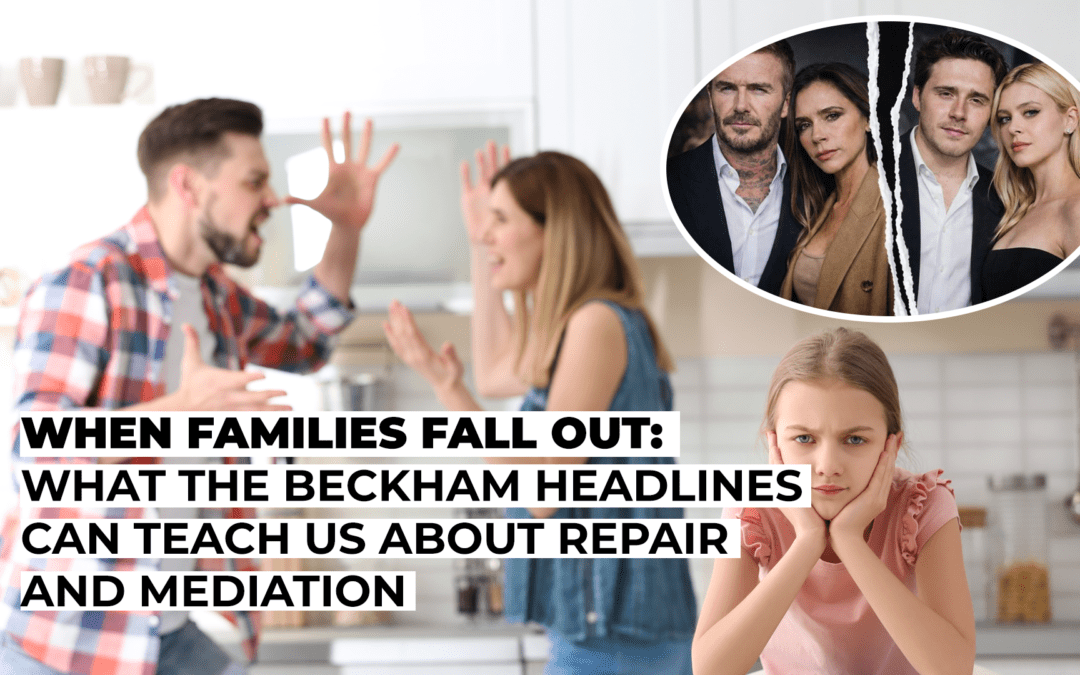
When Families Fall Out: What the Beckham Headlines Can Teach Us About Repair and Mediation
When Families Fall Out explores what the recent Beckham headlines can teach us about family rupture, repair and the role mediation can play when relationships feel strained. With insight from JMW Solicitors’ family law team and child anxiety therapist Saskia Joss, it looks at why disconnection happens, how to name it, and what practical support can help families move forward with more understanding and kindness.

When Parents Split, Schools Feel It Too: The Hidden Impact on Children
Relationship expert Sally Land highlights the hidden toll that high-conflict separations can take on children — and how often schools end up caught in the crossfire. Citing research from The Parents Promise, she notes that teachers are regularly seeing the fallout in real time: slipping grades, increased absence, withdrawal, behavioural issues and worsening mental health.

Building a Brand as a Working Parent: The Bit Nobody Talks About (The Loneliness)
Building a brand as a working parent looks great on paper — flexible hours, doing something you love, creating a life that fits around family. But the reality is often messier. You’re juggling school runs and deadlines, client work and packed lunches, confidence wobbles and cash flow worries… and somehow you’re expected to show up online like you’ve got it all under control.

The Balance of Play
I hate admitting that because I value play so deeply, especially in those precious early years. It’s how our children learn, explore, imagine and build confidence. But as a mum trying to keep a household running and a business growing, it’s not always easy to appreciate those moments.

Part Time Working Mummy Interview: Rachaele Hambleton & Josh Marshall
Rachaele Hambleton, aka Part Time Working Mummy, is an inspirational mum of six. The incredible 43-year-old is a Sunday Times Bestselling Author—four times over—founder of The Patchwork House, a support and guidance service for vulnerable individuals and families, and she’s also a successful entrepreneur, which includes her own clothing brand REBL.

Introducing Amanda Marks
We’re thrilled to welcome our new columnist Amanda Marks. Amanda is a Renowned Breastfeeding, Food & Sleep Consultant
With over 40 years of experience supporting families, Amanda Marks is a highly respected breastfeeding, food, and sleep consultant. Based in prestigious locations including 10 Harley Street, London, and Alderley Edge, Cheshire, Amanda has worked with families from diverse backgrounds, including media personalities and royalty, maintaining the highest standards of confidentiality.

An Interview with English Professional Boxer Chris Billam-Smith
At BROOD, we’re always drawn to stories that celebrate not just professional triumphs, but the heart and humanity behind them. Someone who embodies this spirit perfectly is Chris Billam-Smith—a world-class athlete
whose grit in the ring is matched only by his devotion to his family.

Why Family Gardening Is Having a Quiet Comeback
There’s a noticeable shift happening in how families spend their time. It isn’t loud or trend-led, and it’s rarely documented with before-and-after shots. Instead, it’s quieter and slower, rooted in small routines and shared moments. Family gardening is part of that change.

From Parliament to the Premier League: Campaigning for survivors of domestic abuse during this #16DaysOfActivism
Our Head of Social Causes and Sub-Editor Teresa Parker was joined by BROOD Editor-in Chief Lolo Stubbs at an event in Parliament on the 2nd December 2025 to mark ten years of coercive control legislation. Teresa organised the event through her consultancy Teresa Parker Media, in partnership with Hawkins, Laxton & Co, which is run by her former colleagues Clare and Sian.

WHY PARENTS NEED A WILL (Even If You Don’t Think You Do)
A lot of people still think wills are only for the wealthy or the elderly. I hear this all the time. In reality, wills are about far more than dividing up money.