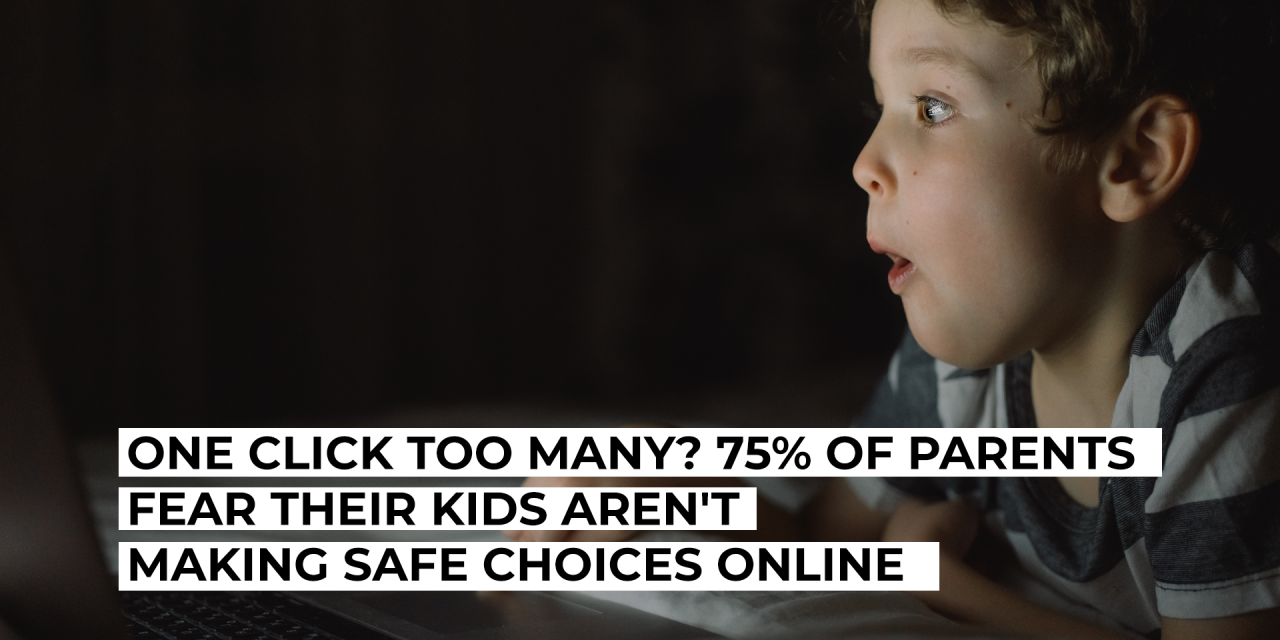
One click too many? 75% of parents fear their kids aren’t making safe choices online
A quarter of primary-aged children have shared their real name online, yet a fifth of parents have never spoken to them about online privacy.
A new Information Commissioner’s Office (ICO) campaign, Switched on to privacy, is helping parents have the same frank conversations about online privacy as they do about stranger danger and road safety.
Three in four parents fear their child can’t make safe online privacy choices, new research shows. Yet most rarely, if ever, talk to them about it.
Every day, primary school children tap “accept” on apps, games and websites — usually without realising how much personal information they may be sharing as a result.
A single click can reveal far more than a name. It can unveil friendships, interests, moods and even sleep patterns, creating a digital footprint that can last forever — or even be exploited by people with bad intentions.
No wonder 71% of parents worry the information their child shares today could affect their future.
The stark findings come as the Information Commissioner’s Office (ICO), the UK’s independent data protection regulator, launches its Switched on to privacy campaign to help parents of children aged four to 11 start simple conversations about protecting their personal information online.
Backed by stakeholders including Mumsnet, the NSPCC and Internet Matters, the campaign urges parents to treat online privacy as an essential life skill — as natural as teaching a child to cross the road.
How exposed are children online?
The ICO’s research reveals how exposed children already are:
- 24% have shared their real name or address online, with eight and nine-year-olds most at risk.
- 22% have shared personal information such as health details with AI tools.
- 35% of parents believe their child would share personal information in exchange for game tokens or rewards.
Many parents feel underprepared
- 46% don’t feel confident protecting their children’s privacy online.
- 44% say they try but aren’t sure they’re doing enough.
- 42% say they probably don’t spend enough time checking their child’s privacy settings.
ICO research shows online privacy is one of the least discussed online safety topics: 21% of parents have never spoken to their children about it, and 38% discuss it less than once a month. By contrast, 90% of parents have discussed screen time in the past month.
“The internet offers amazing opportunities for children — but every click can leave a hidden data trail and these digital footprints can last forever. We wouldn’t expect our children to share their birthdays or address with a stranger in a shop, because we’d explain stranger danger to them from a very young age, but kids these days are growing up online.
We know that where children’s details — like their name, interests and pictures — aren’t protected, the potential risks are serious: unwanted contact from strangers, grooming and radicalisation. Children’s online privacy requires a whole society approach. We have taken and will continue to take action to hold tech companies accountable for their role.”
— Emily Keaney, ICO Deputy Commissioner


“There’s a role for parents too but the problem is that many families have never been shown how to talk to their children about online privacy. This is where the ICO comes in. We want parents to feel empowered and children to feel digitally confident, because only then will they be able to start to trust in how their data is used and be part of the whole society solution that is needed for online safety.”
— Emily Keaney, ICO Deputy Commissioner
Most parents (88%) think children should start learning about online privacy between the ages of four and 11.
The campaign web hub ico.org.uk/SwitchedOn guides parents of children in these age groups through three simple steps:
- Chat regularly with your child about online privacy
- Choose carefully what personal information to share
- Check privacy settings on new devices and apps
“You don’t need to be a tech expert to protect your child’s privacy. The ICO’s Chat, Choose, Check framework gives every parent and carer a simple, empowering way to start those vital conversations and help children stay in control of their own data.”
— Rani Govender, Associate Head of Policy, Child Safety Online, NSPCC
“Many parents are already talking to their children about harmful content or screen time, but privacy often gets overlooked. As concerns grow about how children’s data is used online, families are looking for clear, practical guidance to help them start those conversations with confidence.”
— Justine Roberts, founder, Mumsnet
“Online privacy is a vital part of keeping children safe in a digital world, and so is empowering parents and carers with the tools, knowledge and resources they need to support their families. Open conversations build trust and give children the confidence and tools needed to navigate digital spaces safely. Alongside regular check-ins we also encourage parents to review their child’s privacy settings and make use of parental controls across the devices, apps and platforms their children use.”
— Rachel Huggins, CEO, Internet Matters
“This campaign is devised to spark family conversations about what we share online and the choices we have.
Parents don’t just need settings or safety modes. They need regular conversations — that’s why talking about online privacy with your kids is so important.”
— Elliott Rae, parenting campaigner and presenter
“Online privacy doesn’t have to mean a big, serious conversation. You don’t need to sit your child down with a list of rules. It can be as simple as ‘Hey, did you know…?’ or ‘Who are you chatting with?’ Start small, keep it light, and you’d be surprised how much that opens up.”
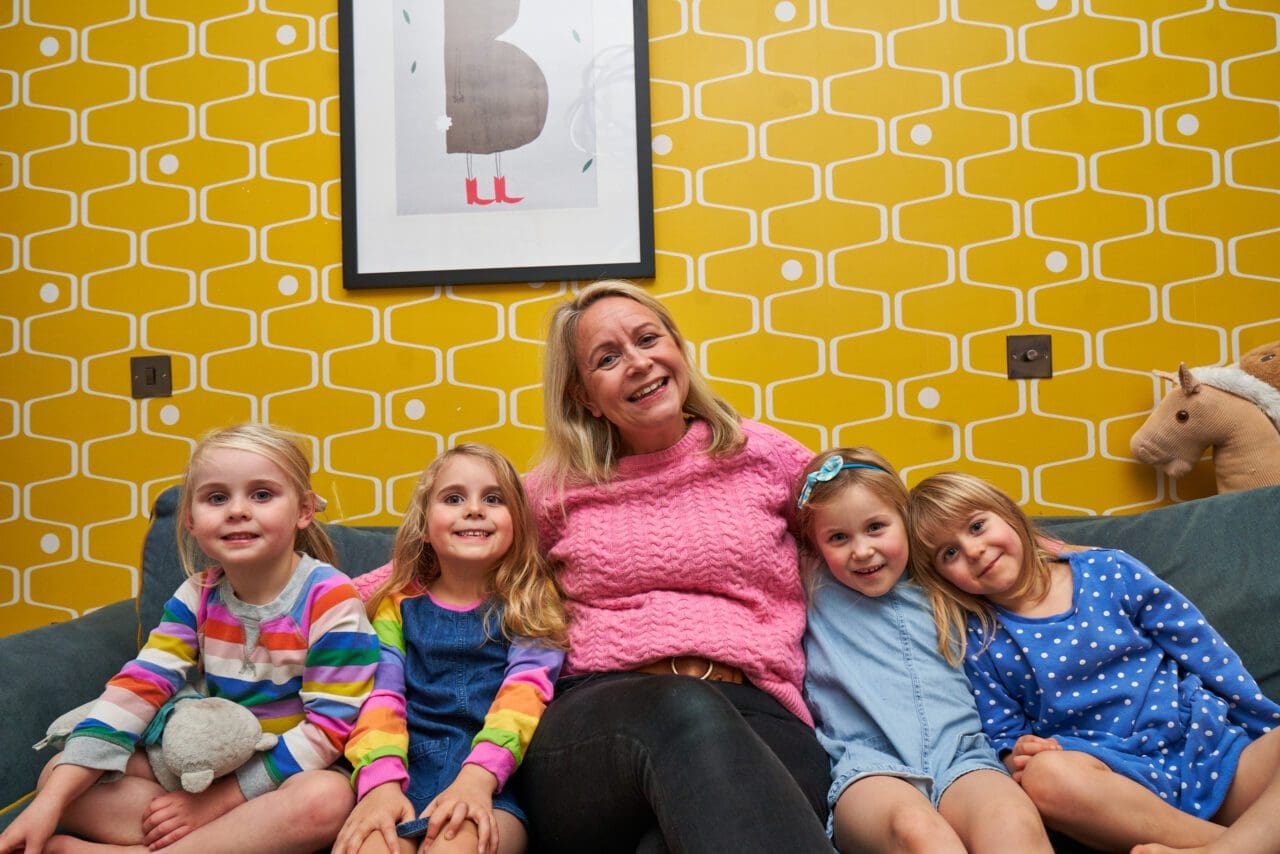
— Aimee, mum of three from Nottingham
To report a concern to the ICO, telephone the helpline on 0303 123 1113 or visit ico.org.uk/concerns.


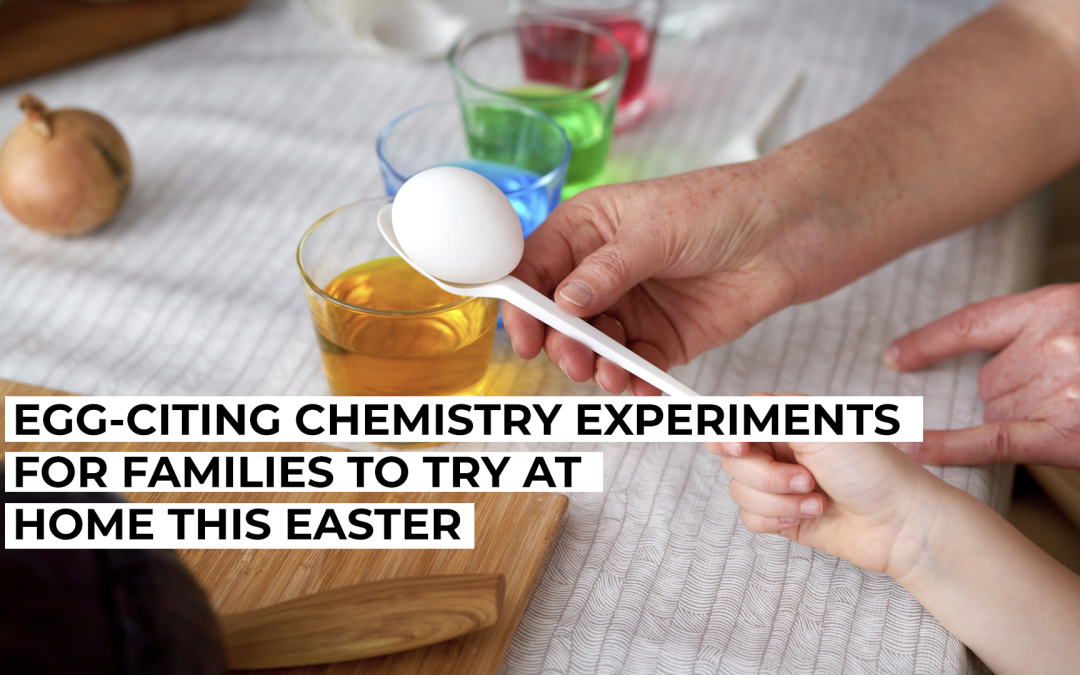
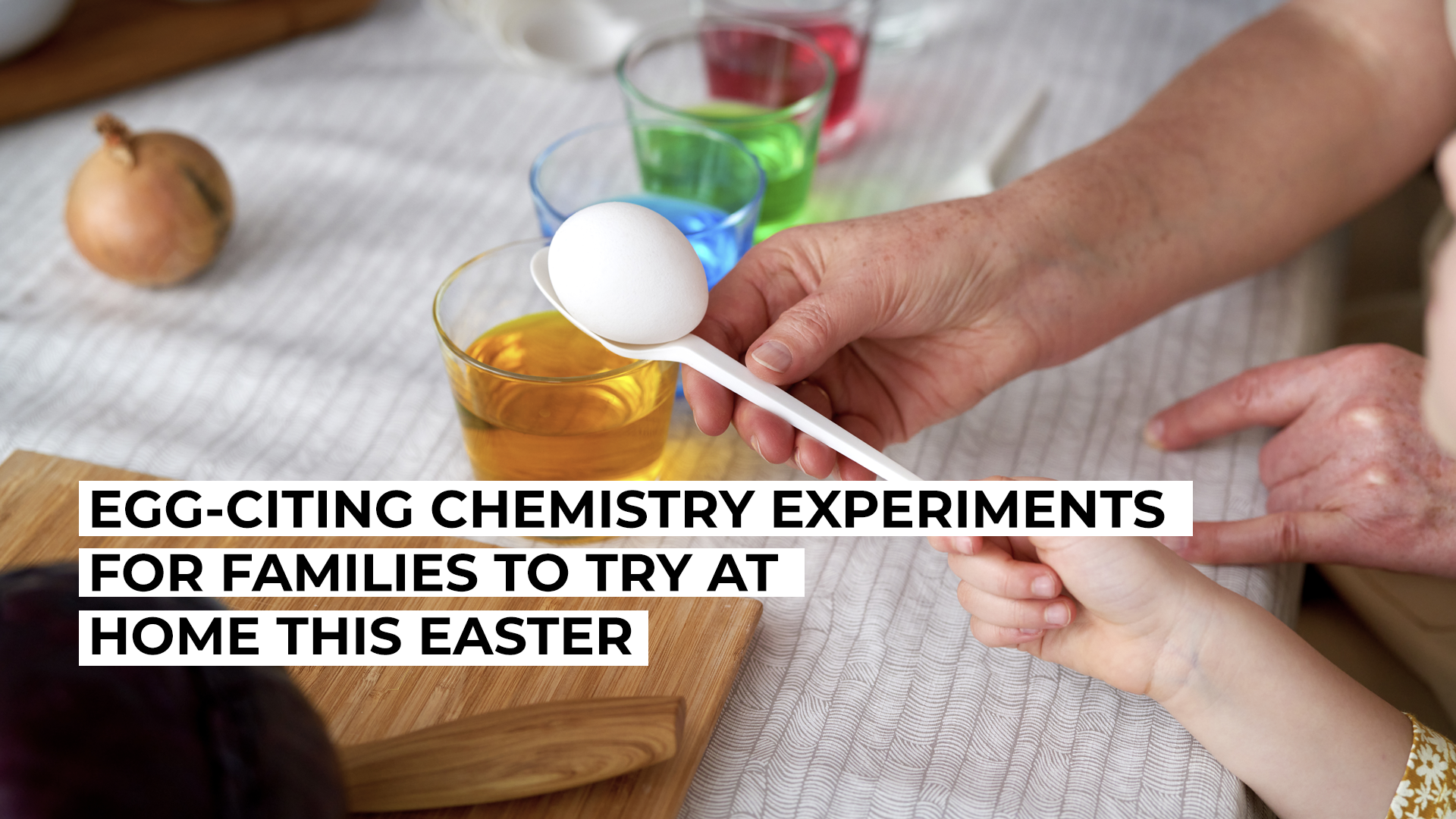
5 Easter Chemistry Experiments for Families to Try at Home
Looking for fun and educational ways to keep the kids entertained this Easter? The Royal Society of Chemistry has shared five easy chemistry experiments families can try at home, using everyday household items to explore colour, reactions and science through hands-on play.

Auntie Cath Cooks: Chilled Honey Chicken Poke Bowl & A Hot Soy Beef Poke Bowl
In this edition of Auntie Cath Cooks, Catherine Tyldesley shares two fresh, flavour-packed recipes perfect for busy family life — a chilled honey chicken poke bowl and a hot soy beef poke bowl. Simple, satisfying and full of goodness, they’re ideal for an easy lunch or midweek dinner.

Märchenhotel Braunwald Review: A Fairytale Family Hotel in Switzerland
A stay at Märchenhotel Braunwald feels like stepping into a fairytale, with snowy mountain views, family-friendly touches, and plenty to keep little ones entertained. In this BROOD travel review, Lolo Stubbs shares why this Swiss hotel is a magical choice for a relaxing family escape.

How to make your own Easter Egg
How to make an Easter Egg using a balloon and some chocolate, by renowned chocolatier Oli Dunn

The Stress Hangover Working Mothers Rarely Name
Working mothers often carry an invisible mental and emotional load long after the day appears to be done. In this powerful piece, Sarie Taylor explores the “stress hangover” — the exhaustion, anxiety and overwhelm that can surface once the crisis has passed — and offers a compassionate reframe for why it happens and what it really means.
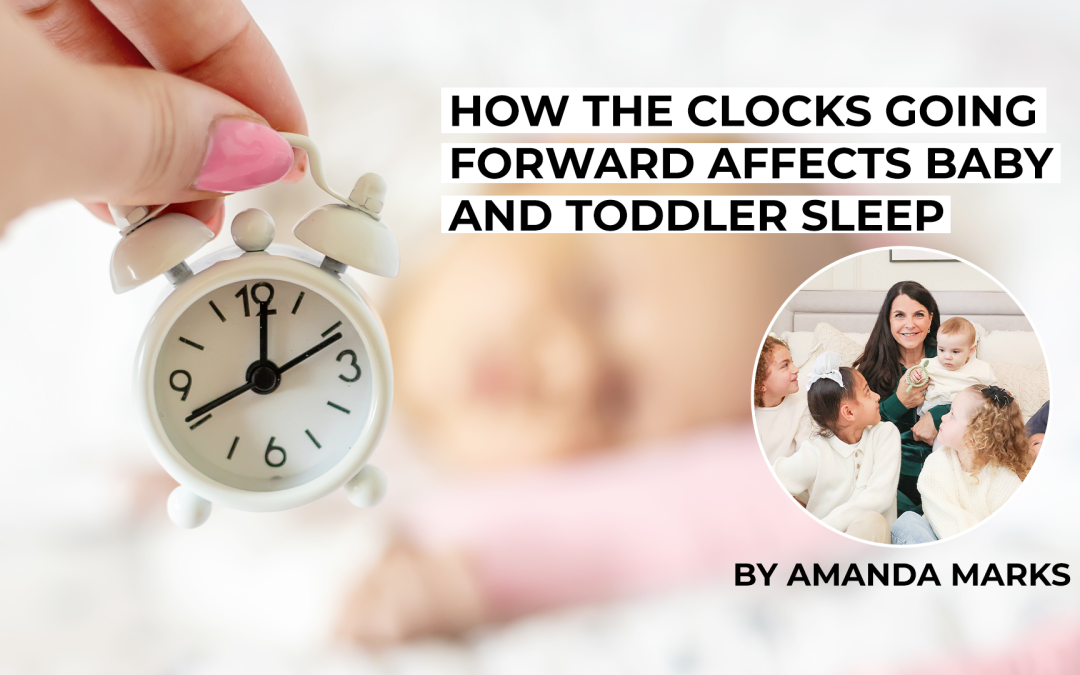
How the Clocks Going Forward Affects Baby and Toddler Sleep
The clocks have gone forward, the evenings are lighter, and for many parents that means one thing — sleep routines suddenly feel harder. In this expert column, Amanda shares why the seasonal light change can affect babies and toddlers, plus practical tips to help your child settle well, sleep longer, and wake less.
Women of the Year Awards 2026: Nominations Open for Inspirational Mums and Women Across the UK
The Women of the Year Awards are back for 2026, with nominations now open to celebrate exceptional women making an impact across the UK. From business and leadership to community and motherhood, this is a timely reminder to recognise the women whose work deserves to be seen.

Endometriosis: The Invisible Load so many women are carrying
Endometriosis isn’t “just a bad period”. It’s a chronic condition where tissue similar to the lining of the womb grows in places it shouldn’t (often around the pelvis, but it can show up elsewhere too)

£1,081.227 raised at this year’s Dr Michael Josephson MBE Farewell Ball
The Manchester Deansgate Hotel was transformed last night for a dazzling celebration of philanthropy and performance, as friends, supporters, and celebrity guests gathered at the Dr Michael Josephson MBE Farewell Ball raising £1,081.227 for children’s charities across the North-West.
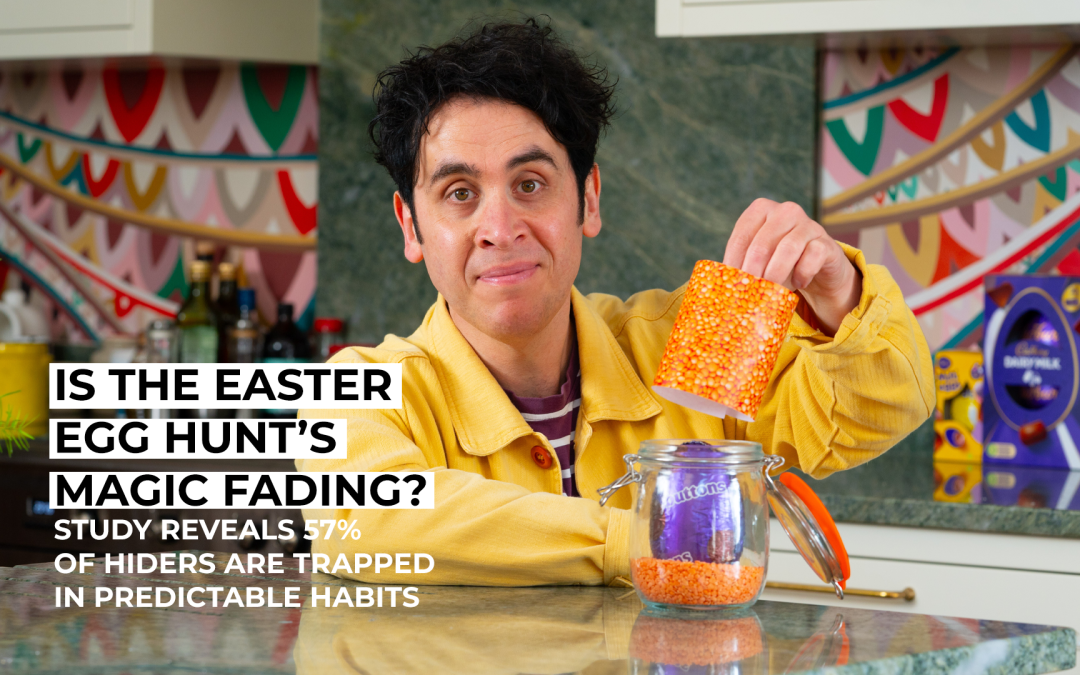
IS THE EASTER EGG HUNT’S MAGIC FADING? STUDY REVEALS 57% OF HIDERS ARE TRAPPED IN PREDICTABLE HABITS
For generations, the Easter egg hunt has been a cherished family ritual. However, new research suggests that for many, the magic is starting to fade as predictable hiding habits lead to hunts that are over in minutes.
5 Easter Chemistry Experiments for Families to Try at Home
Looking for fun and educational ways to keep the kids entertained this Easter? The Royal Society of Chemistry has shared five easy chemistry experiments families can try at home, using everyday household items to explore colour, reactions and science through hands-on play.
Auntie Cath Cooks: Chilled Honey Chicken Poke Bowl & A Hot Soy Beef Poke Bowl
In this edition of Auntie Cath Cooks, Catherine Tyldesley shares two fresh, flavour-packed recipes perfect for busy family life — a chilled honey chicken poke bowl and a hot soy beef poke bowl. Simple, satisfying and full of goodness, they’re ideal for an easy lunch or midweek dinner.
Märchenhotel Braunwald Review: A Fairytale Family Hotel in Switzerland
A stay at Märchenhotel Braunwald feels like stepping into a fairytale, with snowy mountain views, family-friendly touches, and plenty to keep little ones entertained. In this BROOD travel review, Lolo Stubbs shares why this Swiss hotel is a magical choice for a relaxing family escape.
How to make your own Easter Egg
How to make an Easter Egg using a balloon and some chocolate, by renowned chocolatier Oli Dunn
The Stress Hangover Working Mothers Rarely Name
Working mothers often carry an invisible mental and emotional load long after the day appears to be done. In this powerful piece, Sarie Taylor explores the “stress hangover” — the exhaustion, anxiety and overwhelm that can surface once the crisis has passed — and offers a compassionate reframe for why it happens and what it really means.
How the Clocks Going Forward Affects Baby and Toddler Sleep
The clocks have gone forward, the evenings are lighter, and for many parents that means one thing — sleep routines suddenly feel harder. In this expert column, Amanda shares why the seasonal light change can affect babies and toddlers, plus practical tips to help your child settle well, sleep longer, and wake less.
Women of the Year Awards 2026: Nominations Open for Inspirational Mums and Women Across the UK
The Women of the Year Awards are back for 2026, with nominations now open to celebrate exceptional women making an impact across the UK. From business and leadership to community and motherhood, this is a timely reminder to recognise the women whose work deserves to be seen.
Endometriosis: The Invisible Load so many women are carrying
Endometriosis isn’t “just a bad period”. It’s a chronic condition where tissue similar to the lining of the womb grows in places it shouldn’t (often around the pelvis, but it can show up elsewhere too)
£1,081.227 raised at this year’s Dr Michael Josephson MBE Farewell Ball
The Manchester Deansgate Hotel was transformed last night for a dazzling celebration of philanthropy and performance, as friends, supporters, and celebrity guests gathered at the Dr Michael Josephson MBE Farewell Ball raising £1,081.227 for children’s charities across the North-West.
IS THE EASTER EGG HUNT’S MAGIC FADING? STUDY REVEALS 57% OF HIDERS ARE TRAPPED IN PREDICTABLE HABITS
For generations, the Easter egg hunt has been a cherished family ritual. However, new research suggests that for many, the magic is starting to fade as predictable hiding habits lead to hunts that are over in minutes.
5 Easter Chemistry Experiments for Families to Try at Home
Looking for fun and educational ways to keep the kids entertained this Easter? The Royal Society of Chemistry has shared five easy chemistry experiments families can try at home, using everyday household items to explore colour, reactions and science through hands-on play.
Auntie Cath Cooks: Chilled Honey Chicken Poke Bowl & A Hot Soy Beef Poke Bowl
In this edition of Auntie Cath Cooks, Catherine Tyldesley shares two fresh, flavour-packed recipes perfect for busy family life — a chilled honey chicken poke bowl and a hot soy beef poke bowl. Simple, satisfying and full of goodness, they’re ideal for an easy lunch or midweek dinner.
Märchenhotel Braunwald Review: A Fairytale Family Hotel in Switzerland
A stay at Märchenhotel Braunwald feels like stepping into a fairytale, with snowy mountain views, family-friendly touches, and plenty to keep little ones entertained. In this BROOD travel review, Lolo Stubbs shares why this Swiss hotel is a magical choice for a relaxing family escape.
How to make your own Easter Egg
How to make an Easter Egg using a balloon and some chocolate, by renowned chocolatier Oli Dunn
The Stress Hangover Working Mothers Rarely Name
Working mothers often carry an invisible mental and emotional load long after the day appears to be done. In this powerful piece, Sarie Taylor explores the “stress hangover” — the exhaustion, anxiety and overwhelm that can surface once the crisis has passed — and offers a compassionate reframe for why it happens and what it really means.
How the Clocks Going Forward Affects Baby and Toddler Sleep
The clocks have gone forward, the evenings are lighter, and for many parents that means one thing — sleep routines suddenly feel harder. In this expert column, Amanda shares why the seasonal light change can affect babies and toddlers, plus practical tips to help your child settle well, sleep longer, and wake less.
Women of the Year Awards 2026: Nominations Open for Inspirational Mums and Women Across the UK
The Women of the Year Awards are back for 2026, with nominations now open to celebrate exceptional women making an impact across the UK. From business and leadership to community and motherhood, this is a timely reminder to recognise the women whose work deserves to be seen.
Endometriosis: The Invisible Load so many women are carrying
Endometriosis isn’t “just a bad period”. It’s a chronic condition where tissue similar to the lining of the womb grows in places it shouldn’t (often around the pelvis, but it can show up elsewhere too)
£1,081.227 raised at this year’s Dr Michael Josephson MBE Farewell Ball
The Manchester Deansgate Hotel was transformed last night for a dazzling celebration of philanthropy and performance, as friends, supporters, and celebrity guests gathered at the Dr Michael Josephson MBE Farewell Ball raising £1,081.227 for children’s charities across the North-West.
IS THE EASTER EGG HUNT’S MAGIC FADING? STUDY REVEALS 57% OF HIDERS ARE TRAPPED IN PREDICTABLE HABITS
For generations, the Easter egg hunt has been a cherished family ritual. However, new research suggests that for many, the magic is starting to fade as predictable hiding habits lead to hunts that are over in minutes.