A UK Parent’s Guide to Raising Adventurous Eaters
Any parent who’s faced a dinner table standoff with a toddler refusing anything green knows the challenge of expanding a child’s palate. However, raising adventurous eaters doesn’t have to include bribes, battles, or culinary expertise. It simply needs patience, creativity, and a willingness to make mealtimes about exploration, not obligation.
Children who develop varied tastes early will enjoy better nutrition, more social confidence around food, and a lifetime of culinary enjoyment. The journey from ‘chicken nuggets only’ to ‘I’ll try that’ might feel lengthy, but with the right approach, you’ll see progress sooner than you think. Now let’s dive in and explore the practical strategies that’ll help transform even the pickiest eater into a curious food explorer.
Use Takeaways to Explore Different Cuisines
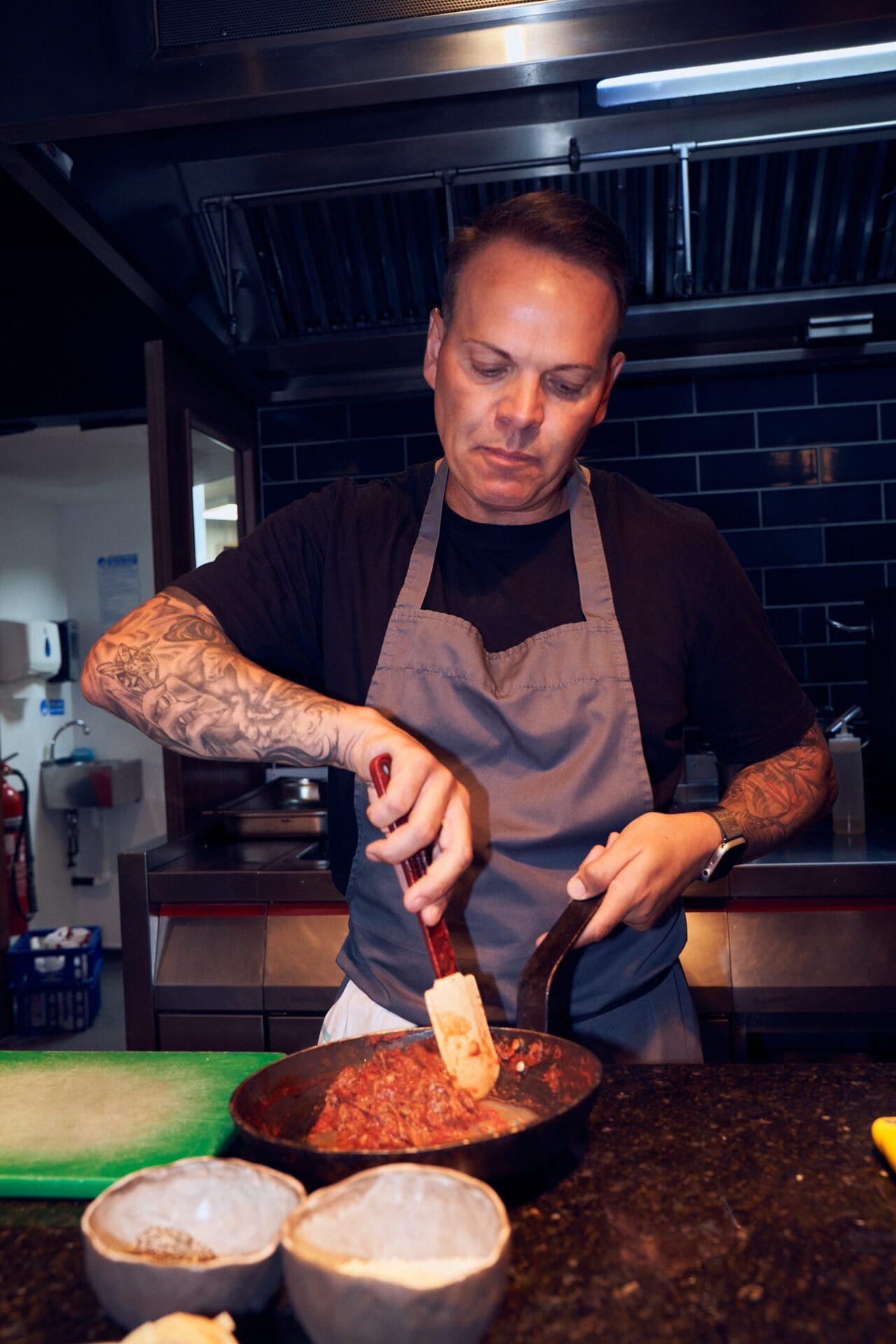
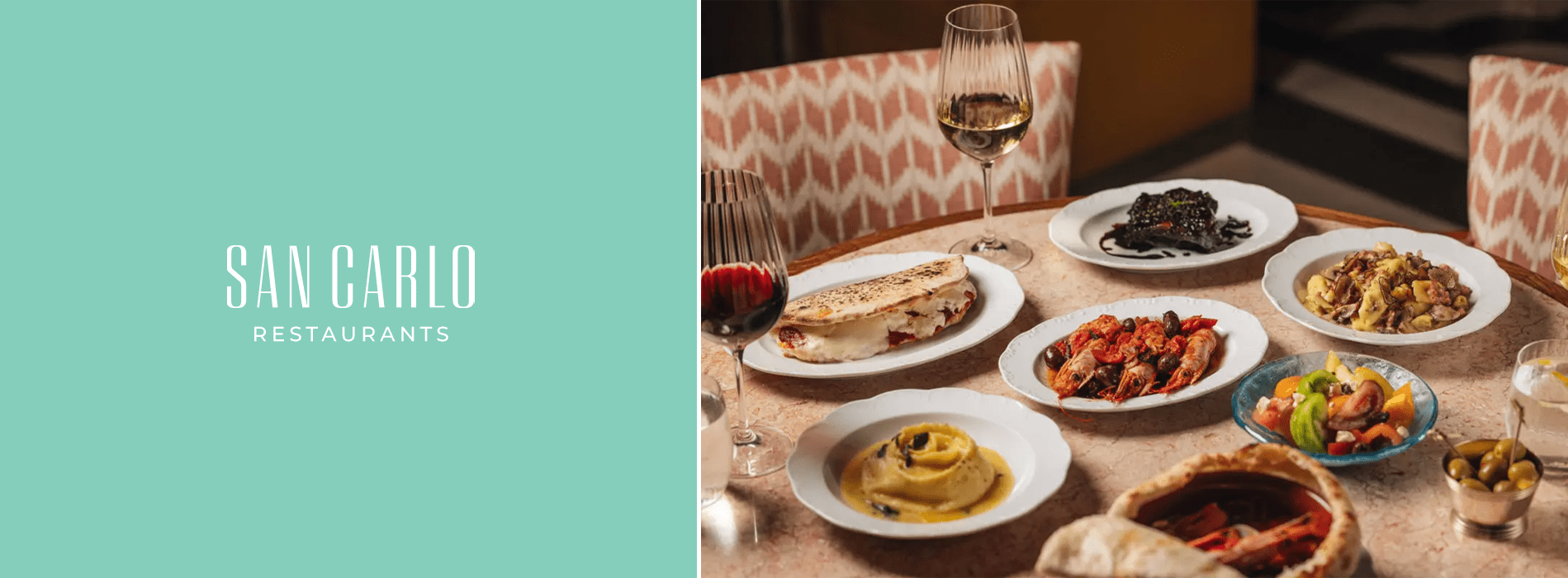
Restaurant meals offer a fantastic opportunity to introduce children to new flavours without the pressure of home cooking. When they see others enjoying diverse foods in a relaxed setting, kids often become more willing to try something unfamiliar.
Scoffable takeaways make it easier for budget-conscious families to explore different cuisines without overspending. Start with child-friendly options from various cultures. Mild Thai curries, Japanese teriyaki, or Spanish tapas can gently introduce new tastes while keeping familiar elements that provide comfort.
The key is making these experiences positive and pressure-free. Let your children choose something from the menu that interests them, even if it’s the same dish they always order. Simply being exposed to different food environments plants seeds for future adventurousness.

Start Early and Stay Consistent
Research shows that taste preferences develop remarkably early. Babies exposed to varied flavours during weaning often maintain more adventurous palates throughout childhood. But if your child’s already past that stage, don’t worry. It’s never too late to broaden their horizons.
Consistency matters more than perfection. Regularly offering new foods alongside familiar favourites normalises variety. Children may need to see a food 10 to 15 times before they’ll try it, so persistence pays off.
Avoid creating separate ‘children’s meals’ whenever possible. When the whole family eats the same dinner, children learn that diverse food is normal rather than something special or scary. They can also see parents and siblings enjoying foods they might initially reject.
Make It Fun and Involve Them
Try to transform food exploration from a chore to an adventure. Create tasting plates with small portions of different items. Frame it as a game where everyone rates foods with stars or describes flavours using silly words.
Getting children involved in food preparation dramatically increases their willingness to try new things. Even toddlers can wash vegetables, tear lettuce, or stir ingredients. Older children might help choose recipes, shop for ingredients, or cook simple dishes themselves.
Visit local markets together and let them pick one new fruit or vegetable to try each week. Growing herbs or vegetables at home, even in small pots, creates investment in the eating experience. When children feel ownership over food, they’re far more likely to taste it.
Create Positive Food Associations
Never force children to eat something or use food as punishment or reward. These tactics create negative associations that can last into adulthood. Instead, model curiosity yourself. Talk about flavours, textures, and where foods come from in an engaging way.
Celebrate small victories without making a fuss. When your child tries something new, acknowledge it calmly rather than with excessive praise that creates pressure for next time.
Build Bridges Between Familiar and New
Help children connect unfamiliar foods to things they already enjoy. If they love pizza, introduce them to flatbreads with different toppings. Pasta fans might enjoy Asian noodles. Children who’ll eat chicken nuggets can try different proteins with similar textures.
Offer new foods alongside guaranteed favourites so meals never feel entirely risky. This safe base gives children confidence to experiment. Let them build their own plates when possible, choosing how much of each item to try.
Explain that tastes change as we grow. Something they didn’t like last year might taste different now. Frame tasting as scientific exploration where everyone’s experience is valid and interesting.
Common Challenges
Texture sensitivity affects many children more than actual flavour. If your child rejects foods based on texture, try different preparations. Raw carrots might work better than cooked ones, or vice versa. Smooth soups could introduce vegetables that feel overwhelming in chunks.
Peer influence can work in your favour. Playdates and school meals often inspire children to try foods they’d refuse at home. Don’t take this personally. It’s normal developmental behaviour that you can use strategically.
Remember that appetite fluctuates naturally. Growth spurts, illness, and emotional changes all affect eating. Stay calm during phases of limited eating, continuing to offer variety without pressure.
The Journey Ahead
Raising adventurous eaters is a marathon, not a sprint. Some children will embrace new foods enthusiastically while others need more time and gentle encouragement. Both paths are perfectly normal.
Focus on creating positive food experiences, modelling curiosity yourself, and keeping mealtimes relaxed and enjoyable. The goal isn’t perfection, but gradual expansion of your child’s comfort zone. With patience and consistency, you’ll nurture a lifetime of healthy, adventurous eating habits that’ll serve them well into adulthood.










When Families Fall Out: What the Beckham Headlines Can Teach Us About Repair and Mediation
When Families Fall Out explores what the recent Beckham headlines can teach us about family rupture, repair and the role mediation can play when relationships feel strained. With insight from JMW Solicitors’ family law team and child anxiety therapist Saskia Joss, it looks at why disconnection happens, how to name it, and what practical support can help families move forward with more understanding and kindness.

When Parents Split, Schools Feel It Too: The Hidden Impact on Children
Relationship expert Sally Land highlights the hidden toll that high-conflict separations can take on children — and how often schools end up caught in the crossfire. Citing research from The Parents Promise, she notes that teachers are regularly seeing the fallout in real time: slipping grades, increased absence, withdrawal, behavioural issues and worsening mental health.

Building a Brand as a Working Parent: The Bit Nobody Talks About (The Loneliness)
Building a brand as a working parent looks great on paper — flexible hours, doing something you love, creating a life that fits around family. But the reality is often messier. You’re juggling school runs and deadlines, client work and packed lunches, confidence wobbles and cash flow worries… and somehow you’re expected to show up online like you’ve got it all under control.

The Balance of Play
I hate admitting that because I value play so deeply, especially in those precious early years. It’s how our children learn, explore, imagine and build confidence. But as a mum trying to keep a household running and a business growing, it’s not always easy to appreciate those moments.

Part Time Working Mummy Interview: Rachaele Hambleton & Josh Marshall
Rachaele Hambleton, aka Part Time Working Mummy, is an inspirational mum of six. The incredible 43-year-old is a Sunday Times Bestselling Author—four times over—founder of The Patchwork House, a support and guidance service for vulnerable individuals and families, and she’s also a successful entrepreneur, which includes her own clothing brand REBL.

Introducing Amanda Marks
We’re thrilled to welcome our new columnist Amanda Marks. Amanda is a Renowned Breastfeeding, Food & Sleep Consultant
With over 40 years of experience supporting families, Amanda Marks is a highly respected breastfeeding, food, and sleep consultant. Based in prestigious locations including 10 Harley Street, London, and Alderley Edge, Cheshire, Amanda has worked with families from diverse backgrounds, including media personalities and royalty, maintaining the highest standards of confidentiality.

An Interview with English Professional Boxer Chris Billam-Smith
At BROOD, we’re always drawn to stories that celebrate not just professional triumphs, but the heart and humanity behind them. Someone who embodies this spirit perfectly is Chris Billam-Smith—a world-class athlete
whose grit in the ring is matched only by his devotion to his family.
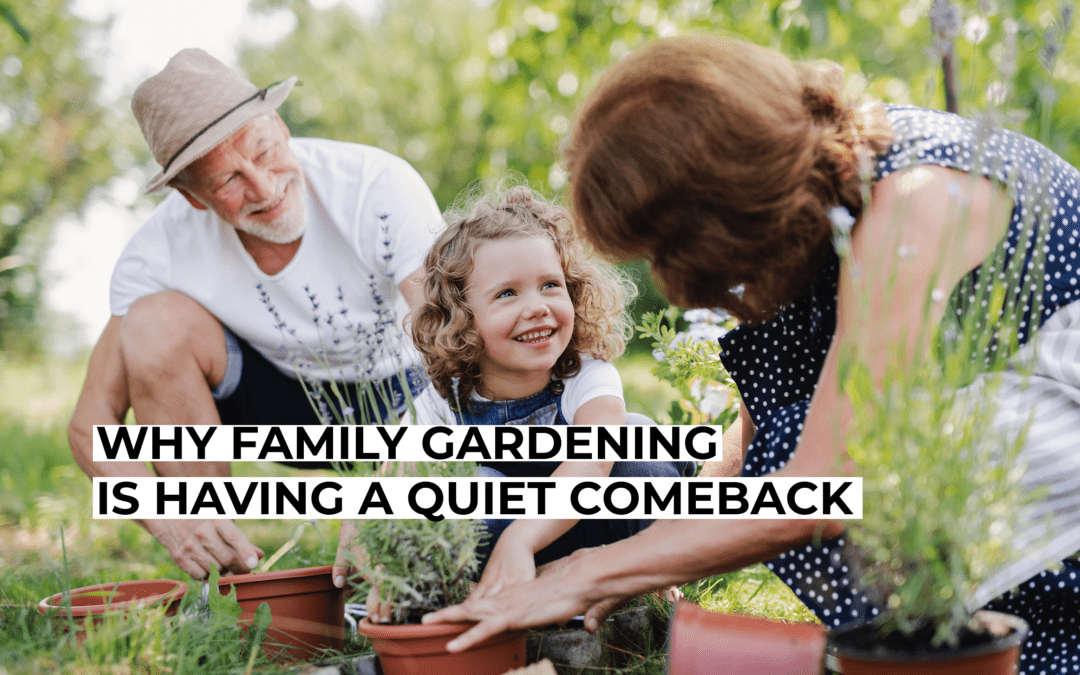
Why Family Gardening Is Having a Quiet Comeback
There’s a noticeable shift happening in how families spend their time. It isn’t loud or trend-led, and it’s rarely documented with before-and-after shots. Instead, it’s quieter and slower, rooted in small routines and shared moments. Family gardening is part of that change.

From Parliament to the Premier League: Campaigning for survivors of domestic abuse during this #16DaysOfActivism
Our Head of Social Causes and Sub-Editor Teresa Parker was joined by BROOD Editor-in Chief Lolo Stubbs at an event in Parliament on the 2nd December 2025 to mark ten years of coercive control legislation. Teresa organised the event through her consultancy Teresa Parker Media, in partnership with Hawkins, Laxton & Co, which is run by her former colleagues Clare and Sian.

WHY PARENTS NEED A WILL (Even If You Don’t Think You Do)
A lot of people still think wills are only for the wealthy or the elderly. I hear this all the time. In reality, wills are about far more than dividing up money.