Why Your Bed Frame Might Be Ruining Your Sleep (Without You Realising)
When sleep goes wrong, the blame almost always falls on the mattress. It’s a reasonable first guess, and often a correct one, but not always. The bed frame underneath the mattress is one of the most overlooked parts of the whole sleeping system, and it can compromise a good mattress as effectively as a worn-out mattress can compromise a new frame. The fact that most people never think critically about their frame, treating it as basically permanent furniture that doesn’t need attention, is exactly why it escapes scrutiny when sleep problems develop.
What A Bed Frame Actually Does
The job of a bed frame is to hold the mattress at the right height, in the right position, with consistent support across its surface. This sounds trivial, but getting it wrong affects sleep in ways that range from minor annoyance to genuine sleep disruption. The frame provides the foundation that the mattress needs to function as designed, and an inadequate foundation undermines even expensive mattresses.
Specifically, the frame determines how the weight on the mattress is distributed downward, whether the mattress is adequately supported across its entire surface, whether it can breathe properly underneath, how stable the bed is when you move, and how long the mattress lasts before structural fatigue. All of these affect sleep quality, mattress lifespan, or both.
Most people inherit their bed frame from a previous living situation, buy one cheaply at the same time as their mattress because the shop offered a package deal, or use something that was the main piece of furniture in a bedroom when they moved in. The frame is rarely a considered purchase, and its consequences are rarely inspected.
The Slatted Base Problem
Slatted bed bases are the most common frame type in the UK and Europe, and they’re the source of a specific and frequently unrecognised problem. A slatted base supports the mattress through a series of parallel wooden slats, typically 6-10cm wide, spaced 5-10cm apart. This works adequately for traditional spring mattresses but can cause serious issues for modern foam or hybrid mattresses.
The issue is slat gap width. If the slats are spaced more than 7-8cm apart, the foam layers of a modern mattress can sag into the gaps over time. This creates subtle ridges in the mattress surface corresponding to the slats and hollow areas between them. The effect accumulates gradually, and by the time it’s noticeable, the mattress has often been permanently deformed. Most mattress warranties explicitly exclude damage caused by inappropriate bases, which means a slatted base with wide gaps can void the warranty on an expensive mattress.
Slat strength matters too. Slats that are thin or made from low-quality wood flex under body weight, which creates small but continuous deformations in the mattress above. Over time these concentrate wear in specific areas. High-quality slatted bases use thicker slats, often with reinforcing supports in the middle, and these perform much better, but they’re less common in cheap frame packages.
The practical implication is that a £200 frame from a budget retailer can genuinely shorten the life of a £1,500 mattress, and the user often doesn’t connect the two failures. They assume the mattress failed prematurely and blame the mattress manufacturer, when the frame underneath was actually the cause.
The Box Spring Question
Box springs, more common in the US than the UK but still present here, are essentially a large flat support structure, usually wooden with fabric covering, that goes under the mattress. They provide continuous support across the entire surface, which is excellent for the mattress, but they also raise the bed substantially, which some people find uncomfortable.
Box springs are fine for traditional spring mattresses they were designed for, but they’re not necessary for modern foam or hybrid mattresses, which are engineered to sit on a flat, sturdy surface without the additional suspension of a box spring. Using a box spring with a modern mattress doesn’t usually hurt it, but it can affect the feel of the mattress (generally making it feel softer than intended) and is unnecessary.
Some people inherit box springs with bed frames and continue using them by default. Modern mattress purchases often include guidance about whether a box spring is appropriate; following the manufacturer’s recommendations matters more than sticking with whatever was already there.
The Divan Base
Divan bases are the British alternative to traditional bed frames, consisting of a solid fabric-covered base that the mattress sits on directly. They come in two varieties: platform top (a hard, solid surface) and spring top (springs inside the base itself that add an additional layer of suspension).
Platform-top divans are a good foundation for most modern mattresses because they provide continuous support without excessive suspension. They also include storage drawers, which most people appreciate.
Spring-top divans are sometimes good but sometimes problematic. The springs in the base add softness that can make a mattress feel less firm than it was designed to be, and pairing a spring-top divan with an already-soft mattress often produces a combination that’s too soft for good support. Divan and mattress should generally be matched; a firmer mattress on a spring divan, or a softer mattress on a platform divan, usually works better than the alternatives.


The Height Issue
Bed height affects comfort in ways that matter more than people realise. A bed that’s too low, where your knees are higher than your hips when sitting on the edge, strains the lower back and makes getting in and out of bed harder. A bed that’s too high, where your feet don’t reach the floor comfortably when sitting on the edge, creates a different set of ergonomic issues.
The general rule is that your knees should be approximately level with or slightly below your hips when you sit on the edge of the bed with feet flat on the floor. This typically means a total bed height (frame plus mattress) of around 55-65cm, though personal height affects the ideal range.
For older adults or people with mobility issues, bed height can be a significant factor in daily comfort and safety. A bed that’s too low is harder to rise from; a bed that’s too high creates fall risk when getting out. Spacious bed frames for enhanced comfort consider this alongside the more obvious comfort factors, particularly for couples or sleepers who want more surface area without compromising on getting in and out easily.
The Noise Factor
A bed frame that creaks, squeaks, or shifts when you move can fragment sleep in ways that aren’t obvious to the sleeper. The noise is often too quiet to fully wake you but loud enough to produce micro-arousals that disrupt sleep architecture. Over months, this cumulates into measurably worse sleep quality.
Wooden frames often develop creaks over time as joints loosen, wood shrinks or expands with humidity changes, and fasteners work loose. Metal frames with bolted joints can develop squeaks when metal rubs against metal. Both can usually be addressed, tightening bolts, adding felt pads at joints, applying wax or lubricant to squeaky spots, but they often go unaddressed because the noise is assumed to be permanent or not bad enough to bother with.
If a bed makes noise when anyone moves on it, that noise is disrupting sleep, whether anyone consciously notices or not. Fixing it is usually cheap; replacing the frame if the fixes don’t work is a longer-term investment but often worth it.
The Stability Issue
A bed that moves when you move on it, wobbling, shifting, or transmitting motion across the entire frame, produces the same kind of fragmentation as a noisy frame. For solo sleepers this is annoying; for couples it’s worse, because a partner’s movements translate directly into motion that disturbs the other person.
Stability depends on frame construction quality. Cheap frames with weak joints develop play over time. Frames that aren’t properly levelled on uneven floors rock or wobble with movement. Bed frames that use bolts rather than proper joinery can loosen with use.
The solution is either tightening the existing frame periodically (which helps for cheaper frames) or investing in a frame with solid construction from the start. Steel platform frames or well-constructed wooden ones tend to remain stable for many years; assembly-required frames with minimal joinery often don’t.
The Ventilation Question
Mattresses need airflow around them to dissipate moisture and maintain their materials. A frame that allows air to circulate beneath the mattress supports this; a frame that encloses the mattress tightly, or one that sits directly on the floor, restricts it.
Slatted bases with appropriate gaps provide good ventilation, which is one of their genuine advantages when the slats are otherwise well-sized. Platform beds with solid surfaces can restrict ventilation if the surface is truly solid; many have built-in gaps or ventilation holes to address this.
Mattresses on the floor, with no frame at all, get minimal ventilation and can develop moisture problems on the underside over time. This is one of the reasons the trend toward frameless mattresses is usually bad for mattress longevity.
When To Replace The Frame
Bed frames don’t wear out as obviously as mattresses, but they do wear out. Signs that a frame needs replacement include persistent noise that can’t be quieted through maintenance, visible damage to slats or support structures, wobbling or instability that doesn’t respond to tightening, and sagging in the middle of the bed.
A good frame should outlast a mattress, often by a factor of two or three. A frame that’s failing after three or four years was probably cheap to begin with, and replacing it with a better one is a one-time investment that will serve multiple mattress generations.
The honest version is that most sleep problems come from the mattress, but some come from the frame underneath, and the frame gets blamed far less often than it should. If you’ve upgraded mattresses recently and the improvement was smaller than expected, the frame is worth examining before concluding that the new mattress was a bad choice.



The Big 2026 British Playcation: The Ultimate Free, Low-Cost & Premium Summer Days Out
The six-week school summer holidays are here, but keeping kids entertained shouldn’t break the bank. With new data showing a massive “play gap” across the UK, we’ve rounded up 11 of the absolute best national initiatives, free community festivals, heavily discounted active-play passes, and premium family adventures to help you balance the budget while creating unforgettable summer memories.

New ‘xV’ Campaign Launches “The Unspoken Stat” to Expose Hidden Domestic Abuse Spike Around England Matches
A powerful new World Cup campaign introduces “xV” (Expected Violence) to expose a chilling reality: research shows domestic abuse incidents spike by 38% when England loses and 26% even when they win. Backed by survivors, sports figures, and celebrities like Mel B, the campaign demands that this hidden statistic receives the same urgent attention as modern football data.

Banning Social Media Under 16: What the New UK Law Means for Parents
The UK government has announced a landmark social media ban for children under 16. From affected apps to enforcement timelines, here is what the “Australia Plus” model means for busy working parents and family life.
Beat The Heat: Top Tips To Help Your Kids Sleep During A Heatwave
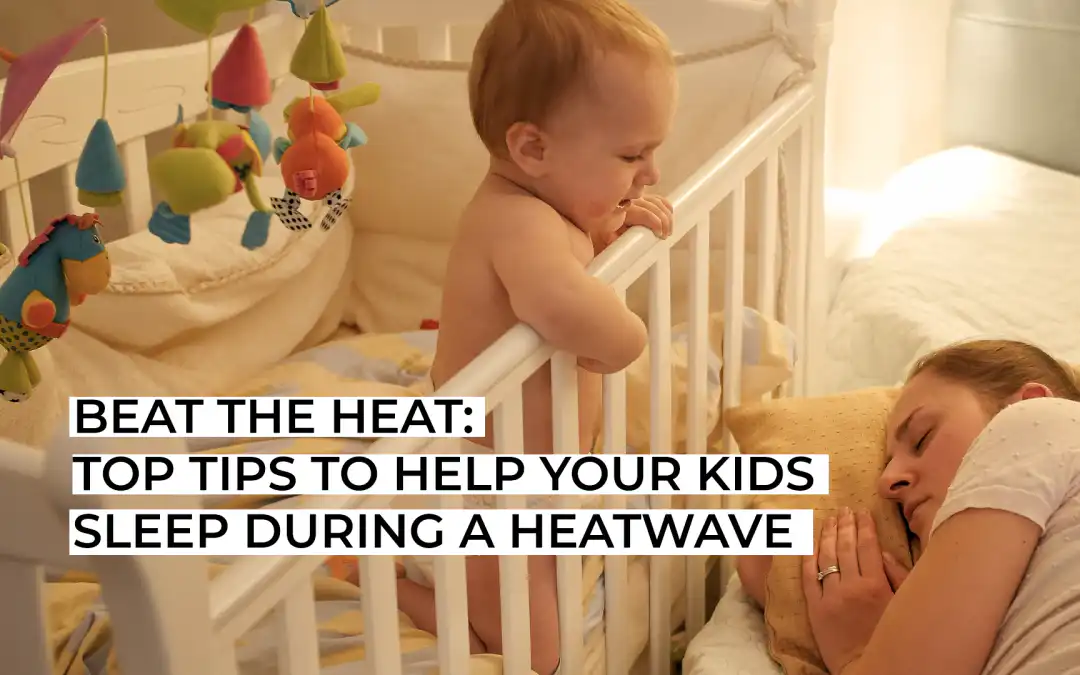
Struggling to get your little ones to sleep in a stifling bedroom? From clever daytime blackout tactics and safe on-the-go shading with SnoozeShade, to expert routine adjustments from pediatric sleep specialist Amanda Marks and soothing audio tracks from Bedtime Story Co, we’ve got your ultimate guide to keeping kids cool, calm, and safely asleep during a summer scorcher.

Beat the Heatwave: Budget-Friendly School Holiday Activities for All Ages
Surviving the summer break shouldn’t have to drain your bank account—even in a heatwave! From air-conditioned national museum hacks and hidden shaded forest trails across the country to creative DIY projects that will actually keep your teenagers engaged, we’ve rounded up the ultimate budget-friendly guide to keeping cool and entertained both out and at home

Why keeping employees hydrated improves productivity
The human brain is roughly 70-75% water. When dehydration kicks in, it isn’t just a physical drain—it causes a direct hit to focus, memory, and spatial coordination. In fact, research suggests that even a small one percent rise in dehydration can result in a worker’s productivity dipping by approximately 12%.

Lisa Johnson: From £30K Debt to Multi-Millionaire – How a Mum of Two Built a Freedom-Focused Business
Discover how Lisa Johnson, award-winning entrepreneur and mum of twins, went from £30,000 in debt to building a multi-million-pound business in just seven years. In this exclusive interview, Lisa shares her journey through adversity, her strategies for scaling with passive income, and her honest advice for parents and entrepreneurs seeking financial freedom, work-life balance, and lasting impact. Keywords: Lisa Johnson, entrepreneur, passive income, business strategy, work-life balance, financial freedom, mumpreneur, online business, success story.

3 Easy Family Recipes That Will Stop Weeknight Dinner Stress | Peter Sidwell’s Kitchen
Ditch the packet food! Chef Peter Sidwell shares three quick, comforting, and flexible family recipes designed to bring everyone together around the dinner table.

The Joy of Family Dining: Why San Carlo’s Children’s Menu Wins Over Little Foodies
Discover the heart of Italian family dining at San Carlo. From the Sicilian heritage of founder Carlo Distefano to a specially crafted children’s menu featuring authentic flavors and creative “build your own” options, learn why San Carlo is the perfect destination for a sophisticated yet warm family meal.

Building confidence as a working parent: how to show up authentically in business
Returning to work after having a child is a seismic shift. Learn how to rebuild your professional identity, boost your self-esteem, and show up authentically with these 5 proven tips for confident working parents.
The Big 2026 British Playcation: The Ultimate Free, Low-Cost & Premium Summer Days Out
The six-week school summer holidays are here, but keeping kids entertained shouldn’t break the bank. With new data showing a massive “play gap” across the UK, we’ve rounded up 11 of the absolute best national initiatives, free community festivals, heavily discounted active-play passes, and premium family adventures to help you balance the budget while creating unforgettable summer memories.
New ‘xV’ Campaign Launches “The Unspoken Stat” to Expose Hidden Domestic Abuse Spike Around England Matches
A powerful new World Cup campaign introduces “xV” (Expected Violence) to expose a chilling reality: research shows domestic abuse incidents spike by 38% when England loses and 26% even when they win. Backed by survivors, sports figures, and celebrities like Mel B, the campaign demands that this hidden statistic receives the same urgent attention as modern football data.
Banning Social Media Under 16: What the New UK Law Means for Parents
The UK government has announced a landmark social media ban for children under 16. From affected apps to enforcement timelines, here is what the “Australia Plus” model means for busy working parents and family life.
Beat The Heat: Top Tips To Help Your Kids Sleep During A Heatwave
Struggling to get your little ones to sleep in a stifling bedroom? From clever daytime blackout tactics and safe on-the-go shading with SnoozeShade, to expert routine adjustments from pediatric sleep specialist Amanda Marks and soothing audio tracks from Bedtime Story Co, we’ve got your ultimate guide to keeping kids cool, calm, and safely asleep during a summer scorcher.
Beat the Heatwave: Budget-Friendly School Holiday Activities for All Ages
Surviving the summer break shouldn’t have to drain your bank account—even in a heatwave! From air-conditioned national museum hacks and hidden shaded forest trails across the country to creative DIY projects that will actually keep your teenagers engaged, we’ve rounded up the ultimate budget-friendly guide to keeping cool and entertained both out and at home
Why keeping employees hydrated improves productivity
The human brain is roughly 70-75% water. When dehydration kicks in, it isn’t just a physical drain—it causes a direct hit to focus, memory, and spatial coordination. In fact, research suggests that even a small one percent rise in dehydration can result in a worker’s productivity dipping by approximately 12%.
Lisa Johnson: From £30K Debt to Multi-Millionaire – How a Mum of Two Built a Freedom-Focused Business
Discover how Lisa Johnson, award-winning entrepreneur and mum of twins, went from £30,000 in debt to building a multi-million-pound business in just seven years. In this exclusive interview, Lisa shares her journey through adversity, her strategies for scaling with passive income, and her honest advice for parents and entrepreneurs seeking financial freedom, work-life balance, and lasting impact. Keywords: Lisa Johnson, entrepreneur, passive income, business strategy, work-life balance, financial freedom, mumpreneur, online business, success story.
3 Easy Family Recipes That Will Stop Weeknight Dinner Stress | Peter Sidwell’s Kitchen
Ditch the packet food! Chef Peter Sidwell shares three quick, comforting, and flexible family recipes designed to bring everyone together around the dinner table.
The Joy of Family Dining: Why San Carlo’s Children’s Menu Wins Over Little Foodies
Discover the heart of Italian family dining at San Carlo. From the Sicilian heritage of founder Carlo Distefano to a specially crafted children’s menu featuring authentic flavors and creative “build your own” options, learn why San Carlo is the perfect destination for a sophisticated yet warm family meal.
Building confidence as a working parent: how to show up authentically in business
Returning to work after having a child is a seismic shift. Learn how to rebuild your professional identity, boost your self-esteem, and show up authentically with these 5 proven tips for confident working parents.