How to Choose the Right Fabric for Workwear Embroidery
Choosing the right base material is an important factor in the longevity and look of embroidered designs. An appropriate fabric not only keeps the stitching in place but also keeps the design in shape and colour even after numerous washings. Companies that invest in embroidered workwear must align fabric performance with the requirements of their business, weighing comfort, durability and appearance.
Cotton for Breathability and Comfort
Cotton is usually preferred due to its softness and comfort, and is therefore preferred in workplaces where workers spend a lot of time on their feet. It is highly absorbent and assists in body temperature regulation, but when not pre-treated, it can shrink. In embroidery, the tightly spun fibres of cotton are able to retain designs well, but backing reinforcement might be required to avoid puckering with age.
Polyester for Strength and Colour Retention
The synthetic fibres used in polyester do not stretch, shrink, or wrinkle, which makes this material perfect to use in clothes that need little maintenance. The silk surface is ideal for fine embroidery, and the resistance of the fabric to fading maintains the designs fresh even after regular washing. In industries in which uniforms must be of a polished appearance, e.g. retail, hospitality or security, polyester gives consistent results.
Poly-Cotton Blends for Versatility
The combination of cotton and polyester produces a balanced material that is as soft as natural fibres and as durable as synthetics. Such combinations are very common in embroidered work clothes because they are comfortable, durable, and have good stitch holding. This is an option that is applicable in many industries, including customer service jobs and light trade jobs, where image and strength are important.
Heavy-Duty Fabrics for Construction and Trades
Fabrics used in industries like construction, engineering and manufacturing have to withstand abrasion, dirt and heavy wear. Canvas and heavyweight cotton drill are great options, being thick enough to hold up bold embroidery and yet tear-resistant. The materials are durable to withstand regular industrial washing without compromising branding, even in the most demanding working conditions.
Lightweight Fabrics for Active or Seasonal Roles
Warm weather activities or physically demanding work are better suited to lighter fabrics, like polyester microfibre or performance mixes. Such fabrics are moisture-wicking and improve airflow so that the workers are comfortable without compromising the embroidery design. They suit delivery drivers, warehouse workers and event crew that require free movement.
Corporate and Office-Friendly Fabrics
Professional wear is more likely to be oriented towards finer fabrics, like lightweight poly-cotton shirting or suiting cloth. The options offer a smooth surface that adds more detail to intricate embroidery and maintains garments’ smart appearance. The fabric must hang well and be structured so that logos look clean on shirts, blouses or blazers.
Considering Fabric Weight for Stitch Density
The thickness of the fabric affects the way the embroidery lies on the clothing. Denser stitching can be supported in heavier fabrics without distortion, but lighter materials may need the addition of stabilising layers. Understanding the relationship between stitch density and fabric weight is crucial to ensure the design outcome appears clean and professional in various garment types.
Matching Fabric to Function and Appearance
The choice of the material to be embroidered on work clothes is a trade-off between beauty, longevity and the needs of a given industry. It can be the hard canvas used in construction sites or the light mixes used in active jobs, but any decision will influence the strength of the embroidery in the long run. The integration of the kind of fabric with the workplace needs will assist businesses in creating embroidered workwear that not only promotes their brand but also withstands the pressure of daily wear.



From Family Factory Roots to Supermarket Shelves: The Inspiring Rise of Good Bubble
From a family toiletries business to landing in 268 Sainsbury’s stores nationwide, Manchester sisters Amy Lister and Sally Wordsworth share how resilience, skin-kind ingredients, and the Gruffalo helped Good Bubble reach supermarket shelves.

Beyond the Manosphere: Why Boys Need Men Who Speak Up
Dr Carolyne Keenan explores how online manosphere narratives impact young men and explains why positive male role models are essential for shaping a healthy, grounded vision of masculinity

Parenthood Unfiltered: The First Good Dad I Ever Knew
Rachaele Hambleton (Part Time Working Mummy) reflects on growing up without a positive father figure, escaping domestic abuse, and how finding a true partner changed everything for her and her six children. A moving look at presence, healing, and what makes a truly good dad.
Escape the Chaos & The Family Lunch: Food Review
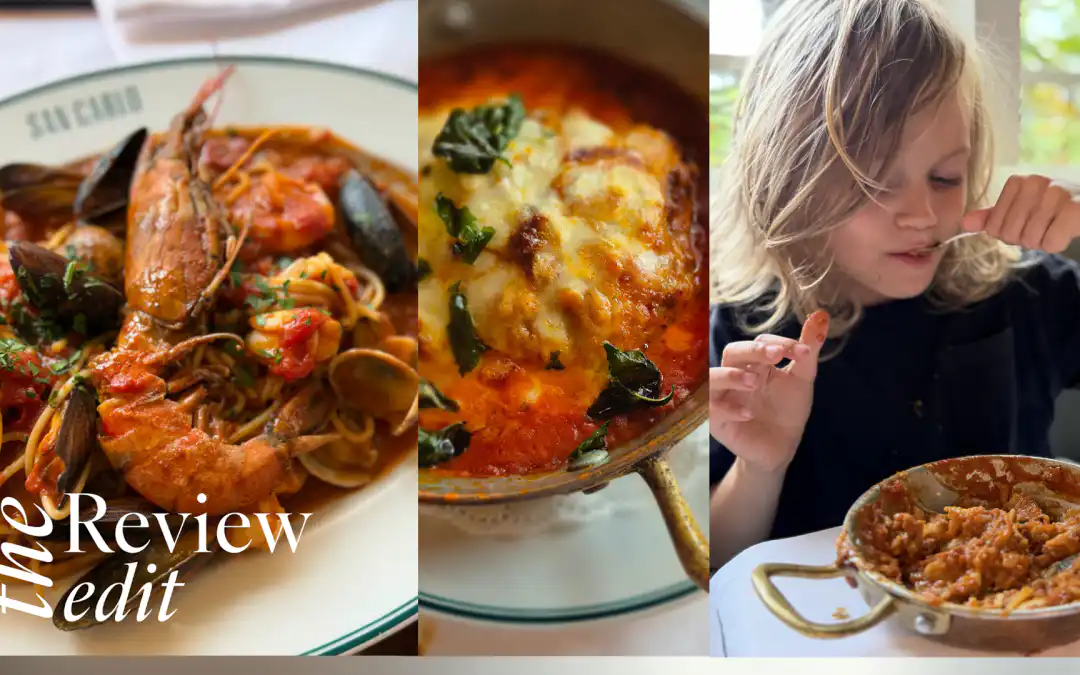
Escape the chaos of the summer holidays and moving boxes with a true taste of Italy. Join us for a family-friendly review of San Carlo Alderley Edge, featuring their fantastic new kids’ menu, authentic Italian dishes, and a stress-free dining experience for parents and children alike.
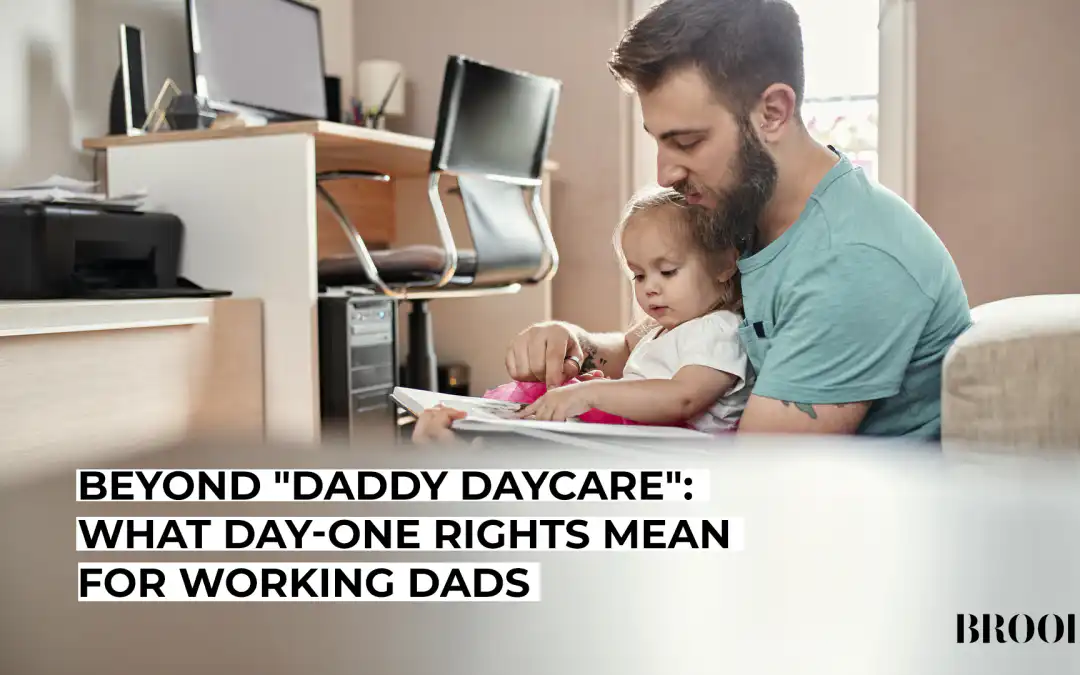
Beyond “Daddy Daycare”: What Day-One Rights Mean for Working Dads
From day-one flexible working requests to dismantling outdated “daddy daycare” tropes, the UK workplace landscape is shifting. Discover what the new legislation means for working fathers, co-parenting equality, and your career.
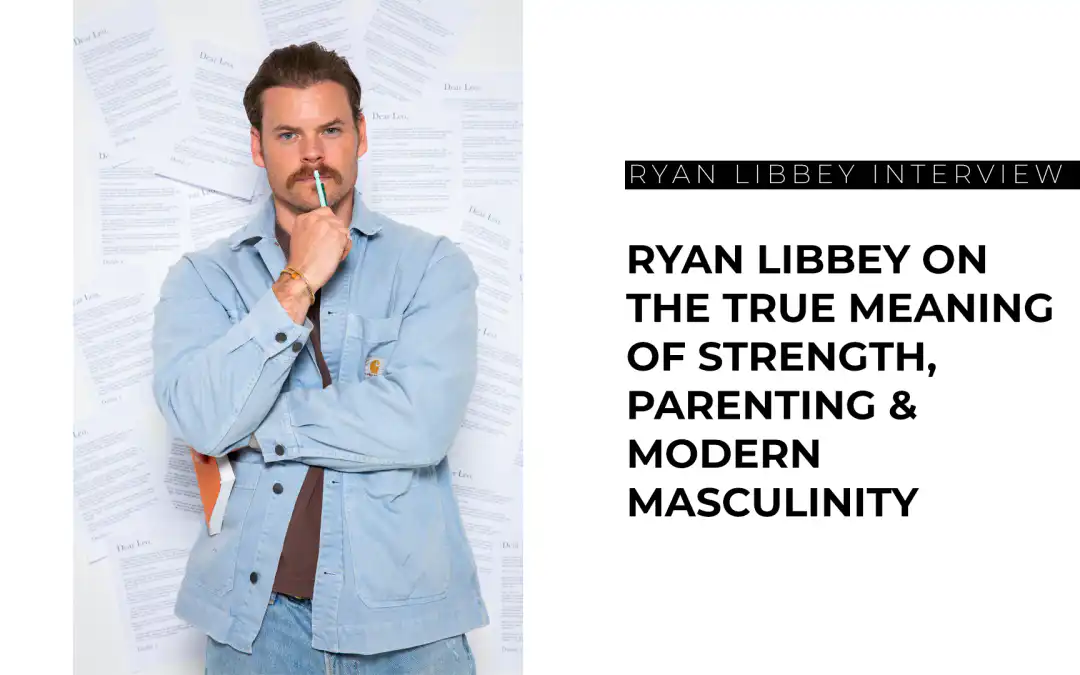
Ryan Libbey on the True Meaning of Strength, Parenting & Modern Masculinity
Fatherhood and a traumatic first year reshaped Ryan Libbey’s understanding of true strength, partnership, and modern masculinity. From navigating primary caregiving and supporting his partner Louise through medical trauma to writing “Letters to Leo” and challenging the noisy toxicity of the “Manosphere,” Ryan shares his honest, vulnerable journey on what it really means to show up as a present dad.

Back to School 2026: The Ultimate Kids’ Essentials & Parent Hacks
Back to School Special Back to School 2026: The Ultimate Kids’ Essentials & Parent Hacks From seamless uniform upgrades to smart tech that keeps kids focused and safe, here is our editorial edit for the new school term. Between sorting uniforms, replacing outgrown...

Why Learning a Language as a Busy Parent Is One of the Best Things You Can Do (And How to Actually Make It Happen)
Travel Why Learning a Language as a Busy Parent Is One of the Best Things You Can Do (And How to Actually Make It Happen) No classroom. No fixed timetable. Just you, a real tutor, and a skill that'll stick around for life. When was the last time you did something...

Ibiza Comes to London: Why the Alto x Cotton Beach Club Collab Belongs on Every Parent’s Night-Off List
Ibiza isn’t on the cards for most of us this summer — but that doesn’t mean you can’t get a taste of it. Alto by San Carlo has partnered with the iconic Cotton Beach Club Ibiza for two exclusive evenings on the rooftop of Selfridges, London. Think sun-soaked Mediterranean food, live DJ sets, Champagne and London’s skyline as your backdrop. Two dates only — and honestly? You deserve this one.

Lisa Johnson: From £30K Debt to Multi-Millionaire – How a Mum of Two Built a Freedom-Focused Business
Discover how Lisa Johnson, award-winning entrepreneur and mum of twins, went from £30,000 in debt to building a multi-million-pound business in just seven years. In this exclusive interview, Lisa shares her journey through adversity, her strategies for scaling with passive income, and her honest advice for parents and entrepreneurs seeking financial freedom, work-life balance, and lasting impact. Keywords: Lisa Johnson, entrepreneur, passive income, business strategy, work-life balance, financial freedom, mumpreneur, online business, success story.