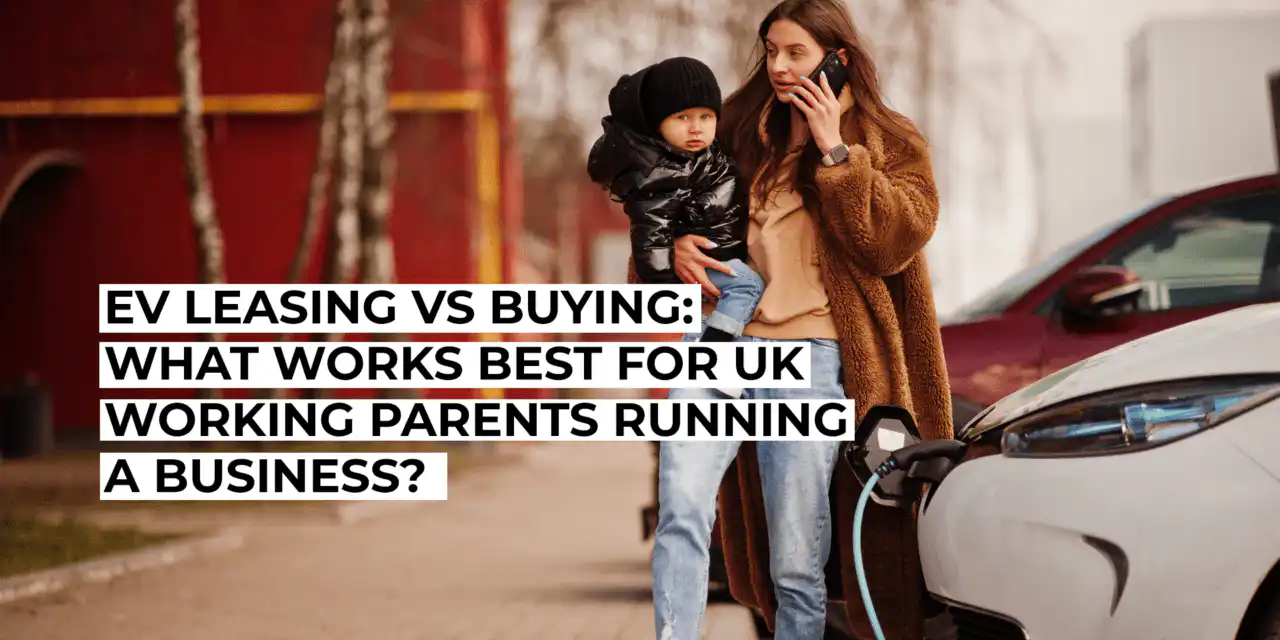
EV Leasing vs Buying: What Works Best for UK Working Parents Running a Business?
As the UK moves closer to the 2035 ban on new petrol and diesel cars, businesses across the country are facing a significant decision regarding their fleet strategy. Transitioning to electric vehicles (EVs) is no longer a futuristic concept but a practical necessity for firms looking to reduce their carbon footprint and take advantage of various tax incentives. However, the path to electrification often leads to a fundamental question: should a company own its electric fleet outright, or is leasing a more strategic choice?
The choice between these two models involves more than just comparing monthly payments against a lump sum purchase price. It requires a deep dive into cash flow management, maintenance responsibilities, and the rapid pace of technological change in the battery market. Now let’s dive in and discover which model provides the greatest value and flexibility for your organisation’s journey toward sustainable transport.
The Financial Flexibility of Business Car Leasing for EVs
Leasing has become an incredibly popular route for businesses because it avoids the heavy upfront costs associated with purchasing premium electric cars. Instead of tying up significant capital in depreciating assets, companies can pay a fixed monthly fee. This allows for better cash flow management and ensures that capital remains available for core business operations or other strategic investments.
When looking at business car leasing for EVs, firms often find that these agreements include several essential services that simplify fleet management. Many providers bundle maintenance, breakdown cover, and even road tax into a single payment. This predictable cost structure removes the risk of unexpected repair bills, which can be particularly high for newer electric technologies.
Furthermore, leasing protects businesses from the risks of depreciation. The resale value of used EVs can be unpredictable as newer models with better range and faster charging capabilities enter the market. By choosing a lease, the business doesn’t need to worry about the future market value of the car; they can simply return the vehicle at the end of the contract and upgrade to the latest model.


The Long-Term Perspective of Ownership
Ownership remains an attractive option for companies that prefer to have total control over their assets. When a firm buys a vehicle, there are no mileage restrictions or wear-and-tear penalties to consider. This is particularly beneficial for businesses whose drivers cover high annual distances or for those who plan to keep their vehicles for more than five or six years.
While the initial investment is higher, owning an EV can eventually lead to lower total costs over a very long period once the purchase price is amortised. Additionally, UK firms can benefit from capital allowances. For example, some electric cars qualify for a 100% first-year allowance, letting businesses deduct the full cost of the vehicle from their pre-tax profits in the year of purchase.
However, ownership means the business is responsible for every aspect of the vehicle’s life cycle. This includes sourcing insurance, managing servicing schedules, and eventually handling the disposal or sale of the car. For smaller teams without a dedicated fleet manager, these administrative tasks can become a significant burden that outweighs the benefits of asset ownership.
Comparing Operational Impact
The operational differences between these two methods often dictate which path a firm chooses. A leased fleet is typically refreshed every three to four years, ensuring that employees are always driving vehicles with the latest safety features and the most efficient battery technology. It’s a great way to maintain a modern company image and keep staff morale high with high-spec vehicles.
Ownership offers different operational freedoms. A company might choose to wrap its own vehicles in permanent branding or install specific aftermarket hardware without needing permission from a third-party owner. If a business has a fluctuating headcount, owned vehicles can be reassigned or sold at any time, whereas terminating a lease early often results in financial penalties.
The Big Picture
Deciding which method works best depends on your specific business profile and financial priorities. If your firm values stability, low administrative overhead, and the ability to frequently update your technology, leasing is likely the superior choice. It’s an easy way to scale a fleet up or down as the company grows without the stress of managing vehicle lifecycles.
On the other hand, if you have ample capital and prefer the freedom of an unrestricted asset, ownership might suit your long-term strategy. It’s important to consult with a financial advisor to understand how each option affects your tax position and balance sheet under current UK regulations.



5 Easter Chemistry Experiments for Families to Try at Home
Looking for fun and educational ways to keep the kids entertained this Easter? The Royal Society of Chemistry has shared five easy chemistry experiments families can try at home, using everyday household items to explore colour, reactions and science through hands-on play.

Auntie Cath Cooks: Chilled Honey Chicken Poke Bowl & A Hot Soy Beef Poke Bowl
In this edition of Auntie Cath Cooks, Catherine Tyldesley shares two fresh, flavour-packed recipes perfect for busy family life — a chilled honey chicken poke bowl and a hot soy beef poke bowl. Simple, satisfying and full of goodness, they’re ideal for an easy lunch or midweek dinner.

Märchenhotel Braunwald Review: A Fairytale Family Hotel in Switzerland
A stay at Märchenhotel Braunwald feels like stepping into a fairytale, with snowy mountain views, family-friendly touches, and plenty to keep little ones entertained. In this BROOD travel review, Lolo Stubbs shares why this Swiss hotel is a magical choice for a relaxing family escape.

How to make your own Easter Egg
How to make an Easter Egg using a balloon and some chocolate, by renowned chocolatier Oli Dunn
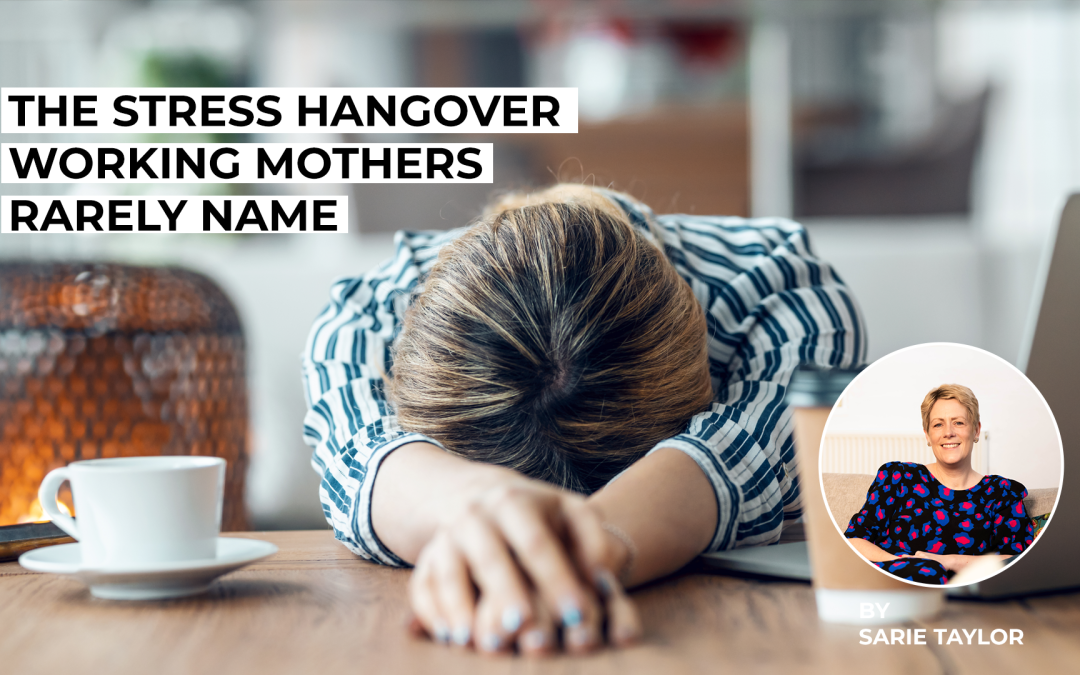
The Stress Hangover Working Mothers Rarely Name
Working mothers often carry an invisible mental and emotional load long after the day appears to be done. In this powerful piece, Sarie Taylor explores the “stress hangover” — the exhaustion, anxiety and overwhelm that can surface once the crisis has passed — and offers a compassionate reframe for why it happens and what it really means.
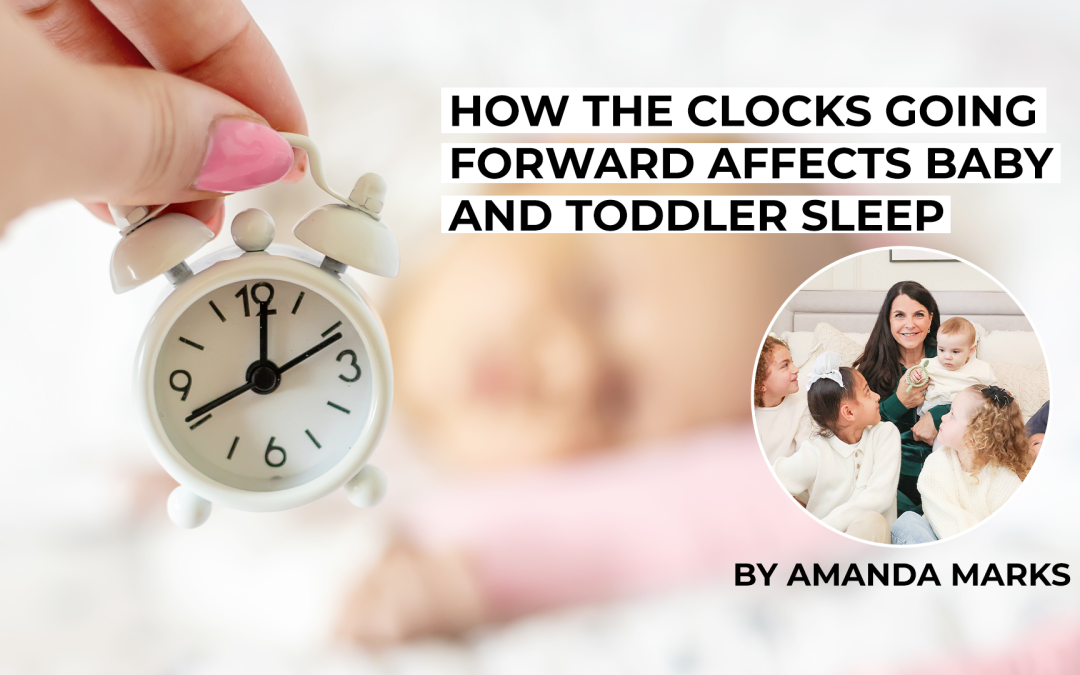
How the Clocks Going Forward Affects Baby and Toddler Sleep
The clocks have gone forward, the evenings are lighter, and for many parents that means one thing — sleep routines suddenly feel harder. In this expert column, Amanda shares why the seasonal light change can affect babies and toddlers, plus practical tips to help your child settle well, sleep longer, and wake less.

Women of the Year Awards 2026: Nominations Open for Inspirational Mums and Women Across the UK
The Women of the Year Awards are back for 2026, with nominations now open to celebrate exceptional women making an impact across the UK. From business and leadership to community and motherhood, this is a timely reminder to recognise the women whose work deserves to be seen.

Endometriosis: The Invisible Load so many women are carrying
Endometriosis isn’t “just a bad period”. It’s a chronic condition where tissue similar to the lining of the womb grows in places it shouldn’t (often around the pelvis, but it can show up elsewhere too)

£1,081.227 raised at this year’s Dr Michael Josephson MBE Farewell Ball
The Manchester Deansgate Hotel was transformed last night for a dazzling celebration of philanthropy and performance, as friends, supporters, and celebrity guests gathered at the Dr Michael Josephson MBE Farewell Ball raising £1,081.227 for children’s charities across the North-West.

IS THE EASTER EGG HUNT’S MAGIC FADING? STUDY REVEALS 57% OF HIDERS ARE TRAPPED IN PREDICTABLE HABITS
For generations, the Easter egg hunt has been a cherished family ritual. However, new research suggests that for many, the magic is starting to fade as predictable hiding habits lead to hunts that are over in minutes.