

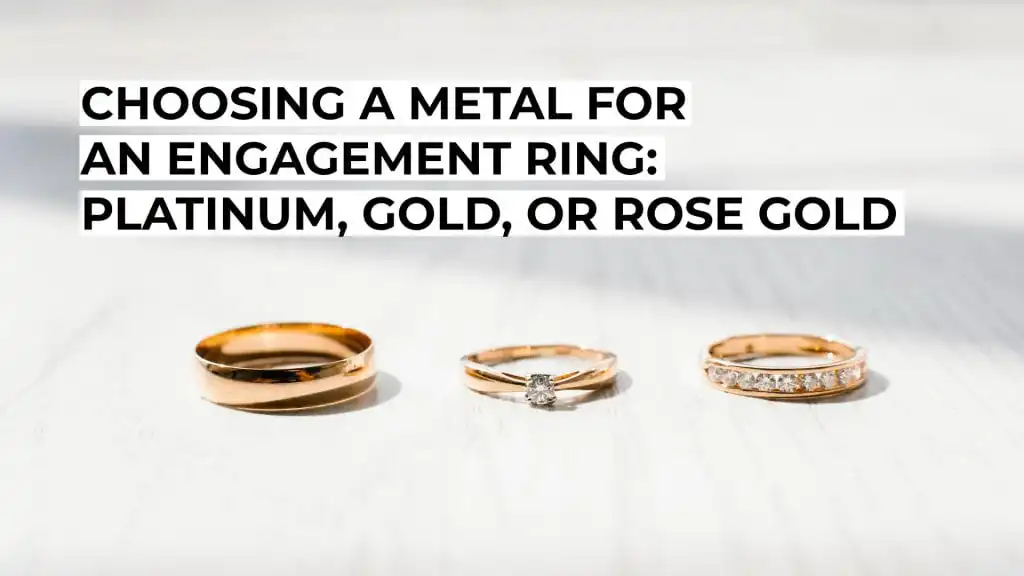
Choosing a Metal for an Engagement Ring: Platinum, Gold, or Rose Gold
Choosing a Metal for an Engagement Ring: Platinum, Gold, or Rose Gold
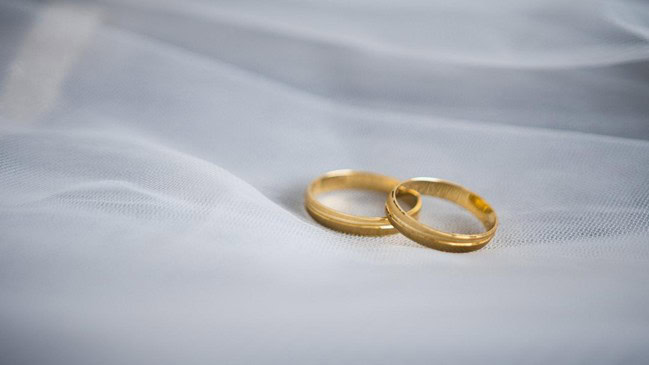
Choosing a metal for an engagement ring comes down to durability, maintenance, and personal colour preference, since platinum, yellow gold, white gold, and rose gold all hold a diamond securely but age and wear noticeably differently.
Platinum resists tarnishing entirely and suits buyers who want minimal long-term maintenance, while rose gold has grown popular for its warm, distinctive tone that suits a wide range of skin tones. An expert jeweller such as Bercotts Jewellers can show the same ring design across multiple metals, which makes the visual and practical differences far easier to judge in person than online.
Why Metal Choice Affects More Than Just Colour
Metal choice affects a ring in ways that go well beyond simple appearance, influencing how well the setting protects the diamond, how the ring wears against daily use, and how often it will need professional maintenance over the years.
Some metals resist scratching and denting better than others, which matters considerably for anyone who works with their hands or wears their ring during physical activity. Colour also interacts with the diamond itself, as certain metals can subtly warm or cool the stone’s apparent colour when viewed up close. Taking all of these factors into account, rather than choosing based on appearance alone, leads to a ring that performs well for decades, not just looks good on the day it is purchased.
Platinum and Its Long-Term Durability
Platinum is prized for its exceptional durability and natural resistance to tarnishing, meaning it never needs replating to maintain its colour, unlike white gold.
It is also a naturally hypoallergenic metal, making it a strong choice for anyone with sensitive skin or metal allergies. Platinum is denser and heavier than gold, which gives a ring a noticeably substantial feel on the hand that some buyers specifically look for. This durability and low maintenance do come at a premium price point compared with gold, reflecting both the metal’s rarity and the additional skill required to work with it.
Yellow Gold and Its Classic Appeal
Yellow gold remains a classic choice that has never truly gone out of style, offering a warm tone that has featured in engagement rings for centuries across many cultures.
It pairs particularly well with vintage-inspired settings, since historical designs were almost universally crafted in yellow gold before white metals became widely available. Yellow gold also tends to show scratches less visibly than white gold or platinum, since its warmer tone does not highlight fine surface marks in the same way a bright white or silver metal does. This makes it a practical choice for buyers who want a ring that ages gracefully with minimal visible wear.
White Gold as a More Affordable Alternative
White gold offers much of the bright, silvery look associated with platinum at a considerably more accessible price point, since it is fundamentally a gold alloy plated with rhodium to achieve its white finish.
This rhodium plating gradually wears off over time, so a white gold ring typically needs replating every year or two to maintain its brightest finish. Some buyers see this as a minor inconvenience, while others find the eventual softer, slightly warmer tone that develops between platings has its own appeal. For buyers wanting the platinum look without the platinum price, white gold remains a sensible and popular middle ground.
Rose Gold and Its Growing Popularity
Rose gold gets its distinctive pink tone from a higher proportion of copper alloyed with the gold, giving it a warm, romantic character that has grown rapidly in popularity over the past decade.
This warmer tone tends to suit a wide range of skin tones particularly well, often flattering complexions that can appear washed out against a bright white metal. Rose gold also shows scratches and wear less visibly than white gold, similar to yellow gold, thanks to its warmer overall colour palette. Vintage-inspired settings with filigree and milgrain detailing pair especially well with rose gold, as the warm tone complements the intricate, antique character of these designs.
Matching Metal to Lifestyle and Skin Tone
Skin tone genuinely affects how flattering a particular metal appears once worn, with cooler skin tones generally suiting white metals such as platinum or white gold, and warmer skin tones often suiting yellow or rose gold more naturally.
Lifestyle matters just as much as colour preference, since anyone who works with their hands regularly may prefer the low-maintenance durability of platinum over a metal that requires periodic replating. Trying rings on in natural daylight, rather than under showroom artificial lighting alone, gives a far more accurate impression of how a particular metal will look day-to-day against the wearer’s specific skin tone.
Deciding Which Metal Suits You Best
There is no single best metal for an engagement ring, only the option that best balances appearance, durability, and maintenance against personal preference and daily lifestyle.
Trying several metals side by side, in the same setting and under natural light, remains the most reliable way to settle on a choice that will still feel right many years down the line.