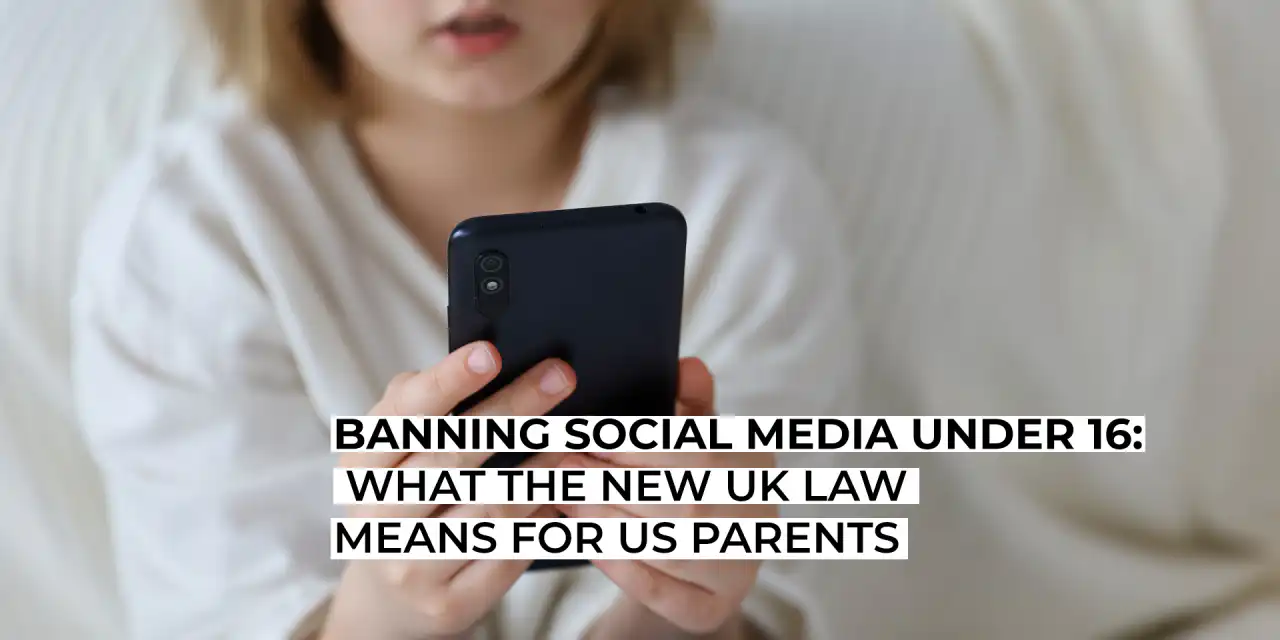
Reclaiming Childhood: What the UK’s Under-16 Social Media Ban Means for Modern Families
In a historic move designed to “give children their childhoods back,” the UK government has officially announced a sweeping ban on social media access for children under the age of 16. Prime Minister Keir Starmer declared the move a “line in the sand,” signaling an aggressive shift to strip power away from tech giants and hand it back to parents.
Following the massive “Growing up in the online world” public consultation—which drew over 116,000 responses—the data spoke loud and clear. An overwhelming 9 out of 10 parents backed a legal age limit of 16 for social media apps. For entrepreneurial and working parents already fighting a daily battle against screen time, algorithmic rabbit holes, and smartphones, this announcement marks a seismic shift in the parenting landscape.
The legislation is being fast-tracked through powers in the Children’s Wellbeing and Schools Act, with the government aiming to have the new rules fully enforced by Spring 2027. But what exactly does this “Australia Plus” ban look like, and how will it change everyday family dynamics?
Which Apps Are Getting Cut?
The ban targets “user-to-user” platforms that utilize addictive algorithms to drive social interaction. According to the official GOV.UK announcement, under-16s will be blocked by default from accessing major platforms including:
- TikTok
- Snapchat
- YouTube
- X (formerly Twitter)
Crucially for parents keeping track of daily family logistics, core messaging apps like WhatsApp and Signal are currently exempt from the ban, keeping vital communication channels open.
The “Plus” Factor: Going Beyond a Simple Ban
This policy isn’t just a carbon copy of Australia’s recent tech curbs; the UK is introducing world-leading restrictions that go a step further. Under-16s will face mandatory blocks on specific, high-risk app features. This includes a complete ban on livestreaming and stranger communication functions across a wider net of online spaces, heavily impacting popular online gaming sites.
Furthermore, the government is introducing an outright ban on AI romantic companion chatbots for anyone under 18. Ministers have also confirmed they are investigating stricter provisions for older teens (16 and 17-year-olds), looking into overnight digital curfews and mandatory built-in breaks to disrupt the addictive nature of infinite scrolling.


The Reality Check: How Will It Actually Be Enforced?
The biggest question on every working parent’s lips is simple: How will they actually stop a tech-savvy teenager from logging on?
The burden of proof is being placed squarely on the multi-billion-dollar tech giants rather than on parents. Tech regulator Ofcom has been tasked with launching an immediate, rapid study into highly effective age assurance technologies to determine how platforms must verify a user’s age. If tech companies fail to comply or allow under-16s to bypass the system, they will face staggering financial penalties.
In a public statement, Children’s Commissioner Dame Rachel de Souza welcomed the move, highlighting that children themselves have consistently asked for better protection. “We need to reset the debate – from banning children to banning the companies who fail to show that their services protect children’s safety and wellbeing,” De Souza noted, emphasizing that enforcement will be watched incredibly closely by advocacy groups.
What This Means for BROOD Parents
For the BROOD community of business owners and busy parents, this legislation is a double-edged sword. On one hand, it provides a massive sigh of relief. It takes away the exhausting social pressure of the “but everyone else in my class is on TikTok!” argument. When the law says no, the boundary becomes a cultural standard, not just a strict household rule.
On the other hand, a digital generation is about to be redirected back toward the physical world. The government’s stated goal is to trade scrolling time for active playtime, real-world connection, and healthier childhood development. As parents, the challenge—and the beautiful opportunity—now lies in filling that newly cleared digital space with offline experiences, family face-time, and real-world creativity.
The digital Wild West is finally getting some boundaries. While the tech industry gears up for inevitable legal challenges before the Spring 2027 rollout, the cultural conversation has changed forever. It’s time to get ready for a healthier, slower, and much more present chapter for our kids.



From Family Factory Roots to Supermarket Shelves: The Inspiring Rise of Good Bubble
From a family toiletries business to landing in 268 Sainsbury’s stores nationwide, Manchester sisters Amy Lister and Sally Wordsworth share how resilience, skin-kind ingredients, and the Gruffalo helped Good Bubble reach supermarket shelves.
Ready to Get Your Sh*t Together? Join BROOD’s Free Q4 Masterclass Series
Ready to finish 2026 strong? BROOD is hosting 4 FREE online mini-masterclasses from 14–17 September covering Goal Setting, Time Blocking, Money Mindset, and Visibility. Register your free spot today!
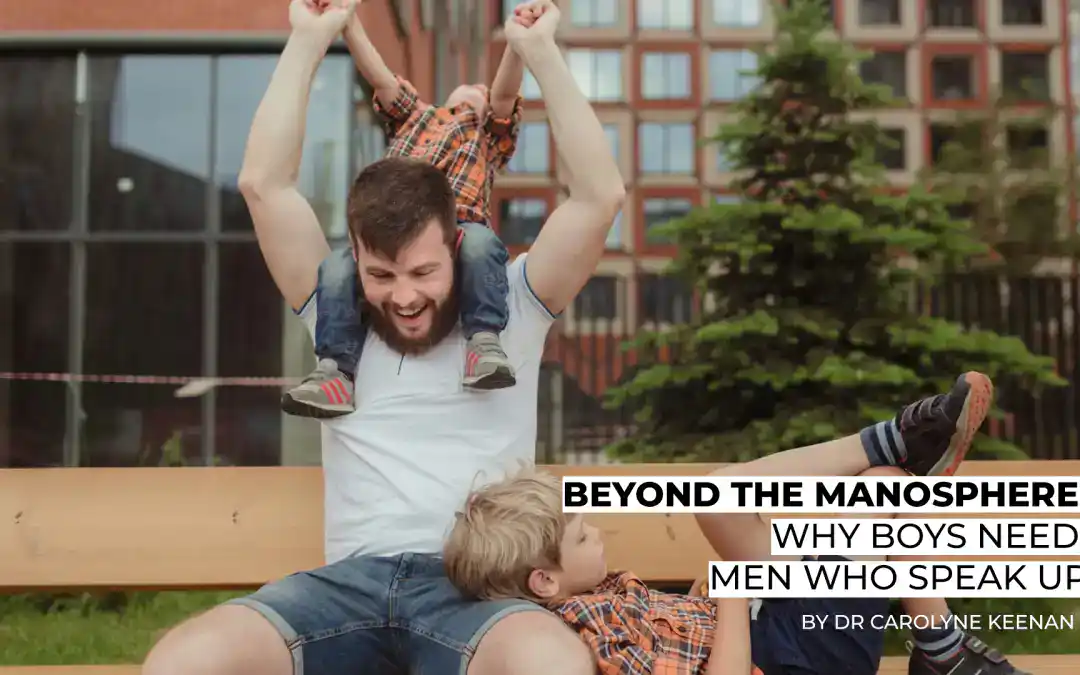
Beyond the Manosphere: Why Boys Need Men Who Speak Up
Dr Carolyne Keenan explores how online manosphere narratives impact young men and explains why positive male role models are essential for shaping a healthy, grounded vision of masculinity

Parenthood Unfiltered: The First Good Dad I Ever Knew
Rachaele Hambleton (Part Time Working Mummy) reflects on growing up without a positive father figure, escaping domestic abuse, and how finding a true partner changed everything for her and her six children. A moving look at presence, healing, and what makes a truly good dad.

Escape the Chaos & The Family Lunch: Food Review
Escape the chaos of the summer holidays and moving boxes with a true taste of Italy. Join us for a family-friendly review of San Carlo Alderley Edge, featuring their fantastic new kids’ menu, authentic Italian dishes, and a stress-free dining experience for parents and children alike.
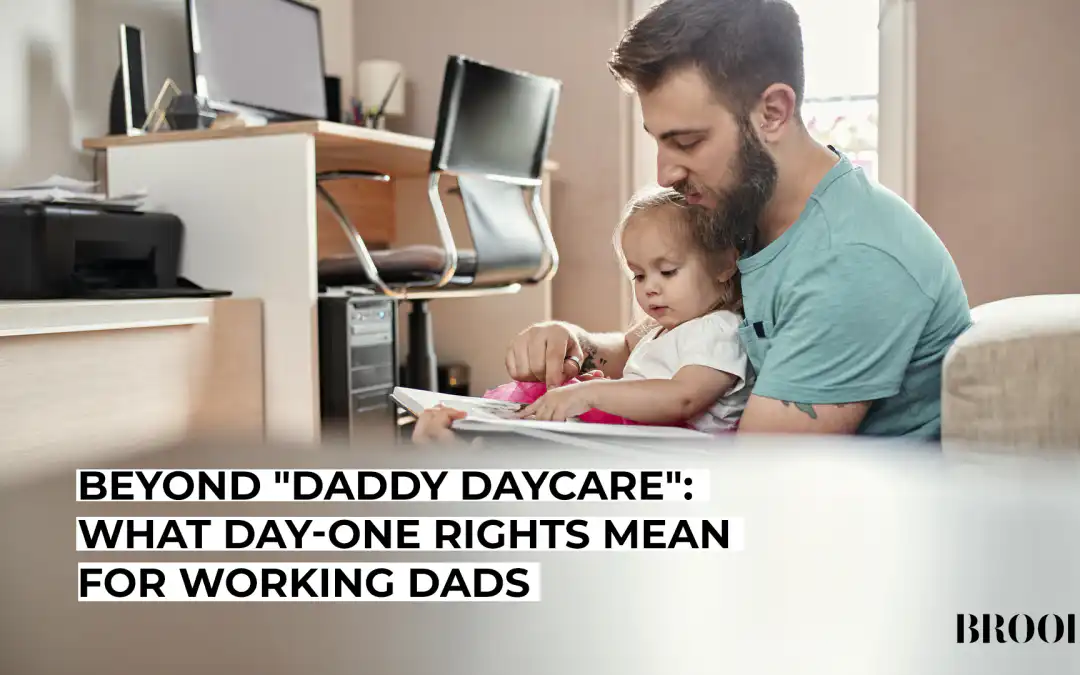
Beyond “Daddy Daycare”: What Day-One Rights Mean for Working Dads
From day-one flexible working requests to dismantling outdated “daddy daycare” tropes, the UK workplace landscape is shifting. Discover what the new legislation means for working fathers, co-parenting equality, and your career.
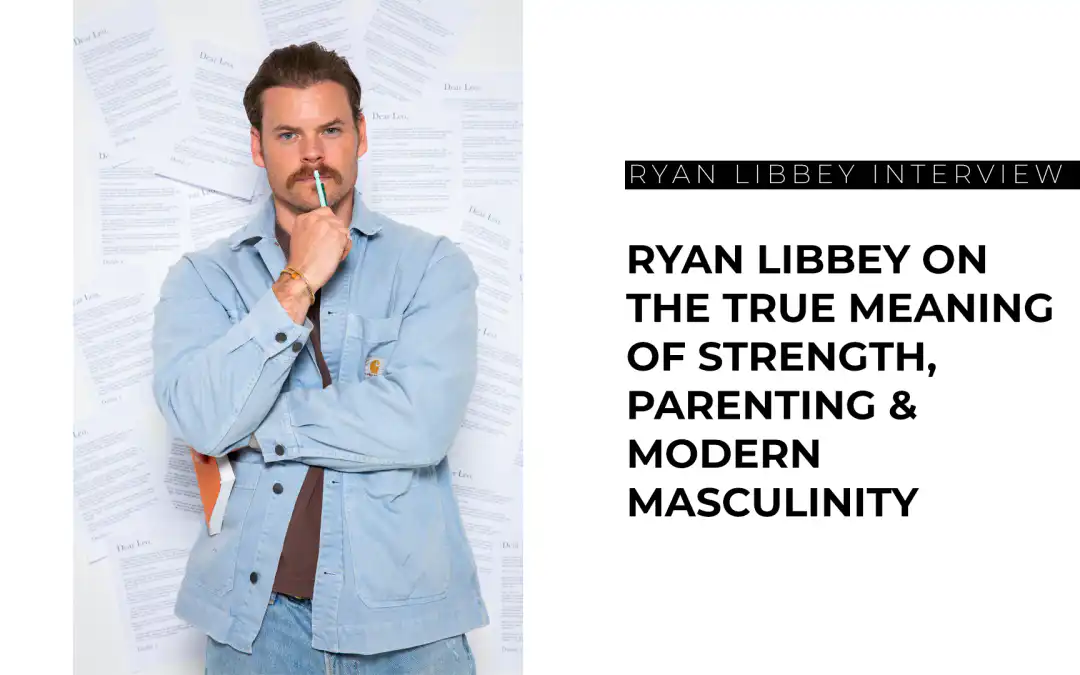
Ryan Libbey on the True Meaning of Strength, Parenting & Modern Masculinity
Fatherhood and a traumatic first year reshaped Ryan Libbey’s understanding of true strength, partnership, and modern masculinity. From navigating primary caregiving and supporting his partner Louise through medical trauma to writing “Letters to Leo” and challenging the noisy toxicity of the “Manosphere,” Ryan shares his honest, vulnerable journey on what it really means to show up as a present dad.

Back to School 2026: The Ultimate Kids’ Essentials & Parent Hacks
Back to School Special Back to School 2026: The Ultimate Kids’ Essentials & Parent Hacks From seamless uniform upgrades to smart tech that keeps kids focused and safe, here is our editorial edit for the new school term. Between sorting uniforms, replacing outgrown...
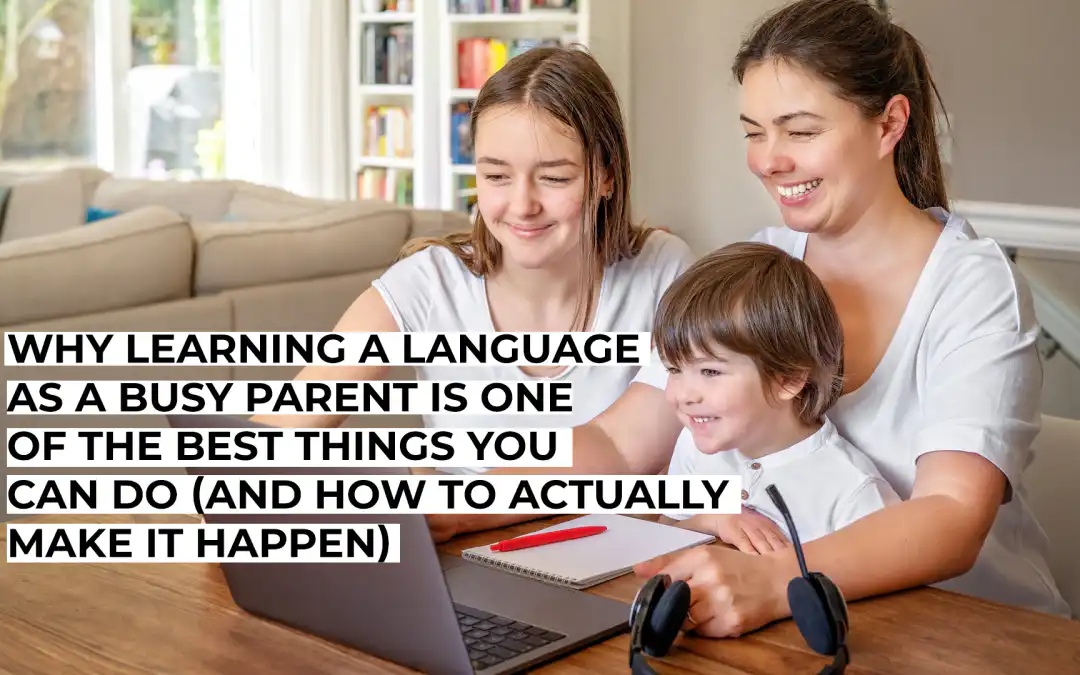
Why Learning a Language as a Busy Parent Is One of the Best Things You Can Do (And How to Actually Make It Happen)
Travel Why Learning a Language as a Busy Parent Is One of the Best Things You Can Do (And How to Actually Make It Happen) No classroom. No fixed timetable. Just you, a real tutor, and a skill that'll stick around for life. When was the last time you did something...

Ibiza Comes to London: Why the Alto x Cotton Beach Club Collab Belongs on Every Parent’s Night-Off List
Ibiza isn’t on the cards for most of us this summer — but that doesn’t mean you can’t get a taste of it. Alto by San Carlo has partnered with the iconic Cotton Beach Club Ibiza for two exclusive evenings on the rooftop of Selfridges, London. Think sun-soaked Mediterranean food, live DJ sets, Champagne and London’s skyline as your backdrop. Two dates only — and honestly? You deserve this one.