


What Menu Options Can You Choose When Hiring a Private Chef?
What Menu Options Can You Choose When Hiring a Private Chef?
Hiring a private chef is about getting a dining experience that fits your tastes, your guests, and your occasion without the guesswork of a restaurant menu you didn’t choose. Most people don’t realise how much control they actually have over what lands on the table. Here are five menu options to consider when you decide to hire a private chef for your next event or dinner.
Set Course Menus
Set course menus are the most popular starting point for private chef bookings, and they work well precisely because they give structure without being restrictive. When you look at London private dining experiences, you’ll typically see tiered options – two-course, three-course, and extended formats that go well beyond that – so you can match the formality of your dinner to the occasion. These menus are pre-planned around seasonal ingredients, letting the chef source and prep with precision rather than improvising on the night.
Two-course private chef menus start from around £24.99 per head, which makes this option far more accessible than most people expect. You’re getting restaurant-quality food cooked in your own kitchen, with all the planning and washing up taken off your hands. For a birthday dinner, an anniversary, or a business supper, the set course format remains the surest way to deliver a polished result.
Custom Tasting Menus
A tasting menu is where a private chef gets to show real skill. Rather than three or four dishes, you might sit down to eight, ten, or even more small courses, each one a distinct expression of flavour, technique, and seasonal produce. You work with the chef beforehand to settle on a direction: a focus on British ingredients, a Mediterranean influence, or something more experimental if that’s what you’re after.
The custom tasting format is genuinely yours. Nothing on it existed before you talked it through with the chef. That conversation shapes everything from the amuse-bouche to the petits fours, with no detail left to chance. It suits intimate gatherings of six to twelve people, where the meal itself becomes the entertainment, a long, relaxed evening rather than a quick dinner. Guests tend to leave having experienced something they couldn’t have found anywhere else. If you’re thinking about what menu options you can choose when hiring a private chef for a truly memorable occasion, the tasting format is difficult to beat.

SPONSORED CONTENT:

Dietary-Specific and Allergen-Aware Menus
One of the clearest advantages of a private chef over a restaurant is that dietary requirements don’t get treated as an afterthought. The chef builds the entire menu around your household or guest list from day one. Whether you need plant-based dishes, a gluten-free spread, low-FODMAP cooking, or strict allergen control for a guest with a nut allergy, everything gets factored in during the initial brief. It’s that simple.
This matters more than people sometimes acknowledge. A restaurant kitchen handles dozens of covers and dozens of dietary flags simultaneously. A private chef works in your kitchen, preparing your meal alone, which dramatically reduces cross-contamination risk and allows for far more careful attention. You can have a table of twelve where half the guests eat meat and the other half eat vegan food, and both sides receive dishes of equal quality and thought. The dietary-specific format also extends to nutritional goals. Some clients ask their chef to build menus around calorie targets or macronutrient ratios, particularly for health-focused households, which is where tailored meals.co.uk meal solutions earn their keep over anything off a fixed menu.
Themed and Cuisine-Based Menus
A themed menu builds the whole evening around a culinary tradition or concept. You might go for a Japanese omakase-style dinner, a Southern Italian feast, a Moroccan mezze spread, or a classic French bistro menu served in your own dining room. The chef sources authentic ingredients and prepares dishes true to the tradition, not a watered-down approximation, but the real thing.
This format is especially popular for celebrations with a cultural connection, or simply when a host wants the evening to feel cohesive rather than a collection of dishes from different places. It also makes the conversation easier. Guests arrive knowing what to expect and leave having shared a distinct culinary experience together. So, if you’re searching for what menu options can you choose when hiring a private chef to impress guests with something different, a well-researched themed menu does that job reliably. The chef can also talk guests through each dish as it arrives, adding context that turns dinner into a genuine experience.
Casual and Sharing Menus
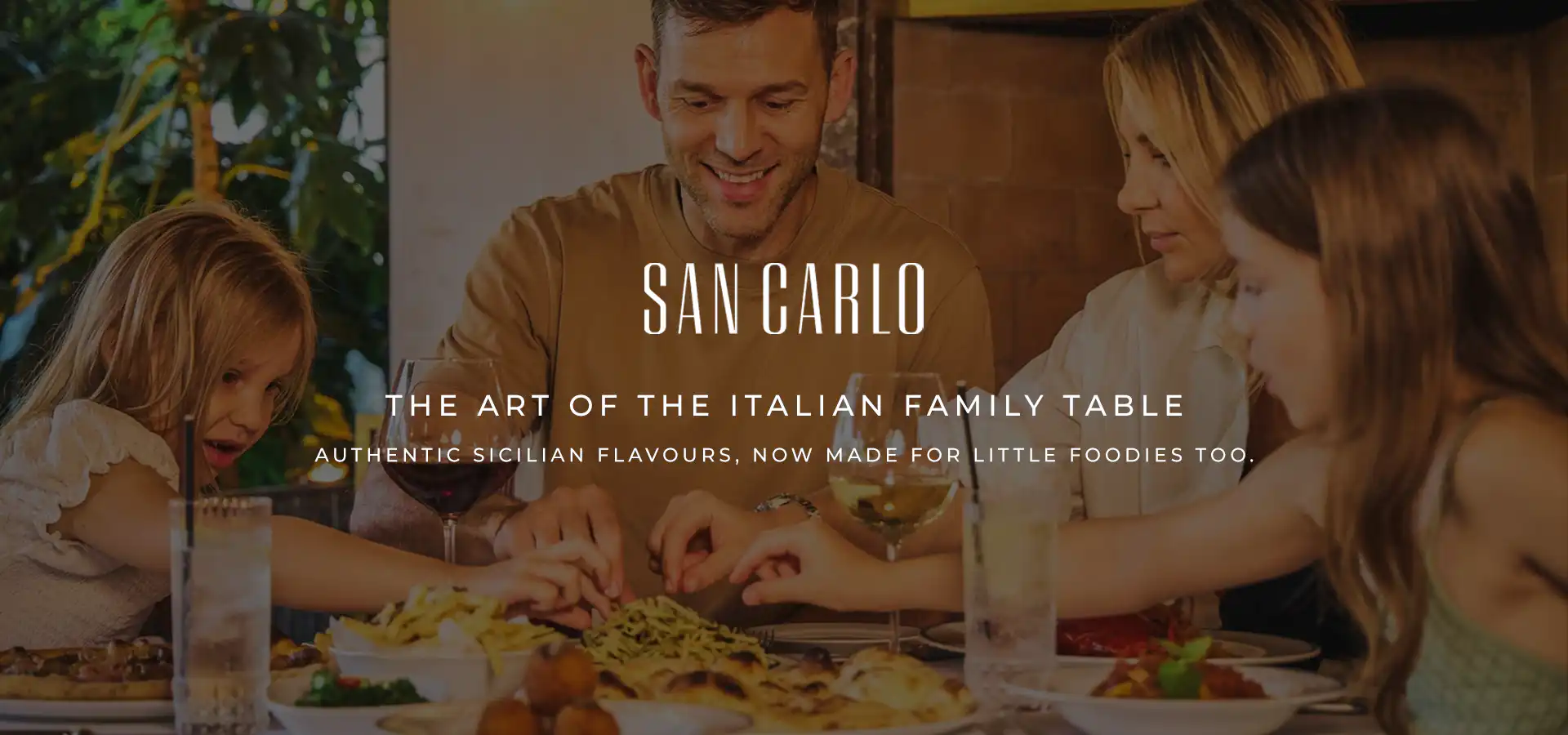
Not every occasion calls for a white tablecloth experience. Sharing menus – platters, boards, small plates, communal bowls – suit relaxed gatherings where atmosphere matters as much as the food itself. Think pulled lamb with flatbreads, loaded sharing boards with hummus and roasted vegetables, or a dessert spread everyone picks at over good conversation.
A private chef still handles prep, cooking, and presentation, so the food looks genuinely impressive even though the vibe is casual. This format works particularly well for garden parties, family gatherings, and informal evenings where guests drift between the kitchen, the living room, and outside. And because everything arrives in serving dishes rather than individual plates, the chef can gauge quantities more generously, meaning nobody goes home hungry. But the real appeal is that sharing food creates a looser, warmer energy at the table, one that a formal plated menu sometimes can’t match.
Conclusion
The range of menu options you can choose when hiring a private chef is broader than most people expect. Structured set courses, elaborate tasting menus, dietary-tailored spreads, relaxed sharing platters, the format bends to your occasion, your guests, and your preferences. The conversation with the chef before the event is where that shape gets decided, so go into it with a clear sense of what you want the evening to feel like.
SPONSORED CONTENT: