How to Create an Authentic Renaissance Fair Outfit
Renaissance fairs are a rare invitation in modern life: you get to dress with intention, step into a story, and feel part of a living scene rather than a crowd of spectators. The tricky part is “authentic.” You don’t need museum-grade accuracy—but you do want an outfit that looks believable, moves well, and doesn’t scream costume-store shortcut.
The good news: an authentic Renaissance fair look is less about nailing one exact year and more about choosing a coherent character, a consistent silhouette, and materials that behave like real clothing. Let’s break it down in a way that’s practical, budget-aware, and comfortable for a full day outdoors.
Start With a Character (Not a Pile of Pieces)
Before you buy anything, decide who you are at the fair. This single step prevents the most common outfit problem: a mash-up of eras and aesthetics that don’t quite land.
Pick a social role and region
Ask yourself two questions:
- What’s my “job” in this world—merchant, craftsperson, noble, tavern worker, ranger, scholar, pirate?
- What’s my vibe—English countryside, Italian city-state, Celtic edge-of-the-forest, Tudor court?
Your answers guide everything: color choices, accessories, fabrics, even hair styling. A peasant in earth tones and a courtier in structured layers are both “Renaissance,” but they’re not the same outfit.
Choose a silhouette you can repeat
Authenticity reads through shape. A consistent silhouette looks intentional even if your pieces are modern reproductions. For example:
- A fitted bodice + full skirt suggests a broad Renaissance-inspired line.
- A loose shirt + vest/doublet + trousers creates a grounded, practical profile.
- Layers (chemise/shirt, overdress/jerkin, cloak) add immediate period believability.
Build the Outfit in Layers (Your Comfort Depends on It)
A fair day can swing from chilly mornings to hot afternoons, and you’ll be walking, sitting on hay bales, and possibly dancing. Layers let you adjust without breaking the look.
The base layer: comfort meets credibility
For most feminine-presenting outfits, the base is a simple chemise or shift. For masculine-presenting outfits, it’s a roomy linen-style shirt. This layer does three important jobs: it reduces chafing, absorbs sweat, and creates that slightly “lived-in” drape people associate with period clothing.
Aim for natural fibers or blends that breathe. Even if you don’t go full linen, choose fabrics that move and don’t shine under sunlight.
The middle layer: where the “Renaissance” shows up
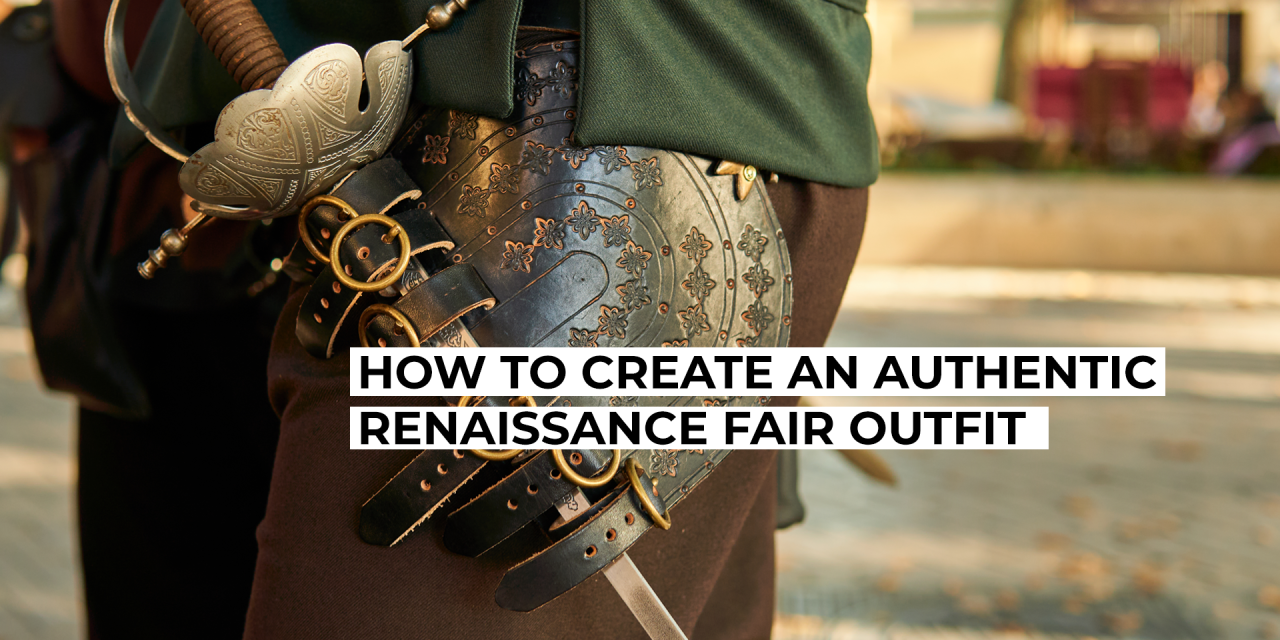
This is the bodice/corset-like layer, vest, doublet, or overdress. Here’s where many first-timers overcomplicate things—buckles, chains, heavy armor, excessive trims. Instead, focus on structure and fit.
If you’re wearing a bodice, make sure it supports without restricting breathing. If you’re wearing a vest or doublet, it should sit cleanly on the shoulders and taper slightly rather than hang like a modern suit vest.
And if you want a reliable checklist that covers the common outfit categories (and what to prioritize first), this guide on getting dressed for a renaissance-themed celebration is a handy reference—especially if you’re sorting out what’s “core” versus optional.
The top layer: cloak, cape, or overskirt
A cloak instantly makes an outfit feel finished—and it’s practical. Even a simple half-cloak can add movement and drama without weighing you down. If you’re in a warm climate, consider a lighter wrap or an open-front layer rather than heavy wool.


Fabric, Color, and Texture: The “Authentic” Trio
You can wear a historically inspired pattern, but if the fabric reads like Halloween satin, the illusion collapses. Texture does a lot of heavy lifting.
Favor matte fabrics with natural drape
Think linen, cotton, wool blends, gauze, raw silk textures (not shiny polyester). The goal is material that folds and hangs with a bit of weight.
Use color intentionally
“Renaissance” doesn’t mean “brown everything,” but colors should feel dye-based rather than neon. Rich greens, mustard, wine, deep blues, and warm neutrals all work well. If you choose bright colors, balance them with earthier accessories so the look still feels grounded.
Don’t overdo trims
A little trim can elevate an outfit. Too much trim looks theatrical. Pick one focal point—lace-up front, embroidered neckline, contrasting belt—and let the rest be simpler.
Accessories That Read as Real (Not Costume)
Accessories are where people often go either too minimal (looks unfinished) or too maximal (looks like cosplay). Aim for a few functional pieces.
Use only what you can wear comfortably for hours—because if you keep taking it off, it becomes clutter.
- A belt or sash (for shape and utility)
- A small pouch or belt bag (your modern wallet disappears)
- One or two jewelry pieces (a ring, simple pendant, or earrings)
- A hat or head covering (optional, but very period-coded)
That’s it. One well-chosen pouch beats three dangling trinkets.
Footwear: prioritize all-day walking
If you want authenticity and comfort to coexist, choose simple leather boots, ankle boots, or flat shoes in brown or black without modern logos. Add insoles if needed—no one will see them, and your feet will thank you.
Avoid bright white soles if possible. They’re the quickest “modern” tell.
Hair and Makeup: Keep It Believable
You don’t need a full historical hairstyle tutorial, but small choices go far.
Hair
Braids, half-up styles, loose waves, low buns, and ribbons all feel right. For shorter hair, a headband, scarf, or cap can shift the look immediately.
Makeup
If you wear makeup, think “enhanced natural” rather than sharp contour or glitter-heavy looks. A soft flush, defined brows, and a muted lip color usually blends best with the clothing textures.
Common Mistakes (and How to Fix Them Fast)
The most fixable issues are usually about coherence, not money.
Mixing too many themes
Pirate hat + fairy wings + Victorian boots + medieval tunic = confusion. If you love multiple aesthetics, pick one for this fair and save the others for future visits.
Going too heavy too soon
Armor, multiple weapons, or elaborate layers look great in photos—until you’ve carried them for six hours. Add “big” pieces only after you’ve done one fair in a lighter kit and know your tolerance.
Forgetting modern essentials
Heat, sun, and hydration are real. Build your outfit so you can carry sunscreen, a phone, and water. A belt pouch and a larger concealed bag (or a friend with a basket) can keep you safe without breaking the vibe.
The Final Test: Does It Tell a Consistent Story?
Lay everything out the night before and look at it as a whole. Does it feel like one person from one world? Do the colors harmonize? Can you sit, walk, and breathe easily?
If the answer is yes, you’ve succeeded—because authenticity at a Renaissance fair isn’t perfection. It’s plausibility, comfort, and confidence, stitched together with a little imagination.




Endometriosis: The Invisible Load so many women are carrying
Endometriosis isn’t “just a bad period”. It’s a chronic condition where tissue similar to the lining of the womb grows in places it shouldn’t (often around the pelvis, but it can show up elsewhere too)

£1,081.227 raised at this year’s Dr Michael Josephson MBE Farewell Ball
The Manchester Deansgate Hotel was transformed last night for a dazzling celebration of philanthropy and performance, as friends, supporters, and celebrity guests gathered at the Dr Michael Josephson MBE Farewell Ball raising £1,081.227 for children’s charities across the North-West.
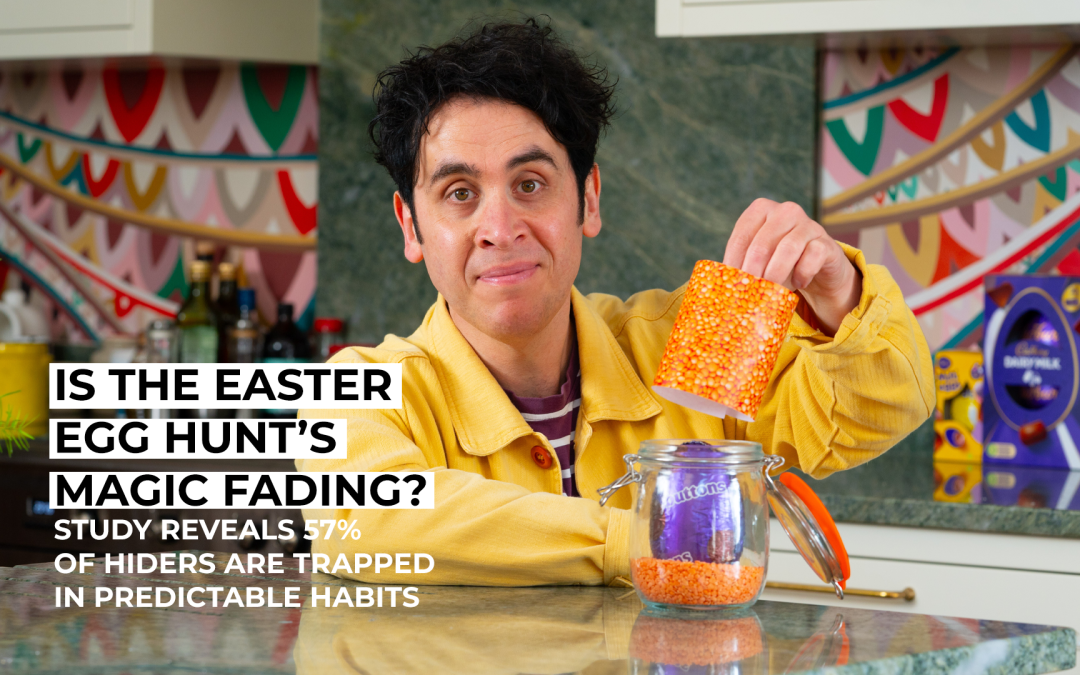
IS THE EASTER EGG HUNT’S MAGIC FADING? STUDY REVEALS 57% OF HIDERS ARE TRAPPED IN PREDICTABLE HABITS
For generations, the Easter egg hunt has been a cherished family ritual. However, new research suggests that for many, the magic is starting to fade as predictable hiding habits lead to hunts that are over in minutes.
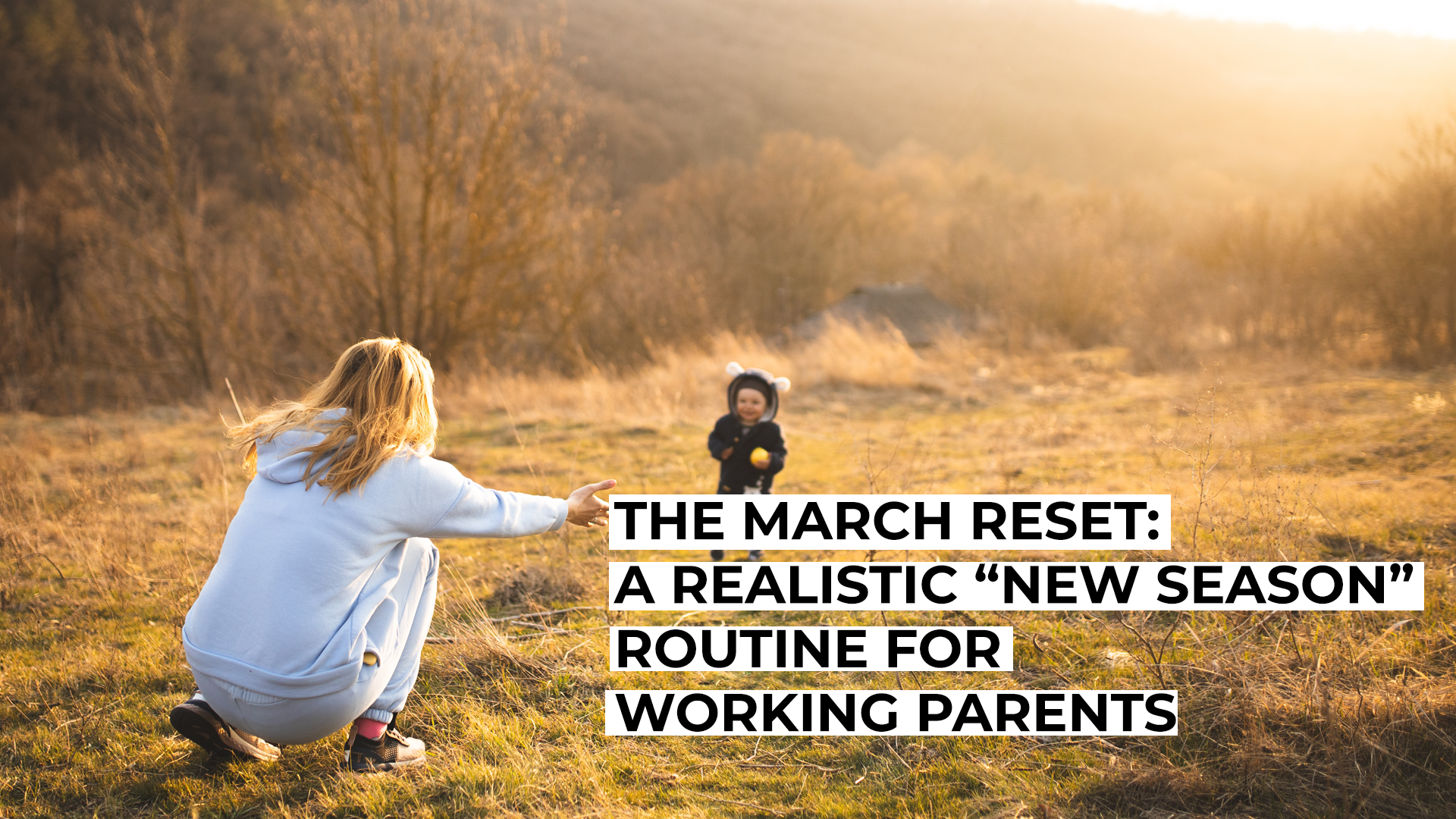
The March Reset: A Realistic “New Season” Routine for Working Parents
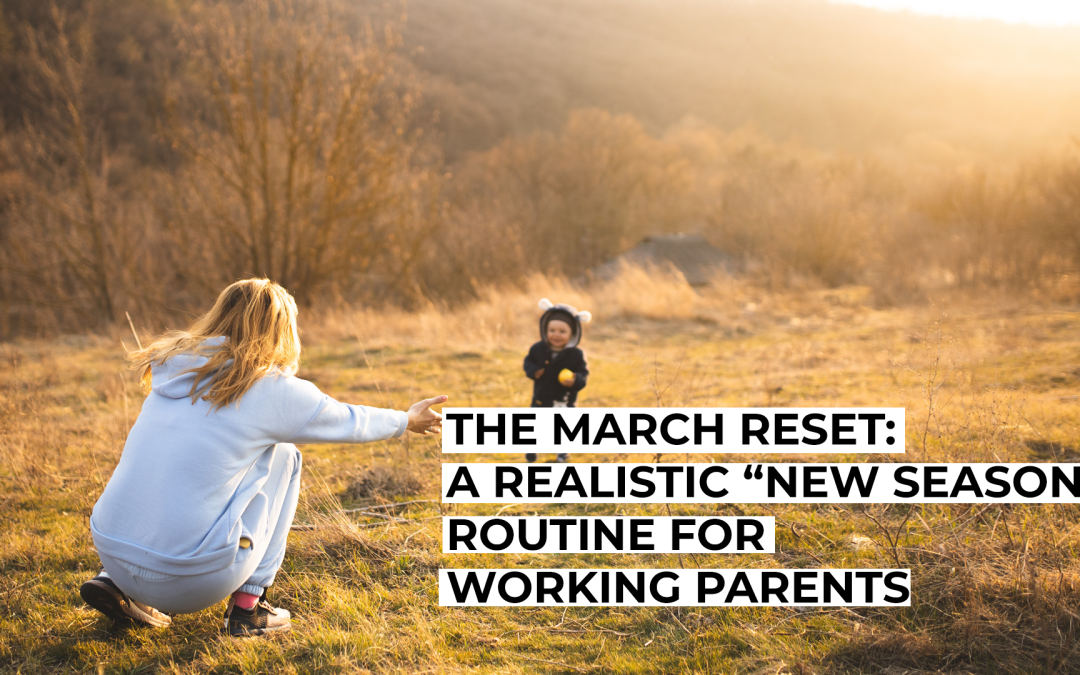
March always sounds like a fresh start. Lighter evenings. A hint of spring. That little voice saying, “Right, this is the month I get my life together.”
But if you’re a working parent, you already know how that usually goes.

When Families Fall Out: What the Beckham Headlines Can Teach Us About Repair and Mediation
When Families Fall Out explores what the recent Beckham headlines can teach us about family rupture, repair and the role mediation can play when relationships feel strained. With insight from JMW Solicitors’ family law team and child anxiety therapist Saskia Joss, it looks at why disconnection happens, how to name it, and what practical support can help families move forward with more understanding and kindness.

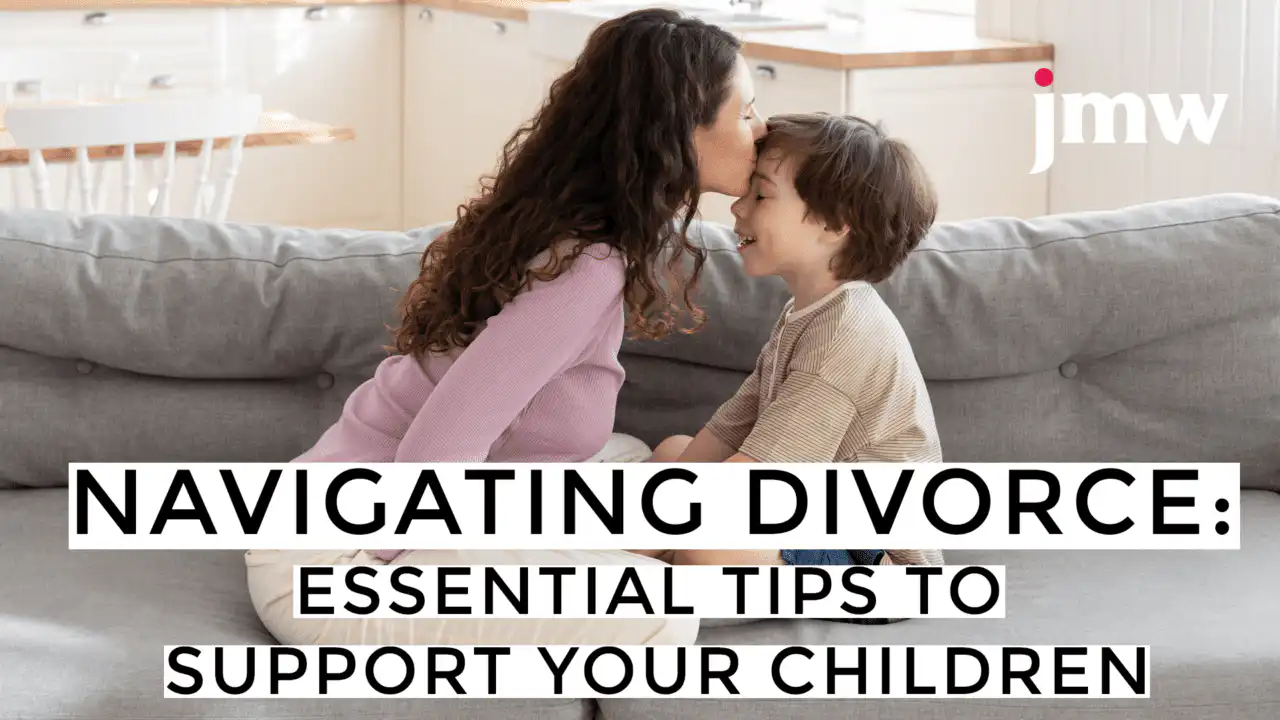
When Parents Split, Schools Feel It Too: The Hidden Impact on Children
Relationship expert Sally Land highlights the hidden toll that high-conflict separations can take on children — and how often schools end up caught in the crossfire. Citing research from The Parents Promise, she notes that teachers are regularly seeing the fallout in real time: slipping grades, increased absence, withdrawal, behavioural issues and worsening mental health.
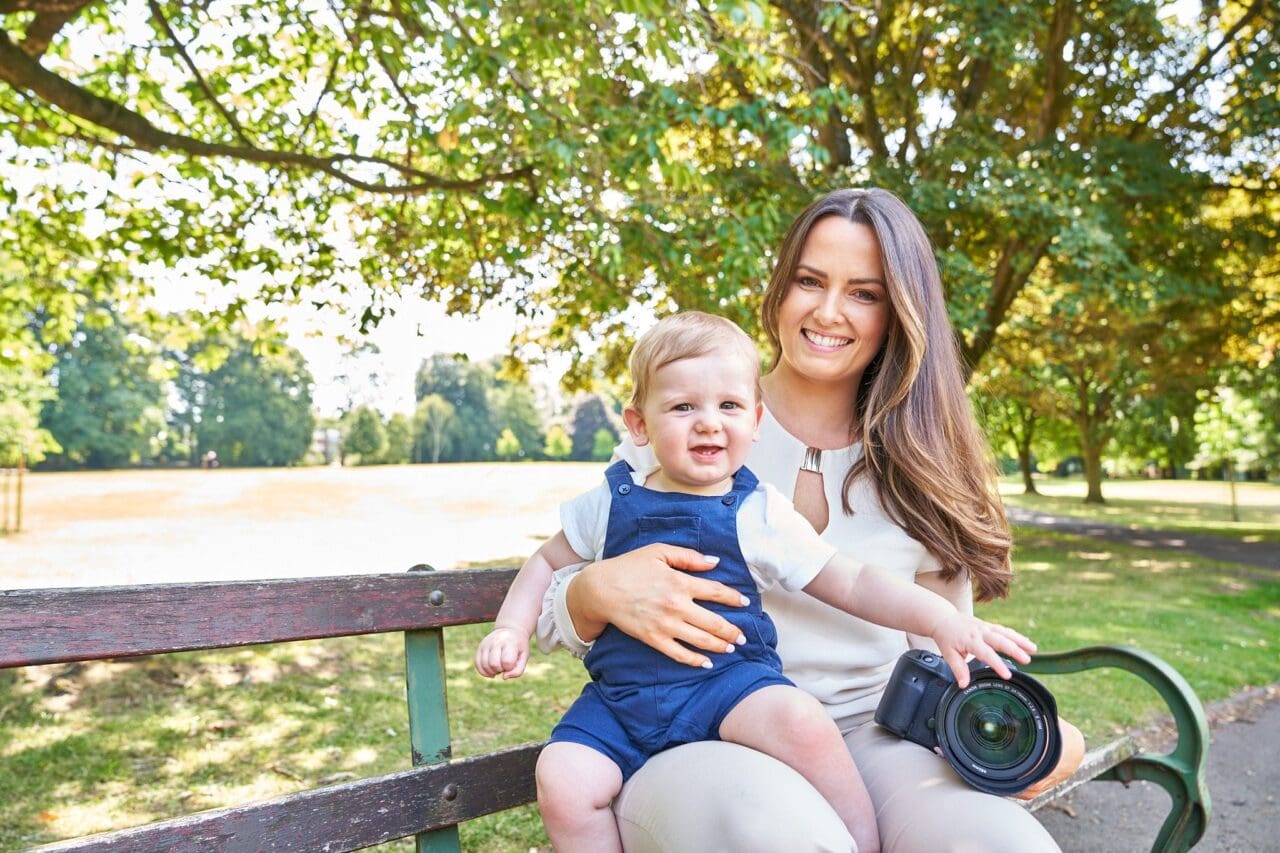
Building a Brand as a Working Parent: The Bit Nobody Talks About (The Loneliness)
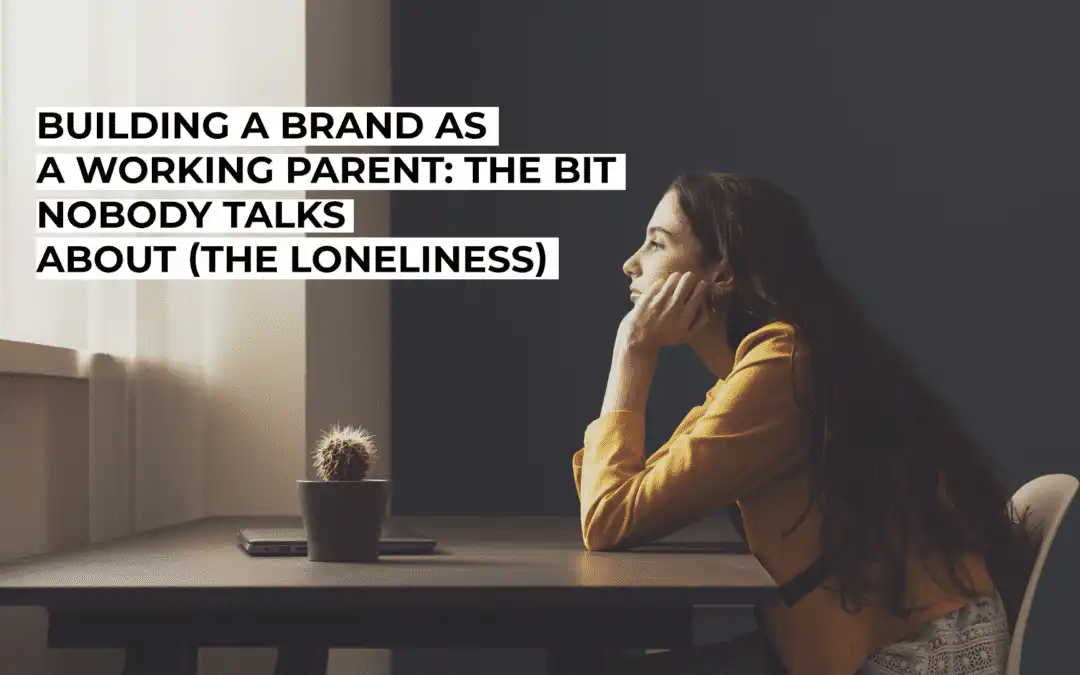
Building a brand as a working parent looks great on paper — flexible hours, doing something you love, creating a life that fits around family. But the reality is often messier. You’re juggling school runs and deadlines, client work and packed lunches, confidence wobbles and cash flow worries… and somehow you’re expected to show up online like you’ve got it all under control.
The Balance of Play
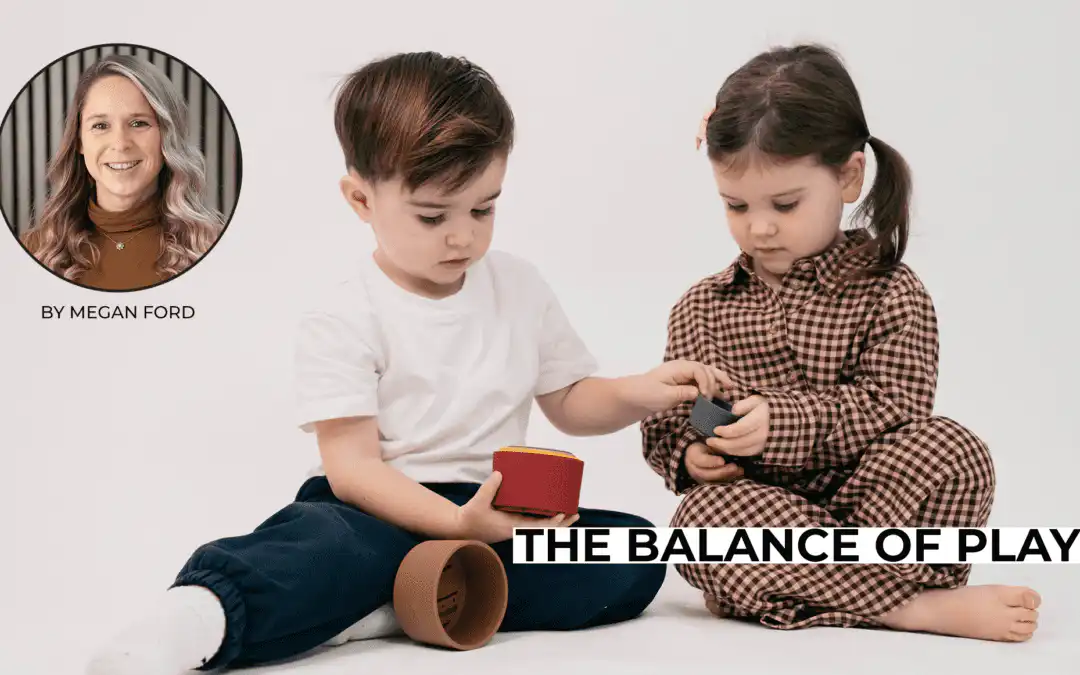
I hate admitting that because I value play so deeply, especially in those precious early years. It’s how our children learn, explore, imagine and build confidence. But as a mum trying to keep a household running and a business growing, it’s not always easy to appreciate those moments.

Part Time Working Mummy Interview: Rachaele Hambleton & Josh Marshall
Rachaele Hambleton, aka Part Time Working Mummy, is an inspirational mum of six. The incredible 43-year-old is a Sunday Times Bestselling Author—four times over—founder of The Patchwork House, a support and guidance service for vulnerable individuals and families, and she’s also a successful entrepreneur, which includes her own clothing brand REBL.
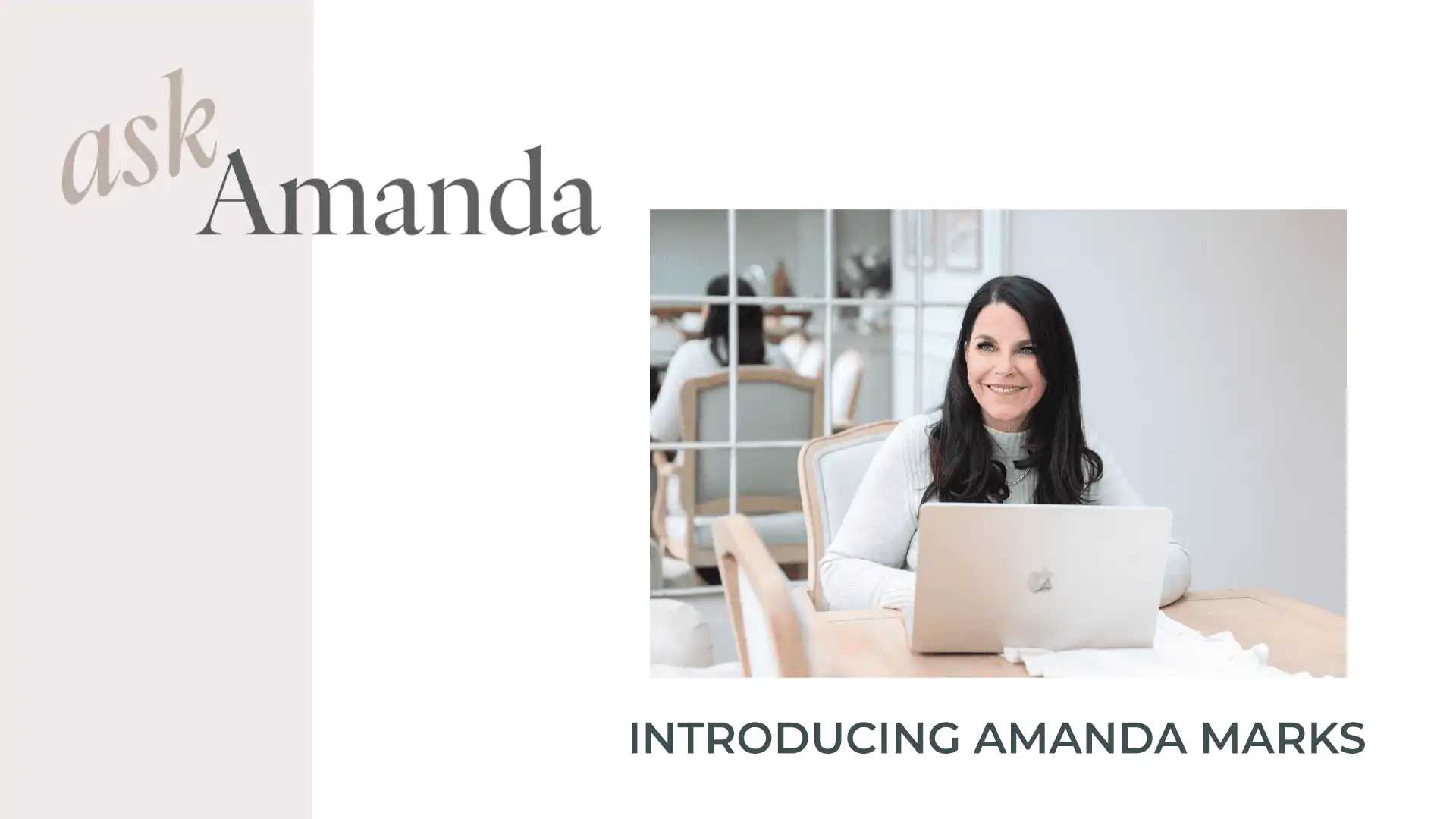
Introducing Amanda Marks
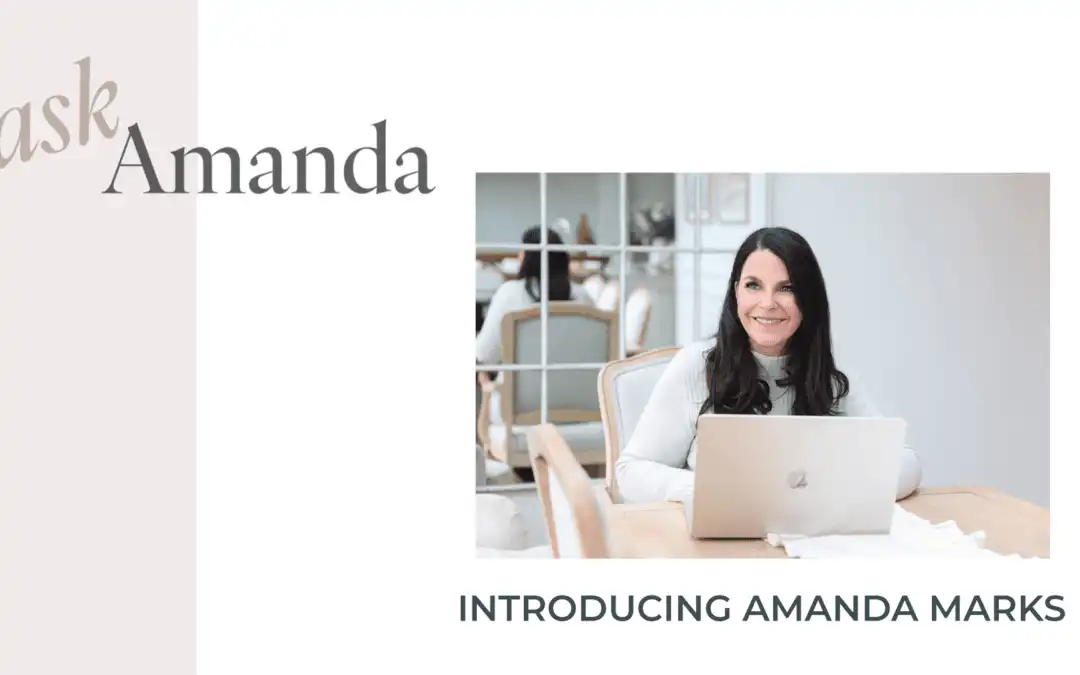
We’re thrilled to welcome our new columnist Amanda Marks. Amanda is a Renowned Breastfeeding, Food & Sleep Consultant
With over 40 years of experience supporting families, Amanda Marks is a highly respected breastfeeding, food, and sleep consultant. Based in prestigious locations including 10 Harley Street, London, and Alderley Edge, Cheshire, Amanda has worked with families from diverse backgrounds, including media personalities and royalty, maintaining the highest standards of confidentiality.
Endometriosis: The Invisible Load so many women are carrying
Endometriosis isn’t “just a bad period”. It’s a chronic condition where tissue similar to the lining of the womb grows in places it shouldn’t (often around the pelvis, but it can show up elsewhere too)
£1,081.227 raised at this year’s Dr Michael Josephson MBE Farewell Ball
The Manchester Deansgate Hotel was transformed last night for a dazzling celebration of philanthropy and performance, as friends, supporters, and celebrity guests gathered at the Dr Michael Josephson MBE Farewell Ball raising £1,081.227 for children’s charities across the North-West.
IS THE EASTER EGG HUNT’S MAGIC FADING? STUDY REVEALS 57% OF HIDERS ARE TRAPPED IN PREDICTABLE HABITS
For generations, the Easter egg hunt has been a cherished family ritual. However, new research suggests that for many, the magic is starting to fade as predictable hiding habits lead to hunts that are over in minutes.
The March Reset: A Realistic “New Season” Routine for Working Parents
March always sounds like a fresh start. Lighter evenings. A hint of spring. That little voice saying, “Right, this is the month I get my life together.”
But if you’re a working parent, you already know how that usually goes.
When Families Fall Out: What the Beckham Headlines Can Teach Us About Repair and Mediation
When Families Fall Out explores what the recent Beckham headlines can teach us about family rupture, repair and the role mediation can play when relationships feel strained. With insight from JMW Solicitors’ family law team and child anxiety therapist Saskia Joss, it looks at why disconnection happens, how to name it, and what practical support can help families move forward with more understanding and kindness.
When Parents Split, Schools Feel It Too: The Hidden Impact on Children
Relationship expert Sally Land highlights the hidden toll that high-conflict separations can take on children — and how often schools end up caught in the crossfire. Citing research from The Parents Promise, she notes that teachers are regularly seeing the fallout in real time: slipping grades, increased absence, withdrawal, behavioural issues and worsening mental health.
Building a Brand as a Working Parent: The Bit Nobody Talks About (The Loneliness)
Building a brand as a working parent looks great on paper — flexible hours, doing something you love, creating a life that fits around family. But the reality is often messier. You’re juggling school runs and deadlines, client work and packed lunches, confidence wobbles and cash flow worries… and somehow you’re expected to show up online like you’ve got it all under control.
The Balance of Play
I hate admitting that because I value play so deeply, especially in those precious early years. It’s how our children learn, explore, imagine and build confidence. But as a mum trying to keep a household running and a business growing, it’s not always easy to appreciate those moments.
Part Time Working Mummy Interview: Rachaele Hambleton & Josh Marshall
Rachaele Hambleton, aka Part Time Working Mummy, is an inspirational mum of six. The incredible 43-year-old is a Sunday Times Bestselling Author—four times over—founder of The Patchwork House, a support and guidance service for vulnerable individuals and families, and she’s also a successful entrepreneur, which includes her own clothing brand REBL.
Introducing Amanda Marks
We’re thrilled to welcome our new columnist Amanda Marks. Amanda is a Renowned Breastfeeding, Food & Sleep Consultant
With over 40 years of experience supporting families, Amanda Marks is a highly respected breastfeeding, food, and sleep consultant. Based in prestigious locations including 10 Harley Street, London, and Alderley Edge, Cheshire, Amanda has worked with families from diverse backgrounds, including media personalities and royalty, maintaining the highest standards of confidentiality.