How Small Habits Can Make Life’s Disruptions Easier to Handle
Stress is an ongoing fact of life for many. Modern life can unfold extremely quickly, and sometimes it might seem that there’s no opportunity to pause for breath.
But this needn’t always be the case. Sometimes, the small things which add to daily workload or stress can be managed by finding the right habits and principles which work for you. But what, exactly, should these principles look like? Let’s take a look.
Routine Creates Calm
It’s easy to feel constrained by your daily routine. But if you’ve devised your daily routine according to your own wants and ambitions, then it can help you to stay centred and grounded. Ideally, you’ll also build a little bit of flexibility into your routine so that you’re able to easily pivot when your plans are disrupted.
For example, you might spend five minutes each morning doing something that makes you feel good and sets the right tone for your day ahead. This is different for everyone; it might mean going for a run, making a healthy breakfast, or even meditating.
Respond, Don’t React
It’s worth devising a plan for how you’ll react to a big, disruptive event. This can help you to avoid spiralling into panic as a default. Short breathing exercises can be performed at a fixed time each morning, but they can also be performed whenever they’re required.
It can also be useful to compose a plan of action for certain emergency situations and to rehearse them mentally. For example, after you’ve been involved in a minor car accident, you might think about how you’ll make the area safe, seek medical attention, and thenlater worry about making a car accident claim.

Small Preparations, Big Payoffs
It may seem obvious, but when you’re prepared for an emergency, you’ll be able to respond to it as quickly as possible. Think about what you hope won’t happen but has a chance to occur, like a personal injury suffered by you, someone you know, or even a complete stranger. It might take five minutes to order a first aid kit and stash it in your car, but if and when the crucial moment arrives, the payoff might be considerable. There’s also another kind of payoff worth considering: the reduction in worry and stress that you’ll enjoy as a result of having planned for the worst.
Turning Setbacks into Lessons
No matter how much we prepare for the disruptions and challenges life might dispense, there’s always a possibility that they aren’t what has been prepared for, and we’ll be blindsided by them. If you’ve experienced a disruption, whether it’s major or minor, flip your mindset and try to see it as a chance to learn and to do things differently the next time. Obviously, this isn’t something that works on every occasion, but it is something to bear in mind.
Strength Through Small Steps
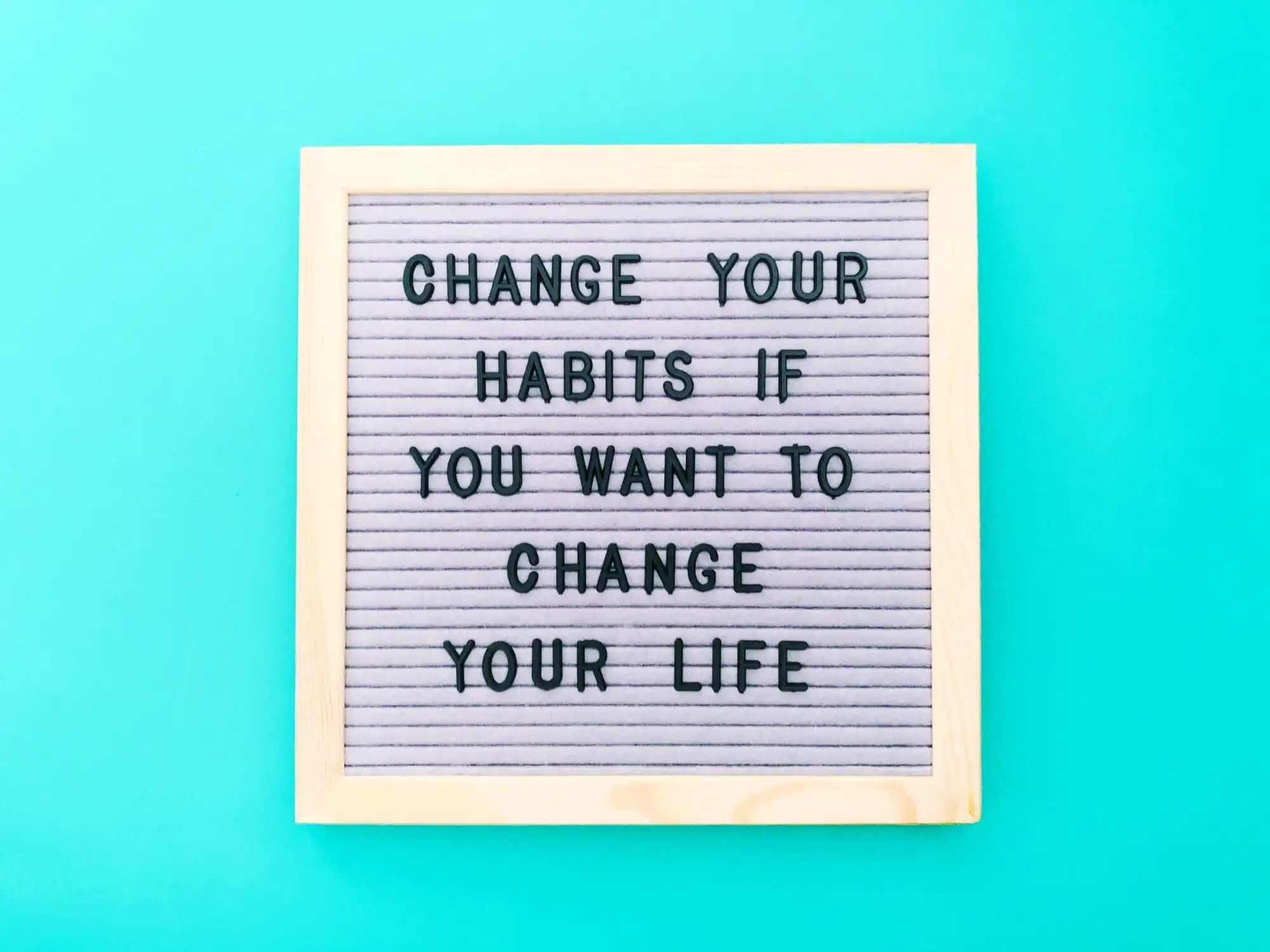
There is no one big step you can take to solve the problem of stress and disruption. Instead, you’ll need to change your attitude toward resilience and acknowledge that good habits are built over time. Start building them now, and learn to take pleasure in small wins.




From Family Factory Roots to Supermarket Shelves: The Inspiring Rise of Good Bubble
From a family toiletries business to landing in 268 Sainsbury’s stores nationwide, Manchester sisters Amy Lister and Sally Wordsworth share how resilience, skin-kind ingredients, and the Gruffalo helped Good Bubble reach supermarket shelves.
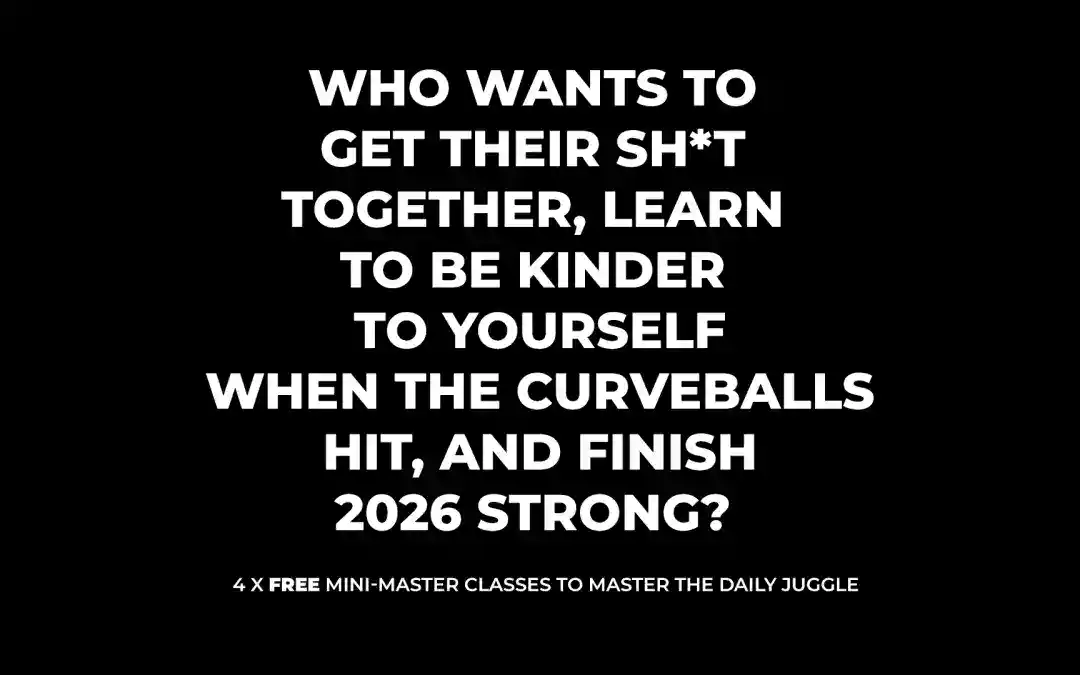
Ready to Get Your Sh*t Together? Join BROOD’s Free Q4 Masterclass Series
Ready to finish 2026 strong? BROOD is hosting 4 FREE online mini-masterclasses from 14–17 September covering Goal Setting, Time Blocking, Money Mindset, and Visibility. Register your free spot today!

Beyond the Manosphere: Why Boys Need Men Who Speak Up
Dr Carolyne Keenan explores how online manosphere narratives impact young men and explains why positive male role models are essential for shaping a healthy, grounded vision of masculinity

Parenthood Unfiltered: The First Good Dad I Ever Knew
Rachaele Hambleton (Part Time Working Mummy) reflects on growing up without a positive father figure, escaping domestic abuse, and how finding a true partner changed everything for her and her six children. A moving look at presence, healing, and what makes a truly good dad.

Escape the Chaos & The Family Lunch: Food Review
Escape the chaos of the summer holidays and moving boxes with a true taste of Italy. Join us for a family-friendly review of San Carlo Alderley Edge, featuring their fantastic new kids’ menu, authentic Italian dishes, and a stress-free dining experience for parents and children alike.

Beyond “Daddy Daycare”: What Day-One Rights Mean for Working Dads
From day-one flexible working requests to dismantling outdated “daddy daycare” tropes, the UK workplace landscape is shifting. Discover what the new legislation means for working fathers, co-parenting equality, and your career.

Ryan Libbey on the True Meaning of Strength, Parenting & Modern Masculinity
Fatherhood and a traumatic first year reshaped Ryan Libbey’s understanding of true strength, partnership, and modern masculinity. From navigating primary caregiving and supporting his partner Louise through medical trauma to writing “Letters to Leo” and challenging the noisy toxicity of the “Manosphere,” Ryan shares his honest, vulnerable journey on what it really means to show up as a present dad.

Back to School 2026: The Ultimate Kids’ Essentials & Parent Hacks
Back to School Special Back to School 2026: The Ultimate Kids’ Essentials & Parent Hacks From seamless uniform upgrades to smart tech that keeps kids focused and safe, here is our editorial edit for the new school term. Between sorting uniforms, replacing outgrown...

Why Learning a Language as a Busy Parent Is One of the Best Things You Can Do (And How to Actually Make It Happen)
Travel Why Learning a Language as a Busy Parent Is One of the Best Things You Can Do (And How to Actually Make It Happen) No classroom. No fixed timetable. Just you, a real tutor, and a skill that'll stick around for life. When was the last time you did something...

Ibiza Comes to London: Why the Alto x Cotton Beach Club Collab Belongs on Every Parent’s Night-Off List
Ibiza isn’t on the cards for most of us this summer — but that doesn’t mean you can’t get a taste of it. Alto by San Carlo has partnered with the iconic Cotton Beach Club Ibiza for two exclusive evenings on the rooftop of Selfridges, London. Think sun-soaked Mediterranean food, live DJ sets, Champagne and London’s skyline as your backdrop. Two dates only — and honestly? You deserve this one.