
Family-Friendly Community Events: Small Details That Help People Feel Included
Community events can be a lifeline for families. They give parents a reason to leave the house, children a chance to connect outside school, and local groups an opportunity to bring people together in a relaxed way.
But anyone who has helped organise a school fair, charity walk, sports day, toddler meet-up, or local fundraiser knows that family events can be surprisingly complex. What looks simple on the surface often involves a long list of decisions: timings, volunteers, food, toilets, parking, accessibility, weather plans, and how to keep children engaged without overwhelming parents.
The good news is that a family-friendly event does not need to be elaborate to feel thoughtful. Often, it is the small details that make people feel welcomed, included, and more likely to come along again.
Start With Real Family Routines
When planning an event for families, it helps to think beyond the activity itself and consider what the day looks like from a parent or carer’s point of view.
A 10am start may sound reasonable, but for families with babies, it might clash with a nap. A late afternoon event may work well for older children, but it can be difficult for toddlers who are tired and hungry by then. A two-hour session may feel manageable, while a full-day event can become stressful without enough breaks.
This does not mean you can please everyone. It simply means the event should have a clear rhythm.
For example, a school fundraiser could open with free play, move into a short group activity, then offer food and quieter options later. A charity walk could have staggered start times so families can choose what suits them. A community craft afternoon could allow people to drop in rather than commit to the whole session.
Families are more likely to relax when they know they have options.
Make Arrival Easy and Welcoming
The first ten minutes of an event can shape the whole experience. If families arrive feeling confused, rushed, or unsure where to go, it can be hard to settle in.
Clear signage makes a big difference. Signs for registration, toilets, baby changing, first aid, refreshments, and quiet spaces reduce the number of questions volunteers need to answer. They also help parents feel less self-conscious when juggling children, bags, coats, and snacks.
A friendly welcome point is also useful. This does not need to be formal. A couple of volunteers near the entrance can greet people, explain what is happening, and point families in the right direction.
Name stickers can help at smaller gatherings, especially where parents may not know each other. For children, simple colour-coded stickers or wristbands can help identify groups during activities without making things feel too rigid.
The aim is to remove uncertainty. When people know where to go and what to expect, they can start enjoying themselves sooner.
Plan for Different Energy Levels
Children do not all experience events in the same way. Some want to run straight into the busiest activity. Others need time to watch from the side before joining in. Some children love noise and movement, while others find crowds difficult.
A well-planned family event offers a mix of high-energy and low-energy spaces.
At a summer fair, that might mean balancing games and music with a shaded reading corner. At a sports event, it could mean having a drawing table near the refreshments. At a community celebration, it might mean setting aside a calm area where children can sit with a parent for a few minutes.
This helps adults too. Parents with younger babies, pregnant visitors, grandparents, and carers may all appreciate somewhere quieter to pause.
A quiet space does not need to be silent or separate from everything else. It simply needs to feel calmer than the main activity area. A few chairs, soft mats, books, colouring sheets, and water can be enough.


Give Volunteers Clear Roles
Volunteers often make family events possible, but they can quickly become overwhelmed if roles are vague.
Before the event, it is worth giving each volunteer a simple responsibility. One person may handle arrivals. Another may support the craft table. Someone else may keep an eye on supplies. Another volunteer may float between areas to answer questions.
Short written notes can help, especially when volunteers are swapping shifts. Include basic information such as where the first aid kit is, who to contact if there is a problem, and what time each activity starts.
It is also useful to have one person who is not tied to a fixed station. This person can deal with the unexpected things that always happen: a missing extension lead, a child who has lost a jumper, a parent asking about parking, or a stall that needs more change.
When volunteers feel prepared, the atmosphere is calmer for everyone.
Create Simple Ways for People to Connect
Many parents attend community events hoping to meet others, but starting conversations can feel awkward. This is especially true for new parents, families who have recently moved, or carers attending without a wider support network.
Small prompts can make connection easier.
A noticeboard where people can add local recommendations, family-friendly walks, or activity ideas can start conversations naturally. A shared craft project can help children and adults talk without pressure. A simple question on name badges, such as favourite park or age of children, can give people an easy opener.
Food also helps. A tea station, picnic area, or shared snack table gives people a reason to pause. The key is to create spaces where conversation can happen without forcing it.
For some events, a small keepsake can also give people a sense of belonging. For groups that want a simple memento for a school fair, charity walk, or club celebration, Nextpins is one example of where families and organisers can explore custom pin ideas without turning the whole event into a merchandise project.
The point is not to give people more things. It is to create gentle reminders of a shared experience.
Think About Food, Toilets, and Practical Needs
The practical details may not be glamorous, but they are often what families remember most.
If food is available, try to include a few simple choices. Parents appreciate knowing whether there will be child-friendly portions, allergy information, and somewhere to refill water bottles. If the event is outdoors, it helps to remind people in advance to bring snacks, sun cream, warm layers, or picnic blankets.
Toilets matter too. Make signs clear, mention baby changing facilities if available, and consider how far toilets are from the main activity area. For parents with more than one child, a long walk to the toilet can be stressful.
Seating is another small but important detail. Not every adult can stand for long periods, and parents feeding babies or supervising toddlers often need somewhere to sit. Even a few benches or folding chairs can make an event feel more considerate.
These practical choices tell families that their needs have been thought about.
Keep Communication Clear Before and After
A family-friendly event starts before anyone arrives. Clear information in advance reduces stress and helps parents decide whether the event is manageable for them.
Share the start and finish times, location, parking details, costs, weather plans, accessibility notes, and whether booking is needed. If the event involves messy play, outdoor activities, animals, loud music, or walking distances, say so clearly.
It is also helpful to explain what families do not need to worry about. For example, if children can arrive at any time, say that. If siblings are welcome, mention it. If parents need to stay with children during activities, make that clear too.
After the event, a short thank-you message can help maintain the sense of community. Share a few photos if consent has been given, mention money raised if it was a fundraiser, and invite feedback while the experience is still fresh.
This keeps the relationship going beyond a single afternoon.
Conclusion
Family-friendly community events do not need to be complicated. They work well when organisers think carefully about the real experience of parents, carers, children, and volunteers.
Clear signs, flexible timings, calm spaces, simple conversation starters, prepared volunteers, and practical facilities can all make an event feel easier and warmer. These details may seem small, but together they create the kind of environment where families feel comfortable staying, joining in, and returning next time.
At their heart, community events are about belonging. When families feel considered from the moment they arrive, that sense of belonging becomes much easier to build.



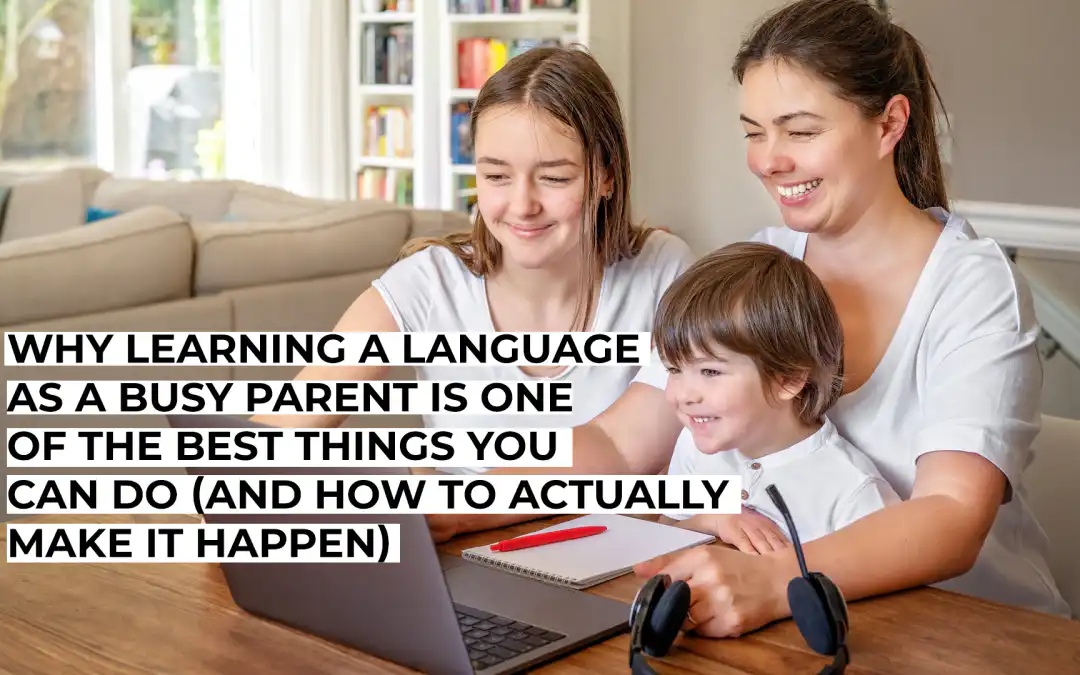
Why Learning a Language as a Busy Parent Is One of the Best Things You Can Do (And How to Actually Make It Happen)
Travel Why Learning a Language as a Busy Parent Is One of the Best Things You Can Do (And How to Actually Make It Happen) No classroom. No fixed timetable. Just you, a real tutor, and a skill that'll stick around for life. When was the last time you did something...

Ibiza Comes to London: Why the Alto x Cotton Beach Club Collab Belongs on Every Parent’s Night-Off List
Ibiza isn’t on the cards for most of us this summer — but that doesn’t mean you can’t get a taste of it. Alto by San Carlo has partnered with the iconic Cotton Beach Club Ibiza for two exclusive evenings on the rooftop of Selfridges, London. Think sun-soaked Mediterranean food, live DJ sets, Champagne and London’s skyline as your backdrop. Two dates only — and honestly? You deserve this one.

Lisa Johnson: From £30K Debt to Multi-Millionaire – How a Mum of Two Built a Freedom-Focused Business
Discover how Lisa Johnson, award-winning entrepreneur and mum of twins, went from £30,000 in debt to building a multi-million-pound business in just seven years. In this exclusive interview, Lisa shares her journey through adversity, her strategies for scaling with passive income, and her honest advice for parents and entrepreneurs seeking financial freedom, work-life balance, and lasting impact. Keywords: Lisa Johnson, entrepreneur, passive income, business strategy, work-life balance, financial freedom, mumpreneur, online business, success story.
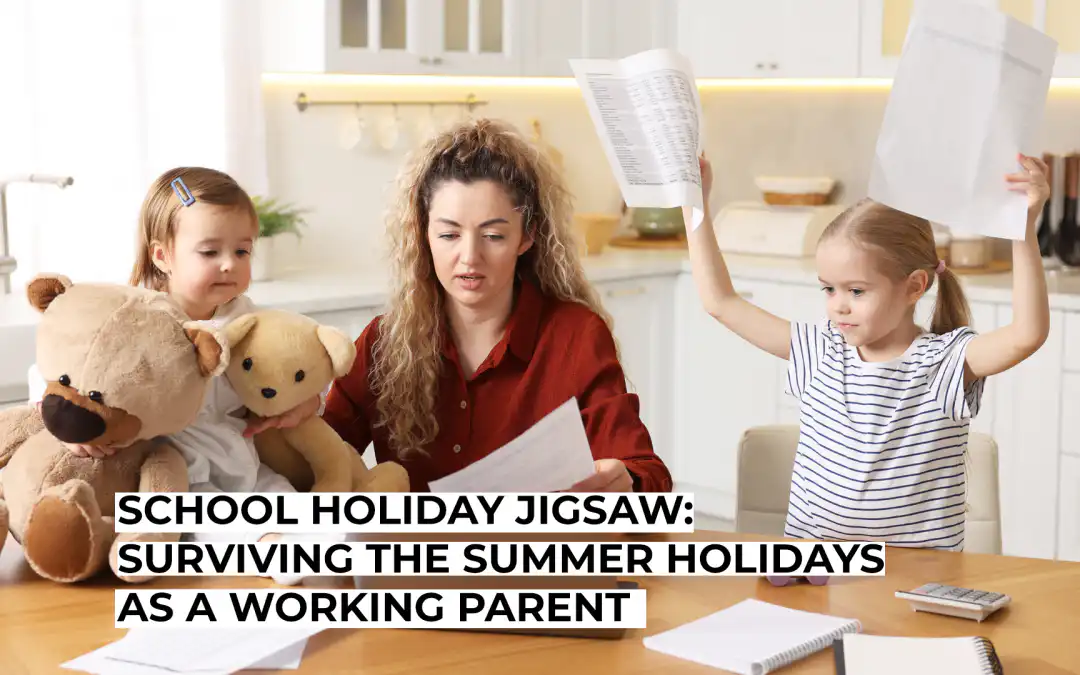
School Holiday Jigsaw: Surviving the Summer Holidays as a Working Parent
School Holiday Jigsaw: Surviving the Summer Holidays as a Working Parent
For school children, the six-week break is a magical expanse of unstructured freedom. For working parents, it marks the beginning of a military-grade logistical operation. Between the skyrocketing costs of summer camps, tag-teaming annual leave with partners, and attempting the ultimate high-wire act of working from home with a laptop on your knee, the math of July and August simply doesn’t add up. We dive deep into the reality of trying to fit a 19th-century agricultural school calendar into a 21st-century digital economy—and explore the progressive workplace shifts needed to save our sanity.

The Cognitive Crutch: Are We Outsourcing Our kid’s Brains to AI?
The Cognitive Crutch: Are We Outsourcing Our Children’s Brains to AI?
Generative AI has transitioned from a novel tech trend to a permanent classroom fixture. But as tools like ChatGPT effortlessly handle the heavy cognitive lifting of writing essays and solving equations, educators and neuroscientists are raising an urgent alarm. True learning is rooted in the cognitive friction of arriving at an answer. By outsourcing that struggle to machines, are we causing intellectual stamina to atrophy, leaving behind a generation of brilliant curators who have lost the ability to think independently? From primary schools to university campuses, the data reveals a stark shift from active learning to passive “cognitive offloading.”

The Big 2026 British Playcation: The Ultimate Free, Low-Cost & Premium Summer Days Out
The six-week school summer holidays are here, but keeping kids entertained shouldn’t break the bank. With new data showing a massive “play gap” across the UK, we’ve rounded up 11 of the absolute best national initiatives, free community festivals, heavily discounted active-play passes, and premium family adventures to help you balance the budget while creating unforgettable summer memories.

Why the UK is Suddenly Going All Out for Graduation Season
Discover why British graduations are becoming massive lifestyle events and explore San Carlo’s new summer menu—the perfect way to celebrate in style.

New ‘xV’ Campaign Launches “The Unspoken Stat” to Expose Hidden Domestic Abuse Spike Around England Matches
A powerful new World Cup campaign introduces “xV” (Expected Violence) to expose a chilling reality: research shows domestic abuse incidents spike by 38% when England loses and 26% even when they win. Backed by survivors, sports figures, and celebrities like Mel B, the campaign demands that this hidden statistic receives the same urgent attention as modern football data.

Banning Social Media Under 16: What the New UK Law Means for Parents
The UK government has announced a landmark social media ban for children under 16. From affected apps to enforcement timelines, here is what the “Australia Plus” model means for busy working parents and family life.

Beat The Heat: Top Tips To Help Your Kids Sleep During A Heatwave
Struggling to get your little ones to sleep in a stifling bedroom? From clever daytime blackout tactics and safe on-the-go shading with SnoozeShade, to expert routine adjustments from pediatric sleep specialist Amanda Marks and soothing audio tracks from Bedtime Story Co, we’ve got your ultimate guide to keeping kids cool, calm, and safely asleep during a summer scorcher.