Netflix’s Adolescence in schools
Just about everybody’s talking about it, or is aware of the heated debate over whether it is appropriate for the Netflix series Adolescence to be shown in schools, to tackle online misogynistic attitudes. The show has been a massive success and within just 11 days in March, became the most-watched UK series ever on Netflix, with over 66k views.
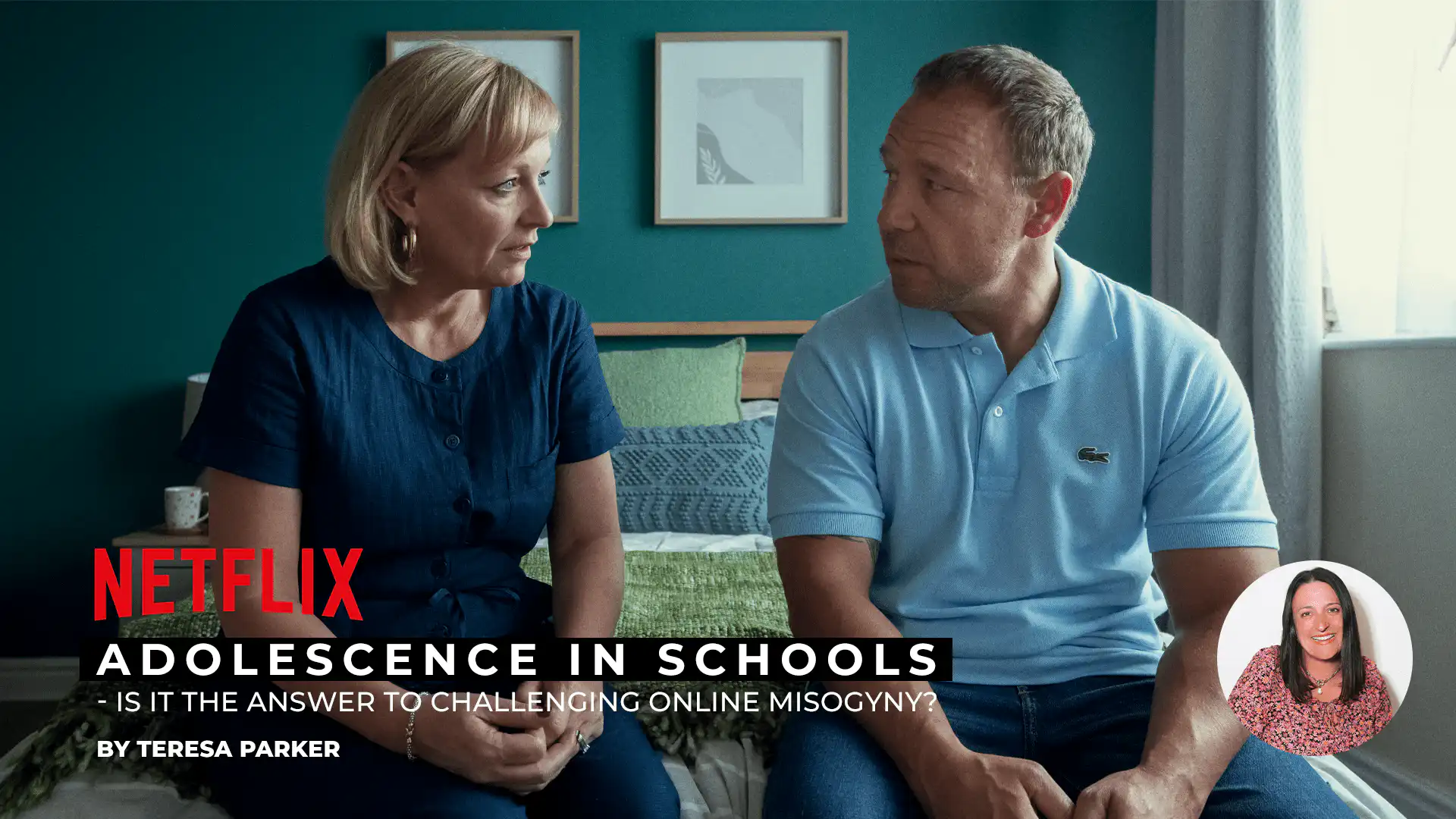
The four-part series stars Stephen Graham as Eddie Miller, a father whose family is shattered after his 13-year-old son Jamie is accused of murdering a female classmate. The series was thought-provoking, shocking and upsetting for many parents, including myself – I have two sons who are 11 and 8, and it is horrifying to imagine this situation. The most frightening thing is the idea of not knowing what your children are accessing online, and what thoughts and beliefs they have as a result.
Misogyny, described by the Cambridge Dictionary as feelings of hating women, or the belief that men are much better than women, has been spoken about more in recent years. This is in line with the rise of sexist online influencers, and the “incel” or “involuntary celibate” online movement, which discusses the anger and resentment they have towards women and the men they are attracted to.
For generations, parents might have been worried about the influence of friends, music and TV on their children. Now with smartphones, YouTube and social media, many are listening to influencers. But as someone who has worked with domestic abuse charities over the past two decades and has seen horrific examples of abuse, I can guarantee that misogyny did not start on social media – far from it. Influencers such as Andrew Tate and others who admit sexist and harmful attitudes is an issue, as is the easy availability of violent and degrading pornography online, but the attitudes themselves are as old as time. Domestic abuse certainly existed long before smartphones.
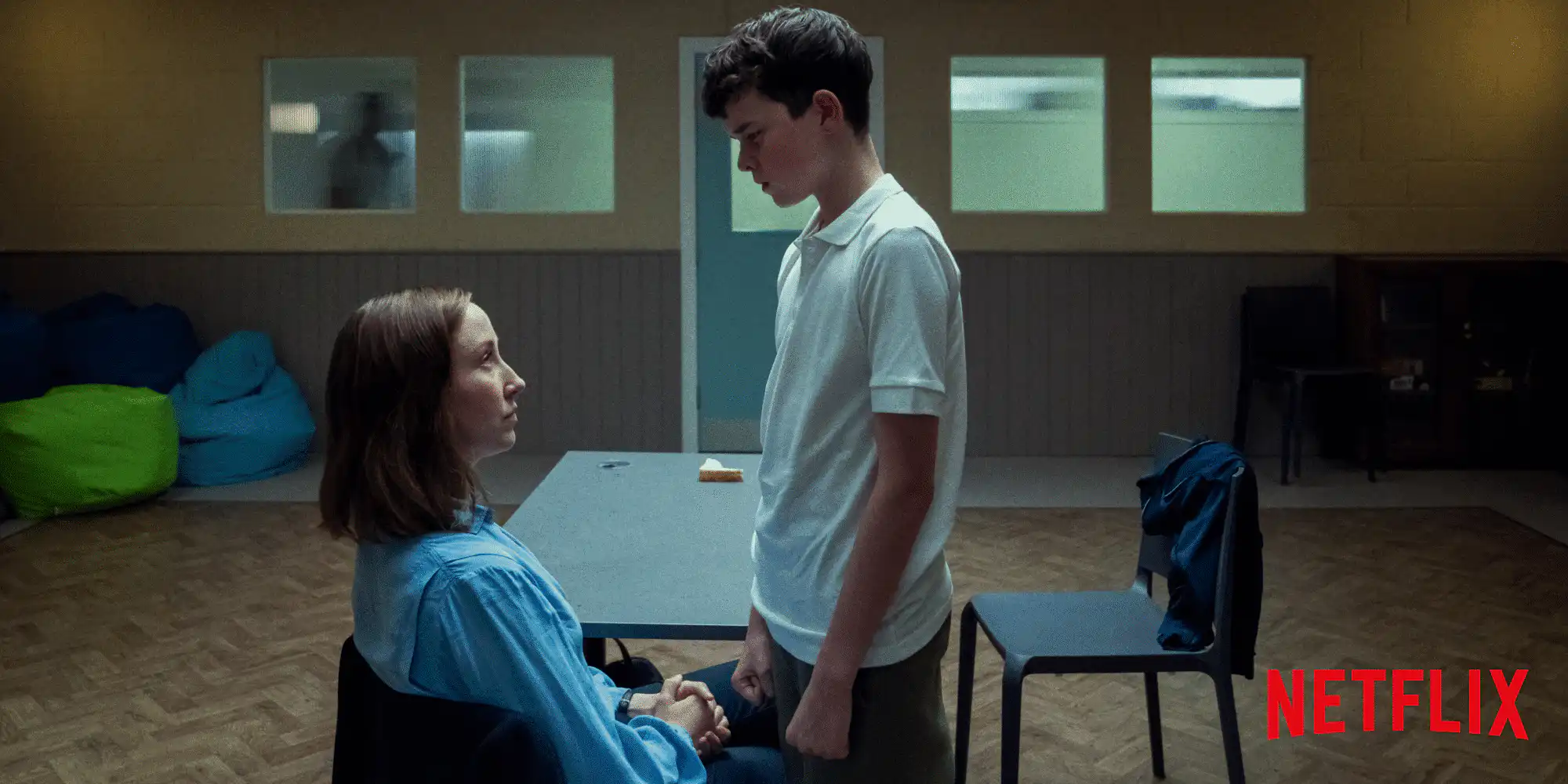
However, smartphones and the online world, whether gaming or scrolling through chatrooms looking for a connection, can be all-consuming. The wider effects of being constantly online on the mental health of young people is huge, and one that is an issue many parents are concerned about.
So, can the combination of the digital world and misogyny be solved by showing Adolescence in schools? Put bluntly, no. As UK Prime Minister Keir Starmer says himself, it cannot be a “silver bullet”, but there is a role for storytelling and discussions to play in challenging harmful online narratives that young people believe and repeat. The drama education charity Tender that works with young people to promote healthy relationships is involved in providing support with bringing the show into schools, but it is important that teachers are given training and support to hold what could be very difficult conversations in classroom, and signpost those who need help. Teachers will also need to address what is missing in the series, which is the perspective of the girl and her family and friends – and the impact of her death.
It is also an issue for many survivors of abuse that a programme that is being presented as challenging misogyny has Brad Pitt as an Executive Director, who has had a number of serious allegations of domestic abuse made against him and whose children were reported to be frightened of him.
Ultimately, misogyny and the role of online influencers is not an issue for young people to solve after watching a programme being shown in school, it is not realistic – their safety, well-being and happiness is the responsibility of adults and our communities.

However, smartphones and the online world, whether gaming or scrolling through chatrooms looking for a connection, can be all-consuming. The wider effects of being constantly online on the mental health of young people is huge, and one that is an issue many parents are concerned about.
So, can the combination of the digital world and misogyny be solved by showing Adolescence in schools? Put bluntly, no. As UK Prime Minister Keir Starmer says himself, it cannot be a “silver bullet”, but there is a role for storytelling and discussions to play in challenging harmful online narratives that young people believe and repeat. The drama education charity Tender that works with young people to promote healthy relationships is involved in providing support with bringing the show into schools, but it is important that teachers are given training and support to hold what could be very difficult conversations in classroom, and signpost those who need help. Teachers will also need to address what is missing in the series, which is the perspective of the girl and her family and friends – and the impact of her death.
It is also an issue for many survivors of abuse that a programme that is being presented as challenging misogyny has Brad Pitt as an Executive Director, who has had a number of serious allegations of domestic abuse made against him and whose children were reported to be frightened of him.
Ultimately, misogyny and the role of online influencers is not an issue for young people to solve after watching a programme being shown in school, it is not realistic – their safety, well-being and happiness is the responsibility of adults and our communities.

What is the solution?
We might not have a magic wand, but there is plenty we can do. Most importantly we need to invest in our young people, with our time, and with our resources, and make sure they have role models in their lives. For boys like Jamie in Adolescence, male role models are crucial, to look up to, to listen to them and provide real-life guidance. We should never assume that everyone has the same family set-up, or same level of support at home – there is a real need for community support. There are brilliant 21st century youth clubs called Youth Zones across the country, established by the national charity OnSide, which provide affordable spaces for children and young people – just 50p a night – to do loads of different activities and spend time with youth workers who are closer to their ages than their parents. Youth work and spaces like these need investment, as they can positively engage with young people in the time they spend outside of school and transform their lives for the better.
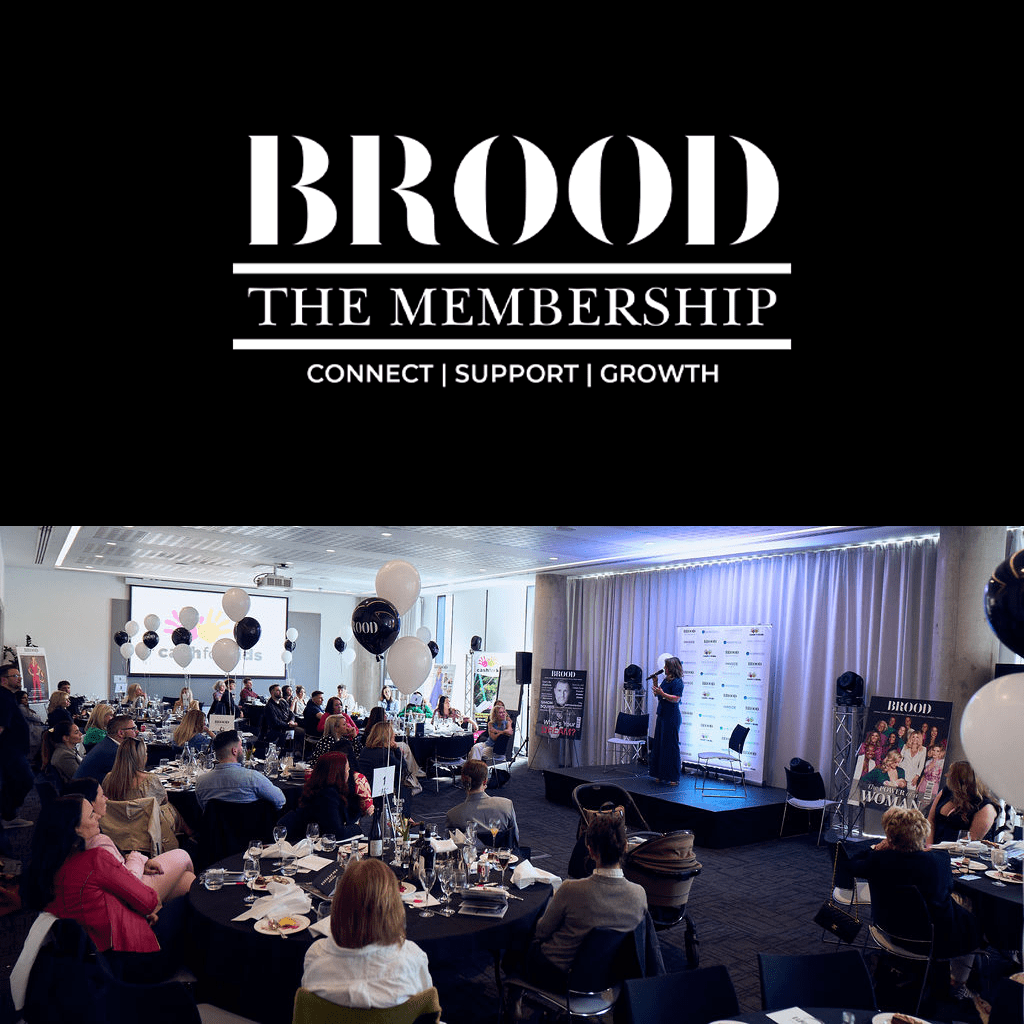
And parents need supportive spaces too – the BROOD community and the events such as BROOD Live help by creating a place where parents who are juggling busy working lives with parenthood can be honest about their challenges, support each other and not be afraid to bring their “real selves” to events. The value of being able to say you’re not perfect also shows your kids they are not failures if they don’t get everything right, and you can try again. So many young people are frightened of failure, so we can show them they don’t need to be afraid. (And in the case of Brood Live, we show how you can mess up, laugh about it together, then move on!)
One thing I also try to do with my husband Adam is to try and keep our boys busy with things that are more interesting than phones or Fortnite – and I don’t mind admitting this isn’t always the easiest when they don’t want to move from the sofa. But getting passes for theme parks for the weekends, visiting castles and getting a family season ticket for Bristol City – and this year for both the men’s and the women’s teams – means that there are plenty of things going on in our lives which don’t involve looking down at a phone.
I think a young person making the choice to put a phone down because offline life is more interesting, is much more powerful than having it taken away. We might not be able to solve everything, but we can create a better future by supporting positive role models and being role models ourselves to our kids.
Finally, thinking about how we act, and not spending our lives looking down at our phones ourselves, as we are the biggest influence on our children’s lives, not Netflix. We can’t expect our children to not be consumed online if that is all they see from us, so be present, take a photo for Instagram by all means, but then get on with enjoying life and hopefully our kids will too.
Teresa Parker is a PR and communications specialist in women’s equality, with over 20 years’ experience of working for a national domestic abuse charity as the lead for communications and marketing. Teresa is the founder of Teresa Parker Media and is Associate Director for charity PR agency Cause Communications.

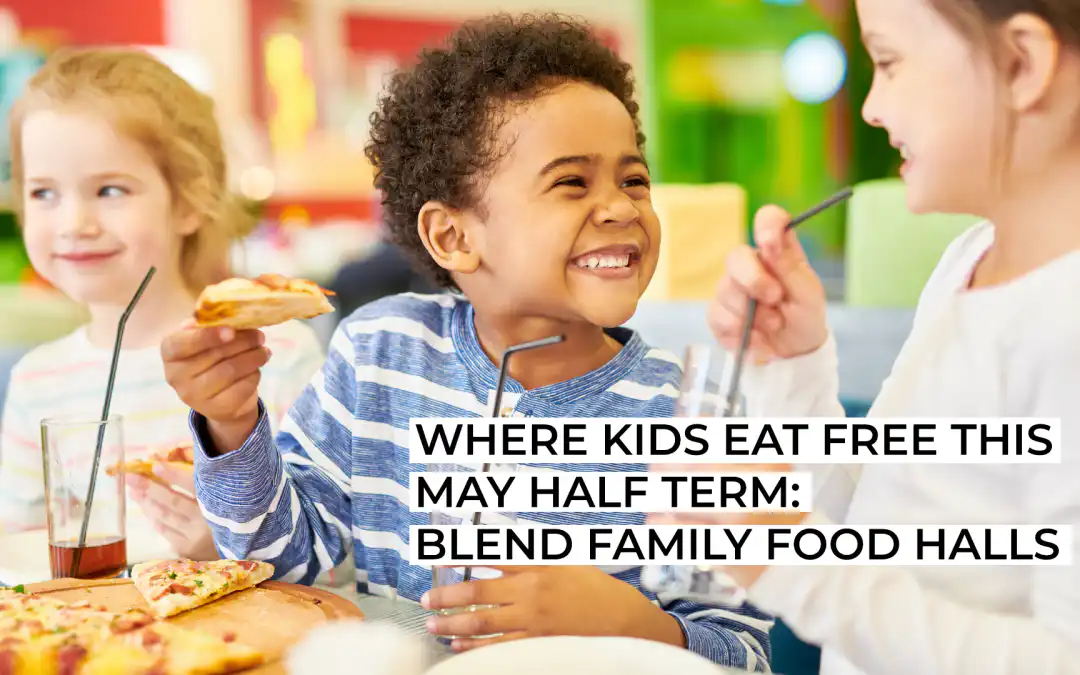
Where Kids Eat Free This May Half Term: Blend Family Food Halls
Looking for the perfect spot to feed the family without breaking the bank this May half term? Blend Family food halls across London, Sheffield, Birmingham, and Manchester are letting kids aged 10 and under eat completely free from Sunday to Friday (12 PM–5 PM) with the purchase of an adult meal. From tacos and burgers to global street food eats, there is something to make every tiny tummy happy.

Lisa Johnson: From £30K Debt to Multi-Millionaire – How a Mum of Two Built a Freedom-Focused Business
Discover how Lisa Johnson, award-winning entrepreneur and mum of twins, went from £30,000 in debt to building a multi-million-pound business in just seven years. In this exclusive interview, Lisa shares her journey through adversity, her strategies for scaling with passive income, and her honest advice for parents and entrepreneurs seeking financial freedom, work-life balance, and lasting impact. Keywords: Lisa Johnson, entrepreneur, passive income, business strategy, work-life balance, financial freedom, mumpreneur, online business, success story.

3 Easy Family Recipes That Will Stop Weeknight Dinner Stress | Peter Sidwell’s Kitchen
Ditch the packet food! Chef Peter Sidwell shares three quick, comforting, and flexible family recipes designed to bring everyone together around the dinner table.
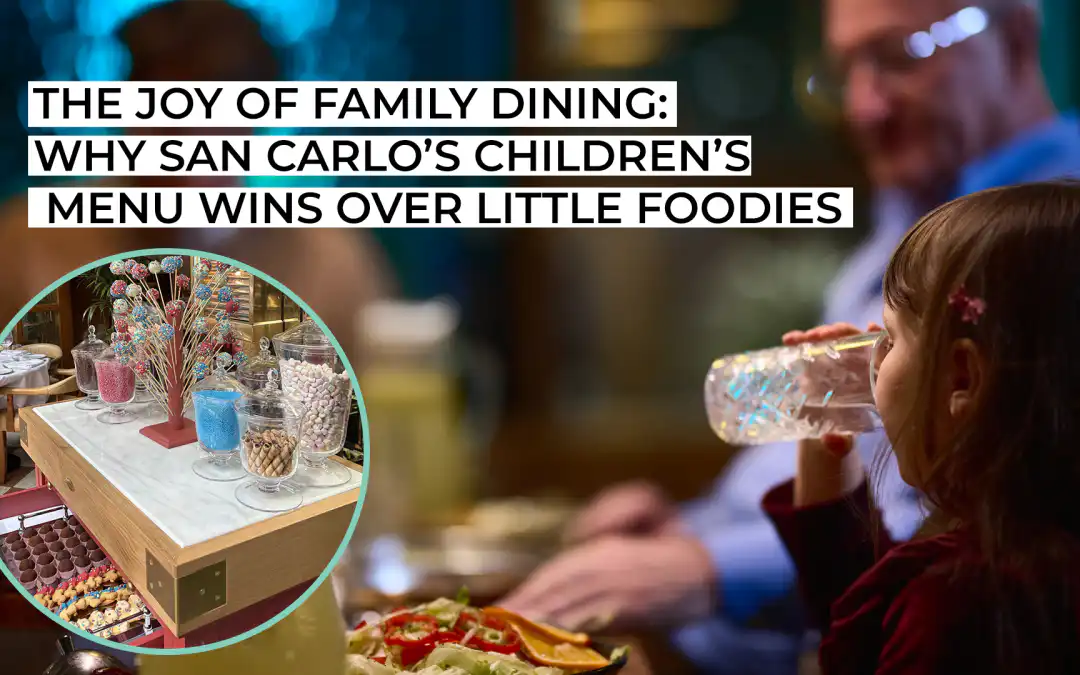
The Joy of Family Dining: Why San Carlo’s Children’s Menu Wins Over Little Foodies
Discover the heart of Italian family dining at San Carlo. From the Sicilian heritage of founder Carlo Distefano to a specially crafted children’s menu featuring authentic flavors and creative “build your own” options, learn why San Carlo is the perfect destination for a sophisticated yet warm family meal.
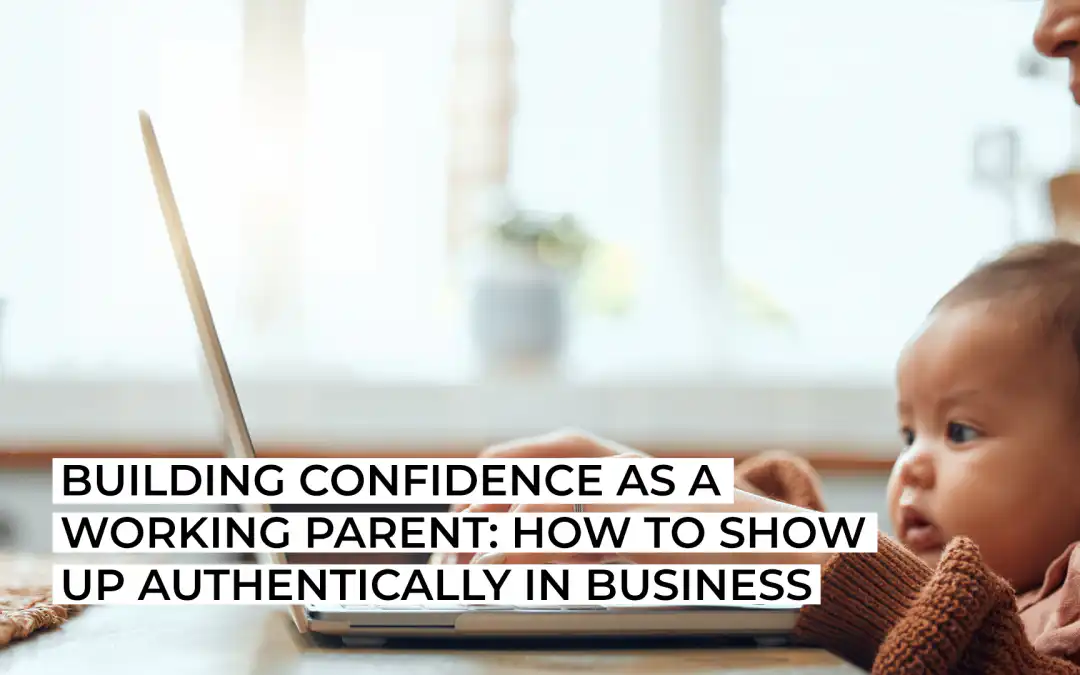
Building confidence as a working parent: how to show up authentically in business
Returning to work after having a child is a seismic shift. Learn how to rebuild your professional identity, boost your self-esteem, and show up authentically with these 5 proven tips for confident working parents.

How to Plan a Spontaneous Vacation – Booking a Cruise at the Last Minute
Life has a funny way of presenting you with a free weekend just when you least expect it. Maybe you’ve had a cancellation, maybe wanderlust has simply got the better of you, either way, you’re now seriously considering booking a cruise with barely any notice. And honestly? That’s not as mad as it sounds
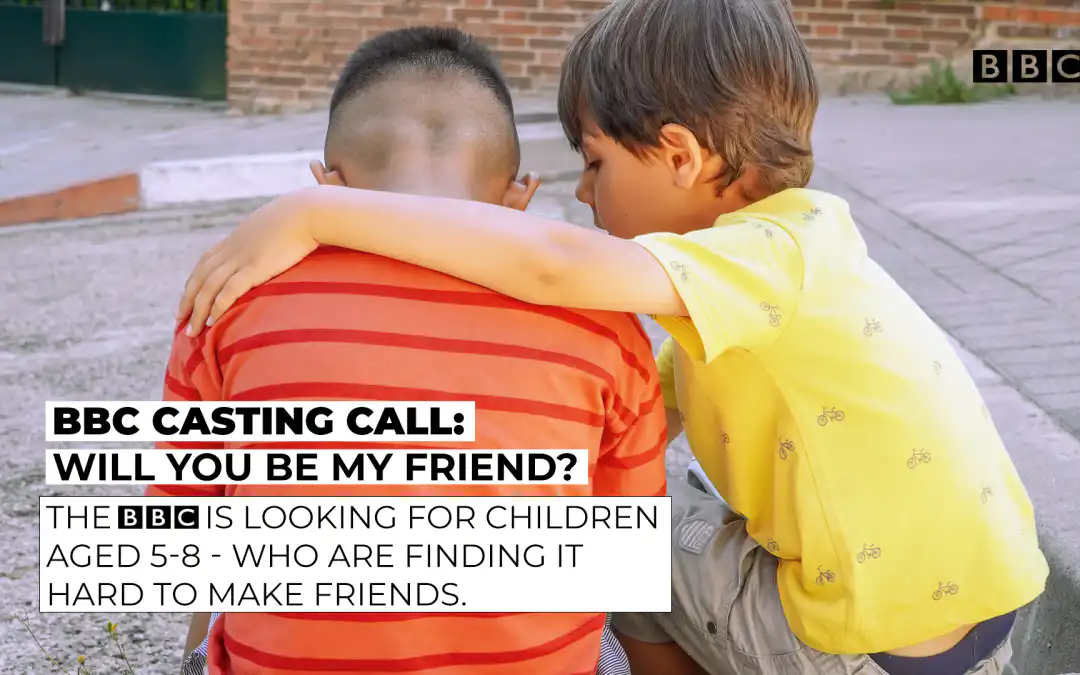
BBC casting call: Will You Be My Friend? – children aged 5–8 who are struggling to make friends
The BBC is casting children aged 5–8 who are finding it hard to make friends for new BBC One/iPlayer series Will You Be My Friend? Apply at bemyfriend.tv.

EXPERIENCE AN EXCLUSIVE SUPPER CLUB AT FUMO MANCHESTER IN SUPPORT OF MAGGIE’S
Fumo Manchester is hosting an exclusive Supper Club celebrating the flavours of Puglia — all in support of Maggie’s, the charity providing vital cancer support. Guests will enjoy a curated four‑course menu, wine pairings and an intimate dining experience, with all profits donated to help families facing cancer.

Why Millennials and Gen Z Are Driving the Rise of Pre‑Nups
Millennials and Gen Z are reshaping the conversation around marriage by embracing pre‑nups as a practical tool rather than a taboo. Armed with better financial literacy, greater access to information, and a realistic understanding of modern relationships, younger couples are approaching marriage with both romance and long‑term planning in mind. For many, a pre‑nup isn’t about mistrust — it’s about mutual respect, transparency, and protecting the lives they’ve built before saying “I do.”
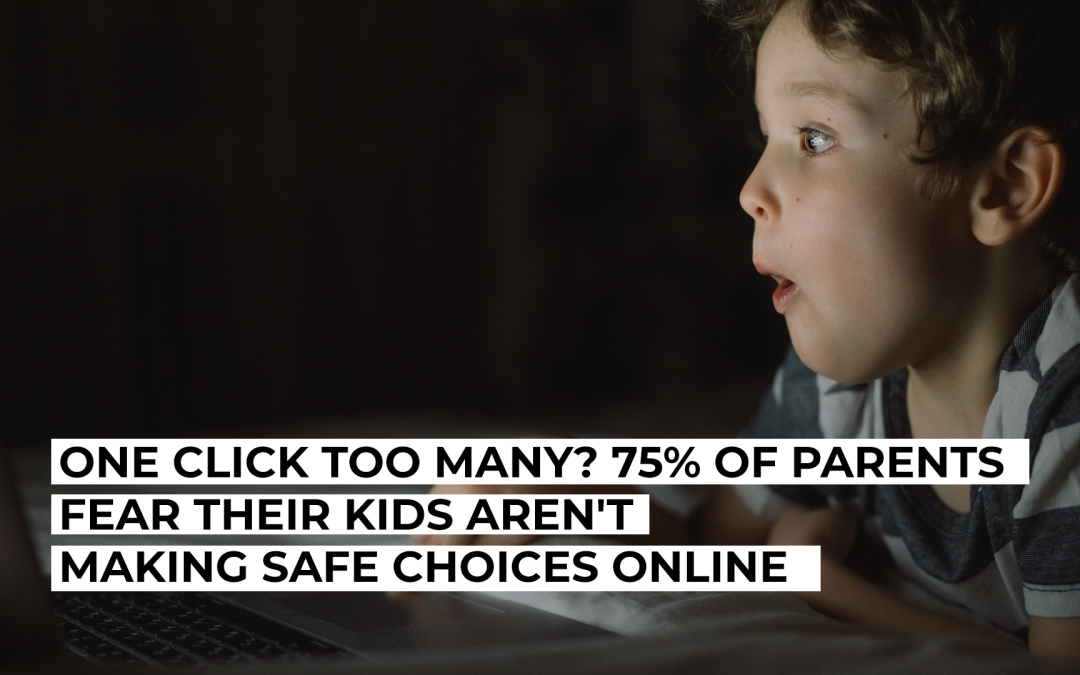
Children’s Online Privacy: 75% of Parents Fear Kids Aren’t Making Safe Choices Online
New research from the ICO shows 75% of parents worry their children aren’t making safe choices online, yet many rarely talk about online privacy at home. A new campaign is now encouraging families to treat digital privacy as an essential life skill, just like road safety or stranger danger.