
Interview with Entrepreneur Simon squibb – what’s your dream?
“As soon as I got to a point where I was no longer worrying about money, when I had filled my own bucket, then I thought right, how can I help other people climb up the ladder?”
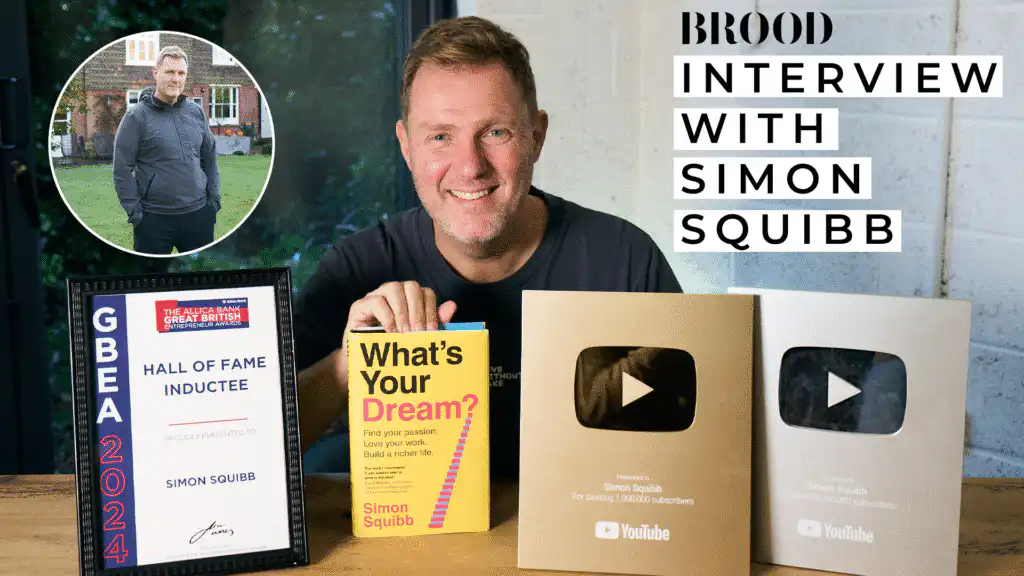
If you’re an entrepreneur, or have aspirations to start your own business, and you have a TikTok or Instagram account then you are sure to have heard the words, “What’s your dream?”—words that have become synonymous with renowned entrepreneur, Simon Squibb.
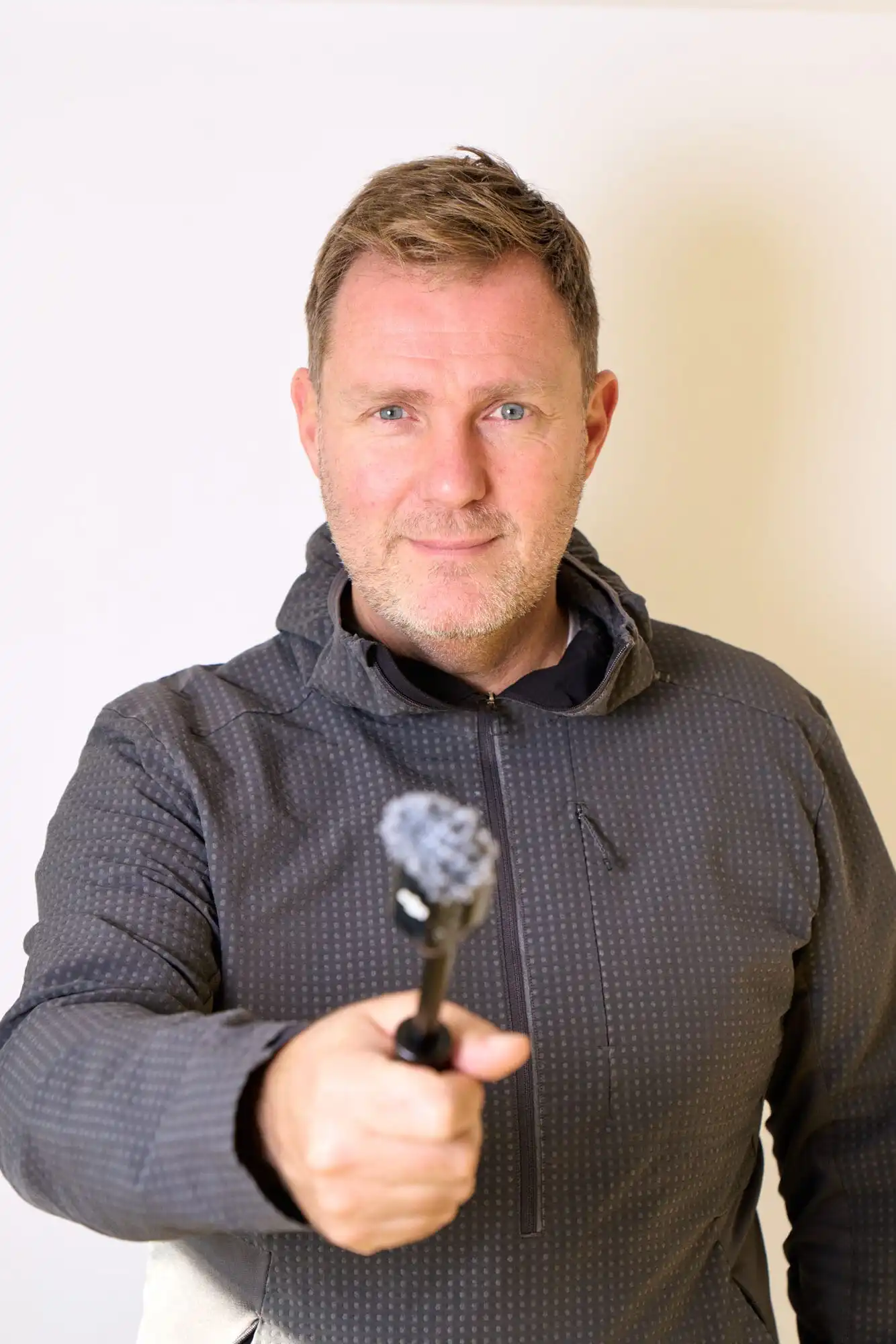
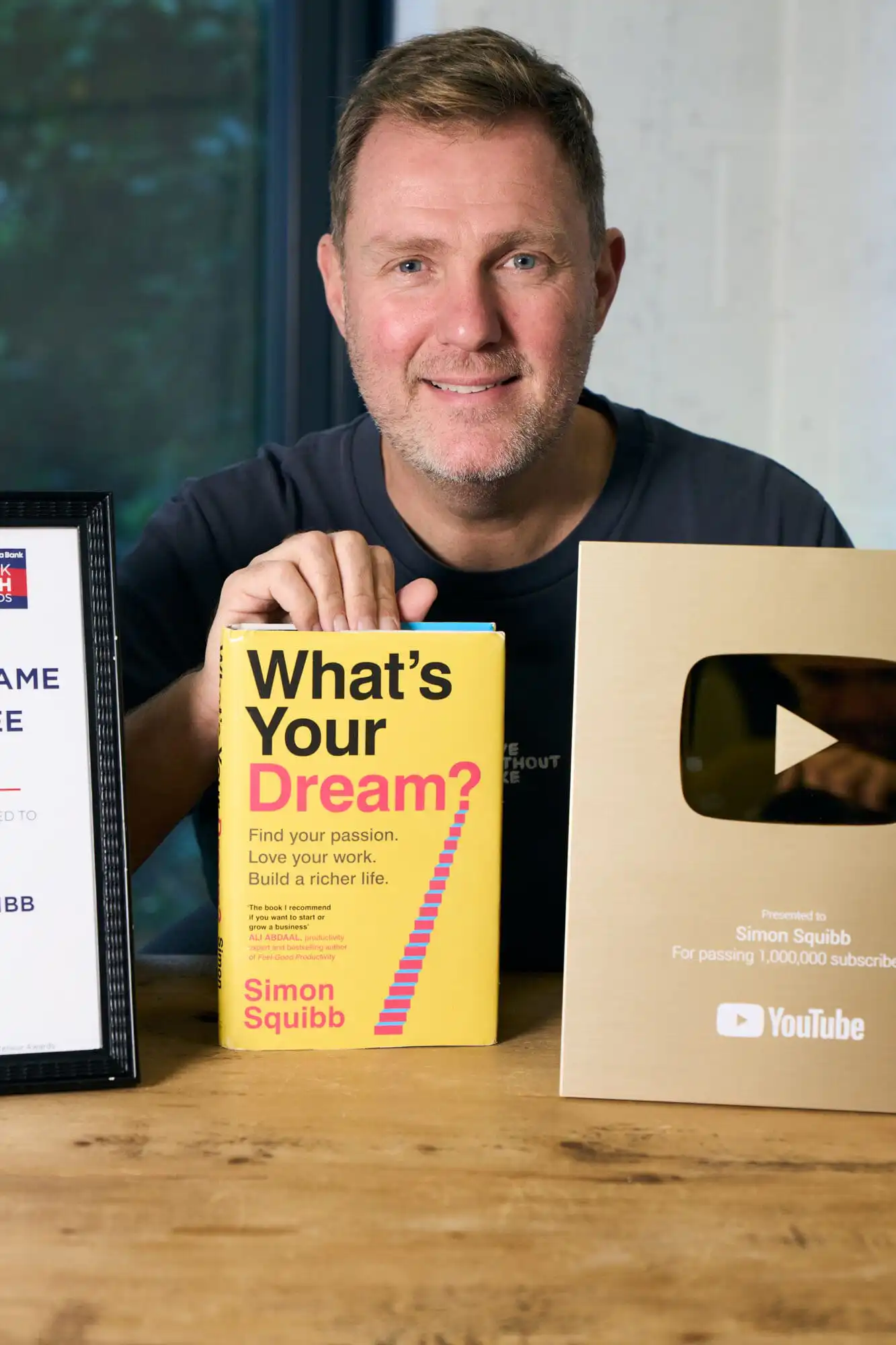 Simon Squibb Images © BROOD Magazine Limited
Simon’s story is one of grit, talent and an unbelievable determination to build a life for himself that was very different from the one he had as a homeless 15-year-old who started a business in order to eat and earn enough money to get somewhere to sleep. Simon is very vocal about his passion to shake up the school system and to empower everyone to have the knowledge and confidence to start their own business—to live a life with purpose doing something that they love.
Simon went viral when he bought a derelict staircase in London and put a doorbell on it, where people now come from far and wide to pitch their dreams, which Simon and his team endeavour to help make happen with his company, Helpbnk. Helpbnk was created to build a community where people can #givewithouttake and help their fellow entrepreneurs build their businesses.
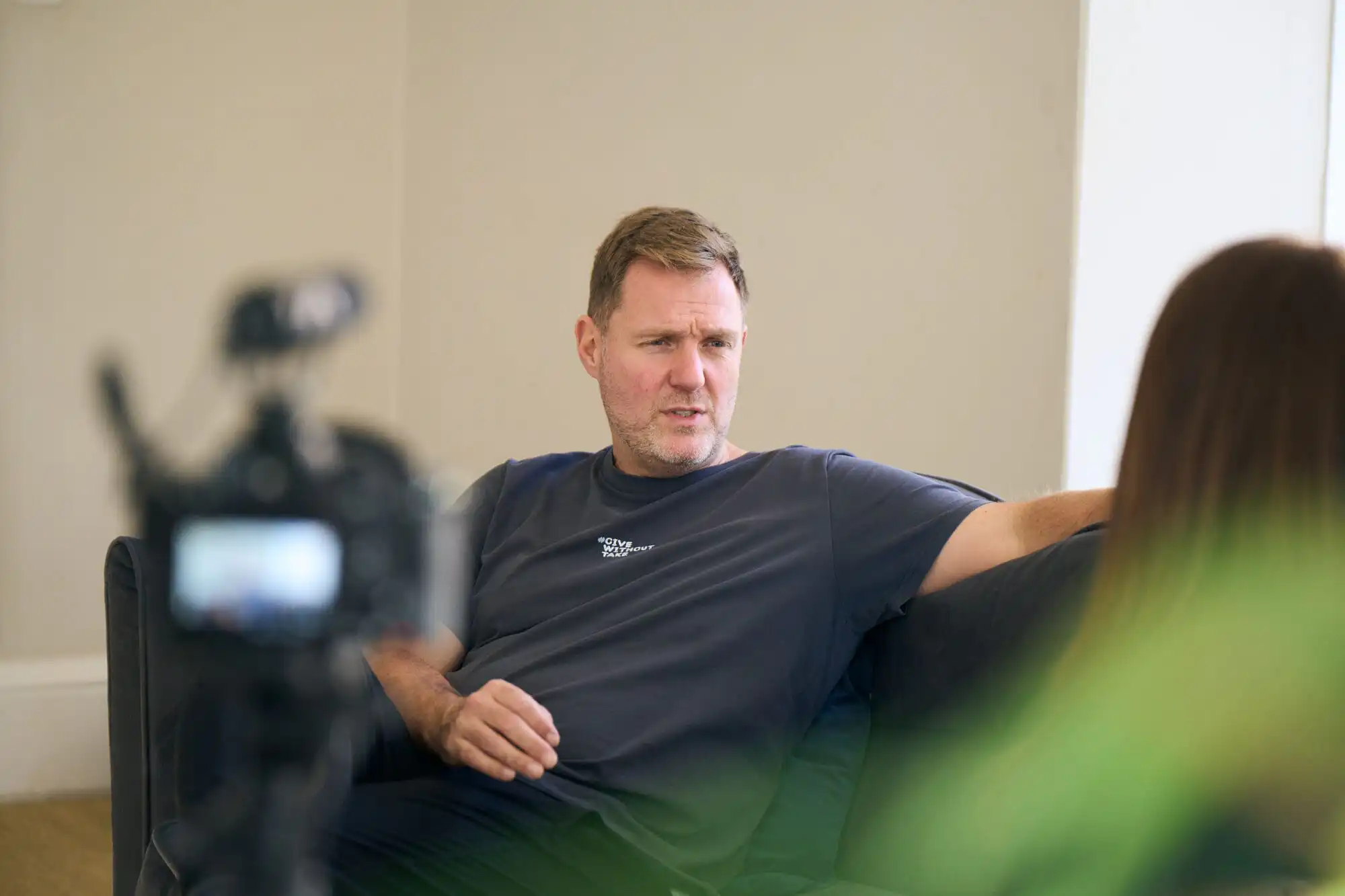
We were honoured to have been invited to Simon’s family home for a couple of hours despite his busy schedule as we chatted through his incredible business journey and how he wants to shake up the system to empower more and more people to live out their dreams.
What inspired you to enter the world of business?
Simon: “Well, I had no choice but to enter the world of business. I couldn’t get a job and I had tried begging on the streets and couldn’t make any money, so at 15 years old the only option I had was to start a business.”
When did you find that first piece of success in business that made you stay on that path of being self-employed?
Simon: “Well, I had a very small measure of what success was back in those days. If I could make enough money to eat and maybe get a roof over my head to sleep, then that was success to me. I actually think it’s a really good yardstick for making sure that you treat success with little milestones, not big ones. A lot of people say, ‘I want a million pounds’ and that will mean they’re successful, when actually you might spend a lot of time disappointed, so it’s better to give yourself small targets. The day I got 1 garden contract—one person saying I could take care of their garden—that was a success. That paid for food and accommodation for the week.”
Do you think your journey to success is what led you to start Helpbnk?
Simon: “Yeah, I originally called it Purposeful Project, but my focus now is on the Helpbnk brand. Originally it was a purposeful project helping the 15-year-old boy who struggled. I didn’t know anything about business or how money works. I knew nothing about how to sell myself or my services. As soon as I got to a point where I was no longer worrying about money and had filled my own bucket, I thought right, how can I help other people climb up the ladder? Put the ladder down and help people up. I want everyone to know how to make money and start a business if they want to.”
“I think having ownership over what you do every day is the most valuable thing you could possibly have—owning your own time.”
Between schools not teaching business skills and grants being hard to get, how important is it to break down those barriers?
Simon: “There’s a lot we need to change. When I first went to school at five years old, my teacher asked what I would be when I grew up. That instantly traps your mind into thinking about one particular job. We should ask children ‘what problems do you want to solve?’ We need to teach financial literacy and how the world works. The school system actually trains people to work for someone else—sit down, do an exam, don’t stand out, do what you’re told. That needs to change.”
You homeschool your son. How do you approach learning with him?
Simon: “It’s child-led learning. I ask him what he’s interested in. He was obsessed with road maps for a while—the M25 motorway, how it got built, the economics and politics behind it. He learnt all of that through his passion for roads. Letting people follow their dreams means all the things they need to learn to do it, they will learn naturally and enjoy.”
Sponsored Content
“When you’re comparing yourself to other people and their businesses, it deflates your enthusiasm for what you’re working on.”
Is it harder to transition from a job into starting a business once you become a parent?
Simon: “Kids don’t do what you say, they do what you do. So if you are not enjoying your work, they won’t be inspired. They just want your time and to learn from you. If you want to inspire them, let them watch you follow your dreams. Running your own business gives you ownership over your time. It’s harder in the beginning because of the learning curve, but it gives you freedom in the long run.”
When juggling being a parent and running a business, how do you navigate times when you can’t be in two places at once?
Simon: “There are three pillars we need as humans: attention for ourselves, looking after our health, and nurturing our relationships. Combining them is key—I go on long walks with colleagues or bring my family on business trips. Yesterday, my son asked me to stay with him, and I explained that I had committed to helping three people. I’m showing him that helping people requires sacrifice sometimes, but if it has a purpose, it’s worth it.”