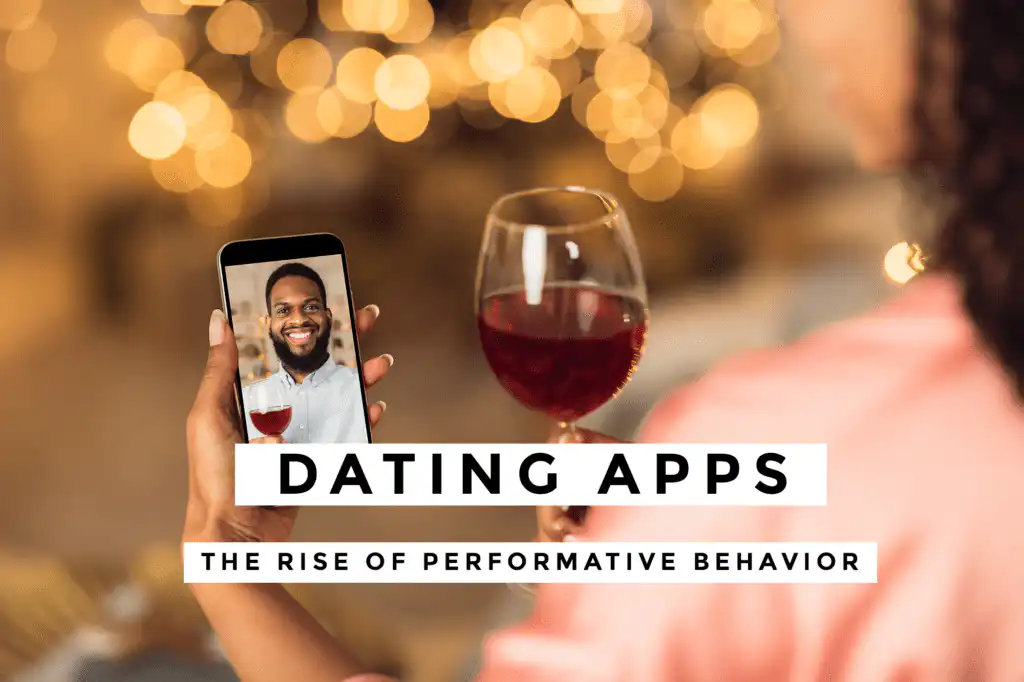
The Rise of Performative Behavior on Dating Apps: Authenticity Versus Validation
Key takeaways
Flashy photos and controversial posts get fleeting attention
Validation-seekers use prompts like “Guess my age”
They drive people looking for a genuine connection away
The “wider net” principle encourages performative behavior
Online daters are tempted to stand out from the crowd by posting flashy photos or making controversial posts. This gets attention in the short term, and it’s all some people are after. Others find their chances of a serious relationship diminish. The payoff of fewer likes and more effort is usually worth it.
If you have any experience with online dating, you’ve likely crossed paths with at least a few validation-seekers. Apps have made it very easy to get attention and revel in it, which comes at the expense of those who want to use them for their primary purpose.
Weeding out attention-seekers
You can detect “pick mes” on dating sites by photos with revealing clothes, heavily edited, or professional-quality photos. Prompts like “Guess my age” or “I’m too good for this app” are telling, as are profiles promoting the user’s Instagram, TikTok, or another social medium. These users are seeking followers or engagement, not to mention the many people who have used Instagram to date, especially Gen Z.
Someone who says they want a low-maintenance mate actually wants the focus to be on them. “Just ask me” in response to a dating app prompt is a sign they’re more invested in validation than their dating life.
They take a long time to respond, and when they do, the response is superficial.
You ask a series of thoughtful questions, but you don’t get any questions back. For many, this seals the match’s fate, no matter how in-depth their answers are. You’re looking for somebody who genuinely wants to get to know you better.
The impact of validation-seeking
Attention- and validation-seekers are driving people looking for a real connection away. Pew Research Center found that fewer people were looking for dates or a relationship in 2022 compared to 2019 (42% vs. 49%). The tendency has affected men disproportionately. 60% of men were active in 2019, but by 2022, this had gone down to 50%. On the other hand, the percentage of women only dropped by 3%: 38% in 2019 vs. 35% in 2022.
While dating apps are not to blame for dating strain nor expected to relieve it, they do amplify it for many. Another recent Pew survey revealed that 25% of app users felt more insecure after their experience with an app and 35% left apps feeling more negative about dating.
It’s a numbers game
In many cases, what apps offer is nothing more than a numbers game. The wider users cast their nets, the more likely they are to find what they are looking for, be it love or casual dating. This encourages users to be less authentic, moving quickly from one user to the next, so they can maximize their chances.
Is there hope?
Yes, there is a silver lining. Falling victim to a pick-me girl or guy might inspire someone on a dating site to be more authentic. What’s more, a 2023 Pew survey found that dating sites helped 10% of partnered adults (married, cohabiting with a partner, or in an exclusive relationship) meet their current significant other.
FAQ
How have apps changed social perceptions?
People use different conversational and interpersonal skills in real life and when interacting online. In the latter situation, the inability to read cues through body language, eye contact, and tone of voice can impact the prospect of a lasting connection.
How do dating apps encourage performative behavior?
Dating apps prioritize photos as the main element. Users tend to choose their most attractive, edited, or curated pictures to make a strong first impression. This emphasis on appearance pushes people to present a potentially inauthentic version of themselves.
Swiping features encourage users to treat dating like a game, where getting “matches” becomes a form of validation. The dopamine rush can encourage users to curate their profiles in ways they believe will maximize likes or swipes, prioritizing what attracts attention.
Rapid interactions reward those who capture attention instantly. Flashy or provocative profiles may perform better, encouraging users to prioritize what’s eye-catching.
We use cookies on our website to give you the most relevant experience by remembering your preferences and repeat visits. By clicking “Accept All”, you consent to the use of ALL the cookies. However, you may visit "Cookie Settings" to provide a controlled consent.
Brood Magazine uses cookies to improve your experience while you navigate through our website. Out of these, the cookies that are categorised as necessary are stored on your browser as they are essential for the working of basic functionalities of the website. We also use third-party cookies that help us analyse and understand how you use this website. These cookies will be stored in your browser only with your consent. You also have the option to opt-out of these cookies. But opting out of some of these cookies may affect your browsing experience.
Necessary cookies are absolutely essential for the website to function properly. These cookies ensure basic functionalities and security features of the website, anonymously.
Cookie
Duration
Description
cookielawinfo-checkbox-analytics
11 months
This cookie is set by GDPR Cookie Consent plugin. The cookie is used to store the user consent for the cookies in the category "Analytics".
cookielawinfo-checkbox-functional
11 months
The cookie is set by GDPR cookie consent to record the user consent for the cookies in the category "Functional".
cookielawinfo-checkbox-necessary
11 months
This cookie is set by GDPR Cookie Consent plugin. The cookies is used to store the user consent for the cookies in the category "Necessary".
cookielawinfo-checkbox-others
11 months
This cookie is set by GDPR Cookie Consent plugin. The cookie is used to store the user consent for the cookies in the category "Other.
cookielawinfo-checkbox-performance
11 months
This cookie is set by GDPR Cookie Consent plugin. The cookie is used to store the user consent for the cookies in the category "Performance".
viewed_cookie_policy
11 months
The cookie is set by the GDPR Cookie Consent plugin and is used to store whether or not user has consented to the use of cookies. It does not store any personal data.
Functional cookies help to perform certain functionalities like sharing the content of the website on social media platforms, collect feedbacks, and other third-party features.
Performance cookies are used to understand and analyze the key performance indexes of the website which helps in delivering a better user experience for the visitors.
Analytical cookies are used to understand how visitors interact with the website. These cookies help provide information on metrics the number of visitors, bounce rate, traffic source, etc.
Advertisement cookies are used to provide visitors with relevant ads and marketing campaigns. These cookies track visitors across websites and collect information to provide customized ads.