
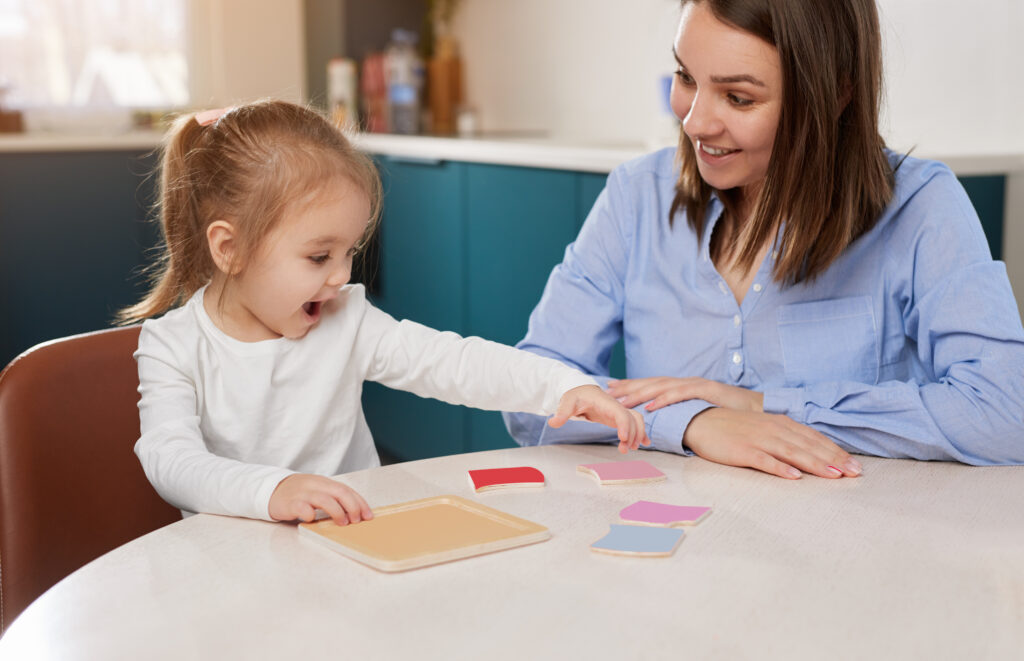
How Parents Can Support Children’s Speech, Language, and Motor Development
Children develop communication and movement skills through everyday experiences, interactions, and opportunities to explore their surroundings. From learning first words to improving coordination, these skills shape how children interact with the world.
Parents can help through simple activities at home, consistent communication, and opportunities for physical movement. Understanding these areas can also help families recognize when professional guidance may be useful.
1. Make Everyday Conversations Part of Your Routine
Children learn language by listening to the people around them and practicing what they hear. Talking while preparing meals, describing objects on a walk, or discussing the day can build vocabulary, sentence structure, and confidence in expressing thoughts.
Formal lessons are not required. Consistent, small conversations give children repeated opportunities to hear and use language. The American Academy of Pediatrics emphasizes the value of talking and reading with children from an early age, which is a core component of supporting children’s speech development.
2. Combine Reading, Play, and Movement
Reading together introduces children to vocabulary, language patterns, stories, and images. Make reading interactive by asking your child to identify objects, predict what happens next, or describe what they see. Repeating favorite stories also gives children more chances to recognize and practice words.
Physical play can support these experiences. Building blocks, drawing, dancing, and simple movement games encourage coordination and problem-solving while creating natural opportunities for conversation. Parents can describe actions, introduce movement words, and encourage children to explain what they are doing.
Explore additional early-learning activity ideas from NAEYC’s family resources.

3. Understand the Role of Movement in Child Development
Crawling, walking, balancing, reaching, and coordinating both sides of the body help children explore their environment and develop physical confidence. Parents can encourage movement through age-appropriate play, supervised activities, and chances to practice new skills.
Some parents notice challenges with posture, balance, handwriting, or coordination and may have questions about primitive reflexes. These are automatic movement responses present early in life; many become less prominent as the nervous system matures. Parents can explore specific movement activities for reflex integration to help support this development.
If coordination or motor concerns persist, an occupational therapist can help assess a child’s needs and recommend appropriate support.
4. Respond to Your Child’s Communication Attempts
Children benefit when their attempts to communicate are noticed and understood. If a child points at a toy, makes a sound, or says an incomplete word, respond by naming the object and expanding the message.
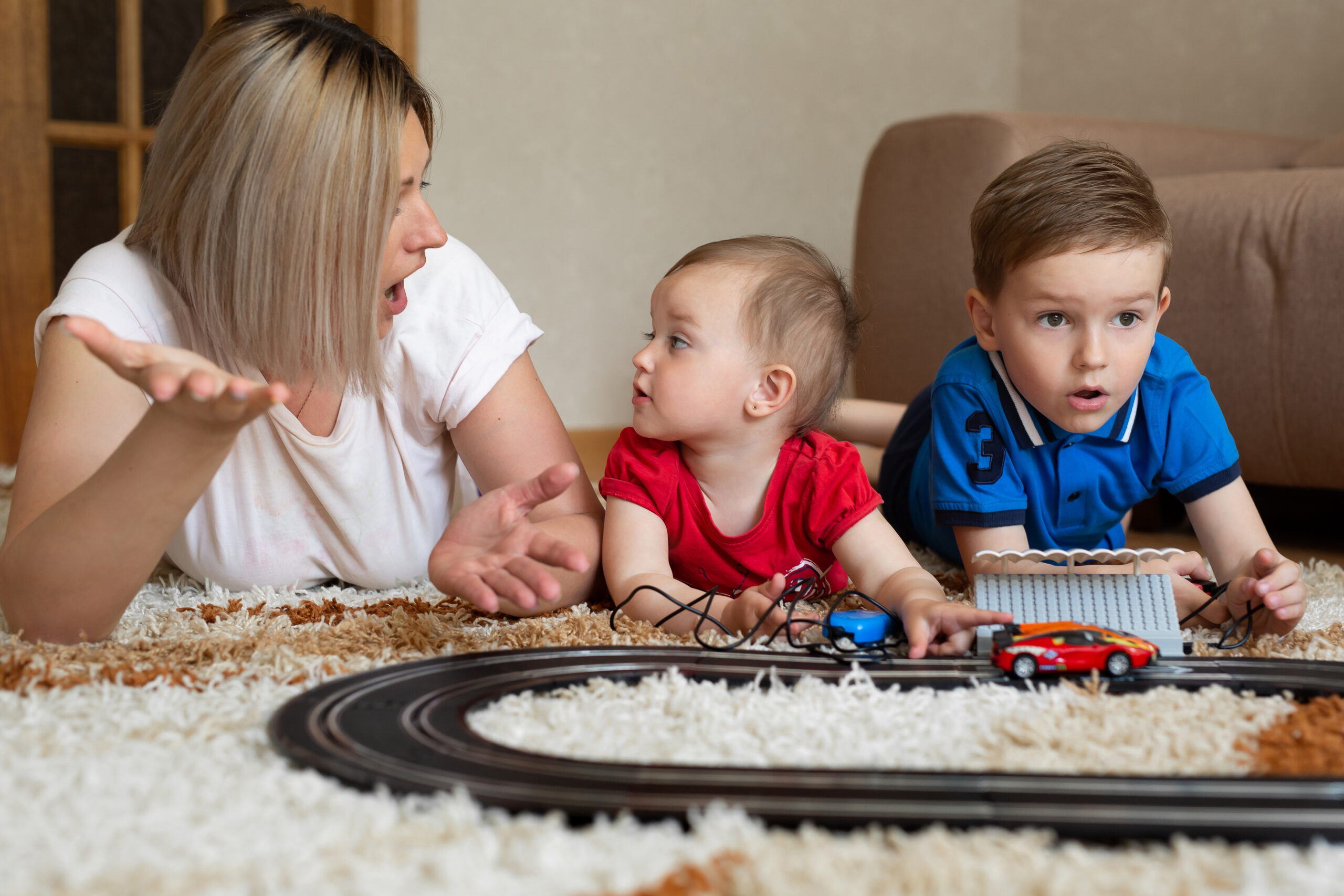
For example, if a child says, “car,” you might say, “Yes, that’s a blue car!” This models a longer sentence without making the child feel corrected. Give children time to respond, too: a short pause lets them process the question and decide what they want to say.
Focus on clear language and enjoyable conversation rather than perfect pronunciation. Learn more about speech and language development through the American Speech-Language-Hearing Association.

5. Know When to Seek Professional Guidance
Every child develops at an individual pace, but persistent difficulties with understanding language, expressing needs, pronouncing sounds, or using gestures and words may benefit from professional assessment. Ongoing balance concerns, unusual movement patterns, or difficulty with everyday motor activities may also warrant evaluation.
- Speech-language pathologists assess speech, language, and communication.
- Occupational therapists assess fine motor skills, coordination, sensory processing, and participation in daily activities.
Professional guidance can clarify whether additional support is needed and help families choose strategies that fit the child’s specific needs.
Conclusion
Supporting development does not require complicated equipment or a strict daily program. Everyday conversations, shared reading, playful movement, and responsive interactions create meaningful opportunities for children to practice communication and motor skills.
Encourage progress without unnecessary pressure, pay attention to your child’s individual needs, and seek qualified guidance when concerns arise.