
How Can Meal Timing and Portion Sizes Help Prevent Mounjaro Sulfur Burps?
Mounjaro slows how quickly food leaves the stomach, which supports blood sugar control and weight loss. However, delayed gastric emptying can also contribute to sulfur burps. Adjusting your meal timing and portion sizes can meaningfully cut how often these show up and how bad they feel. This guide breaks down the physiology behind the problem and gives you practical strategies that work with Mounjaro’s mechanism rather than against it.

Why Mounjaro Can Make Sulfur Burps Worse
Tirzepatide, the active ingredient in Mounjaro, can slow gastric emptying. Food remains in the stomach longer, giving gut bacteria more time to ferment undigested material. Sulfur-containing proteins and carbohydrates can produce hydrogen sulfide gas during this process, which may cause rotten-egg-smelling burps.
Among the documented side effects, sulphur burps triggered by Mounjaro tend to peak in the first few weeks of treatment or after a dose increase, when slowed digestion is most pronounced.
How Tirzepatide Changes Digestion
Tirzepatide acts on both GIP and GLP-1 receptors. One effect of GLP-1 receptor activation is reduced stomach motility. A meal that previously cleared the stomach in four to five hours may take six to eight hours or longer.
Because food stays in the digestive system longer, sulfur-containing compounds have more time to be broken down by gut bacteria. Rather than eliminating all sulfur-containing foods, the practical goal is to reduce the amount of food and sulfur-rich ingredients sitting in your stomach at any given moment.
Foods That May Contribute to Sulfur Gas
Some foods are more likely to produce hydrogen sulfide during fermentation, including:
- Eggs
- Red meat
- Dairy products
- Broccoli
- Cauliflower
- Cabbage
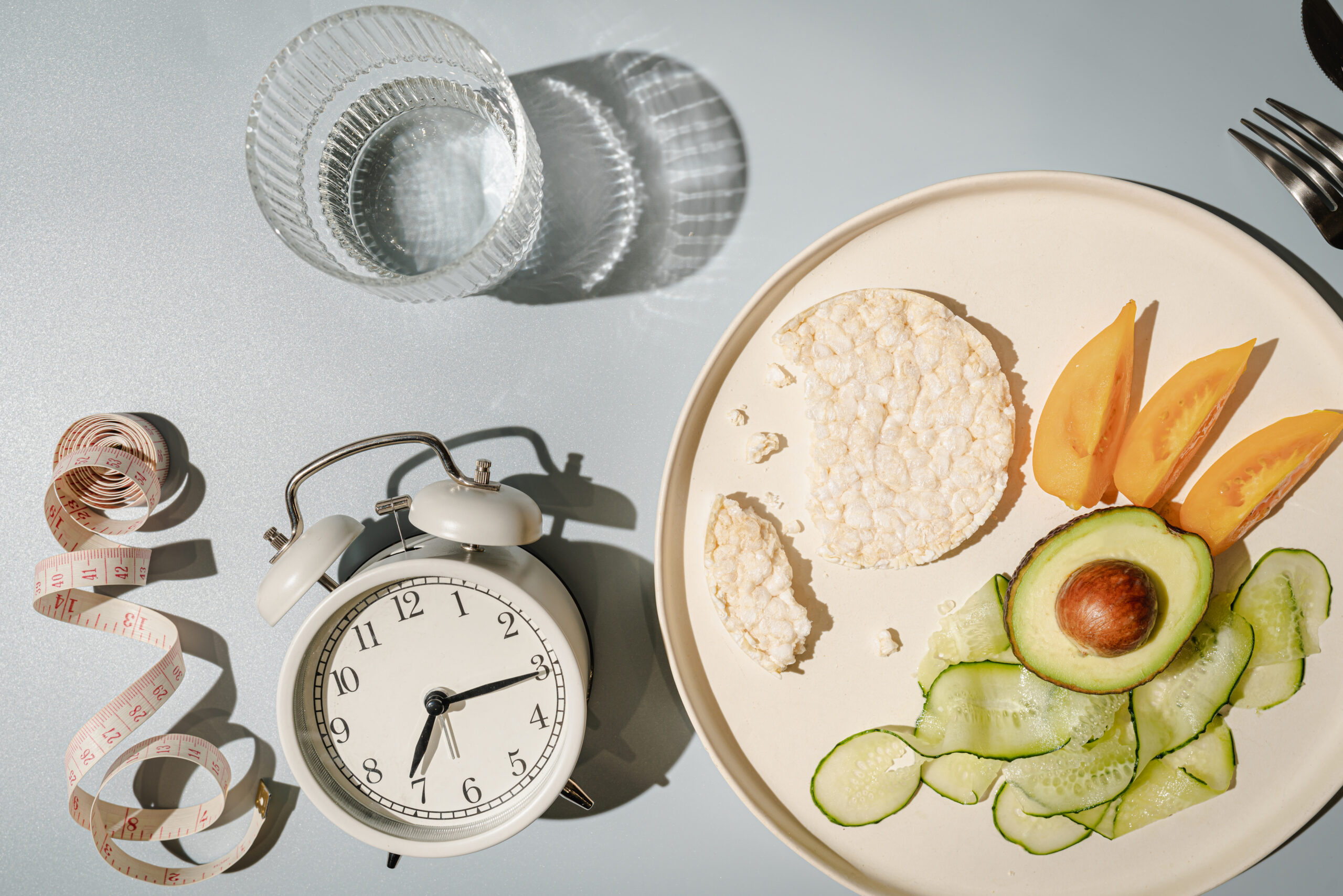
These foods do not necessarily need to be removed completely. Protein and vegetables remain important for nutrition. Instead, try smaller servings and pair them with foods that may be easier to digest, such as white rice, cooked oats, plain crackers, and non-cruciferous vegetables.

Meal Timing and Portion Strategies
Space Meals at Least Four Hours Apart
Give the stomach time to partially empty before eating another meal. On Mounjaro, spacing meals at least four hours apart may reduce the amount of fermenting food in the digestive tract at one time. For example, if breakfast is at 7:00 a.m., wait until at least 11:00 a.m. for the next meal. If symptoms are severe, choose a light snack instead of a large lunch.
Stop Eating Before Bed
Try to stop eating at least three hours before bedtime. Lying down with a full stomach may slow digestion further and can increase overnight fermentation.
Reduce Portions
Consider cutting typical meal portions roughly in half, especially protein-heavy servings. During the first few months of treatment or after a dose increase, meals in the 300 to 400 calorie range may be easier to tolerate than large, traditional-sized meals.
Eat slowly, use a smaller plate, put your fork down between bites, and stop before feeling overly full. Smaller meals can mean less food sitting in the stomach, less fermentation, and fewer sulfur burps.
Key Takeaway
Managing Mounjaro sulfur burps often comes down to reducing the amount of food sitting in a slow-moving stomach. Space meals at least four hours apart, choose smaller portions, avoid eating close to bedtime, and limit large servings of sulfur-rich foods. If symptoms persist or occur with concerning gastrointestinal symptoms, contact the clinician who manages your Mounjaro prescription.