The Fintech Lesson Every Creative Studio Should Steal
Shoreditch and Hoxton are the historical hearts of the UK creative scene. You will find hundreds of design studios tucked away in converted warehouses, all producing world-class work. While the output is incredible, the financial health of these businesses can be fragile. Many owners focus on aesthetics while the mechanics of their spending remain an afterthought.
Just a few streets away in Old Street, the fintech sector operates with a different mindset. They treat procurement as a strategic advantage. These companies treat every pound spent as a data point that needs to be tracked. They don’t just look at money in the bank. Instead, they look at how every subscription and supplier affects their ability to scale. Continue reading to learn how to protect your margins and grow sustainably.
Why London Studios Need a Financial Reset
Most creative directors start agencies because they love design, not spreadsheets. This leads to reactive spending, like hiring freelancers for deadlines or signing up for new tools on a whim. This reactive nature can lead to significant profit erosion. Over time, these small decisions add up to waste. You will find that overheads grow much faster than revenue.
Fintechs avoid this by using unit economics. They know what it costs to serve one customer and fight to keep that cost low. Creative agencies can apply this logic by looking at project costs instead of just labour. It’s worth pointing out that you should look at software licences and external consultants that contribute to a single piece of work.
How to Identify Your Hidden Overheads
The first step towards fixing your finances is getting a clear view of where money goes. Many agencies have recurring payments they’ve forgotten. You might pay for a high-tier Slack subscription for twenty people when only ten use it daily, or you might be sending bags of money to Adobe every month without question or exploring alternatives. These overlaps and complacency are expensive.
When you take the time to analyse procurement spend, you will see where waste happens. This involves looking at contracts to identify duplicates. You’ll find you’re paying for features in one package that are included in another tool. By consolidating services, you can often cut your monthly software bill by twenty per cent.

How to Manage Your Software and Supplier Lists
Creative studios often rely on supplier lists that haven’t been updated in years. You might use the same printer because you have a good relationship. While loyalty is important, it shouldn’t come at the expense of your margin. If you haven’t checked market rates recently, you’re probably overpaying.
It’s helpful to run a review of your suppliers every year. This gives you data to negotiate better terms. You can use these criteria to evaluate value:
- Check if pricing has increased significantly compared to the original agreement.
- Evaluate if service quality has remained consistent over the last year.
- Determine if newer providers can do the same job for less.
How to Handle Tool Sprawl in Your Team
The explosion of SaaS tools has made it easier than ever to run a studio, but it’s also created tool sprawl. Every department wants a specific tool for their niche. Before you know it, you’re managing dozens of subscriptions with different renewal dates. You’ll notice that project handover becomes much simpler when everyone uses the same platform.
Your team will be more productive with a smaller, integrated toolset. By forcing discipline onto your procurement process, you’ll save money. You’ll also spend less time on administration and more time on the creative work that brings in revenue.
Closing Message
The creative industry in East London will always be about talent. However, the studios that survive are those that learn financial rigour from fintechs. Financial discipline is not about being stingy. You’re simply making sure every penny spent contributes to the growth of your business.
By controlling supplier lists and being honest about software, you’ll create a resilient agency. This discipline gives you the freedom to take creative risks and hire better talent. You’ll realise a well-managed budget is a powerful tool in your studio.



From Family Factory Roots to Supermarket Shelves: The Inspiring Rise of Good Bubble
From a family toiletries business to landing in 268 Sainsbury’s stores nationwide, Manchester sisters Amy Lister and Sally Wordsworth share how resilience, skin-kind ingredients, and the Gruffalo helped Good Bubble reach supermarket shelves.

Ready to Get Your Sh*t Together? Join BROOD’s Free Q4 Masterclass Series
Ready to finish 2026 strong? BROOD is hosting 4 FREE online mini-masterclasses from 14–17 September covering Goal Setting, Time Blocking, Money Mindset, and Visibility. Register your free spot today!

Beyond the Manosphere: Why Boys Need Men Who Speak Up
Dr Carolyne Keenan explores how online manosphere narratives impact young men and explains why positive male role models are essential for shaping a healthy, grounded vision of masculinity

Parenthood Unfiltered: The First Good Dad I Ever Knew
Rachaele Hambleton (Part Time Working Mummy) reflects on growing up without a positive father figure, escaping domestic abuse, and how finding a true partner changed everything for her and her six children. A moving look at presence, healing, and what makes a truly good dad.

Escape the Chaos & The Family Lunch: Food Review
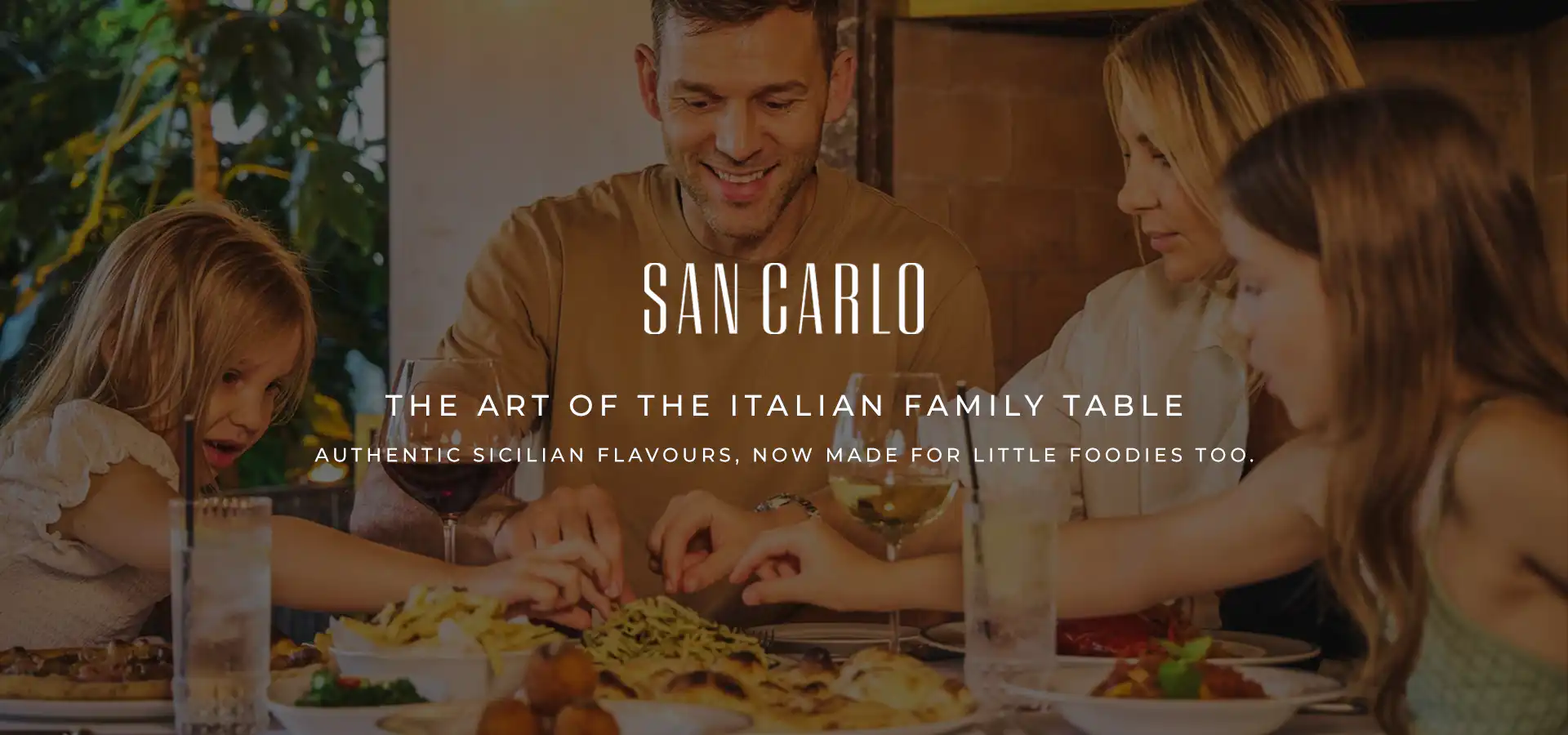
Escape the chaos of the summer holidays and moving boxes with a true taste of Italy. Join us for a family-friendly review of San Carlo Alderley Edge, featuring their fantastic new kids’ menu, authentic Italian dishes, and a stress-free dining experience for parents and children alike.

Beyond “Daddy Daycare”: What Day-One Rights Mean for Working Dads
From day-one flexible working requests to dismantling outdated “daddy daycare” tropes, the UK workplace landscape is shifting. Discover what the new legislation means for working fathers, co-parenting equality, and your career.

Ryan Libbey on the True Meaning of Strength, Parenting & Modern Masculinity
Fatherhood and a traumatic first year reshaped Ryan Libbey’s understanding of true strength, partnership, and modern masculinity. From navigating primary caregiving and supporting his partner Louise through medical trauma to writing “Letters to Leo” and challenging the noisy toxicity of the “Manosphere,” Ryan shares his honest, vulnerable journey on what it really means to show up as a present dad.

Back to School 2026: The Ultimate Kids’ Essentials & Parent Hacks
Back to School Special Back to School 2026: The Ultimate Kids’ Essentials & Parent Hacks From seamless uniform upgrades to smart tech that keeps kids focused and safe, here is our editorial edit for the new school term. Between sorting uniforms, replacing outgrown...

Why Learning a Language as a Busy Parent Is One of the Best Things You Can Do (And How to Actually Make It Happen)
Travel Why Learning a Language as a Busy Parent Is One of the Best Things You Can Do (And How to Actually Make It Happen) No classroom. No fixed timetable. Just you, a real tutor, and a skill that'll stick around for life. When was the last time you did something...

Ibiza Comes to London: Why the Alto x Cotton Beach Club Collab Belongs on Every Parent’s Night-Off List
Ibiza isn’t on the cards for most of us this summer — but that doesn’t mean you can’t get a taste of it. Alto by San Carlo has partnered with the iconic Cotton Beach Club Ibiza for two exclusive evenings on the rooftop of Selfridges, London. Think sun-soaked Mediterranean food, live DJ sets, Champagne and London’s skyline as your backdrop. Two dates only — and honestly? You deserve this one.
From Family Factory Roots to Supermarket Shelves: The Inspiring Rise of Good Bubble
From a family toiletries business to landing in 268 Sainsbury’s stores nationwide, Manchester sisters Amy Lister and Sally Wordsworth share how resilience, skin-kind ingredients, and the Gruffalo helped Good Bubble reach supermarket shelves.
Ready to Get Your Sh*t Together? Join BROOD’s Free Q4 Masterclass Series
Ready to finish 2026 strong? BROOD is hosting 4 FREE online mini-masterclasses from 14–17 September covering Goal Setting, Time Blocking, Money Mindset, and Visibility. Register your free spot today!
Beyond the Manosphere: Why Boys Need Men Who Speak Up
Dr Carolyne Keenan explores how online manosphere narratives impact young men and explains why positive male role models are essential for shaping a healthy, grounded vision of masculinity
Parenthood Unfiltered: The First Good Dad I Ever Knew
Rachaele Hambleton (Part Time Working Mummy) reflects on growing up without a positive father figure, escaping domestic abuse, and how finding a true partner changed everything for her and her six children. A moving look at presence, healing, and what makes a truly good dad.
Escape the Chaos & The Family Lunch: Food Review
Escape the chaos of the summer holidays and moving boxes with a true taste of Italy. Join us for a family-friendly review of San Carlo Alderley Edge, featuring their fantastic new kids’ menu, authentic Italian dishes, and a stress-free dining experience for parents and children alike.
Beyond “Daddy Daycare”: What Day-One Rights Mean for Working Dads
From day-one flexible working requests to dismantling outdated “daddy daycare” tropes, the UK workplace landscape is shifting. Discover what the new legislation means for working fathers, co-parenting equality, and your career.
Ryan Libbey on the True Meaning of Strength, Parenting & Modern Masculinity
Fatherhood and a traumatic first year reshaped Ryan Libbey’s understanding of true strength, partnership, and modern masculinity. From navigating primary caregiving and supporting his partner Louise through medical trauma to writing “Letters to Leo” and challenging the noisy toxicity of the “Manosphere,” Ryan shares his honest, vulnerable journey on what it really means to show up as a present dad.
Back to School 2026: The Ultimate Kids’ Essentials & Parent Hacks
Back to School Special Back to School 2026: The Ultimate Kids’ Essentials & Parent Hacks From seamless uniform upgrades to smart tech that keeps kids focused and safe, here is our editorial edit for the new school term. Between sorting uniforms, replacing outgrown...
Why Learning a Language as a Busy Parent Is One of the Best Things You Can Do (And How to Actually Make It Happen)
Travel Why Learning a Language as a Busy Parent Is One of the Best Things You Can Do (And How to Actually Make It Happen) No classroom. No fixed timetable. Just you, a real tutor, and a skill that'll stick around for life. When was the last time you did something...
Ibiza Comes to London: Why the Alto x Cotton Beach Club Collab Belongs on Every Parent’s Night-Off List
Ibiza isn’t on the cards for most of us this summer — but that doesn’t mean you can’t get a taste of it. Alto by San Carlo has partnered with the iconic Cotton Beach Club Ibiza for two exclusive evenings on the rooftop of Selfridges, London. Think sun-soaked Mediterranean food, live DJ sets, Champagne and London’s skyline as your backdrop. Two dates only — and honestly? You deserve this one.